
Dumbo Octopus
Grimpoteuthis spp.F tier · Snack52nd of 53 sea creatures
Size & speed
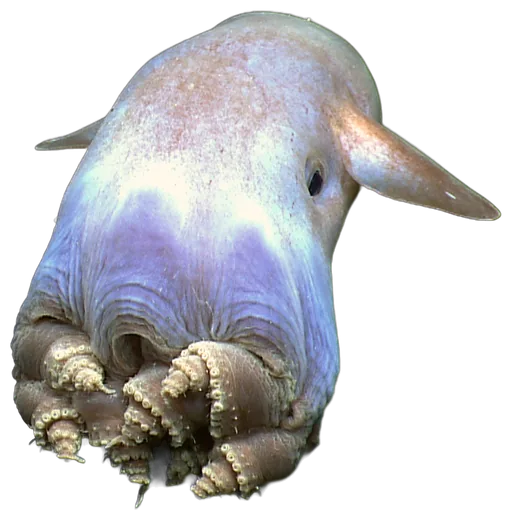
- Weight
- 37 g1.3 oz
- Length
- 21.3 cm8.4 in
As heavy as 37 paperclips
Heavier than 7% of animalsAbout 2.5 credit cards long
Bigger than 11% of animalsThe Dumbo Octopus steers with two ear-shaped fins in the dark waters near the seafloor. Its eight arms spread a flexible web over small prey, then guide the food toward its beak.
Detailed ratings
Research-backed ratings on one 0–100 scale for all 346 animals (updated 2026-11-23). How ratings work


Card No. 335 of 346. Every animal on Animal Battle Stats has one: its power, tier and archetype on the front; its six battle stats, abilities and signature move on the back.
Special abilities
The paired fins propel and steer the octopus as it leaves the seafloor or moves through the water above it.
The arms spread their connecting web over small prey, then draw it in toward the mouth.
Unique traits
Small, fingerlike projections line the arms between suckers and help guide food inward.
Many sightings are near the bottom in cold, dark water. Grimpoteuthis has been filmed in the Java Trench at nearly 7,000 m.
How it fights
Weapons
- The arm web encloses small prey at close range. Suckers retain food while the fingerlike cirri between them help move it toward the mouth. This is effective for catching small invertebrates and offers little leverage against a much heavier animal.
Beats
- Very small bottom-dwelling invertebrates it can enclose under the arm web.
Struggles vs
- Larger fish and fast cephalopods that can strike from outside the arm web.
- Hard-shelled animals too large to enclose.
- Weight
- 37 g1.3 oz
- Height
- No reliable measurement
- Length
- 21.3 cm8.4 in
- Top speed
- No reliable measurement
- Bite force
- No reliable measurement
- Lifespan
- No reliable measurement
- Home biome
- Ocean
- Lifestyle
- Mostly solitary
Rated specimen: The profile uses a measured 36.5 g, 21.3 cm Grimpoteuthis feitiana specimen as its size reference; its maturity and sex were not reported.
Fun facts
- The ear-shaped parts are swimming fins.
- Its eight arms are linked by a flexible web.
- Cirri sit between the suckers along the arms.
- It can swim clear of the seafloor using its fins.
- A dumbo octopus was filmed in the Java Trench at 6,957 m.
- One filmed hatchling already had functioning fins and well-developed suckers.
Closest rivals by power. Tap one for the full breakdown, or pick any opponent.
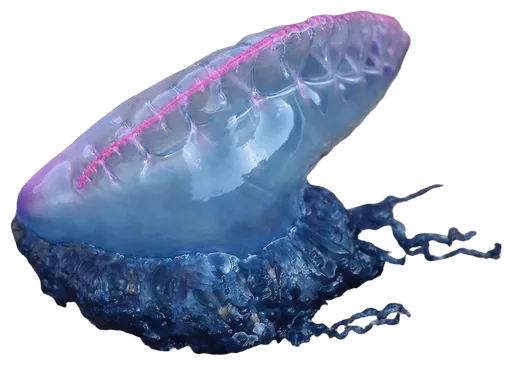
vs GoldfishLoses · 56% · Toss-up 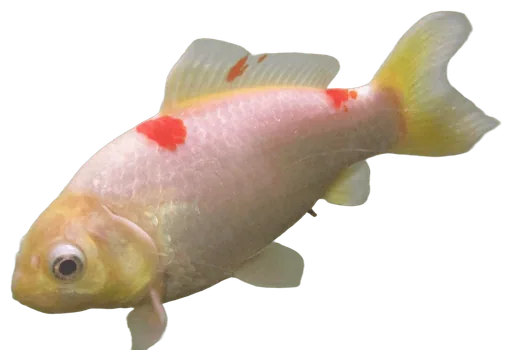 L vs Portuguese Man o' WarLoses · 62% · Slight edge
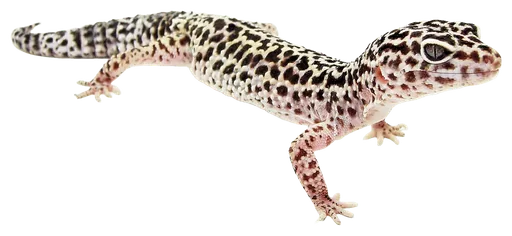
 L vs Leopard GeckoLoses · 52% · Toss-up
 L vs Russian TortoiseLoses · 69% · Slight edge
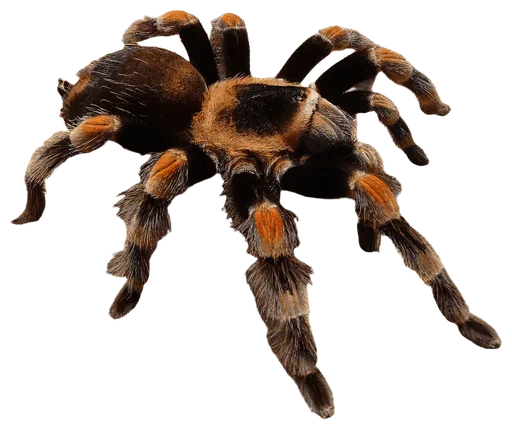
 L vs Mexican Red-knee TarantulaWins · 54% · Toss-up
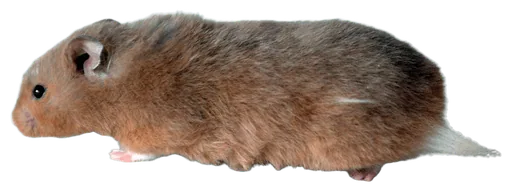
 W vs Syrian HamsterLoses · 57% · Toss-up
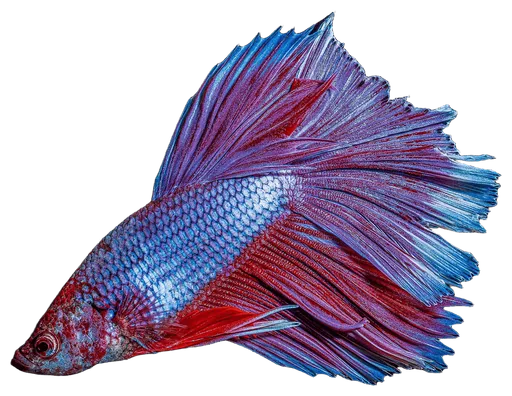
 L vs Betta FishWins · 69% · Slight edge
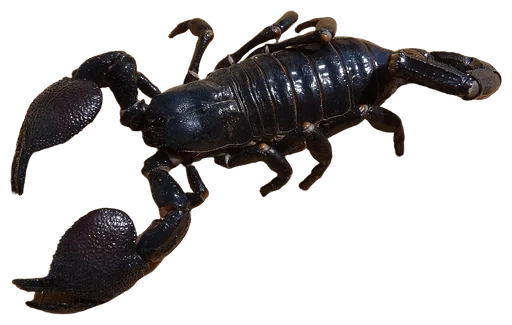
 W vs Emperor ScorpionWins · 53% · Toss-up
 W
Dumbo Octopus battle analysis
Near the seafloor, a dumbo octopus can rise into open water and steer with the fins on either side of its mantle. The fins work with the flexible web between its arms, letting the octopus hold and change posture without having to chase prey at speed.
The same web can spread over a patch of small prey. On the inner surface of the arms, suckers and the little projections called cirri help move the food toward the beak. Small crustaceans and marine worms fit this way of feeding.
The name Dumbo Octopus covers multiple species in Grimpoteuthis. One small measured specimen from a western Pacific seamount was just over 21 cm long. An octopus filmed far deeper in the Java Trench was identified to the same genus, but it should not be treated as the same species or size.
Habitat & range
Dumbo octopuses live in deep waters in multiple ocean basins, often at or just above the bottom. The 1,240 m record for the measured specimen and a sighting at 6,957 m are from different animals. The latter is an exceptional record rather than a usual depth.
Diet & hunting
Bottom-dwelling finned octopuses commonly eat amphipods, marine worms and other small invertebrates. Observations of Grimpoteuthis show the arm web and cirri being used to gather and handle small prey.
Social life
Most field observations describe individuals. There is no reliable evidence of regular group hunting or a day and night activity schedule for the represented form.
Conservation
Grimpoteuthis covers multiple species. There is no single genus-wide Red List category. Rare encounters make abundance and population trends difficult to assess.
Quick answers
How strong is a Dumbo Octopus?
On the Animal Battle Stats scale, the Dumbo Octopus has an attack rating of 8 and a power index of 27.7 out of 100, which ranks it #335 of 346 animals and puts it in F tier (Snack). Its strongest stat is agility (59).
How much does a Dumbo Octopus weigh?
This Dumbo Octopus profile uses a reference weight of about 37 g (1.3 oz). Rated specimen: The profile uses a measured 36.5 g, 21.3 cm Grimpoteuthis feitiana specimen as its size reference; its maturity and sex were not reported.
How fast is a Dumbo Octopus?
There is no reliable measured top speed for the Dumbo Octopus, so we do not publish one. Its agility rating, which covers acceleration, reflexes and evasion, is 59 out of 100.
What does a Dumbo Octopus eat?
Bottom-dwelling finned octopuses commonly eat amphipods, marine worms and other small invertebrates. Observations of Grimpoteuthis show the arm web and cirri being used to gather and handle small prey.
What animals can beat a Dumbo Octopus?
Among its closest rivals, the Goldfish (56%), the Portuguese Man o' War (62%), the Leopard Gecko (52%), the Russian Tortoise (69%), the Syrian Hamster (57%) would be favored against the Dumbo Octopus. It would be favored against the Mexican Red-knee Tarantula, the Betta Fish, the Emperor Scorpion.
Researched 2026-11-23. Ratings are editorial judgments built from these sources; measurements describe a healthy adult.
- Tang, Zheng and Zhang (2025), Caroline Seamount specimen descriptionMeasured 36.5 g mass, 212.6 mm total length and 1,240 m depth
- Collins (2003), The genus Grimpoteuthis in the north-east AtlanticSpecies boundaries and size variation
- Collins, Vecchione and Young, Grimpoteuthis measurements and countsGrimpoteuthis challengeri total lengths up to 370 mm
- Collins and Villanueva, Taxonomy, ecology and behaviour of the cirrate octopodsFin swimming, near-bottom habitat and prey in cirrate diet samples
- Villanueva, Segonzac and Guerra (1997), Locomotion modes of deep-sea cirrate octopodsFin swimming, crawling and takeoff observed on video
- Shea et al. (2018), Dumbo octopod hatchling provides insight into early cirrate life cycleHatchling anatomy, egg case and pictured adult from the Gulf of Mexico
- Jamieson and Vecchione (2020), First in situ observation of Cephalopoda at hadal depthsJava Trench records at 5,760 and 6,957 m
- NOAA Ocean Exploration, Dumbo OctopusOriginal full-body photograph and expedition credit
- FAO, Cephalopods of the World, volume 3Species accounts and swimming with fins and arm web
- Natural History Museum, Dumbo octopusCommon-name scope and feeding anatomy
Photo: “Dumbo octopus off the West Florida Escarpment” by NOAA Ocean Exploration, Exploration of the Gulf of Mexico 2014, Public domain, background removed and cropped. Original
Suggest a correction