
Dingo
Canis familiarisB tier · Strong90th of 163 mammals
Size & speed

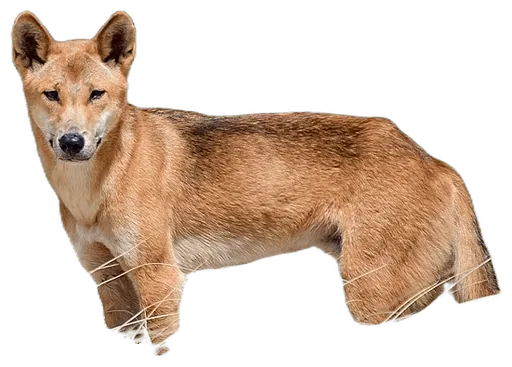
- Weight
- 18 kg40 lb
- Length
- 1.05 m3.4 ft
As heavy as 4 house cats
Heavier than 53% of animalsAbout 3.5 rulers long
Bigger than 48% of animalsThe dingo is Australia's versatile wild canid, combining strong senses, agile terrestrial movement, sustained ranging and flexible solitary or cooperative hunting. A representative mature male is about 18 kg. Its individual bite and durability are modest on the full ABS roster, so its strongest advantages are maneuverability, endurance and tactics rather than raw power or armor.
Detailed ratings
Research-backed ratings on one 0–100 scale for all 344 animals (updated 2026-09-27). How ratings work


Card No. 146 of 344. Every animal on Animal Battle Stats has one: its power, tier and archetype on the front; its six battle stats, abilities and signature move on the back.
Special abilities
Coordinated pursuit and multi-angle harassment let groups tackle prey beyond one dingo's individual power.
Sustained terrestrial movement and flexible searching behavior support prolonged tracking, pursuit and repositioning.
Unique traits
Dingoes shift among small prey, carrion and larger cooperative targets across highly varied Australian habitats.
Howling and scent marking maintain spacing, territorial information and pack contact over large ranges.
How it fights
Weapons
- Dingoes attack with repeated bites, gripping and tearing rather than a single specialized crushing weapon. Comparative work places their modeled canine bite force at about 313 N for a 17.5 kg specimen. They can hunt alone, but cooperative hunting expands the prey envelope. A 2022 Australian Journal of Zoology synthesis notes that solitary dingoes can persist on rabbits, rodents, carrion and small marsupials, while small packs can bring down larger prey such as kangaroos and ungulates.
- Weight
- 18 kg40 lb
- Height
- 53 cm20.9 in
- Length
- 1.05 m3.4 ft
- Top speed
- No reliable measurement
- Bite force
- No reliable measurement
- Lifespan
- 10 years
- Home biome
- Desert
- Lifestyle
- Social
Rated specimen: Healthy mature male, 18.0 kg, representative rather than exceptional.
Fun facts
- Australian Museum gives the species a 12–24 kg mass range and 44–62 cm shoulder-height range.
- K'gari adult males averaged exactly 18.0 kg in a 101-male sample.
- Dingoes rarely bark compared with domestic dogs and rely heavily on howling and scent communication.
- Packs can switch the feasible prey class from small mammals to kangaroos and ungulates.
- A comparative mammal study estimated 313 N canine bite force for a 17.5 kg dingo skull, but that is force, not PSI.
- Archaeological work announced in May 2026 described a millennium-old dingo burial cared for by Barkindji forebears along the Baaka.
Closest rivals by power. Tap one for the full breakdown, or pick any opponent.
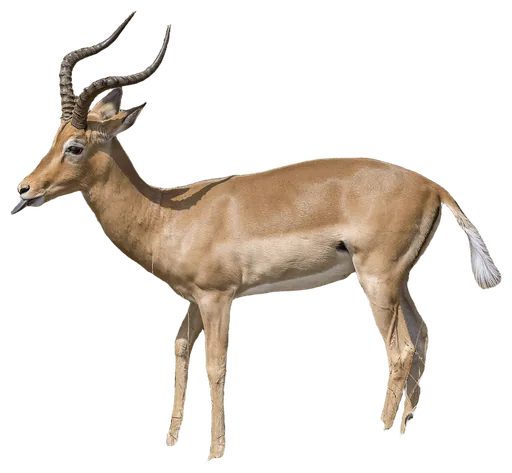
vs OcelotWins · 52% · Toss-up 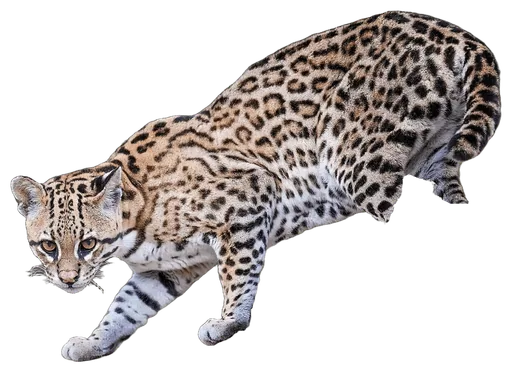 W vs ImpalaLoses · 58% · Slight edge
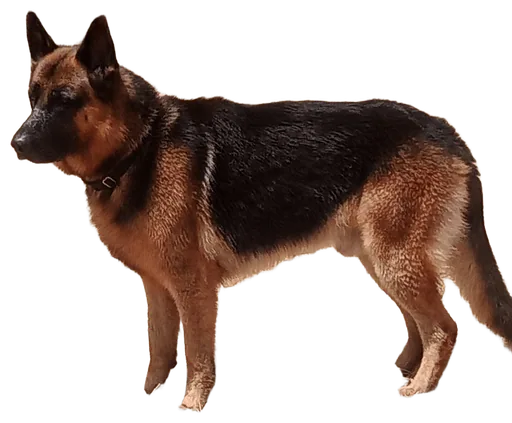
 L vs German ShepherdLoses · 54% · Toss-up
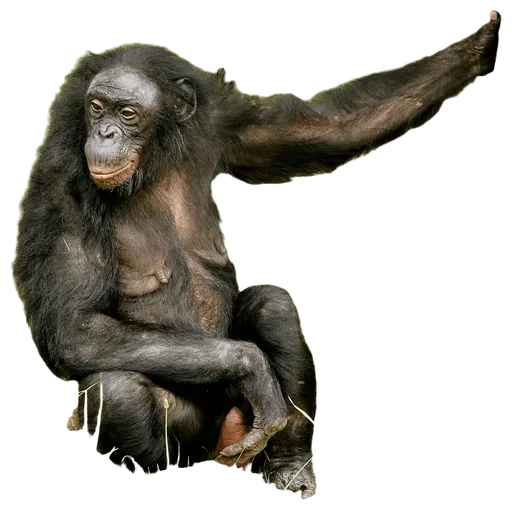
 L vs BonoboLoses · 56% · Toss-up
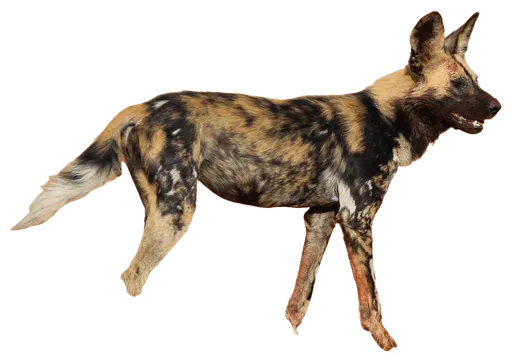
 L vs African Wild DogLoses · 53% · Toss-up
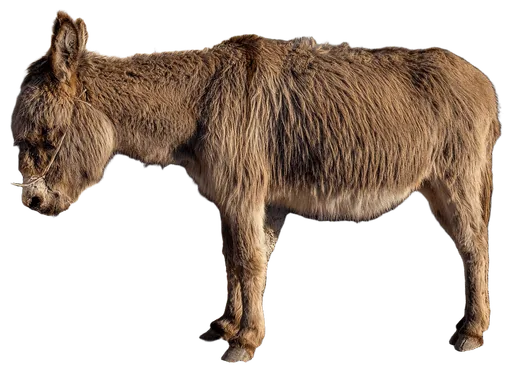
 L vs DonkeyLoses · 63% · Slight edge
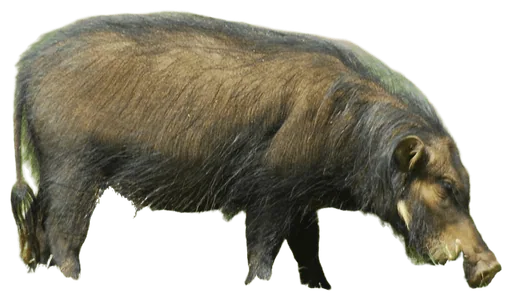
 L vs Giant Forest HogLoses · 65% · Slight edge
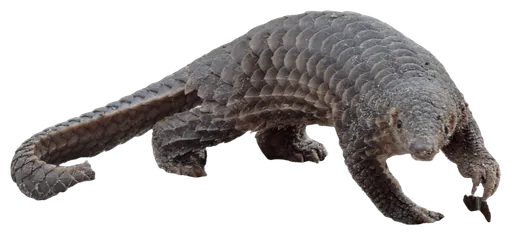
 L vs PangolinWins · 54% · Toss-up
 W
Dingo battle analysis
The dingo is a useful anti-inflation test for ABS. It is a successful top-order predator in many Australian systems, but ecological importance does not make an 18 kg individual physically equivalent to a wolf, cougar or large hyena. Its combat value comes from mobility, repeated bite delivery, sensory awareness and behavioral flexibility. Cooperative hunting can transform what a pack can kill, yet those extra bodies must not leak into an individual's Raw Power or Defense.
Its measurements also show why old catalogue values need re-research. A large K'gari dataset provides an unusually clean adult-male mass anchor, while common internet sprint and PSI figures are much weaker. The correct profile preserves that asymmetry in evidence instead of filling every field with false precision.
Social life
Dingoes are opportunistic predators. Australian Museum describes solitary hunting plus larger packs for bigger game, with mammals including rabbits, kangaroos, wallabies and wombats prominent. Packs are territorial, and dominant members usually monopolize breeding while helpers provision pups. Cooperative pressure, pursuit and multiple attack angles matter in group hunting, but this profile scores one animal and does not multiply individual Attack by pack size.
Quick answers
How strong is a Dingo?
On the Animal Battle Stats scale, the Dingo has an attack rating of 40 and a power index of 52.7 out of 100, which ranks it #146 of 344 animals and puts it in B tier (Strong). Its strongest stat is agility (82).
How much does a Dingo weigh?
A typical adult Dingo weighs about 18 kg (40 lb). Rated specimen: healthy mature male, 18.0 kg, representative rather than exceptional.
How fast is a Dingo?
There is no reliable measured top speed for the Dingo, so we do not publish one. Its agility rating, which covers acceleration, reflexes and evasion, is 82 out of 100.
Is the Dingo endangered?
The Dingo's conservation status is Vulnerable.
What animals can beat a Dingo?
Among its closest rivals, the Impala (58%), the German Shepherd (54%), the Bonobo (56%), the African Wild Dog (53%), the Donkey (63%), the Giant Forest Hog (65%) would be favored against the Dingo. It would be favored against the Ocelot, the Pangolin.
Researched 2026-09-27. Ratings are editorial judgments built from these sources; measurements describe a healthy adult male.
- 1. Australian Museum, Dingotaxonomy treatment, 12–24 kg mass, 44–62 cm shoulder height, 86–123 cm body length, 26–38 cm tail, diet, communication, breeding, longevity. High institutional confidence. Taxonomic naming conflicts with C. lupus dingo / C. dingo literature.
- 2. Allen et al., K'gari diet/body condition dataset101 adult males mean 18.0 kg; 81 females 14.8 kg; adult threshold >12 months. High confidence for K'gari, not necessarily all Australia.
- 3. Wroe et al., Bite clubmodeled canine bite force 313 N for 17.5 kg C. lupus dingo. Moderate-high for comparative model; not direct in-vivo PSI.
- 4. Wroe et al., dingo finite-element gape studybite mechanics and 25–35° modeled optimal bite angle. High for model context.
- 5. Harden 1985, Wildlife Researchradio tracking, movement modes, activity and ~2700 ha adult home range. High primary-field confidence; small historical sample.
- 6. ADW Dingo account10-year wild longevity, social structure and 10–20 km/day summary. Moderate; older synthesis.
- 7. Australian Journal of Zoology 2022 diet synthesissolitary small-prey feeding and pack hunting of larger kangaroo/ungulate prey. High peer-reviewed synthesis confidence.
- 8. Smith & Litchfield, dingo unsolvable-task study12 dingoes and caution around interpreting human-directed gaze. High for experiment; captive context.
- 9. Australian Museum 2026 Baaka burial reportcultural/archaeological context. High institutional, current.
- 10. Wikimedia Commons image page).jpg — 4608×3456 source, provenance, male category and reuse metadata. High for file metadata; adulthood unverified.
Photo: “Dingo of Fraser Island.jpg” by Newretreads, CC BY-SA 4.0, background removed and cropped. Original
Suggest a correction