
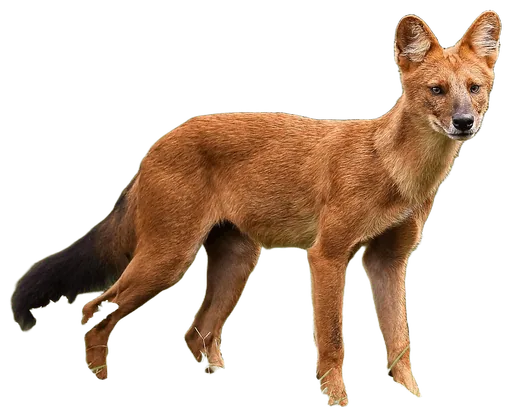
Dhole
Cuon alpinusB tier · Strong64th of 163 mammals
Size & speed

- Weight
- 18 kg40 lb
- Length
- 90 cm35.4 in
- Top speed
- 55 km/h34 mph
As heavy as 4 house cats
Heavier than 53% of animalsAbout 3 rulers long
Bigger than 41% of animalsFaster than Usain Bolt (44.7 km/h)
Faster than 64% of animalsThe dhole is an Endangered Asian pack-hunting canid built around endurance, coordination and repeated tearing attacks rather than overwhelming individual force. A mature male weighs roughly 18 kg, yet packs can exploit much larger ungulate prey through pursuit, flanking and whistle-assisted cohesion. Individually it is lightly protected and vulnerable to larger predators, so its strongest ABS advantages are agility, stamina and tactics rather than raw power.
Detailed ratings
Research-backed ratings on one 0–100 scale for all 344 animals (updated 2026-09-27). How ratings work


Card No. 101 of 344. Every animal on Animal Battle Stats has one: its power, tier and archetype on the front; its six battle stats, abilities and signature move on the back.
Special abilities
Far-carrying whistle/contact calls help separated pack members maintain cohesion in dense habitat, improving coordinated pursuit and regrouping.
Cooperative chases let pack members pressure, flank and repeatedly re-engage prey, converting moderate individual size into high group hunting efficiency.
Unique traits
Dholes have 40 teeth and a distinctive lower carnassial configuration, an unusual canid specialization associated with efficient meat shearing.
Cooperative breeding includes adults provisioning pups and mothers, reflecting unusually strong pack integration that supports group persistence.
How it fights
Weapons
- The dhole's primary individual weapon is its dentition. Its relatively short, robust muzzle and specialized carnassials are suited to repeated gripping, tearing and meat-shearing. Unlike a large cat's kill method, dhole success against large ungulates is primarily a cooperative pursuit-and-dismantling system, not one overpowering throat bite. Pack members can pressure prey from multiple directions, attack hindquarters/flanks, and exploit openings once prey is destabilized.
- The 2014 Journal of Zoology synthesis examined 8,816 prey records from 24 studies at 16 sites. Sambar, chital and wild boar contributed almost two-thirds of food biomass; larger packs ultimately took larger prey. The accessible prey spectrum was 30–235 kg, with sambar significantly preferred in that synthesis. A 2020 Southeast Asian study found muntjac of roughly 20–28 kg dominant and selected in its two landscapes, showing that prey preference is geographically variable and that Indian prey patterns should not be universalized.
Struggles vs
- No armor and only moderate individual mass.
- A lone dhole loses its central pack-coordination advantage.
- Large cats, bears and heavily armed ungulates can kill an individual quickly if contact is forced.
- Open, obstacle-free one-on-one combat reduces the value of pack tactics.
- Habitat fragmentation, prey depletion and disease exposure from domestic dogs are major real-world vulnerabilities.
- Weight
- 18 kg40 lb
- Height
- 50 cm19.7 in
- Length
- 90 cm35.4 in
- Top speed
- 55 km/h34 mph
- Bite force
- No reliable measurement
- Lifespan
- 12.5 years
- Home biome
- Forest
- Lifestyle
- Social
Rated specimen: Healthy mature male, 18.0 kg.
Fun facts
- The dhole is the only living species in the genus Cuon.
- It is often called the whistling dog because of its distinctive contact calls.
- Its 40-tooth dentition differs from the usual 42-tooth pattern of most canids.
- A four-year Mudumalai study observed pack membership fluctuating dramatically rather than staying fixed.
- A modern prey synthesis pooled 8,816 prey records, showing how extensively dhole diet has been studied across multiple Asian landscapes.
- GPS work in Thailand found adult males traveling almost twice as far per day as females in that study.
Closest rivals by power. Tap one for the full breakdown, or pick any opponent.
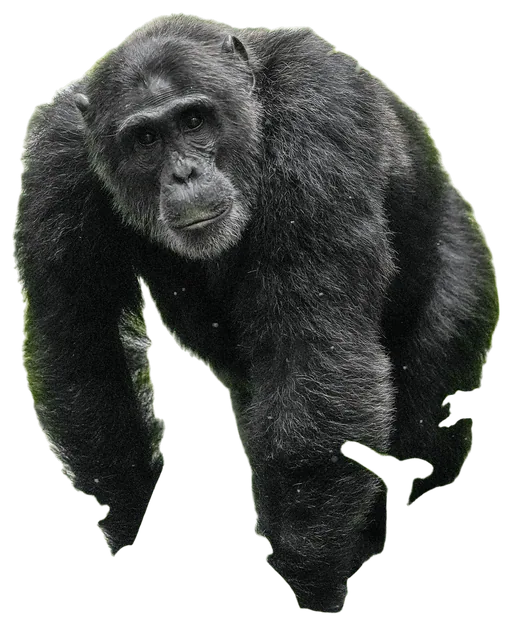
vs PorcupineWins · 53% · Toss-up 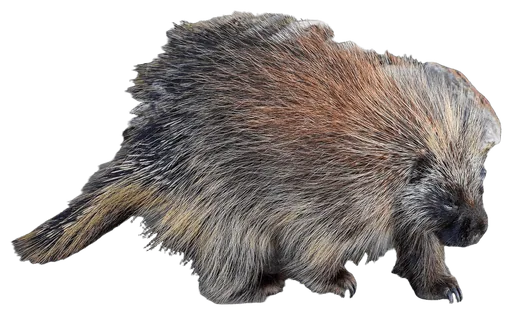 W vs ChimpanzeeLoses · 56% · Toss-up
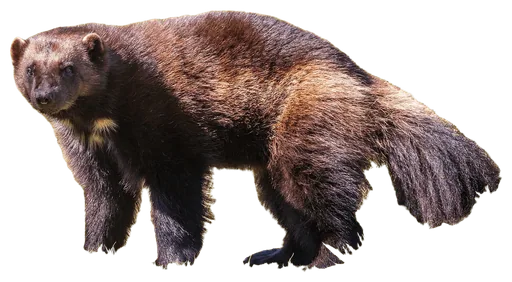
 L vs WolverineDraw · 50-50 · Dead even
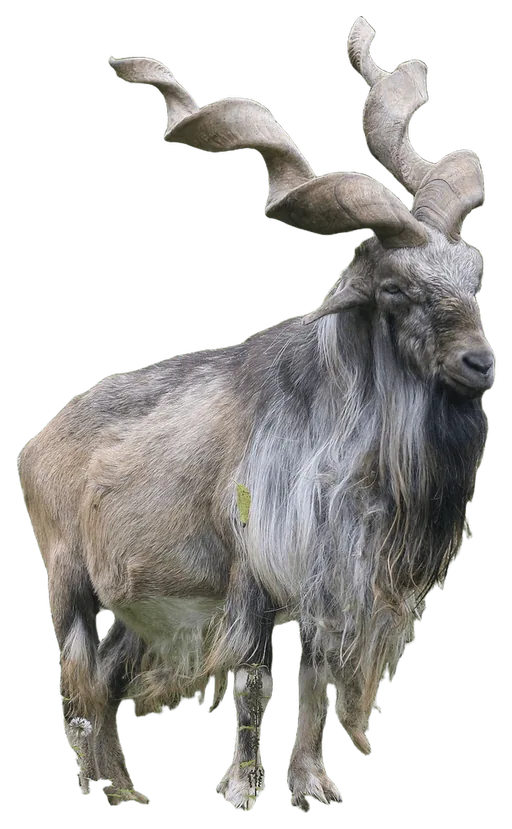
 D vs MarkhorLoses · 60% · Slight edge
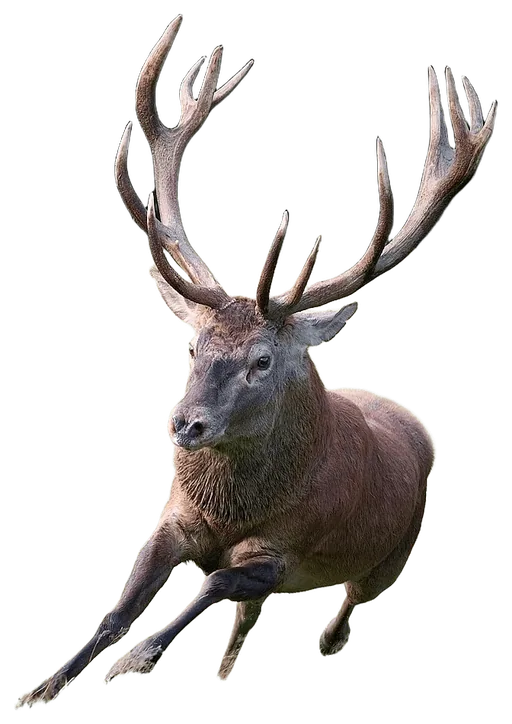
 L vs Red DeerLoses · 63% · Slight edge
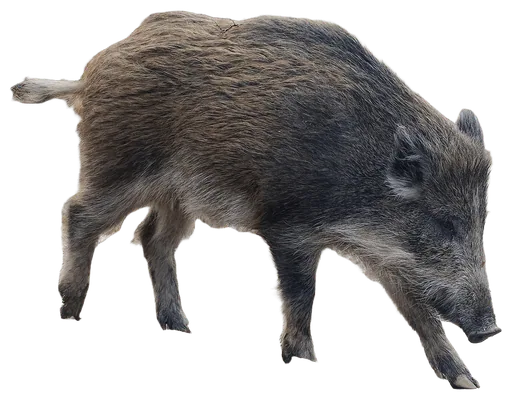
 L vs Wild BoarLoses · 60% · Slight edge
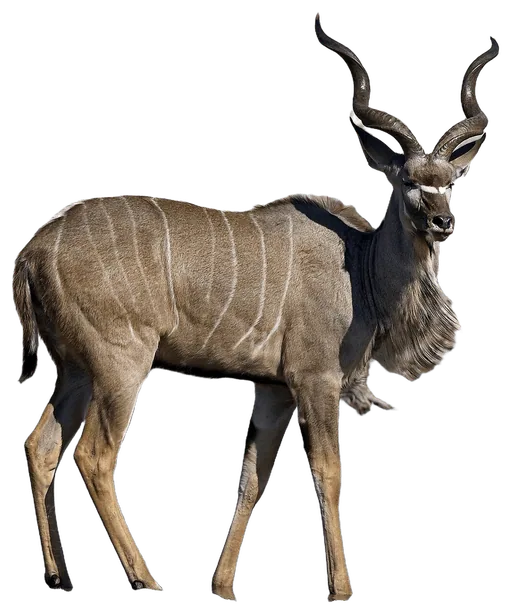
 L vs KuduLoses · 65% · Slight edge
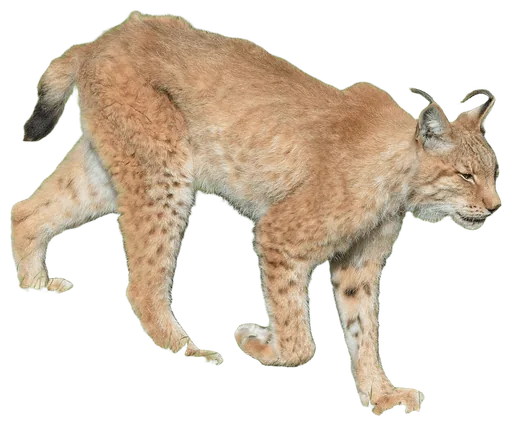
 L vs LynxLoses · 51% · Toss-up
 L
Dhole battle analysis
A dhole is dangerous for reasons that are easy to score incorrectly. It is not a miniature wolf with somehow amplified strength, and a lone 18 kg animal cannot borrow the combined force of a pack. Its specialization is systemic: efficient cursorial movement keeps pressure on prey, contact calls help maintain social cohesion in forest, and multiple hunters can create openings that no one animal could force alone. This makes the species a useful ABS calibration test. Raw Power and Defense must remain modest on an absolute roster, while Endurance, Maneuverability and Tactics can legitimately be very high.
Its ecology also resists one-number simplification. Indian studies emphasize sambar and chital, whereas Southeast Asian work can find muntjac dominant. Pack sizes fluctuate, home ranges vary with sex and landscape, and current populations survive across fragmented ecological settings. The proposed profile therefore treats the canonical male as representative rather than exceptional and separates directly measured movement from weaker maximum-speed claims.
Habitat & range
Historically the dhole occupied a huge portion of Asia across alpine, temperate, tropical and subtropical systems. Current populations are fragmented mainly across South and Southeast Asia and parts of China. Cornell's recent niche-model work notes confinement to roughly a quarter of historical range and strong dependence on protected landscapes. Habitats include tropical dry and moist deciduous forest, evergreen/semi-evergreen forest, thorn forest, scrub/grassland mosaics and high-elevation steppe, provided prey and cover are sufficient.
Diet & hunting
Dholes are primarily carnivorous, especially predators of medium-sized ungulates. The prey base varies regionally. The large 2014 synthesis emphasized sambar, chital and wild boar, while 2020 Laos/Cambodia work found muntjac dominant. This conflict is ecological rather than necessarily methodological: prey availability and habitat differ across the species' range.
Social life
Dholes live in social packs/clans with cooperative hunting and pup care. Pack size is fluid rather than a fixed number. Mudumalai packs varied from 4 to 18 and 4 to 25. ADW reports gestation around 60–62 days and sexual maturity at about one year, with subordinate pack members helping feed the breeding female and pups.
Conservation
The dhole is Endangered. Cornell reports severe historical range contraction, small isolated populations and threats including habitat loss/fragmentation, persecution, prey depletion, competition and disease. A recent Cornell-linked model summarizes a current estimate around 2,000–2,200 adults, while older IUCN-era figures differ, so population numbers should be dated rather than treated as timeless constants.
Quick answers
How strong is a Dhole?
On the Animal Battle Stats scale, the Dhole has an attack rating of 42 and a power index of 56 out of 100, which ranks it #101 of 344 animals and puts it in B tier (Strong). Its strongest stat is stamina (86).
How much does a Dhole weigh?
A typical adult Dhole weighs about 18 kg (40 lb). Rated specimen: healthy mature male, 18.0 kg.
How fast is a Dhole?
The Dhole's top speed is about 55 km/h (34 mph). Its agility rating is 84 out of 100.
What does a Dhole eat?
Dholes are primarily carnivorous, especially predators of medium-sized ungulates. The prey base varies regionally. The large 2014 synthesis emphasized sambar, chital and wild boar, while 2020 Laos/Cambodia work found muntjac dominant. This conflict is ecological rather than necessarily methodological: prey availability and habitat differ across the species' range.
Is the Dhole endangered?
The Dhole's conservation status is Endangered. The dhole is Endangered. Cornell reports severe historical range contraction, small isolated populations and threats including habitat loss/fragmentation, persecution, prey depletion, competition and disease. A recent Cornell-linked model summarizes a current estimate around 2,000–2,200 adults, while older IUCN-era figures differ, so population numbers should be dated rather than treated as timele
What animals can beat a Dhole?
Among its closest rivals, the Chimpanzee (56%), the Markhor (60%), the Red Deer (63%), the Wild Boar (60%), the Kudu (65%), the Lynx (51%) would be favored against the Dhole. It would be favored against the Porcupine. It is dead even with the Wolverine: a draw.
Researched 2026-09-27. Ratings are editorial judgments built from these sources; measurements describe a healthy adult male.
- Animal Diversity Web, Cuon alpinusdimensions, reproduction, diet
- Wiley, Hayward et al. 2014, Journal of Zoologyprey selection
- Wiley, Kamler et al. 2020, Journal of Wildlife ManagementSE Asian prey selection
- Wiley, Venkataraman et al. 1995, Journal of Zoologypack dynamics, foraging, home range
- Biodiversitas, Khao Yai movement study 2020movement/endurance
- Cornell K. Lisa Yang Center for Wildlife Healthconservation, social hunting, whistles
- Cornell-linked multi-scale niche modelrange, threats, population context
- Modern Cuon osteoarchaeology review, Wiley 2025dimorphism/body mass
- Zoo de Granbyspeed/endurance natural history
- Zoo Taipinglifespan
- Mammal taxonomy/descriptive account archived on Zenododentition, dimorphism, variation
- Wikimedia Commons, Hans Hillewaertimage provenance
Photo: “Dhole(Asiatic wild dog).jpg” by Davidvraju, CC BY-SA 4.0, background removed and cropped. Original
Suggest a correction