
Deathstalker Scorpion
Leiurus quinquestriatusD tier · Underdog14th of 30 bugs & spiders
Size & speed
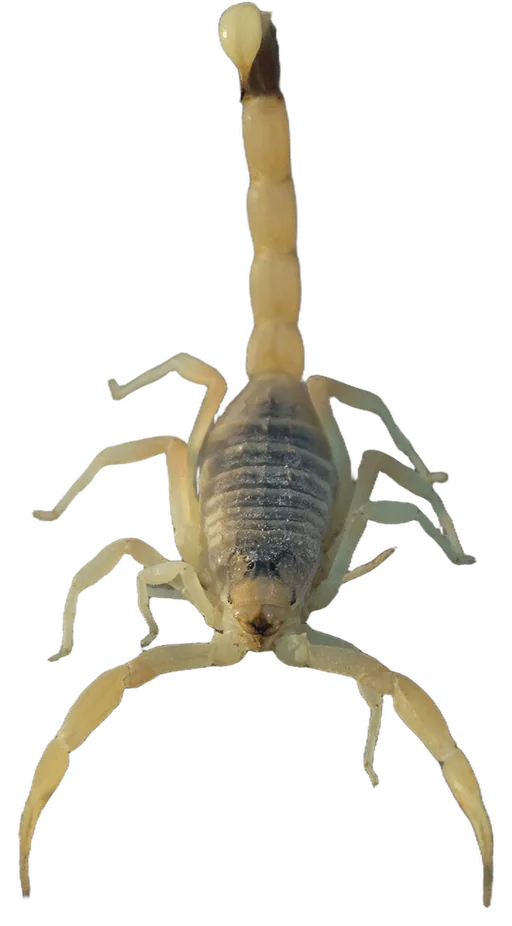
- Weight
- 2 g0.1 oz
- Length
- 9 cm3.5 in
As heavy as 2 paperclips
Heavier than 2% of animalsAbout 1.1 credit cards long
Bigger than 6% of animalsThe deathstalker is a tiny desert scorpion whose physical power is negligible on an absolute animal scale, but whose sting carries one of the most potent scorpion venoms measured. It hunts small arthropods using tactile and vibration cues, slender pincers and a fast, flexible telson. Its battle profile is an extreme specialist: very low raw force and durability, strong close-range maneuverability, and elite chemical weaponry that matters only if the tiny stinger can successfully deliver venom.
Detailed ratings
Research-backed ratings on one 0–100 scale for all 344 animals (updated 2026-09-27). How ratings work


Card No. 306 of 344. Every animal on Animal Battle Stats has one: its power, tier and archetype on the front; its six battle stats, abilities and signature move on the back.
Special abilities
The telson injects an exceptionally potent ion-channel-active venom cocktail; a successful penetration can disable prey vastly larger than the scorpion's mechanical strength would suggest.
Paired ventral pectines and other mechanosensory structures sample substrate-borne chemical/mechanical information, improving close-range prey, mate and terrain detection.
Unique traits
The characteristic carination and slender buthid body fit a crevice-using arid-land predator rather than a heavy-clawed crusher.
Comparative scorpion research places L. quinquestriatus at the extreme slender-chela/high-venom-potency end of the studied spectrum.
How it fights
Weapons
- The deathstalker's combat system is a small-grappler-plus-venom-delivery package. Slender pedipalps seize or position small prey, while the flexible metasoma arcs the telson forward to sting. Its physical force is tiny on the 225-animal absolute scale. The danger comes from chemical potency and the ability to inject venom through the aculeus.
- Against arthropod-scale opponents, this is a formidable weapon because prey can be held and repeatedly stung. Against much larger vertebrates, a successful sting can be medically consequential, but the scorpion cannot assume that mouse LD50 values scale linearly to every opponent. Thick hide, fur, feathers, scales, body mass and venom susceptibility all matter. A tiny venom yield and very short reach prevent Special from becoming universal instant-kill Attack.
- Weight
- 2 g0.1 oz
- Height
- No reliable measurement
- Length
- 9 cm3.5 in
- Top speed
- No reliable measurement
- Bite force
- No reliable measurement
- Lifespan
- No reliable measurement
- Home biome
- Desert
- Lifestyle
- Social
Rated specimen: Healthy large adult female, 2.0 g and 9.0 cm total length.
Fun facts
- The modern species diagnosis gives adults up to about 90 mm, while historical/secondary sources often quote somewhat larger maxima.
- An adult female syntype measured 56.7 mm from metasoma through telson, more than half of its 90 mm total length.
- Comparative work across 36 scorpion species found the deathstalker at the most potent end of the mammalian LD50 dataset and among the most slender-chela forms.
- Chlorotoxin, a peptide first isolated from this venom, became a major biomedical research molecule because of its unusual binding properties.
- The claim that females routinely eat males after mating is exaggerated: a peer-reviewed review found no post-mating cannibalism in its observations and only two pre-mating/early-courtship cases after prolonged food deprivation.
- Pectines are comb-like sensory organs unique to scorpions and sweep close to the ground as the animal moves.
Closest rivals by power. Tap one for the full breakdown, or pick any opponent.
vs Sydney Funnel-web SpiderDraw · 50-50 · Dead even 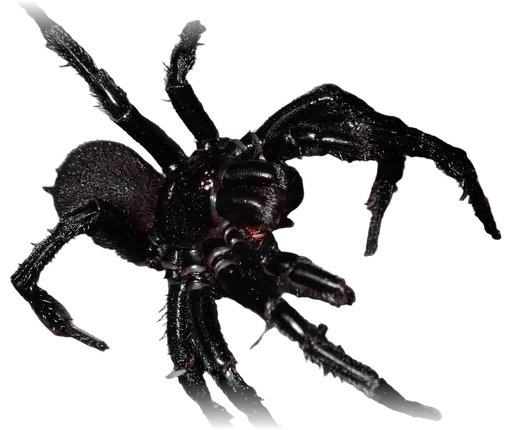 D vs Tarantula HawkWins · 53% · Toss-up
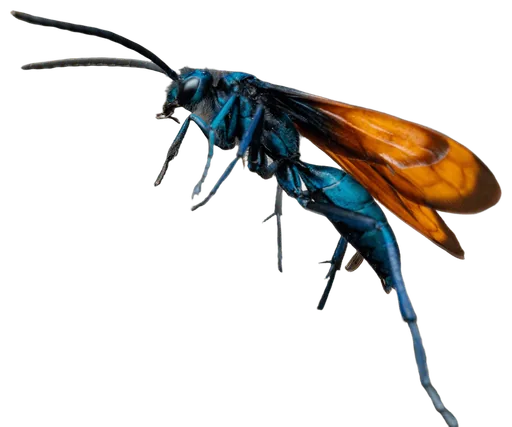 W vs Goliath BirdeaterLoses · 72% · Clear edge
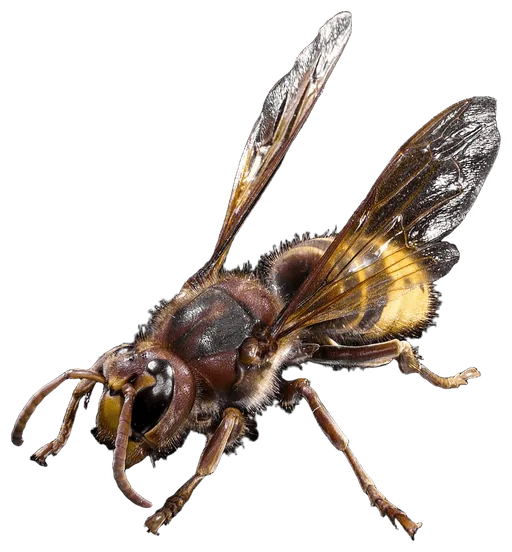
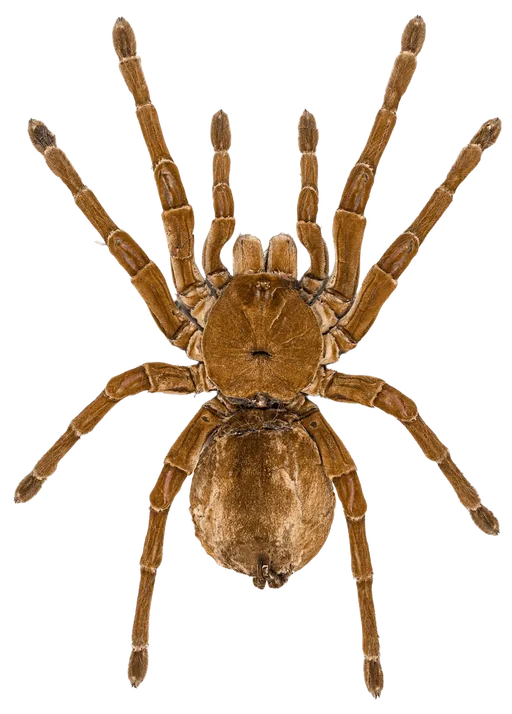 L vs HornetWins · 57% · Toss-up
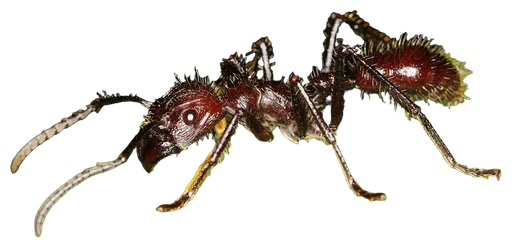
 W vs Bullet AntWins · 52% · Toss-up
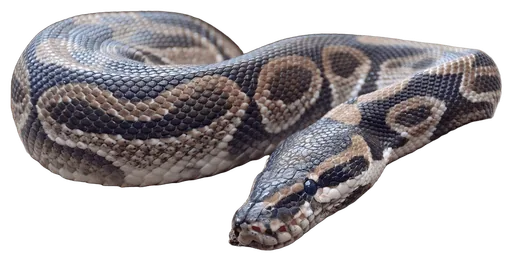
 W vs Ball PythonLoses · 82% · Clear edge
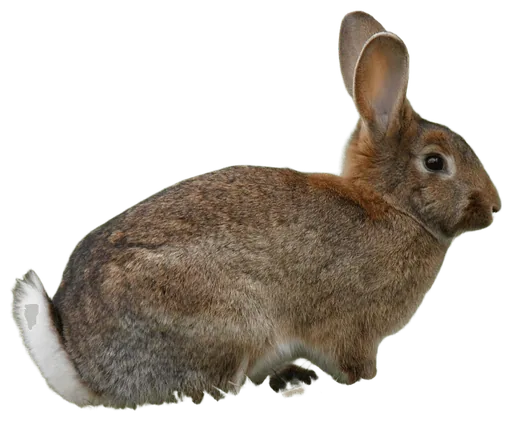
 L vs RabbitLoses · 83% · Clear edge
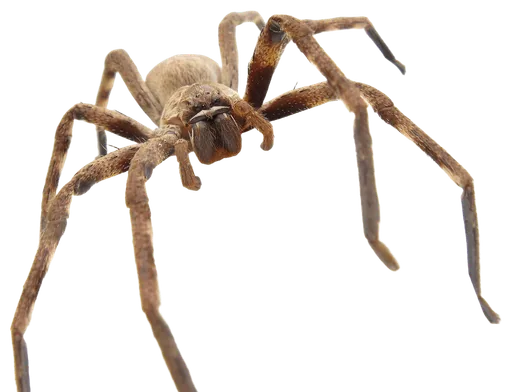
 L vs Huntsman SpiderLoses · 71% · Clear edge
 L
Deathstalker Scorpion battle analysis
At roughly two grams, the deathstalker is a useful test of whether Animal Battle Stats can distinguish proportional danger from absolute force. Its pincers cannot compete mechanically with the jaws, claws or hooves of larger roster animals, and its exoskeleton is not meaningful armor against a vertebrate strike. Almost all of its cross-size threat is concentrated in a millimeter-scale delivery system at the end of a highly mobile metasoma.
That system is formidable. Leiurus quinquestriatus sits near the extreme of measured scorpion venom potency, with mammalian LD50 estimates far below those of many other scorpions. Yet toxicity is not the same as automatic battle lethality. Assay route, venom quantity, opponent body mass, tissue penetration and taxon-specific susceptibility all change the outcome. This is why its Special score approaches the roster's elite ceiling while Attack stays low.
The animal's sensory biology completes the package. Ground-sweeping pectines, tactile hairs and vibration sensitivity let a nocturnal predator operate where vision is limited. In a crevice or under a stone against another arthropod, that combination can be devastating. In an exposed matchup against a bird, mammal or large reptile, the same animal is one accurate strike away from catastrophic damage. It is a chemical specialist, not a miniature tank.
Habitat & range
True L. quinquestriatus occupies dry desert and scrub habitats of North Africa and parts of the Middle East, using multiple substrate types but generally avoiding open sand dunes. It shelters beneath stones and in small/shallow burrows. Exact modern range should be interpreted conservatively because several populations historically called L. quinquestriatus have been reassigned within Leiurus.
Diet & hunting
A nocturnal terrestrial carnivore feeding primarily on insects and other small terrestrial invertebrates, including arachnids and sometimes other scorpions. It functions as both predator and prey in desert arthropod communities. Centipedes, other scorpions and vertebrate predators can kill it.
Social life
Primarily solitary outside reproductive encounters. Courtship relies on close tactile/substrate communication. A laboratory observational study reported gestation periods of 155-227 days and litters of 35-87 in seven females, expanding earlier reported ranges. As in scorpions generally, newborns ride on the mother's dorsum until after the first molt.
Conservation
No robust global population estimate or high-confidence current IUCN assessment was verified in this run. Avoid assigning a conservation category from weak secondary pages. Local collection and human persecution may occur, but population trend should remain unfilled until an authoritative assessment is located.
Quick answers
How strong is a Deathstalker Scorpion?
On the Animal Battle Stats scale, the Deathstalker Scorpion has an attack rating of 19 and a power index of 33.9 out of 100, which ranks it #306 of 344 animals and puts it in D tier (Underdog). Its strongest stat is special (96).
How much does a Deathstalker Scorpion weigh?
A typical adult Deathstalker Scorpion weighs about 2 g (0.1 oz). Rated specimen: healthy large adult female, 2.0 g and 9.0 cm total length.
How fast is a Deathstalker Scorpion?
There is no reliable measured top speed for the Deathstalker Scorpion, so we do not publish one. Its agility rating, which covers acceleration, reflexes and evasion, is 64 out of 100.
What does a Deathstalker Scorpion eat?
A nocturnal terrestrial carnivore feeding primarily on insects and other small terrestrial invertebrates, including arachnids and sometimes other scorpions. It functions as both predator and prey in desert arthropod communities. Centipedes, other scorpions and vertebrate predators can kill it.
What animals can beat a Deathstalker Scorpion?
Among its closest rivals, the Goliath Birdeater (72%), the Ball Python (82%), the Rabbit (83%), the Huntsman Spider (71%) would be favored against the Deathstalker Scorpion. It would be favored against the Tarantula Hawk, the Hornet, the Bullet Ant. It is dead even with the Sydney Funnel-web Spider: a draw.
Researched 2026-09-27. Ratings are editorial judgments built from these sources; measurements describe a healthy adult male.
- Lowe, Yağmur & Kovařík, 2014, A review of the genus Leiurus via PlaziAdult diagnosis 69-90 mm, female syntype 90 mm, telson/chela measurements, pectinal dimorphism, taxonomy
- Animal Diversity Web, Leiurus quinquestriatus1.0-2.5 g, habitat, burrow/shelter use, diet, vibration/tactile behavior, predators, lifespan uncertainty
- Jordan University of Science and Technology species accountRegional diagnosis, adult length, pectinal counts, Jordan occurrence
- Ward et al. 2017, Target-Specificity in ScorpionsComparative LD50 values and strong target-specificity warning
- van der Meijden et al. 2022, Smaller Body Sizes and Narrower Chelae Have Highest Venom Potency36-species comparison, L. quinquestriatus 0.16 mg/kg endpoint and extreme slender chelae
- The Scorpion Files, NTNUDry habitat, shelter, medically important venom, 0.16-0.50 mg/kg literature range
- Taib & Jarrar 1993Venom apparatus histology/histochemistry
- Said et al. 2025Sex differences in venom gland structure/protein profiles; tentative male-toxicity implication
- Peretti, Acosta & Benton 1999Sexual-cannibalism correction
- Shehab, Amr & Lindsell 2011Syrian desert scorpion ecology, inter/intraspecific predation context
- Ross 2009Gestation 155-227 d and litter 35-87 in seven laboratory females
- Gaffin et al. 2025General scorpion pectines process chemo/mechanosensory ground information
- Wikimedia Commons, Danny S.Exact-species candidate, 2212x2357, CC BY-SA 4.0
- Wikimedia Commons, RichardMcJimseyExplicit sub-adult female rejection candidate, 3957x2638, CC BY-SA 4.0
Photo: “Deathstalker (Leiurus quinquestriatus) 9.jpg” by מינוזיג, CC BY-SA 4.0, background removed and cropped. Original
Suggest a correction