
Cuttlefish
Sepia officinalisC tier · Capable3rd of 30 bugs & spiders
Size & speed

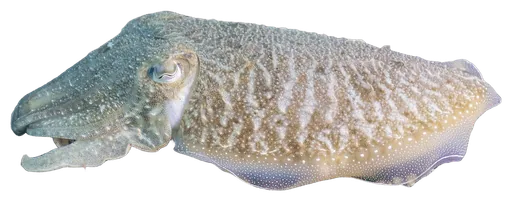
- Weight
- 2.5 kg6 lb
- Length
- 50 cm19.7 in
As heavy as 13 smartphones
Heavier than 29% of animalsAbout 1.7 rulers long
Bigger than 23% of animalsThe common cuttlefish is a 2-3 kg cephalopod built around deception, precision and behavioral flexibility rather than brute force. It stalks small prey with exceptional visual control, fires two retractile tentacles to seize targets, and secures them with eight arms and a hard beak. Against predators it can change color, pattern and skin texture, release ink and jet away. Laboratory work also shows strong learning and self-control, making Intelligence and Special its standout ABS categories while its soft body keeps Attack and Defense low.
Detailed ratings
Research-backed ratings on one 0–100 scale for all 344 animals (updated 2026-09-27). How ratings work


Card No. 201 of 344. Every animal on Animal Battle Stats has one: its power, tier and archetype on the front; its six battle stats, abilities and signature move on the back.
Special abilities
Chromatophores, structural reflectors and neurally controlled skin papillae rapidly alter color pattern and three-dimensional texture, reducing detection and disrupting targeting in visually complex habitat.
A threatened cuttlefish can release a visual ink screen and immediately use siphon jet propulsion to break line of attack, combining sensory disruption with burst repositioning.
Unique traits
The porous internal cuttlebone controls buoyancy, allowing low-energy hovering and precise depth management without converting the structure into fictional external armor.
Common cuttlefish combine learned prey valuation, reversal learning and demonstrated delayed gratification with a sit-and-wait hunting style, supporting unusually deliberate foraging decisions for an invertebrate.
How it fights
Weapons
- The common cuttlefish is an ambush predator of crustaceans, mollusks, fish and other cuttlefish. It visually tracks prey, approaches with controlled fin motion, positions the head and arms, then launches two feeding tentacles. The terminal clubs seize prey and retract it into the arm crown, where the eight arms secure it for the beak and radula.
- The weapon system is excellent for small aquatic prey but has a low absolute ceiling on a roster containing large vertebrates. A 2.5 kg soft-bodied cephalopod cannot receive medium-predator Attack merely because its tentacle strike is fast.
- Weight
- 2.5 kg6 lb
- Height
- No reliable measurement
- Length
- 50 cm19.7 in
- Top speed
- No reliable measurement
- Bite force
- No reliable measurement
- Lifespan
- 1.5 years
- Home biome
- Ocean
- Lifestyle
- Social
Rated specimen: Healthy mature large male from the temperate European part of the range, 2.5 kg, 40.0 cm mantle length, approximately 50.0 cm total relaxed body length.
Fun facts
- The color name sepia comes from cuttlefish ink.
- A common cuttlefish has eight arms plus two specialized retractile feeding tentacles.
- Large males can reach about 49 cm according to Monterey Bay Aquarium.
- Experimental cuttlefish waited as long as 130 seconds for preferred prey in a delayed-gratification task.
- The animals can change not only skin pattern but also three-dimensional skin texture using papillae.
- Wild male contests can escalate from zebra displays to biting and inking.
Closest rivals by power. Tap one for the full breakdown, or pick any opponent.
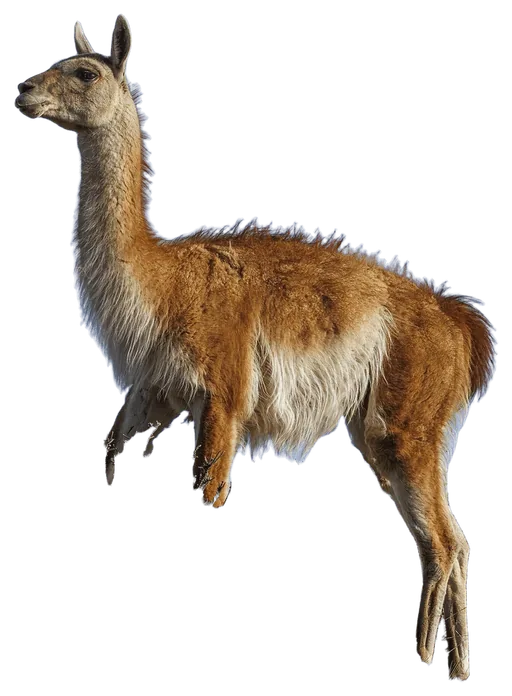
vs RavenWins · 54% · Toss-up 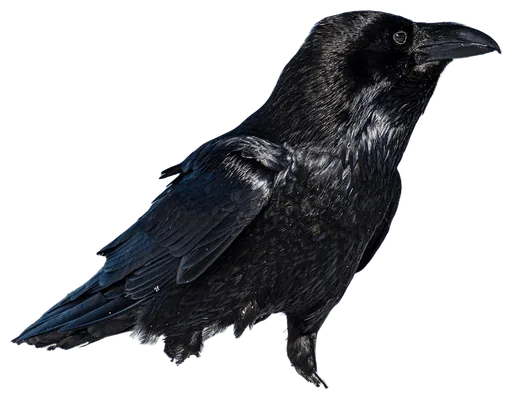 W vs GuanacoLoses · 71% · Clear edge
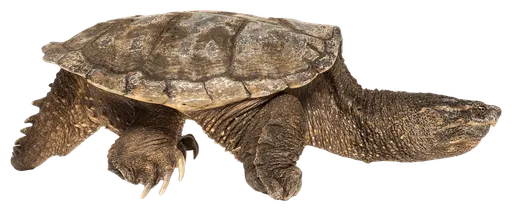
 L vs Snapping TurtleLoses · 59% · Slight edge
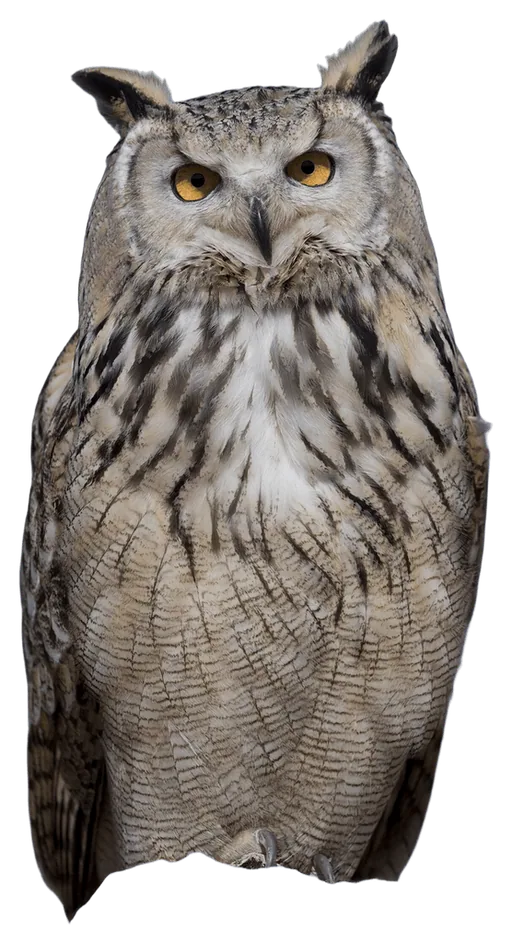
 L vs Great Horned OwlWins · 52% · Toss-up
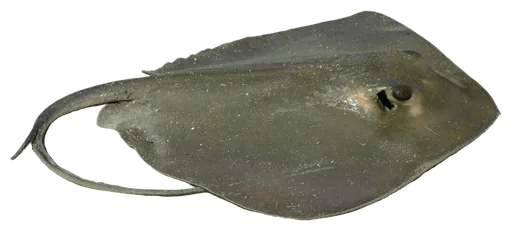
 W vs StingrayLoses · 65% · Slight edge
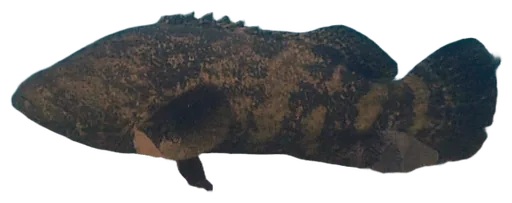
 L vs Goliath GrouperLoses · 72% · Clear edge
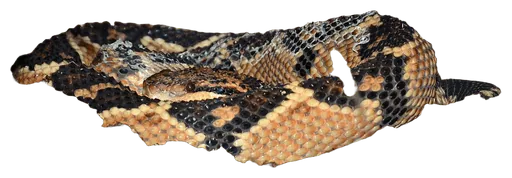
 L vs BushmasterLoses · 54% · Toss-up
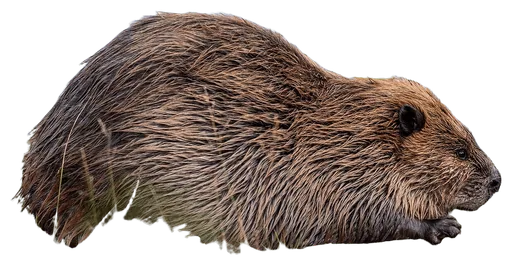
 L vs BeaverLoses · 63% · Slight edge
 L
Cuttlefish battle analysis
The cuttlefish is a useful ABS calibration case because it is extraordinarily capable without being physically powerful in absolute terms. Its body mass is only a few kilograms and most of its exposed anatomy is soft. That sharply limits Raw Power, Protection, Attack and Defense when compared with wolves, big cats, apes, crocodilians or megafauna.
What the animal does possess is control. Its long mantle fin provides precise low-speed positioning while the siphon supplies a separate burst-mobility system. The two feeding tentacles can launch from a concealed posture, grab small prey and retract it into an eight-arm cage. This is highly effective predation at the correct scale, but it does not justify pretending the beak has a fabricated PSI value or that the animal can overpower much larger vertebrates.
Its defensive system is even more specialized. Common cuttlefish do not merely turn brown. Experiments show visually controlled selection of camouflage patterns and three-dimensional papillae expression. Pattern change, texture change, burial, ink and jet escape form a layered sequence that can prevent or break targeting. ABS therefore gives Special a near-elite score while keeping passive Defense low. Avoidance is not armor.
Cognition adds another layer. In controlled experiments S. officinalis learned discrimination reversals and delayed taking an immediately available food item for up to 50-130 seconds when a preferred reward would become available. Other work summarized in the same literature documents what-where-when memory and flexible prey scheduling. These findings justify a very high Intelligence rating, but not a vertebrate-like physical score. The resulting profile is deliberately polarized: low absolute force and toughness, elite aquatic maneuverability, elite cognition, and an exceptional camouflage/escape toolkit.
Habitat & range
The species is neritic and demersal, occurring from the subtidal zone to about 200 m. Its accepted range centers on the eastern Atlantic and Mediterranean, extending through the North Sea and into parts of the Baltic and along northwestern Africa. Sandy and muddy bottoms, seagrass and other structured coastal habitats provide concealment and spawning substrate.
Diet & hunting
Common cuttlefish are carnivorous and take shrimp, crabs, other crustaceans, snails, clams, fish and other cuttlefish. They are important mid-level predators and also prey for larger fishes, sharks, marine mammals and cephalopods. Seasonal movements bring adults into shallower coastal water for spawning and into deeper water at other times.
Social life
They are not permanently social, but reproduction creates intense interactions. Mature males use conspicuous zebra signaling and may physically contest access to females. Females attach clusters of eggs to substrate. Development and growth are strongly temperature dependent, and adults generally die after the reproductive period, producing a short, fast life history.
Conservation
Monterey Bay Aquarium reports the common cuttlefish as Least Concern under the IUCN assessment it cites, while emphasizing heavy Mediterranean fishing and the species' commercial importance. It is harvested for food in many countries. Its dark ink historically supplied sepia pigment, and washed-up cuttlebones remain familiar calcium/mineral supplements for captive birds.
Quick answers
How strong is a Cuttlefish?
On the Animal Battle Stats scale, the Cuttlefish has an attack rating of 27 and a power index of 48.9 out of 100, which ranks it #201 of 344 animals and puts it in C tier (Capable). Its strongest stat is special (93).
How much does a Cuttlefish weigh?
A typical adult Cuttlefish weighs about 2.5 kg (6 lb). Rated specimen: Healthy mature large male from the temperate European part of the range, 2.5 kg, 40.0 cm mantle length, approximately 50.0 cm total relaxed body length.
How fast is a Cuttlefish?
There is no reliable measured top speed for the Cuttlefish, so we do not publish one. Its agility rating, which covers acceleration, reflexes and evasion, is 91 out of 100.
What does a Cuttlefish eat?
Common cuttlefish are carnivorous and take shrimp, crabs, other crustaceans, snails, clams, fish and other cuttlefish. They are important mid-level predators and also prey for larger fishes, sharks, marine mammals and cephalopods. Seasonal movements bring adults into shallower coastal water for spawning and into deeper water at other times.
Is the Cuttlefish endangered?
No. The Cuttlefish is listed as Least Concern. Monterey Bay Aquarium reports the common cuttlefish as Least Concern under the IUCN assessment it cites, while emphasizing heavy Mediterranean fishing and the species' commercial importance. It is harvested for food in many countries. Its dark ink historically supplied sepia pigment, and washed-up cuttlebones remain familiar calcium/mineral supplements for captive birds.
What animals can beat a Cuttlefish?
Among its closest rivals, the Guanaco (71%), the Snapping Turtle (59%), the Stingray (65%), the Goliath Grouper (72%), the Bushmaster (54%), the Beaver (63%) would be favored against the Cuttlefish. It would be favored against the Raven, the Great Horned Owl.
Researched 2026-09-27. Ratings are editorial judgments built from these sources; measurements describe a healthy adult male.
- Monterey Bay Aquarium, Common cuttlefishTaxon, diet, range, size, tentacle strike, camouflage, life-history temperature effects, fisheries
- Animal Diversity Web, Sepia officinalisMorphology, geographic size variation, depth, adult male patterning
- SeaLifeBase, Sepia officinalisMaximum mass/mantle length, common fishery size, habitat/range
- MarLIN, Common cuttlefishLifespan, post-spawning mortality, maturity/recruitment
- Schnell et al. 2021, Proceedings BSelf-control, discrimination/reversal learning, cognition
- Allen et al. 2009, Journal of Comparative Physiology A3D skin papillae and visual camouflage control
- Visual perception and camouflage response, 20213D visual scene classification/camouflage
- Adamo et al. 2006, Biological BulletinContext-sensitive hunting patterning
- Allen et al. 2017, American NaturalistMale competition/fighting
- Marine Biological LaboratoryCuttlebone, arms/tentacles, fin, chromatophores
- Wikimedia Commons, Diego Delso DD 141Image taxon, resolution, provenance/license
Photo: “Sepia común (Sepia officinalis), franja marina Teno-Rasca, Tenerife, España, 2022-01-09, DD 24.jpg” by Diego Delso, CC BY-SA 4.0, background removed and cropped. Original
Suggest a correction