
Coyote
Canis latransC tier · Capable92nd of 163 mammals
Size & speed

- Weight
- 15 kg33 lb
- Length
- 1 m3.3 ft
- Top speed
- 72 km/h45 mph
As heavy as 3.3 house cats
Heavier than 50% of animalsAbout 3.3 rulers long
Bigger than 44% of animals1.6× Usain Bolt's top speed
Faster than 93% of animalsA fast, lean and exceptionally versatile North American canid, the coyote wins through mobility, endurance, sharp senses and tactical flexibility rather than brute force. Its bite is dangerous to smaller prey, but its modest mass and lack of armor make direct fights with larger predators unfavorable.
Detailed ratings
Research-backed ratings on one 0–100 scale for all 344 animals (updated 2026-09-27). How ratings work


Card No. 156 of 344. Every animal on Animal Battle Stats has one: its power, tier and archetype on the front; its six battle stats, abilities and signature move on the back.
Special abilities
Shifts between solitary foraging, paired hunting and family-associated behavior, while changing prey and resource use with habitat and season. This increases tactical options rather than raw force.
Howls, yips and other vocal signals support territory advertisement, mate/family contact and coordination. In a one-on-one battle this is mainly a situational awareness/communication specialization, not a damage multiplier.
Unique traits
One of North America’s most successful large-mammal urban colonizers, able to exploit heavily modified landscapes while retaining natural prey use.
A narrow, digitigrade, long-legged build emphasizes economical travel, speed and evasive movement over wolf-like mass and overpowering strength.
How it fights
Weapons
- The coyote’s main weapon is a canid bite delivered through long canines and a jaw/dentition system capable of seizing vertebrate prey and processing flesh and bone. Forelimbs can brace and paw, but they are not specialized grappling weapons. A lone 15 kg coyote is optimized for killing rodents, rabbits and other smaller prey, not for overpowering similarly sized robust felids or large ungulates head-on.
- Coyotes can take larger prey under favorable conditions, particularly vulnerable juveniles or when multiple coyotes cooperate. Grand Canyon NPS notes predation on elk, deer and pronghorn calves. This demonstrates ecological versatility, but does not justify rating an individual coyote as though it has wolf-level prey-subduing power.
Struggles vs
- Low absolute mass and limited stopping power against large animals.
- No armor and modest structural protection.
- Bite is the primary damaging weapon, requiring dangerous close contact.
- Less grappling specialization than similarly sized felids.
- Group hunting benefits disappear in a strict one-animal matchup.
- Weight
- 15 kg33 lb
- Height
- 50 cm19.7 in
- Length
- 1 m3.3 ft
- Top speed
- 72 km/h45 mph
- Bite force
- No reliable measurement
- Lifespan
- 6 years
- Home biome
- Savanna
- Lifestyle
- Social
Rated specimen: Healthy mature adult male, 15.0 kg, representing a robust western/central adult rather than an unusually large eastern hybrid-influenced animal.
Fun facts
- A Durango telemetry study found adult males averaged about 16.5 km of travel per day.
- Coyotes can persist in dense metropolitan landscapes while still consuming substantial natural prey.
- Their tail is roughly half the head-body length in ADW’s morphological description and is typically carried below the back while running.
- Both parents help feed and protect pups.
- Coyotes have expanded across much of North America despite intensive historical eradication efforts.
- Badger-coyote hunting associations are real observations in some places, but a 2026 Kansas study found they are not a universal regional pattern.
Closest rivals by power. Tap one for the full breakdown, or pick any opponent.
vs RottweilerLoses · 57% · Toss-up  L vs BaboonLoses · 53% · Toss-up
 L vs CheetahLoses · 55% · Toss-up
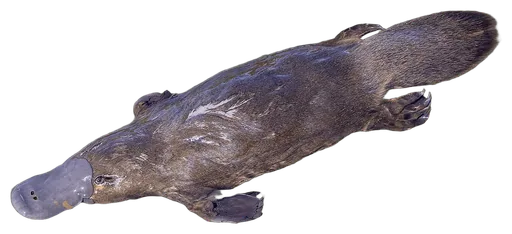
 L vs PlatypusWins · 64% · Slight edge
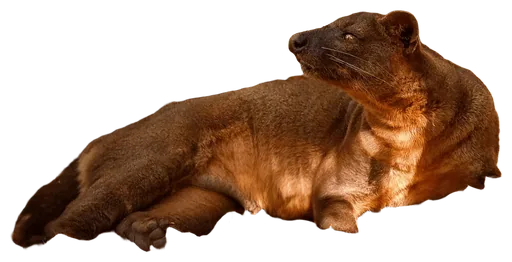
 W vs FossaWins · 55% · Toss-up
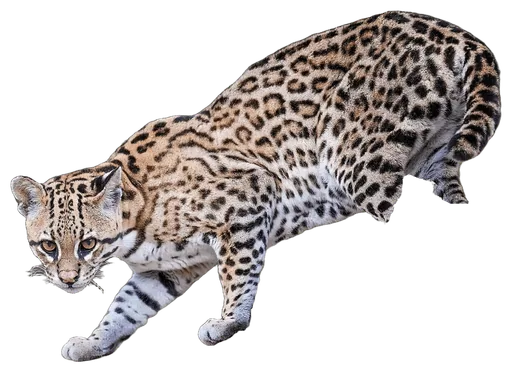
 W vs OcelotLoses · 51% · Toss-up
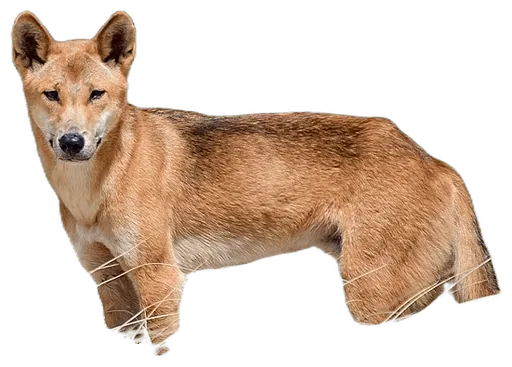
 L vs DingoLoses · 53% · Toss-up
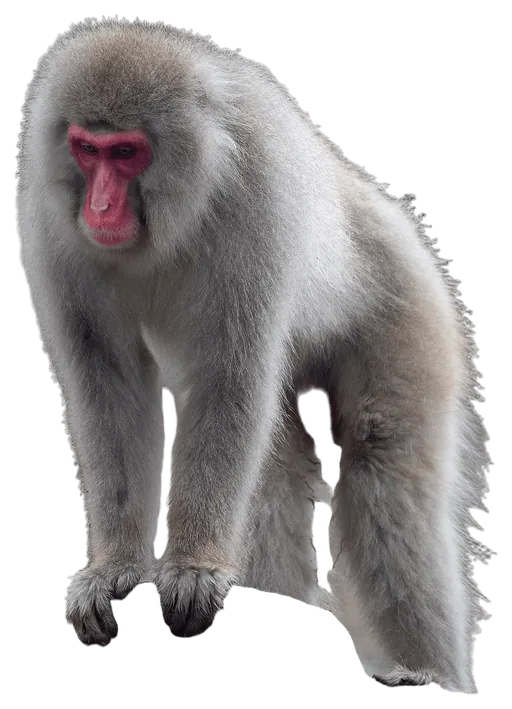
 L vs Japanese MacaqueWins · 53% · Toss-up
 W
Coyote battle analysis
The coyote is a survivor built around options. At roughly 15 kg in the canonical male, it lacks the mass to wrestle with the roster’s heavy predators, yet it combines fast digitigrade movement, strong travel endurance, keen sensory awareness and one of the most flexible behavioral repertoires among medium carnivores. It can hunt alone, pair opportunistically, maintain a family territory, shift diet across seasons, and navigate landscapes ranging from desert to downtown.
That flexibility matters in a matchup because the coyote does not need to solve every problem by charging. It can circle, disengage, test distance and exploit fatigue. Its weakness is the moment the fight becomes a committed grapple. Unlike a cat of comparable size it lacks specialized forelimb grappling weapons, and unlike a wolf it lacks the mass and jaw apparatus of a much larger canid. Its best battles are mobile contests against smaller or similarly light opponents, while armor, large size, heavy grappling and punishing counterattacks sharply reduce its options.
Habitat & range
Coyotes occupy an exceptionally broad range of North and Central American environments, including grasslands, deserts, forests, mountains, agricultural land, suburbs and major cities. Their geographic expansion has been aided by landscape change and historical removal of larger carnivores in some regions.
Diet & hunting
They are opportunistic omnivores. Rodents, rabbits and other small mammals are major prey, with birds, reptiles, amphibians, insects, carrion, fruit and other plant matter also consumed. Deer and other ungulates may appear as carrion or vulnerable prey, especially calves/fawns. Modern urban diet studies show that anthropogenic food can contribute substantially in some territories, but natural prey often remains important.
Social life
Coyotes can live in family groups while frequently foraging alone. Pair bonds can persist for years. Both parents provision and protect young, and juveniles can remain associated with parents long enough for an extended learning period.
Conservation
The species is widely distributed and not globally threatened. Local mortality commonly includes vehicles, persecution/control, disease and other human-associated causes. Its continued range expansion is a major example of carnivore resilience to landscape modification.
Quick answers
How strong is a Coyote?
On the Animal Battle Stats scale, the Coyote has an attack rating of 38 and a power index of 51.8 out of 100, which ranks it #156 of 344 animals and puts it in C tier (Capable). Its strongest stat is agility (82).
How much does a Coyote weigh?
A typical adult Coyote weighs about 15 kg (33 lb). Rated specimen: healthy mature adult male, 15.0 kg, representing a robust western/central adult rather than an unusually large eastern hybrid-influenced animal.
How fast is a Coyote?
The Coyote's top speed is about 72 km/h (45 mph). Its agility rating is 82 out of 100.
What does a Coyote eat?
They are opportunistic omnivores. Rodents, rabbits and other small mammals are major prey, with birds, reptiles, amphibians, insects, carrion, fruit and other plant matter also consumed. Deer and other ungulates may appear as carrion or vulnerable prey, especially calves/fawns. Modern urban diet studies show that anthropogenic food can contribute substantially in some territories, but natural prey often remains important.
What animals can beat a Coyote?
Among its closest rivals, the Rottweiler (57%), the Baboon (53%), the Cheetah (55%), the Ocelot (51%), the Dingo (53%) would be favored against the Coyote. It would be favored against the Platypus, the Fossa, the Japanese Macaque.
Researched 2026-09-27. Ratings are editorial judgments built from these sources; measurements describe a healthy adult male.
- Yellowstone National Park, NPSmass, shoulder height, average lifespan, ecology
- Grand Canyon National Park, NPSmass, height, prey
- NPS Coyotes articlemaximum speed, diet
- Animal Diversity Webtaxonomy, dimensions, dimorphism, dentition, reproduction
- Servín et al., Journal of Mammalogy (2003)endurance / daily movement
- Chamberlain et al. (2021)movement variation
- Reed et al., Wildlife Biology (2023)urban diet flexibility
- Caspi et al., Ecosphere (2025)urban individual/territory diet flexibility
- Werdel et al., Wildlife Letters (2026)coyote-badger claim calibration
- Commons, Alpha Male Coyoteimage candidate
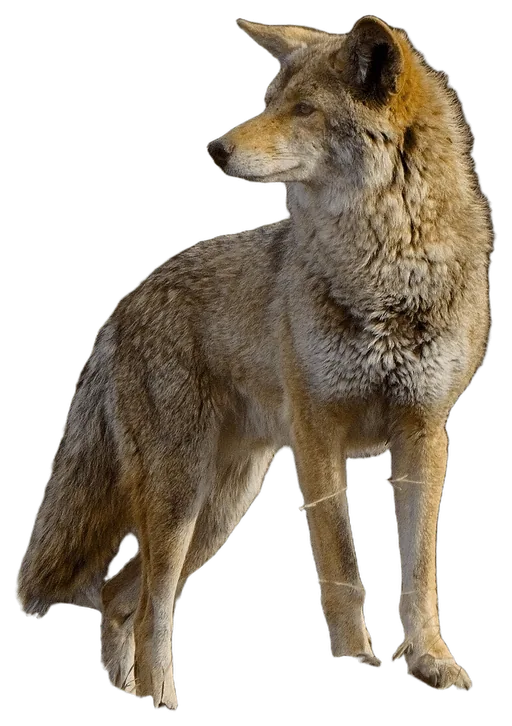
Photo: “Alpha Male Coyote by Don Green (49736243467).jpg” by Channel City Camera Club from Santa Barbara, US, CC BY 2.0, background removed and cropped. Original
Suggest a correction