
Cougar
Puma concolorB tier · Strong53rd of 163 mammals
Size & speed

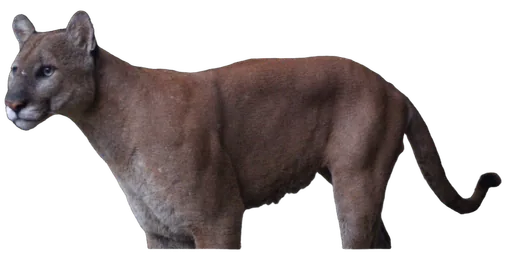
- Weight
- 70 kg154 lb
- Length
- 2.2 m7.2 ft
About as heavy as a person
Heavier than 69% of animalsAbout as long as a person is tall
Bigger than 76% of animalsThe cougar is a 70 kg-class solitary ambush cat built around stealth, explosive jumping, forelimb grappling and a killing neck bite. Its greatest matchup advantages are agility, terrain control and attack efficiency rather than armor or brute megafaunal force. It routinely kills deer-sized prey, caches carcasses and occupies environments from mountains and forests to deserts, but avoids prolonged frontal conflict with larger carnivores when possible.
Detailed ratings
Research-backed ratings on one 0–100 scale for all 344 animals (updated 2026-09-27). How ratings work


Card No. 86 of 344. Every animal on Animal Battle Stats has one: its power, tier and archetype on the front; its six battle stats, abilities and signature move on the back.
Special abilities
Long hind limbs and powerful jumping let the cougar close gaps, attack from broken terrain and rapidly change elevation. NPS reports up to 18 ft vertical and 40 ft horizontal leaps; ABS treats these as institutional capability figures, not laboratory maxima.
A close stalk followed by forelimb anchoring and a suffocating neck bite concentrates the cougar's weapons on a vulnerable target region and makes surprise disproportionately valuable.
Unique traits
Puma concolor occupies an enormous geographic and habitat range, reflecting exceptional behavioral and ecological flexibility for a large solitary cat.
Cougars commonly conceal substantial kills and return over multiple feeding bouts, reducing waste and scavenger loss while managing the high energetic cost of large-prey hunting.
How it fights
Weapons
- The primary weapon system is forelimb grapple plus canine neck bite. The cat closes from concealment, explodes into a pounce, anchors with claws and forelimbs, and uses powerful neck/jaw musculature to control the head/neck region. Secondary damage comes from clawing, raking, biting during a scramble and the impact of a body-mass pounce.
Struggles vs
- 70 kg canonical mass creates a hard absolute-power ceiling against large bears, bovids and megafauna
- No true protective armor
- Killing system requires close contact and sustained control
- Burst-oriented predation is less suited to prolonged pursuit
- Solitary fighting provides no pack/coalition advantage
- Weight
- 70 kg154 lb
- Height
- 70 cm27.6 in
- Length
- 2.2 m7.2 ft
- Top speed
- No reliable measurement
- Bite force
- No reliable measurement
- Lifespan
- 10 years
- Home biome
- Mountains
- Lifestyle
- Mostly solitary, nocturnal
Rated specimen: A mature male is the canonical combat specimen because males are materially larger and are the primary territorial fighting sex.
Fun facts
- Cougar, puma, mountain lion and catamount all refer to Puma concolor.
- Cougars can purr but cannot produce the true roar characteristic of Panthera big cats.
- Rocky Mountain NPS reports jumps as high as 18 ft vertically and 40 ft horizontally.
- Yellowstone males average shorter lives than females, roughly 8-10 versus 12-14 years.
- Santa Monica Mountains NPS reports mule deer accounting for 87% of more than 700 analyzed kills in that local study.
- In one California study, pumas cached 61.5% of 352 documented kills.
Closest rivals by power. Tap one for the full breakdown, or pick any opponent.
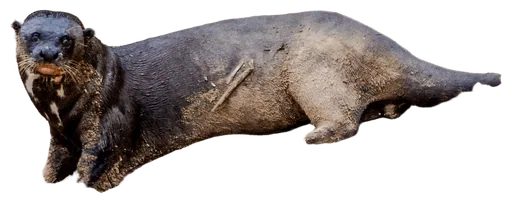
vs ZebraLoses · 58% · Slight edge 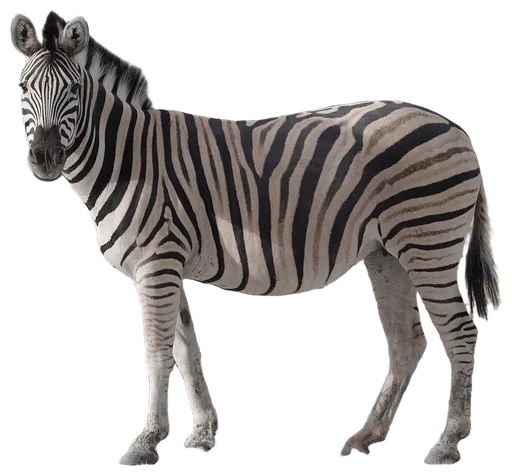 L vs Giant OtterWins · 54% · Toss-up
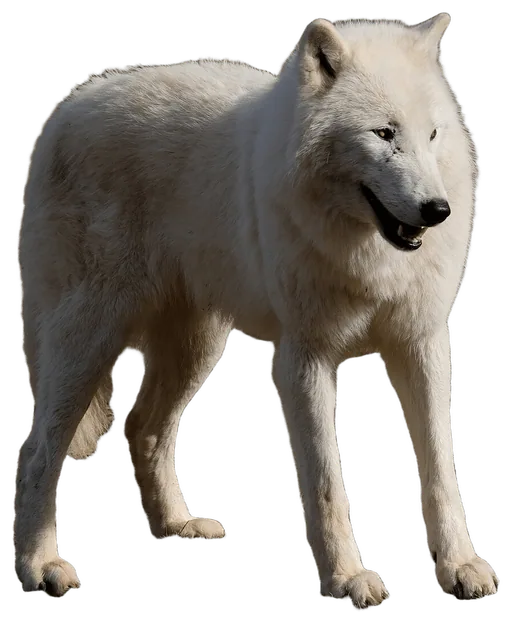
 W vs Arctic WolfWins · 54% · Toss-up
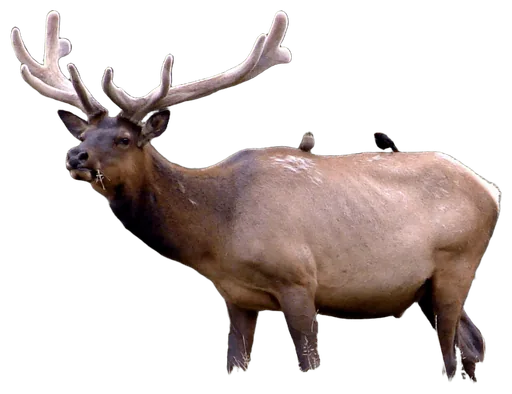
 W vs ElkLoses · 58% · Slight edge
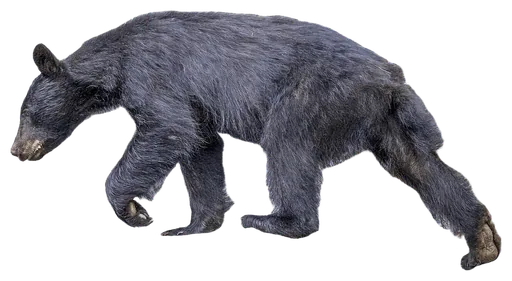
 L vs Black BearLoses · 55% · Toss-up
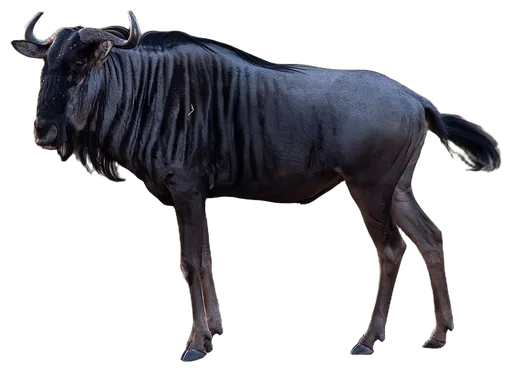
 L vs WildebeestLoses · 59% · Slight edge
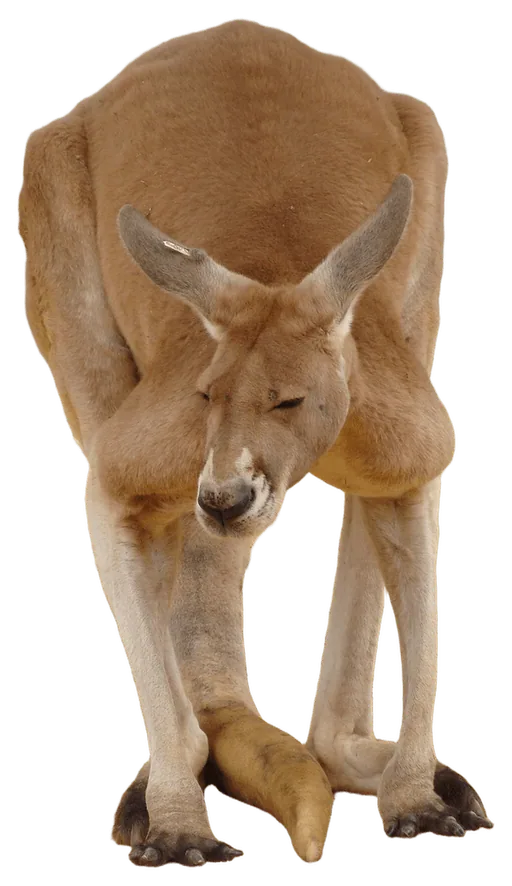
 L vs KangarooLoses · 53% · Toss-up
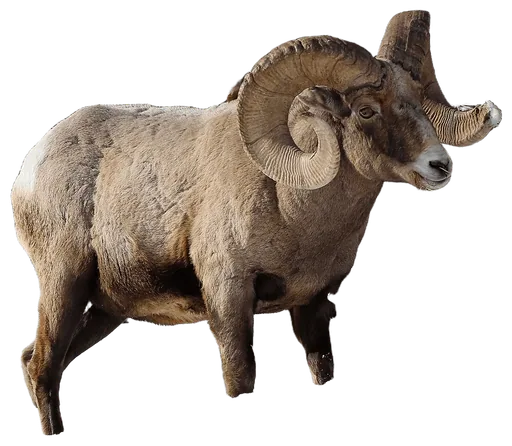
 L vs Bighorn SheepLoses · 55% · Toss-up
 L
Cougar battle analysis
A cougar wins by controlling the opening seconds. It uses cover and low light to erase distance, then converts powerful hind limbs into a sudden pounce. Forelimbs and retractile claws stabilize the target while the jaws seek the neck. This is a highly optimized predatory sequence, but it should not be confused with unlimited raw strength. At roughly 70 kg, the canonical male remains physically outscaled by large bears, the largest big cats, bovids and megafauna.
Its defensive strategy is similarly active rather than structural. A cougar has no armor. It survives through detection, positioning, balance, climbing, jumping and a willingness to disengage when a fight becomes uneconomical. That is why its Agility is elite while Defense is only low-to-moderate on the absolute roster scale.
Behavior adds another layer. Cougars select ambush sites, cache prey, return to kills, adjust activity around competitors and people, and defend territories. Those behaviors justify good Intelligence/Tactics without importing human-like cognition. Overall, the cougar is a dangerous medium-large predator whose battle profile is strongest when surprise and terrain let it apply a precise close-range kill system before a heavier opponent can impose a frontal contest.
Habitat & range
Cougars occupy forests, mountains, deserts, scrub, swamps and other habitats from Canada through much of Central and South America. They require adequate prey and sufficient cover or terrain structure for stalking. CatSG lists the species as Least Concern globally, while emphasizing regional fragmentation, conflict, hunting and prey depletion.
Diet & hunting
Cougars are obligate carnivores and major predators of ungulates. Deer are especially important in many North American populations, with elk, bighorn sheep, peccaries, livestock and smaller mammals also taken depending on region. Their kills support scavenger communities, making the cougar an important ecological energy-transfer agent.
Social life
Primarily solitary outside mating and maternal care. Adult male ranges overlap female ranges but males compete strongly with other males. Scent marks, scrapes and other signals reduce unnecessary direct fights.
Conservation
The species remains broadly distributed but was historically eliminated from much of eastern North America. Roads, habitat fragmentation, prey depletion, persecution and livestock conflict remain important pressures. CatSG lists the puma as Least Concern globally and CITES Appendix II. Human attacks are rare relative to the species' geographic overlap with people, and cougars commonly avoid humans.
Quick answers
How strong is a Cougar?
On the Animal Battle Stats scale, the Cougar has an attack rating of 55 and a power index of 58.2 out of 100, which ranks it #86 of 344 animals and puts it in B tier (Strong). Its strongest stat is agility (92).
How much does a Cougar weigh?
A typical adult Cougar weighs about 70 kg (154 lb). Rated specimen: A mature male is the canonical combat specimen because males are materially larger and are the primary territorial fighting sex.
How fast is a Cougar?
There is no reliable measured top speed for the Cougar, so we do not publish one. Its agility rating, which covers acceleration, reflexes and evasion, is 92 out of 100.
What does a Cougar eat?
Cougars are obligate carnivores and major predators of ungulates. Deer are especially important in many North American populations, with elk, bighorn sheep, peccaries, livestock and smaller mammals also taken depending on region. Their kills support scavenger communities, making the cougar an important ecological energy-transfer agent.
Is the Cougar endangered?
No. The Cougar is listed as Least Concern. The species remains broadly distributed but was historically eliminated from much of eastern North America. Roads, habitat fragmentation, prey depletion, persecution and livestock conflict remain important pressures. CatSG lists the puma as Least Concern globally and CITES Appendix II. Human attacks are rare relative to the species' geographic overlap with people, and cougars commonly avoid humans
What animals can beat a Cougar?
Among its closest rivals, the Zebra (58%), the Elk (58%), the Black Bear (55%), the Wildebeest (59%), the Kangaroo (53%), the Bighorn Sheep (55%) would be favored against the Cougar. It would be favored against the Giant Otter, the Arctic Wolf.
Researched 2026-09-27. Ratings are editorial judgments built from these sources; measurements describe a healthy adult male.
- Animal Diversity Web, Puma concolorSex dimorphism, mass, head-body/tail length, dentition
- Yellowstone NPS, CougarAdult sex-specific mass, total length, lifespan, prey, competitors
- Bighorn Canyon NPS, Mountain LionsAdult male size, claws
- Rocky Mountain NPS, Mountain LionsJumping, stalking, kill mechanics
- USGS, estimating cougar predation ratesKill frequency
- USGS, puma diet in SonoraPrey ecology
- USGS, food caching by solitary carnivoreCaching behavior
- PubMed, human super-predator playbackRisk sensitivity / behavioral flexibility
- IUCN Cat Specialist Group, PumaRange/conservation
- NPS Puma Profile P-1Image specimen age/sex and adult provenance
- Wikimedia Commons, P-1Image dimensions/license/original
Photo: “Adult Male Florida Panther on Florida Panther National Wildlife Refuge (26366571604).jpg” by USFWS/Southeast, Public domain, background removed and cropped. Original
Suggest a correction