

Corn Snake
Pantherophis guttatus
 #317 of 344
  Forest Constrictor Least Concern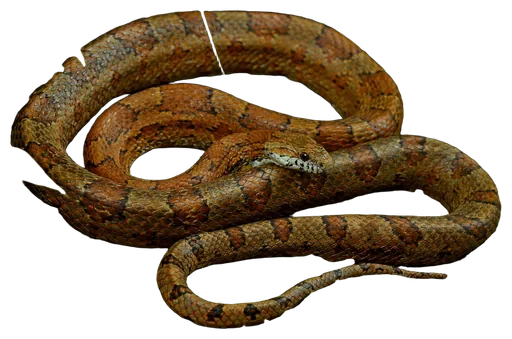
 Fight
FightPhoto: Peter Paplanus · CC BY 2.0
The corn snake is a slender, brightly patterned rat snake from the southeastern United States. A 0.5 kg adult male climbs trees, prowls rodent burrows at night and kills mice and rats by constriction, but it has no venom or armor and is far too small to threaten large animals. When cornered it bluffs with a buzzing tail and foul musk.
 Attack18
  Defense12
  Agility58
  Stamina45
  Intelligence42
  Special48
 Detailed ratings
Research-backed ratings on one 0–100 scale for all 344 animals (updated 2026-09-28). How ratings work
Special abilities
Ability 1Branch-Grip ClimbIt climbs trees, cliffs and buildings by gripping branches in a stop-and-grip concertina movement, reaching nests and escaping ground predators.
 Ability 2Musk and Rattle Bluff
When threatened it vibrates its tail against dry leaves, making a rattle-like buzz, and releases a foul-smelling musk that can put off a predator.
Unique traits
 TraitMaze-Learning Snake
Young corn snakes learned to find a hidden open shelter in an eight-hole arena within 16 trials, evidence that snakes can learn spatial tasks well.
TraitCheckerboard BellyIts belly is patterned with alternating black and white marks like kernels of Indian corn, one explanation for its name.
How it fights
Weapons
- The corn snake is a constrictor. It bites to get a grip, then quickly coils around the prey and squeezes until it is subdued; small prey may be swallowed alive. Rodents make up over half of the diet in most areas, along with moles, birds and their eggs, lizards and frogs. A study of kingsnakes and ratsnakes, including corn snakes, found similar pulling strength in all species but significantly higher constriction pressures in kingsnakes, so the corn snake is a capable but not exceptional constrictor. Its muscles sit at lengths that favour force as the coil tightens.
 Struggles vs
- Small, slender body with little absolute power.
- No armor or venom.
- Hunted by foxes, opossums, skunks, bobcats, weasels and hawks.
- Constriction weaker than that of kingsnakes of similar size.
- Weight
- 500 g17.6 oz
- Height
- No reliable measurement
- Length
- 1.2 m3.9 ft
- Top speed
- No reliable measurement
- Bite force
- No reliable measurement
- Lifespan
- 12 years
- Home biome
- Forest
- Lifestyle
- Mostly solitary, nocturnal
Rated specimen: Healthy mature adult male, 0.5 kg and 120.0 cm total length, representing a well-grown wild adult rather than a record animal.
Fun facts
- Its belly pattern looks like the kernels of Indian corn, which may be how it got its name.
- The oldest known corn snake lived 32 years and 3 months in captivity.
- When scared it shakes its tail against dry leaves, buzzing like a rattlesnake.
- It can climb trees to raid bird nests.
- Young corn snakes learned a shelter-finding maze in just 16 trials.
- It is so popular as a pet that it is a banned invasive pest in parts of Australia.
Closest rivals by power. Tap one for the full breakdown, or pick any opponent.
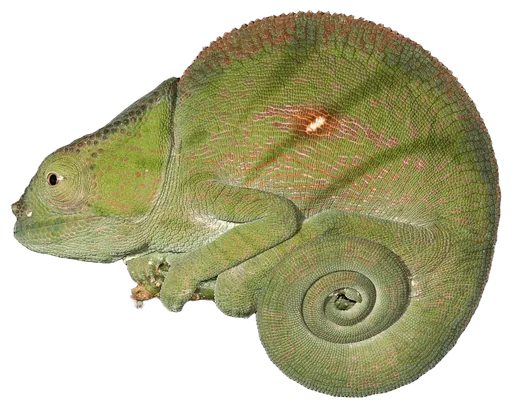
vs Red-eared SliderWins · 50% · Toss-up 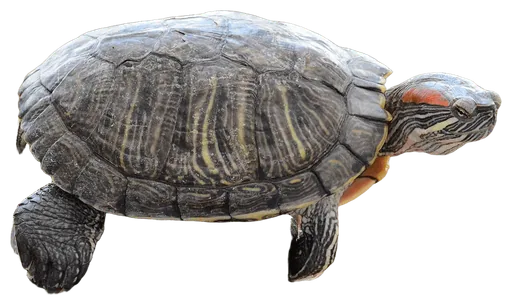 W vs ChameleonLoses · 51% · Toss-up
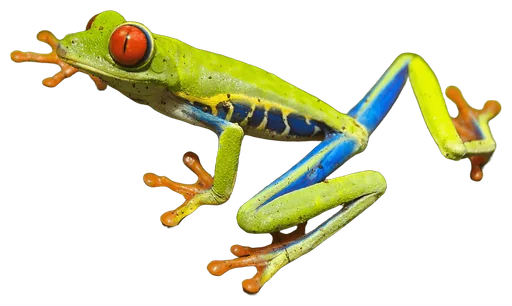
  L vs Red-Eyed Tree FrogWins · 50% · Toss-up
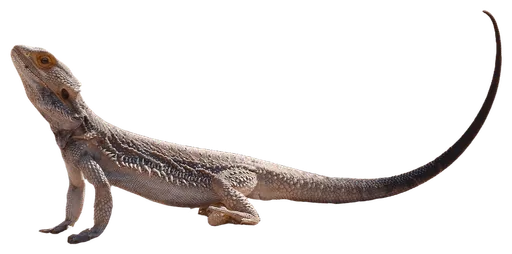
  W vs Bearded DragonWins · 53% · Toss-up
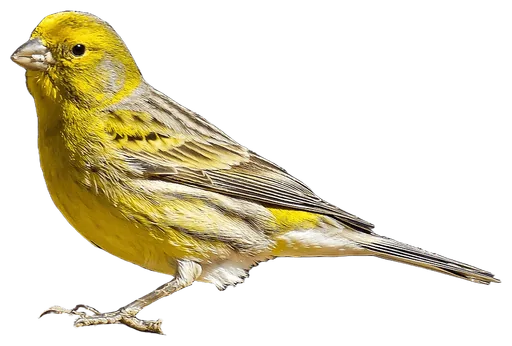
  W vs CanaryLoses · 51% · Toss-up
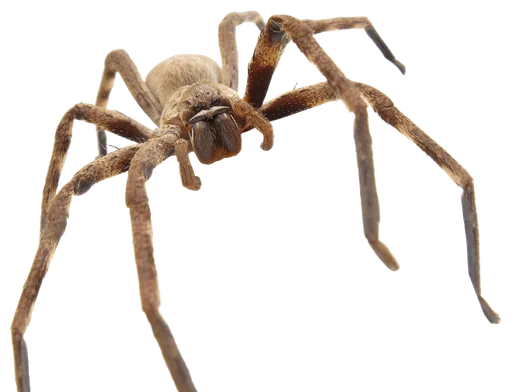
  L vs Huntsman SpiderLoses · 51% · Toss-up
  L vs HellbenderWins · 51% · Toss-up
 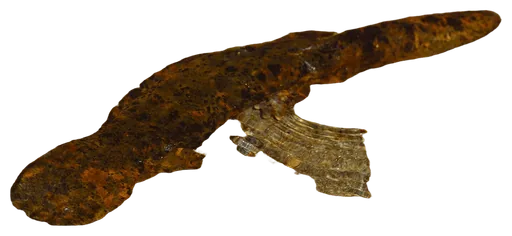 W vs Japanese Spider CrabWins · 51% · Toss-up
 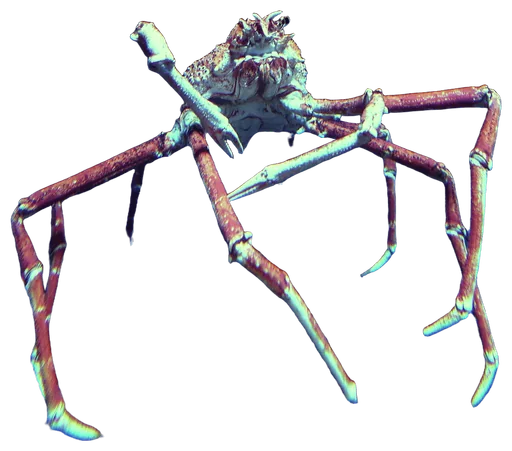 W
W  Pick any opponent
 Corn Snake battle analysis
The corn snake is a quiet specialist in small places. It spends much of its life underground, sliding through the tunnels of mice and cotton rats, or tucked under loose bark and in the walls of old barns. At night it hunts by scent, flicking its tongue to follow a rodent's trail, then bites, wraps its coils around the prey and squeezes. It is just as happy in a tree, gripping branches in a stop-and-go climb to reach a bird's nest.
Its weapons stop there. Kingsnakes, which often eat other snakes, squeeze harder than corn snakes of similar size, and the corn snake has no venom and no armor. When threatened it tries to look more dangerous than it is: it shakes its tail against dry leaves to make a rattling buzz and releases a foul musk. Foxes, bobcats, weasels, opossums and hawks all eat corn snakes regardless.
In ABS terms the corn snake has low Attack and Defense, solid Agility from its climbing and burrowing, and modest Stamina. Its Intelligence is decent for a snake, supported by experiments in which young corn snakes quickly learned to find a hidden shelter. Its Special score reflects constriction, climbing and its rattle-and-musk bluff rather than any rare weapon.
Habitat & range
The corn snake lives in the southeastern United States from New Jersey to the Florida Keys and west to Louisiana, in overgrown fields, forest openings, pine and palmetto flatwoods, rocky areas and abandoned farms and buildings, from sea level to about 1,800 m. In colder areas it brumates through the winter; on the warmer coast it shelters in rock crevices and logs during cold spells.
Diet & hunting
Over half the diet is rodents, such as hispid cotton rats and white-footed mice, plus other small mammals like moles. It also climbs to take birds and eggs. Young snakes eat lizards, small snakes and frogs, and in Florida the diet is mainly reptiles and amphibians. It helps control rodent populations and is in turn eaten by foxes, opossums, skunks, bobcats, weasels and hawks.
Social life
Solitary and secretive. It is active mainly at night and spends much of the day under bark, in burrows or in old buildings.
Conservation
The species is listed as Least Concern on the IUCN Red List. It is common across much of its range. Outside its range it is a proscribed pest in much of Australia, where authorities run eradication campaigns, and it is at risk of becoming invasive in Brazil.
Quick answers
How strong is a Corn Snake?
On the Animal Battle Stats scale, the Corn Snake has an attack rating of 18 and a power index of 31.4 out of 100, which ranks it #317 of 344 animals and puts it in F tier (Snack). Its strongest stat is agility (58).
How much does a Corn Snake weigh?
A typical adult Corn Snake weighs about 500 g (17.6 oz). Rated specimen: healthy mature adult male, 0.5 kg and 120.0 cm total length, representing a well-grown wild adult rather than a record animal.
How fast is a Corn Snake?
There is no reliable measured top speed for the Corn Snake, so we do not publish one. Its agility rating, which covers acceleration, reflexes and evasion, is 58 out of 100.
What does a Corn Snake eat?
Over half the diet is rodents, such as hispid cotton rats and white-footed mice, plus other small mammals like moles. It also climbs to take birds and eggs. Young snakes eat lizards, small snakes and frogs, and in Florida the diet is mainly reptiles and amphibians. It helps control rodent populations and is in turn eaten by foxes, opossums, skunks, bobcats, weasels and hawks.
Is the Corn Snake endangered?
No. The Corn Snake is listed as Least Concern. The species is listed as Least Concern on the IUCN Red List. It is common across much of its range. Outside its range it is a proscribed pest in much of Australia, where authorities run eradication campaigns, and it is at risk of becoming invasive in Brazil.
What animals can beat a Corn Snake?
Among its closest rivals, the Chameleon (51%), the Canary (51%), the Huntsman Spider (51%) would be favored against the Corn Snake. It would be favored against the Red-eared Slider, the Red-Eyed Tree Frog, the Bearded Dragon, the Hellbender, the Japanese Spider Crab.
Researched 2026-09-28. Ratings are editorial judgments built from these sources; measurements describe a healthy adult male.
- Smithsonian's National Zoo, Corn snakelength, lifespan, hunting, climbing
- Animal Diversity Web, Pantherophis guttatusdimorphism, length, habitat
- Wikipedia, Corn snakelifespan, maturity size, diet, defense, pet status, IUCN
- AnAge, Elaphe guttatalongevity
- Penning and Moon, Journal of Experimental Biology (2017)constriction
- Holtzman et al., Animal Behaviour (1999)cognition
- Astley and Jayne, Journal of Experimental Biology (2007)climbing
- Corn snake sarcomere lengths, Integrative Organismal Biology (2022)muscle and mass
- Chattanooga Nature Center, Corn snakeactivity, predators, strike range
Photo: “Kornnatter (Pantherophis guttatus), Seitenansicht.jpg” by Peter Paplanus, CC BY 2.0, background removed and cropped. Original
Suggest a correction