
Cockatoo
Cacatua galeritaC tier · Capable33rd of 55 birds
Size & speed

- Weight
- 800 g28.2 oz
- Length
- 50 cm19.7 in
As heavy as 4 smartphones
Heavier than 18% of animalsAbout 1.7 rulers long
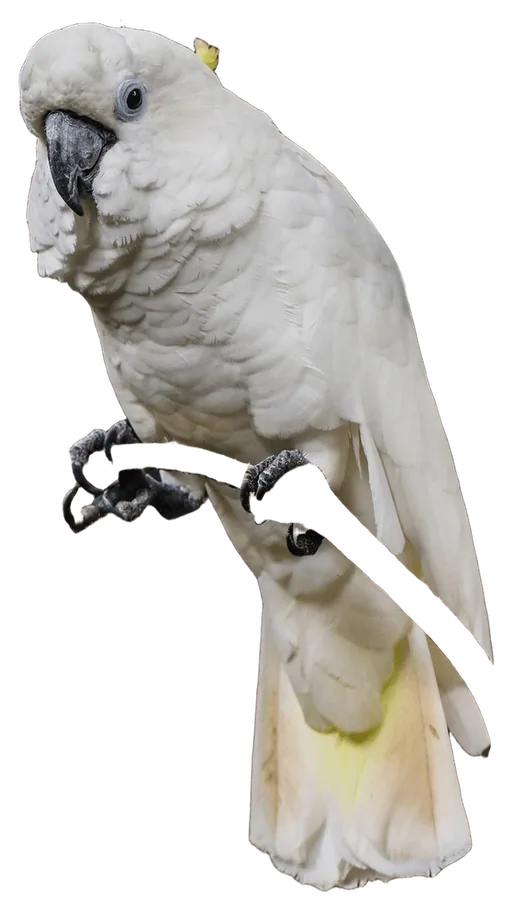
Bigger than 23% of animalsThe sulphur-crested cockatoo is a large, highly intelligent Australian parrot built around flight, a powerful hooked bill, dexterous feet and extraordinary behavioral flexibility. At only about 0.8 kg it is not a high-power fighter on an absolute roster scale, but its aerial maneuverability, strong-for-size bite, social learning and documented urban problem-solving make it a difficult small opponent to corner.
Detailed ratings
Research-backed ratings on one 0–100 scale for all 344 animals (updated 2026-09-27). How ratings work


Card No. 229 of 344. Every animal on Animal Battle Stats has one: its power, tier and archetype on the front; its six battle stats, abilities and signature move on the back.
Special abilities
The hooked parrot bill is backed by species-specific calculated bite force of 167.3 ± 24.2 N, giving this small bird a credible close-range gripping, tearing and crushing tool without inventing PSI.
Coordinated feet, bill and flight surfaces allow climbing, object manipulation, balance and rapid three-dimensional repositioning in complex environments.
Unique traits
Wild populations socially transmit multi-step resource-opening behaviors, with local variants documented in the bin-opening study and a later drinking-fountain tradition.
Ground-feeding groups use elevated sentries and loud alarm calls, improving early warning and coordinated escape.
How it fights
Weapons
- The large hooked bill is the meaningful weapon. A 167 N-class bite from a sub-kilogram bird is impressive for its size and is sufficient for hard-seed processing, destructive chewing, gripping, and painful defensive biting, but absolute roster scaling matters: it remains far below the damaging capacity of medium carnivores, great apes, large ungulates, crocodilians, and megafauna. The feet can grip and manipulate while the bill bites, creating a useful three-point climbing/manipulation system, but the feet are not raptorial talons specialized for killing prey.
- In a forced close engagement, the best practical sequence is evade/reposition, grip if possible, then deliver repeated hooked-bill bites to exposed tissue. Against tiny opponents the bill is decisive. Against similarly sized lightly protected animals it can cause meaningful injury. Against thick skin, armor, large skulls, or major mass disparities it has poor stopping power.
Struggles vs
- Very low body mass on the full roster scale.
- Little physical armor.
- No venom, talon-based predatory system, or specialized killing strike.
- Bite is dangerous locally but lacks the reach and absolute force of large-animal weapons.
- If flight is neutralized, survivability against larger opponents collapses quickly.
- Weight
- 800 g28.2 oz
- Height
- No reliable measurement
- Length
- 50 cm19.7 in
- Top speed
- No reliable measurement
- Bite force
- No reliable measurement
- Lifespan
- 40 years
- Home biome
- Forest
- Lifestyle
- Social
Rated specimen: Healthy, sexually mature adult male C. galerita, approximately 0.8 kg and 50 cm long.
Fun facts
- A 2021 field study tracked a complex bin-opening behavior spreading through Sydney-area populations via social learning, with different neighborhoods developing technique variants.
- In marked populations, only a minority mastered bin opening, and successful openers were disproportionately male.
- A second local innovation involved operating twist-handle drinking fountains; researchers recorded 525 attempts over 44 days.
- The species can live for decades, with wild average longevity around 40 years in ADW's account and substantially longer captive records.
- The 2025 Journal of Anatomy study calculated C. galerita bite force at 167.3 ± 24.2 N from a three-specimen anatomical sample.
- Their conspicuous yellow crest is not just decoration; crest position is used in visual communication.
Closest rivals by power. Tap one for the full breakdown, or pick any opponent.
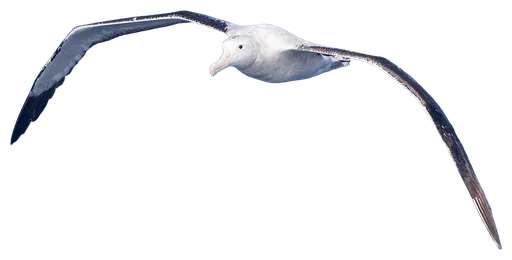
vs Wild TurkeyLoses · 63% · Slight edge 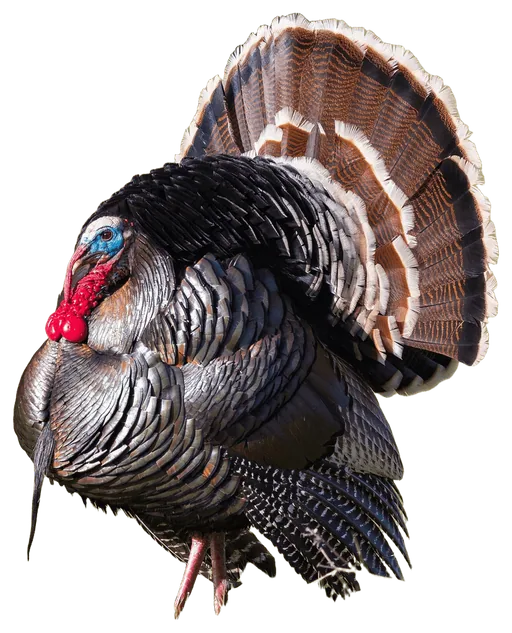 L vs AlbatrossLoses · 64% · Slight edge
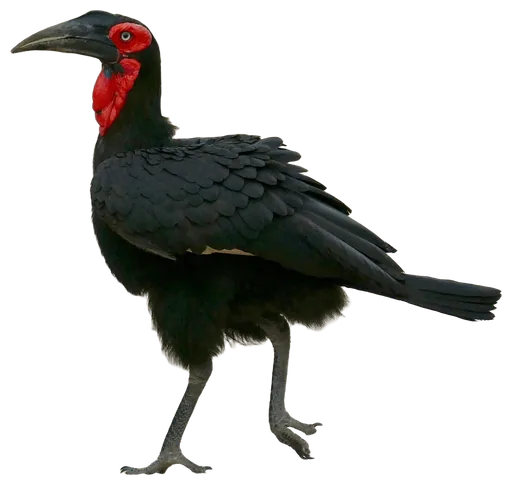
 L vs Southern Ground HornbillLoses · 59% · Slight edge
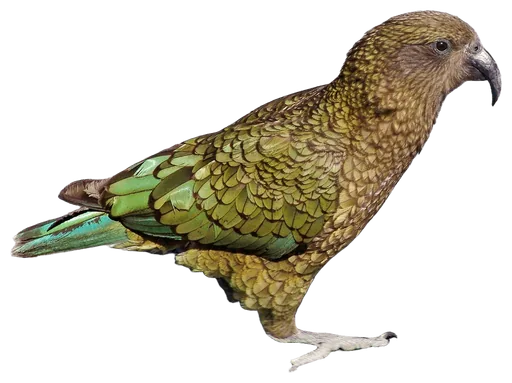
 L vs KeaLoses · 52% · Toss-up
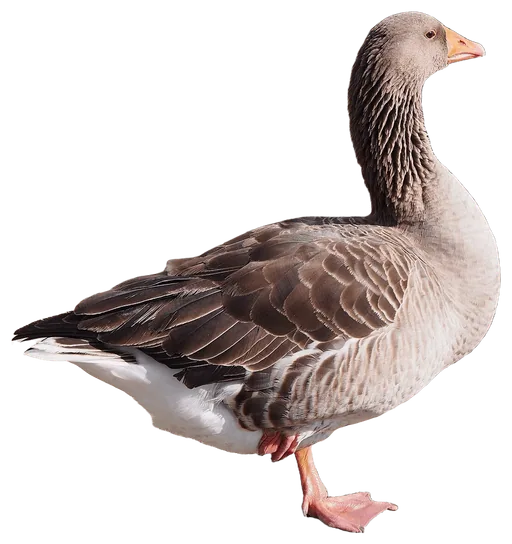
 L vs GooseLoses · 60% · Slight edge
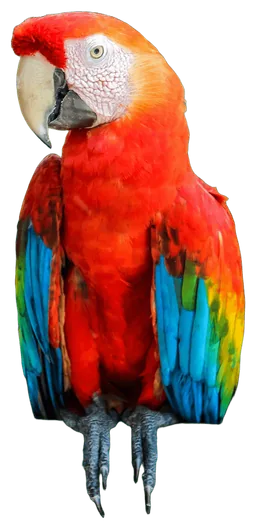
 L vs MacawLoses · 54% · Toss-up
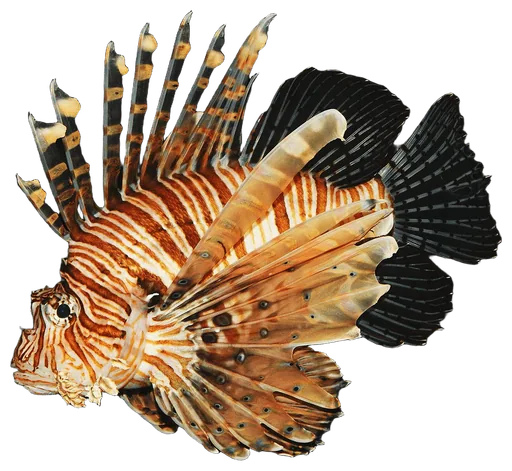
 L vs LionfishWins · 53% · Toss-up
 W vs BadgerLoses · 65% · Slight edge
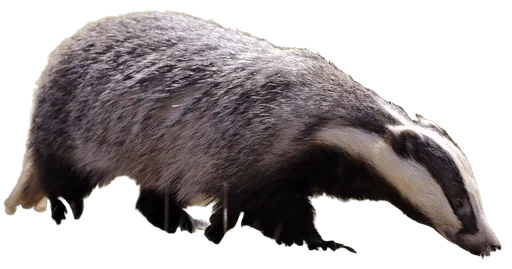 L
Cockatoo battle analysis
A sulphur-crested cockatoo wins matchups by refusing to play a heavyweight's game. It has neither armor nor mass, and its bill cannot bridge the force gap to large predators or megafauna. Instead, it operates in three dimensions, climbing with feet and bill, launching into flight, repositioning quickly and using an unusually forceful hooked beak when close contact is unavoidable.
Its defining advantage is behavioral flexibility. Wild Sydney cockatoos have not merely been observed performing clever tricks in captivity. Researchers documented technical foraging behaviors emerging, spreading socially and developing local variants. That matters to ABS because it supports tactical flexibility with field evidence rather than reputation. The same intelligence, however, must not leak into Attack or Defense. A clever 0.8 kg bird remains physically vulnerable if caught.
The result is a sharply specialized profile: low absolute power and protection, elite maneuverability and intelligence, and a strong Special rating for the interaction between flight, manipulation and learned technique. Against tiny or clumsy opponents, that package is formidable. Against a predator that can match its aerial or arboreal mobility, or any much larger animal that forces contact, the mass gap dominates.
Habitat & range
Native to Australia and New Guinea-region populations, with the species especially familiar across northern and eastern Australia and introduced populations elsewhere. It occupies rainforest, woodland, savanna, parks, gardens, suburbs and cities, demonstrating unusually broad habitat tolerance.
Diet & hunting
Seeds, nuts, grain, fruits, blossoms and some insects/larvae. Large flocks can become agricultural pests and can damage timber and built structures through persistent chewing. Ground foraging is balanced by arboreal roosting and sentry behavior.
Social life
Gregarious, often forming flocks from dozens to hundreds. Large feeding aggregations can split into smaller foraging groups and regroup at communal roosts. Pair bonds are monogamous in standard accounts, with both parents contributing to incubation/chick care.
Conservation
Widely treated as Least Concern and common in much of its range. Local abundance can create conflict with agriculture and urban infrastructure. Conservation status should be checked again at migration time against the current IUCN assessment.
Quick answers
How strong is a Cockatoo?
On the Animal Battle Stats scale, the Cockatoo has an attack rating of 21 and a power index of 45.3 out of 100, which ranks it #229 of 344 animals and puts it in C tier (Capable). Its strongest stat is intelligence (94).
How much does a Cockatoo weigh?
A typical adult Cockatoo weighs about 800 g (28.2 oz). Rated specimen: healthy, sexually mature adult male C. galerita, approximately 0.8 kg and 50 cm long.
How fast is a Cockatoo?
There is no reliable measured top speed for the Cockatoo, so we do not publish one. Its agility rating, which covers acceleration, reflexes and evasion, is 86 out of 100.
What does a Cockatoo eat?
Seeds, nuts, grain, fruits, blossoms and some insects/larvae. Large flocks can become agricultural pests and can damage timber and built structures through persistent chewing. Ground foraging is balanced by arboreal roosting and sentry behavior.
Is the Cockatoo endangered?
No. The Cockatoo is listed as Least Concern. Widely treated as Least Concern and common in much of its range. Local abundance can create conflict with agriculture and urban infrastructure. Conservation status should be checked again at migration time against the current IUCN assessment.
What animals can beat a Cockatoo?
Among its closest rivals, the Wild Turkey (63%), the Albatross (64%), the Southern Ground Hornbill (59%), the Kea (52%), the Goose (60%), the Macaw (54%), the Badger (65%) would be favored against the Cockatoo. It would be favored against the Lionfish.
Researched 2026-09-27. Ratings are editorial judgments built from these sources; measurements describe a healthy adult male.
- Australian Museum, Sulphur-crested CockatooTaxon; 45-50 cm size; sex eye-color distinction; iconic Australian species; long captive longevity
- Animal Diversity Web, Cacatua galerita700-950 g, 800 g average; 50 cm average length; 103 cm wingspan; habitat, diet, sociality, sentries, reproduction, 40-year wild average, subspecies variation
- Harrison et al., Journal of Anatomy (2025)Parrot bite-force methodology; C. galerita N=3, 720.4 g anatomical sample, calculated bite force 167.3 ± 24.2 N; validation against in-vivo measurements
- Klump et al., Science 2021, DOI landingInnovation and geographic spread of complex bin-opening culture via social learning
- ABC summary of Klump et al.Accessible study context, 44 suburbs, technique variants, complex bill-foot sequence
- PubMed, drinking-fountain innovation525 attempts over 44 days; 41% attempt success; 46% of marked individuals successfully engaged; behavior persisted at least two years
- Wikimedia Commons, JJ Harrison imageExact-species source, photographer, 2000x2500 dimensions, CC BY-SA 3.0
Photo: “Triton cockatoo (Cacatua galerita triton), Gembira Loka Zoo, Yogyakarta, 2015-03-15 04.jpg” by Crisco 1492, CC BY-SA 4.0, background removed and cropped. Original
Suggest a correction