

Cockatiel
Nymphicus hollandicus
 #287 of 341
  Desert Speedster Least Concern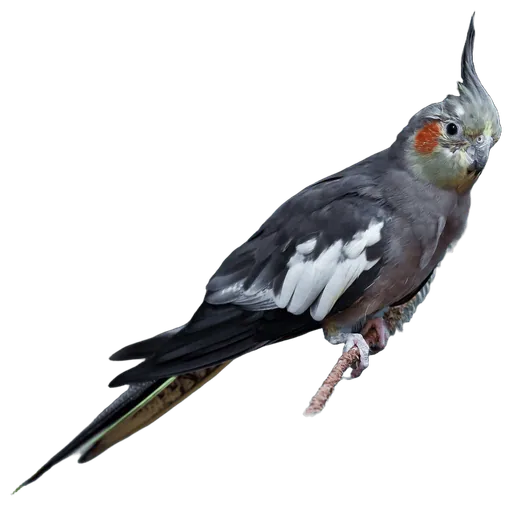
 Fight
FightPhoto: Abhinaba Basu from Redmond, United States · CC BY 2.0
The cockatiel is the smallest cockatoo, a 90-gram grey nomad of inland Australia that answers every threat by flying. Fast, direct flight and tight flocks keep it safe in open country, but its small bill and timid nature make it harmless in a real fight.
 Attack8
  Defense6
  Agility86
  Stamina72
  Intelligence66
  Special54
 Detailed ratings
Research-backed ratings on one 0–100 scale for all 341 animals (updated 2026-09-28). How ratings work
Special abilities
Ability 1Fan-Tail SprintA long tail that fans out to control altitude and stability, a crest folded flat to cut drag, and wind-tunnel flight up to 16 m/s make the cockatiel's first and only move a fast, controlled escape.
 Ability 2Melody Sync
A vocal learner that copies whistled tunes and has been recorded singing in time with human music; in a matchup this helps flock contact and alarm signalling, not damage.
Unique traits
 TraitMood Crest
The erectile crest stands vertical when startled, sits at an angle when relaxed and lies flat when angry or defensive, a readable signal shared with the larger cockatoos.
TraitSmallest CockatooAt about 30–33 cm and 90 g it is the smallest member of the cockatoo family, with the family's powder down and crest on a slim, long-tailed frame.
How it fights
Weapons
- A small hooked cockatoo bill, used to dehusk Acacia and grass seeds and to bite in defense, is the cockatiel's only weapon. It has no measured bite force and no talons. Against anything larger than itself it can deliver only nips; its whole response to danger is to fly.
 Struggles vs
- 90 g body with a weak bill.
- No protection; timid temperament.
- Depends on fresh water.
- Flock protection disappears in a one-on-one matchup.
- Weight
- 90 g3.2 oz
- Height
- No reliable measurement
- Length
- 32 cm12.6 in
- Top speed
- 58 km/h36 mph
- Bite force
- No reliable measurement
- Lifespan
- 12 years
- Home biome
- Desert
- Lifestyle
- Social
Rated specimen: Healthy adult wild-type male, 90 g (0.09 kg) and 32 cm long including the tail, matching ADW's 80–90 g average and AnAge's 90 g, and inside Wikipedia's 30–33 cm length.
Fun facts
- The cockatiel is the smallest cockatoo in the world.
- Its crest is a mood meter: upright when startled, angled when relaxed, flat when angry.
- Cockatiels have been flown in wind tunnels at up to 16 m/s so scientists could measure how their flight muscle works.
- A cockatiel study found birds spontaneously singing along in time with a melody of human music.
- In a citizen-science test, budgerigars and cockatiels imitated simple R2-D2 beeps more accurately than grey parrots.
- Cockatiels shed so much powder down that a cloud of dust rises when they shake after preening.
Closest rivals by power. Tap one for the full breakdown, or pick any opponent.
vs KookaburraLoses · 50% · Toss-up 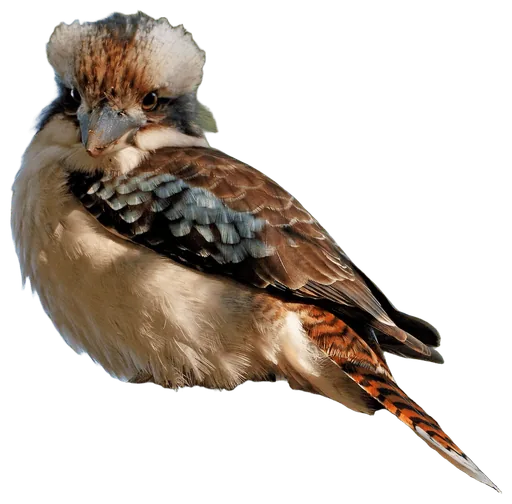 L vs BudgerigarWins · 50% · Toss-up
 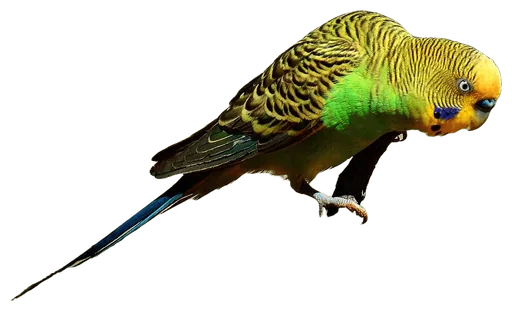 W vs Sun ConureLoses · 51% · Toss-up
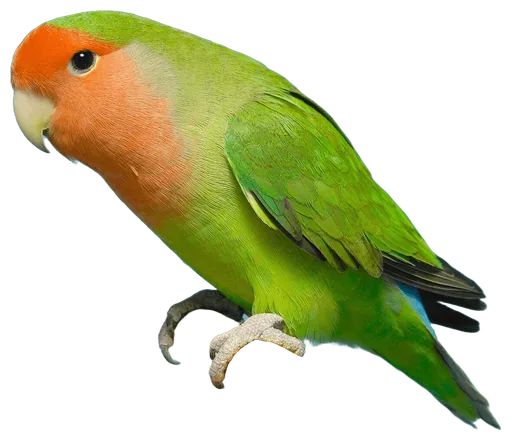
 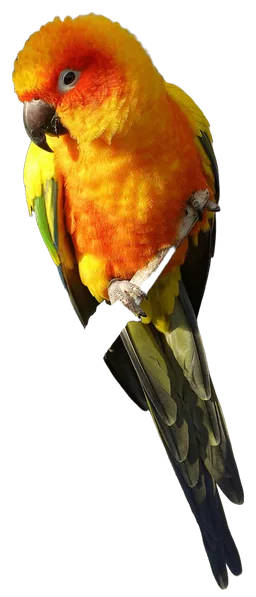 L vs Rosy-faced LovebirdWins · 52% · Toss-up
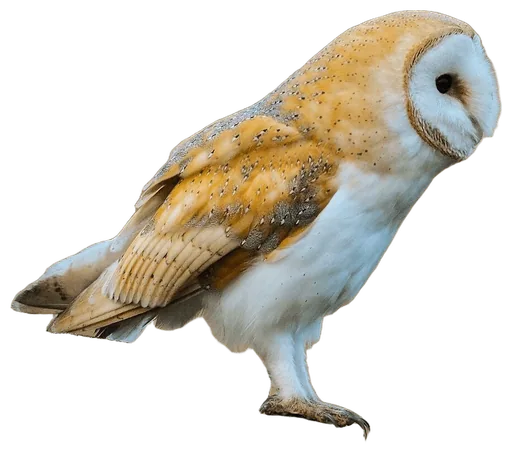
  W vs Barn OwlLoses · 52% · Toss-up
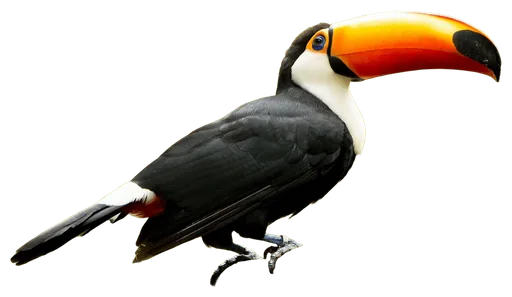
  L vs ToucanWins · 53% · Toss-up
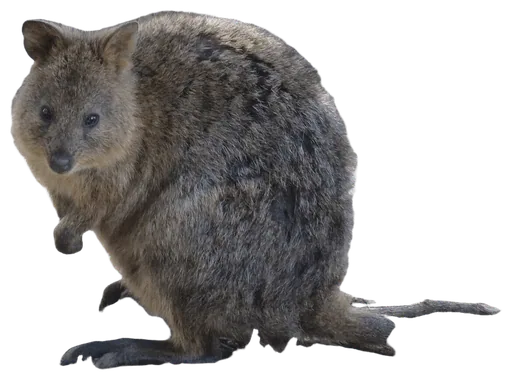
  W vs QuokkaWins · 51% · Toss-up
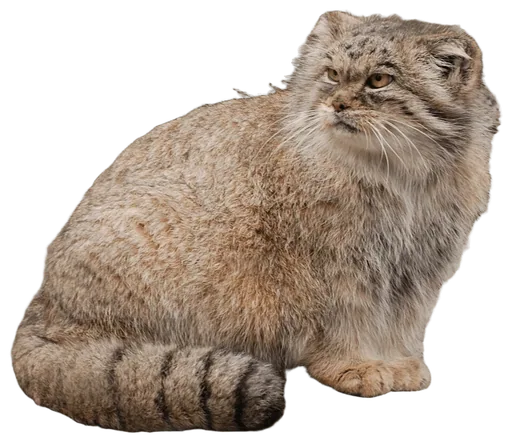
  W vs Pallas's CatLoses · 51% · Toss-up
  L
L  Pick any opponent
 Cockatiel battle analysis
The cockatiel is a cockatoo in miniature: the same erectile crest, powder down and loud voice as the larger cockatoos, packed into a slim 90-gram body with a tail as long as the rest of the bird. Wild flocks roam the dry interior of Australia in search of seeding Acacia and grasses, never straying far from water, and pairs breed in eucalypt hollows whenever rain brings food.
Everything about the cockatiel points toward escape. Animal Diversity Web describes it as timid, with no natural defense beyond flight, and its long pointed wings and fanned tail make it one of the faster small parrots. Researchers use it as a model for bird flight, flying cockatiels in wind tunnels at up to 16 metres per second. Its crest works as a signal to flockmates, and its alarm calls change in pitch with the size of the threat.
As a pet it is known for whistled tunes rather than speech, and it has been recorded singing in time with human music. None of that helps in a fight. A 90-gram bird with a small bill and no protection cannot hurt a vertebrate predator; its best outcome in any matchup is a fast, clean getaway.
Habitat & range
Cockatiels live across mainland Australia, mostly in arid and semi-arid open country but always near water: open woodland, savanna around waterholes, shrubland and farmland (Wikipedia; ADW). They are absent from the fertile south-west and south-east corners, the deepest Western Australian deserts and Cape York (Wikipedia). BirdLife Australia lists woodland, desert and grassland habitats.
Diet & hunting
Wild cockatiels eat mainly seeds, especially Acacia, as well as wheat, sunflower and sorghum, and often feed on crops, to the dismay of farmers (Wikipedia; ADW). They forage on the ground, where their grey plumage makes them hard for aerial predators to spot.
Social life
Gregarious throughout the year. Flocks usually hold up to 30 birds but may reach hundreds or thousands; small flocks fly in tight formation and flocks roost communally at night (BirdLife Australia). Pair bonds form early and persist all year (ADW).
Conservation
Least Concern on the IUCN Red List (BirdLife International assessment, as reported by Wikipedia and BirdLife Australia). The species is widespread and common.
Quick answers
How strong is a Cockatiel?
On the Animal Battle Stats scale, the Cockatiel has an attack rating of 8 and a power index of 37.6 out of 100, which ranks it #287 of 341 animals and puts it in D tier (Underdog). Its strongest stat is agility (86).
How much does a Cockatiel weigh?
A typical adult Cockatiel weighs about 90 g (3.2 oz). Rated specimen: healthy adult wild-type male, 90 g (0.09 kg) and 32 cm long including the tail, matching ADW's 80–90 g average and AnAge's 90 g, and inside Wikipedia's 30–33 cm length.
How fast is a Cockatiel?
The Cockatiel's top speed is about 58 km/h (36 mph). Its agility rating is 86 out of 100.
What does a Cockatiel eat?
Wild cockatiels eat mainly seeds, especially Acacia, as well as wheat, sunflower and sorghum, and often feed on crops, to the dismay of farmers (Wikipedia; ADW). They forage on the ground, where their grey plumage makes them hard for aerial predators to spot.
Is the Cockatiel endangered?
No. The Cockatiel is listed as Least Concern. Least Concern on the IUCN Red List (BirdLife International assessment, as reported by Wikipedia and BirdLife Australia). The species is widespread and common.
What animals can beat a Cockatiel?
Among its closest rivals, the Kookaburra (50%), the Sun Conure (51%), the Barn Owl (52%), the Pallas's Cat (51%) would be favored against the Cockatiel. It would be favored against the Budgerigar, the Rosy-faced Lovebird, the Toucan, the Quokka.
Researched 2026-09-28. Ratings are editorial judgments built from these sources; measurements describe a healthy adult male.
- Animal Diversity Web, Nymphicus hollandicusmass, length, tail, habitat temperatures, lifespan, speed claim, behaviour, calls
- Wikipedia, Cockatiellength, family features, range, diet, crest, lifespan, pet numbers
- BirdLife Australia, Cockatielhabitat, flock size, status
- AnAge, Cockatielmaximum longevity
- Morris and Askew 2010, J. Exp. Biol.flight speed range
- Morris, Nelson and Askew 2010, J. Exp. Biol.flight energetics
- Hedrick, Usherwood and Biewener 2004, J. Exp. Biol.flight mechanics
- Bundle, Hansen and Dial 2007, J. Exp. Biol.flight energetics
- Seki 2023, Frontiers in Psychologyvocal learning, rhythm
- Dam, Honing and Spierings 2025, Scientific Reportsvocal imitation
- Harrison et al. 2025, Journal of Anatomybite-force context
Photo: “Nymphicus hollandicus -zoo-8a.jpg” by Abhinaba Basu from Redmond, United States, CC BY 2.0, background removed and cropped. Original
Suggest a correction