

Chinchilla
Chinchilla lanigera
 #304 of 344
  Mountains Jumper Endangered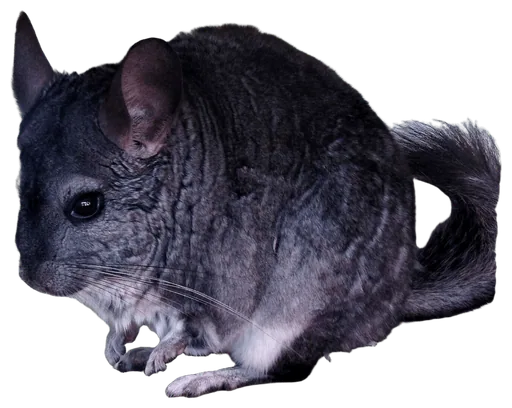
 Fight
FightPhoto: Fiver, der Hellseher · CC BY-SA 4.0
The chinchilla is a 0.6 kg Andean rock-hopper wrapped in the densest fur of any land mammal, which it can shed in clumps to escape a predator's bite. It is agile, social and wary, but its bite is weak even by rodent standards, so it survives by leaping away rather than fighting.
 Attack10
  Defense10
  Agility84
  Stamina46
  Intelligence50
  Special64
 Detailed ratings
Research-backed ratings on one 0–100 scale for all 344 animals (updated 2026-09-28). How ratings work
Special abilities
Ability 1Fur SlipWhen bitten or roughly grabbed, a chinchilla releases a large patch of fur, exposing clean skin and leaving the attacker holding hair while it escapes. It can break a predator's first grip but does nothing against a crushing or killing bite.
 Ability 2Rock-Hopper Leap
Long, muscular hind limbs let it bound across rocks and clear gaps of up to about 1.8 m, darting into crevices where most predators cannot follow.
Unique traits
 TraitDensest Fur on Land
About 20,000 hairs per square centimetre, with 50–75 hairs sprouting from each follicle compared with two or three in humans; chinchillas keep it clean by rolling in fine volcanic dust instead of water.
TraitHunted to the BrinkIts fur made it the target of an international trade that emptied most of its range; one full-length coat can need about 150 pelts, and the wild species is now Endangered and listed on CITES Appendix I.
How it fights
Weapons
- The chinchilla is a grazing and seed-eating rodent with a notably weak incisor bite for its family, measured at about 23.5 N. It fights mainly within its own species: females threaten with growls, teeth chattering and urine, and group-housed chinchillas can inflict bite wounds that cost each other pieces of ear and toe. Against predators it does not fight back meaningfully.
 Struggles vs
- Very weak bite and tiny absolute mass.
- Overheats easily; cannot pant or sweat.
- Fragile ear pinnae easily injured.
- Flat, open ground removes its rock refuges.
- Weight
- 600 g21.2 oz
- Height
- No reliable measurement
- Length
- 28 cm11 in
- Top speed
- No reliable measurement
- Bite force
- No reliable measurement
- Lifespan
- 10 years
- Home biome
- Mountains
- Lifestyle
- Social, nocturnal
Rated specimen: Healthy adult female of about 0.6 kg in domestic condition.
Fun facts
- A single chinchilla hair follicle can sprout 50–75 hairs; a human follicle grows two or three.
- If a predator bites, a chinchilla can shed a patch of fur and escape, a reaction called fur slip.
- Chinchillas bathe in fine volcanic dust, not water.
- They can jump up to about 1.8 m.
- Newborn chinchillas are fully furred with open eyes and can run almost immediately.
- Chinchilla hearing, measured at 50 Hz to 33 kHz, is closer to a human's than most rodents' hearing is.
Closest rivals by power. Tap one for the full breakdown, or pick any opponent.
vs ArmadilloLoses · 51% · Toss-up  L vs Vampire BatLoses · 52% · Toss-up
  L vs KoalaLoses · 52% · Toss-up
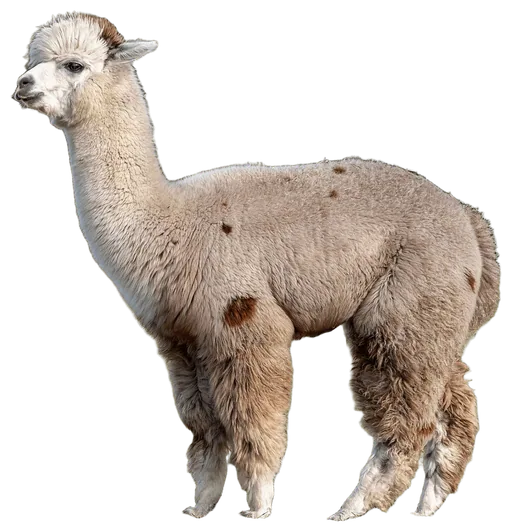
  L vs AlpacaLoses · 52% · Toss-up
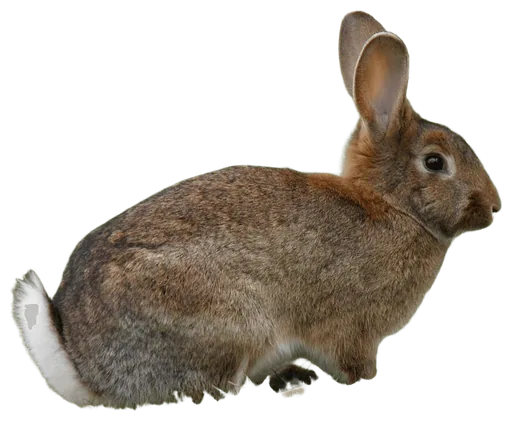
  L vs RabbitWins · 52% · Toss-up
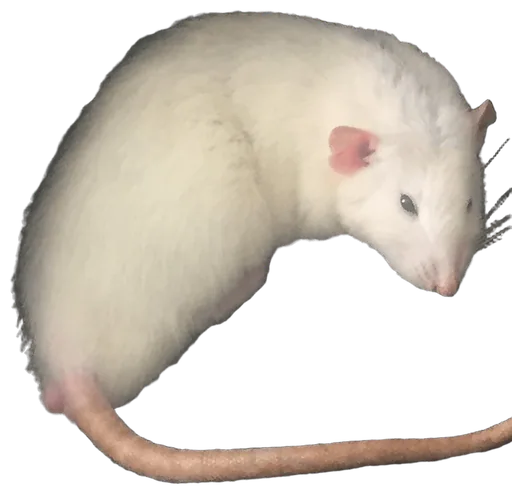
  W vs Fancy RatLoses · 53% · Toss-up
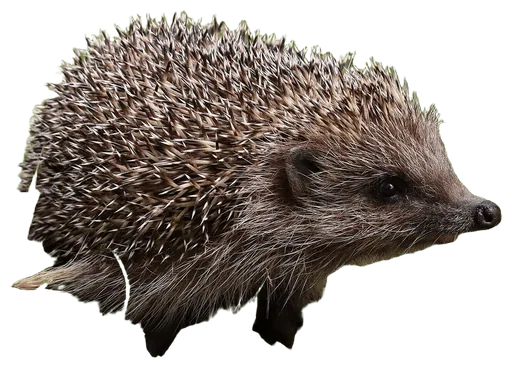
  L vs HedgehogLoses · 54% · Toss-up
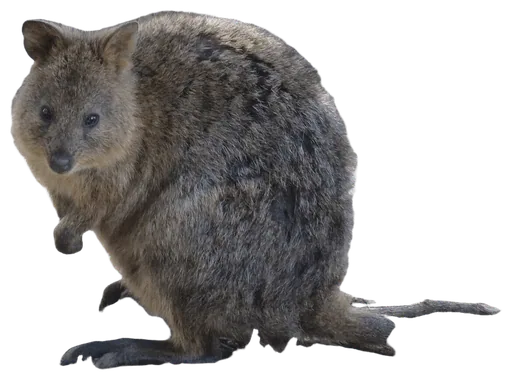
  L vs QuokkaLoses · 54% · Toss-up
  L
L  Pick any opponent
 Chinchilla battle analysis
The chinchilla is built for escape on broken rock. Long hind legs launch it across gaps of nearly two metres, big ears and eyes watch for predators at dusk, and colonies of dozens of animals share the job of spotting danger. When a fox, cat or bird of prey does close in, the chinchilla has two last tricks: it sprays urine, and if bitten it releases a clump of its extraordinarily dense fur and bolts.
What it lacks is any real weapon. Its incisor bite, measured at about 23.5 N, is weak even compared with other South American rodents, and its jaw is poorly built for hard biting. In ABS terms that means very low Attack and Defense, high Agility, and a Special score lifted by the unusual fur-slip escape rather than by any capacity to hurt an opponent.
That same fur nearly wiped the species out. Hunted for centuries for pelts, the long-tailed chinchilla now survives in the wild only in a few colonies in northern Chile and is listed as Endangered, even as domestic chinchillas bred from it live in homes and on farms around the world.
Habitat & range
Wild long-tailed chinchillas survive only in northern Chile, in arid, rocky mountain country where they den in crevices and holes among rocks; known colonies include Aucó near Illapel (Reserva Nacional Las Chinchillas) and La Higuera north of Coquimbo. Historically the genus ranged across the Andes of Chile, Peru, Bolivia and Argentina. Domestic chinchillas live worldwide.
Diet & hunting
Mainly herbivorous: grasses, herbs, sedges, seeds, lichens and mosses, with occasional insects and bird eggs. They sit upright and hold food in their forepaws. The native climate swings from about 30 °C by day in summer to below freezing on winter nights.
Social life
Colonies (herds) of 14 to more than 100 animals, matriarchal, with dominant females and mostly monogamous pairs.
Conservation
The long-tailed chinchilla is Endangered on the IUCN Red List (2025 assessment) and on CITES Appendix I. Centuries of hunting for fur, including dynamiting of burrow systems, destroyed most wild populations, and poaching continues. Domestic chinchillas are not covered by CITES.
Quick answers
How strong is a Chinchilla?
On the Animal Battle Stats scale, the Chinchilla has an attack rating of 10 and a power index of 35.1 out of 100, which ranks it #304 of 344 animals and puts it in D tier (Underdog). Its strongest stat is agility (84).
How much does a Chinchilla weigh?
A typical adult Chinchilla weighs about 600 g (21.2 oz). Rated specimen: healthy adult female of about 0.6 kg in domestic condition.
How fast is a Chinchilla?
There is no reliable measured top speed for the Chinchilla, so we do not publish one. Its agility rating, which covers acceleration, reflexes and evasion, is 84 out of 100.
What does a Chinchilla eat?
Mainly herbivorous: grasses, herbs, sedges, seeds, lichens and mosses, with occasional insects and bird eggs. They sit upright and hold food in their forepaws. The native climate swings from about 30 °C by day in summer to below freezing on winter nights.
Is the Chinchilla endangered?
The Chinchilla's conservation status is Endangered. The long-tailed chinchilla is Endangered on the IUCN Red List (2025 assessment) and on CITES Appendix I. Centuries of hunting for fur, including dynamiting of burrow systems, destroyed most wild populations, and poaching continues. Domestic chinchillas are not covered by CITES.
What animals can beat a Chinchilla?
Among its closest rivals, the Armadillo (51%), the Vampire Bat (52%), the Koala (52%), the Alpaca (52%), the Fancy Rat (53%), the Hedgehog (54%), the Quokka (54%) would be favored against the Chinchilla. It would be favored against the Rabbit.
Researched 2026-09-28. Ratings are editorial judgments built from these sources; measurements describe a healthy adult female.
- Wikipedia, Long-tailed chinchillamass, length, fur, range, status, behavior
- Wikipedia, Chinchillafur density, jumping, defenses, herds, fur trade
- Animal Diversity Web, Chinchilla lanigeralength, mass, dimorphism, behavior, lifespan
- Merck Veterinary Manual, Chinchillas (professional)anatomy, fur slip, lifespan, injuries
- San Diego Zoo Wildlife Alliance, Chinchilladomestic size, dimorphism, defenses, jumping
- Buezas et al. 2019, Journal of Anatomybite force, wild mass
- Becerra et al. 2014, J. Exp. Zool. Abite force
- Heffner and Heffner 1991, Hearing Researchhearing
- Becerra et al. 2024, Journal of Anatomyskull strength
Photo: “Langschwanz-Chinchilla (Zoo Hoyerswerda).jpg” by Fiver, der Hellseher, CC BY-SA 4.0, background removed and cropped. Original
Suggest a correction