
Capybara
Hydrochoerus hydrochaerisC tier · Capable133rd of 163 mammals
Size & speed

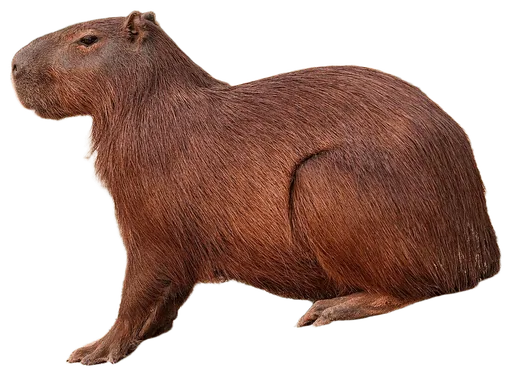
- Weight
- 54 kg119 lb
- Length
- 1.2 m3.9 ft
About as heavy as a person
Heavier than 66% of animalsAbout 4 rulers long
Bigger than 53% of animalsThe capybara is the world's largest living rodent, a roughly 50-plus-kilogram South American grazer whose real combat edge is not brute-force exaggeration but a combination of large incisors, stable male dominance behavior and exceptional semi-aquatic escape ability. Near water it can dive, swim and monitor threats with high-set eyes, ears and nostrils; away from water it is a robust but lightly protected herbivore with limited killing reach.
Detailed ratings
Research-backed ratings on one 0–100 scale for all 344 animals (updated 2026-09-27). How ratings work


Card No. 244 of 344. Every animal on Animal Battle Stats has one: its power, tier and archetype on the front; its six battle stats, abilities and signature move on the back.
Special abilities
Partially webbed feet, strong swimming and rapid diving let the capybara shift a terrestrial confrontation into water, where many land opponents lose mobility.
High-set eyes, ears and nostrils permit threat monitoring while most of the body remains submerged, improving concealment and escape timing.
Unique traits
Adult males possess a prominent snout scent gland whose size and marking activity correlate with age/social dominance, supporting stable competitive hierarchies.
As the largest living rodent species, H. hydrochaeris combines rodent incisors with a body mass far beyond ordinary rodents.
How it fights
Weapons
- The capybara's only serious natural cutting weapon is its rodent incisor pair. Delivery requires close range. Adult males also shove, chase and bite in dominance disputes. In a study of 2,911 within-group interactions, 34% were between adult males and those male-male interactions were invariably aggressive. This supports real fighting behavior without implying carnivore-like predatory weaponry.
- Weight
- 54 kg119 lb
- Height
- 55 cm21.7 in
- Length
- 1.2 m3.9 ft
- Top speed
- No reliable measurement
- Bite force
- No reliable measurement
- Lifespan
- 6 years
- Home biome
- Wetlands
- Lifestyle
- Social
Rated specimen: Healthy mature dominant adult male, reflecting the primary intraspecific fighting sex.
Fun facts
- Adult females averaged heavier than adult males in one São Paulo field sample, despite males being the primary hierarchy-fighting sex.
- Male-male interactions in a classic field study were invariably aggressive, yet stable rank relationships can persist for years.
- Dominant males have larger/more active morrillos and preferential access to females.
- Capybara forefeet have four toes while hind feet have three.
- They can remain submerged for several minutes; an Argentine government species account reports up to about ten minutes.
Closest rivals by power. Tap one for the full breakdown, or pick any opponent.
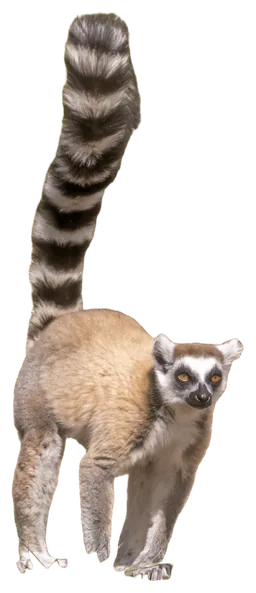
vs AardvarkLoses · 52% · Toss-up 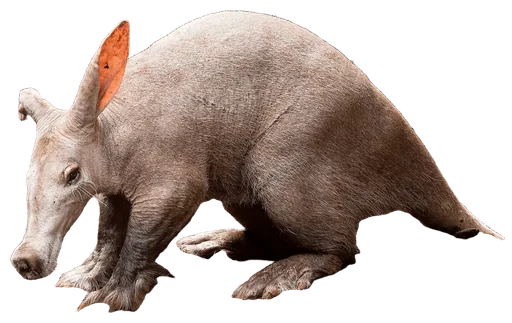 L vs Ring-tailed LemurWins · 66% · Slight edge
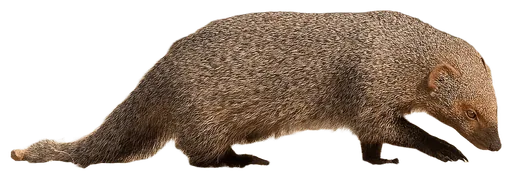
 W vs MongooseWins · 73% · Clear edge
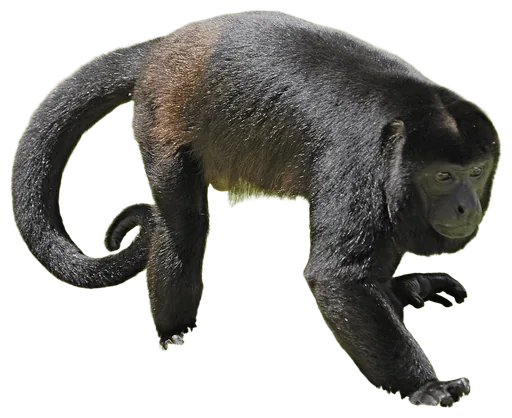
 W vs Howler MonkeyWins · 63% · Slight edge
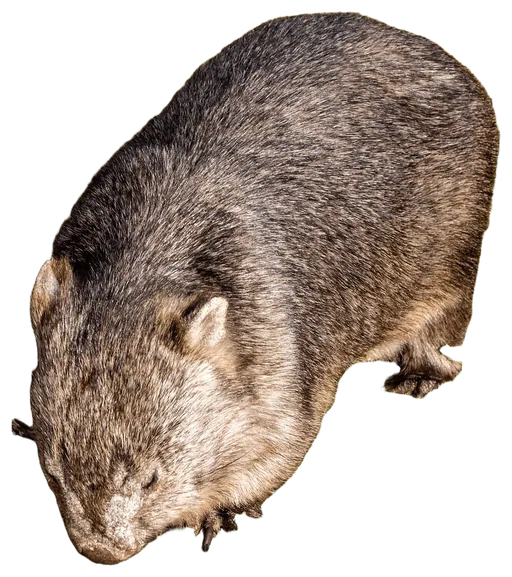
 W vs WombatWins · 52% · Toss-up
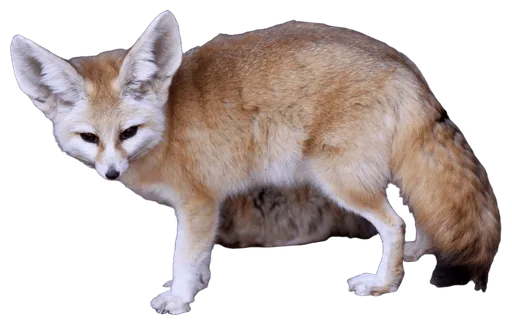
 W vs Fennec FoxWins · 71% · Clear edge
 W vs Red PandaWins · 65% · Slight edge
 W vs Maine CoonWins · 63% · Slight edge
 W
Capybara battle analysis
A dominant male capybara is built to hold rank within a social wetland herd, not to hunt. Its compact mass and large incisors make close contact risky for small opponents, and field observations confirm that adult males resolve hierarchy through genuine aggression. Yet the animal's most important matchup tool is positional. At the waterline, its short strong limbs and partially webbed feet let it abandon a land contest, submerge and reposition while its high-set sensory openings retain awareness. This produces a sharp environmental split: a capable evasive specialist beside water, but a comparatively ordinary, unarmored herbivore when trapped on dry ground against a dedicated predator.
Habitat & range
The species occupies much of South America east of the Andes, associated with savannas, forests, marshes, floodplains and other habitats that maintain access to water. Argentina's National Parks species system describes its range extending through much of South America into Buenos Aires Province.
Diet & hunting
Capybaras are herbivorous grazers, favoring grasses, riparian herbs and aquatic vegetation while also consuming fruits, seeds and flowers. They may gnaw bark, which also wears continuously growing incisors. They are major wetland herbivores and prey for large South American predators.
Social life
Typical groups contain roughly ten adults, though group size varies and larger aggregations form around water in dry periods. Groups usually contain a dominant male, females, young and subordinate males. Male hierarchy is stable and strongly relevant to mating access.
Conservation
The species is widespread and not presently characterized as globally threatened in the reviewed agency material, though local populations can be reduced by hunting for meat and hide. Capybaras also thrive in some human-modified landscapes, creating management conflicts where populations become dense.
Quick answers
How strong is a Capybara?
On the Animal Battle Stats scale, the Capybara has an attack rating of 31 and a power index of 43.6 out of 100, which ranks it #244 of 344 animals and puts it in C tier (Capable). Its strongest stat is agility (65).
How much does a Capybara weigh?
A typical adult Capybara weighs about 54 kg (119 lb). Rated specimen: Healthy mature dominant adult male, reflecting the primary intraspecific fighting sex.
How fast is a Capybara?
There is no reliable measured top speed for the Capybara, so we do not publish one. Its agility rating, which covers acceleration, reflexes and evasion, is 65 out of 100.
What does a Capybara eat?
Capybaras are herbivorous grazers, favoring grasses, riparian herbs and aquatic vegetation while also consuming fruits, seeds and flowers. They may gnaw bark, which also wears continuously growing incisors. They are major wetland herbivores and prey for large South American predators.
What animals can beat a Capybara?
Among its closest rivals, the Aardvark (52%) would be favored against the Capybara. It would be favored against the Ring-tailed Lemur, the Mongoose, the Howler Monkey, the Wombat, the Fennec Fox, the Red Panda, the Maine Coon.
Researched 2026-09-27. Ratings are editorial judgments built from these sources; measurements describe a healthy adult male.
- Ferraz, Bonach & Verdade, Biota Neotropica (2005)Adult mass, sex/population variation
- Animal Diversity WebLongevity, groups, behavior, heat stress, swimming
- Herrera & Macdonald, Behavioral Ecology (1993)Male aggression, dominance, mating, alarm behavior
- Bedoya-Pérez et al., Journal of Mammalogy (2020)Dimorphism, hierarchy, morrillo
- Herrera & Macdonald, Journal of Mammalogy (1994)Scent marking
- Argentina SIB / Administración de Parques NacionalesAnatomy, range, diet, diving, reproduction
- Wikimedia Commons, Charles J. SharpImage provenance
Photo: “046 Capybara by the river in Encontro das Águas State Park Photo by Giles Laurent.jpg” by Giles Laurent, CC BY-SA 4.0, background removed and cropped. Original
Suggest a correction