
Camel Spider
Galeodes arabsF tier · Snack22nd of 30 bugs & spiders
Size & speed
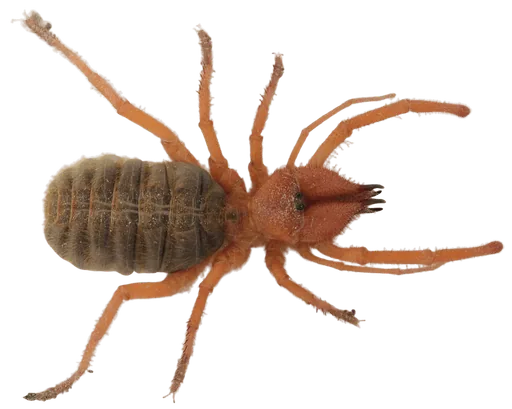
- Length
- 5.1 cm2 in
About 0.6 credit cards long
Bigger than 3% of animalsThe camel spider is a fast, venomless desert arachnid built around oversized paired jaws, adhesive prey-gripping pedipalps and unusual chemical-sensing organs. It is a dangerous hunter at arthropod scale, but its internet reputation wildly exaggerates its size, speed and threat to large animals.
Detailed ratings
Research-backed ratings on one 0–100 scale for all 344 animals (updated 2026-09-27). How ratings work


Card No. 324 of 344. Every animal on Animal Battle Stats has one: its power, tier and archetype on the front; its six battle stats, abilities and signature move on the back.
Special abilities
Oversized paired jaws repeatedly seize, cut and macerate prey; genus-level experiments directly demonstrate measurable bite performance.
Fan-shaped malleoli on the fourth legs contain enormous numbers of presumptive chemoreceptors and are used to probe substrate, aiding prey/mate cue detection in low light.
Unique traits
Solifuge pedipalps carry eversible adhesive organs that help hold prey and deliver it to the chelicerae.
Unlike the popular stories, the camel spider relies on speed, grip and mechanical jaw action rather than venom or silk.
How it fights
Weapons
- The paired two-segmented chelicerae are unusually large for an arachnid. They seize, cut and repeatedly macerate prey. The pedipalps are not extra walking legs: solifuges use them as sensory/prey-handling appendages, and order-level experimental work documents adhesive suctorial organs that help seize prey and pull it toward the chelicerae.
- This creates a rapid capture sequence: locate/contact prey, grip with pedipalps and/or chelicerae, pull it into the mouthparts, then mechanically process it. Against similarly tiny arthropods this is formidable. On the absolute 225-animal scale, however, 2 N-class genus-level bite mechanics and a 5 cm body cannot justify vertebrate-level Attack.
Struggles vs
- Small absolute body size and low trauma tolerance.
- No venom or long-range weapon.
- Heat exposure can force shade/shelter behavior despite desert association.
- Wet, cold or flooded environments undermine its terrestrial xeric specialization.
- Weight
- No reliable measurement
- Height
- No reliable measurement
- Length
- 5.1 cm2 in
- Top speed
- No reliable measurement
- Bite force
- No reliable measurement
- Lifespan
- 1 years
- Home biome
- Desert
- Lifestyle
- Social
Rated specimen: Healthy mature adult female, approximately 5.1 cm body length.
Fun facts
- Camel spiders are neither true spiders nor scorpions; they form their own arachnid order, Solifugae.
- The chelicerae can occupy roughly a third of body length in common species descriptions.
- Direct experiments on cursorial Galeodes measured a maximum bite force of 2.12 N in the sampled animals.
- Their malleoli are unique fan-shaped sensory organs associated with tens of thousands of presumptive chemoreceptor neurons.
- Pedipalps can use adhesive suctorial organs to seize prey.
- The famous 10 mph speed is an estimate, not a strong instrumented G. arabs maximum, so it is intentionally excluded from the canonical speed field.
Closest rivals by power. Tap one for the full breakdown, or pick any opponent.
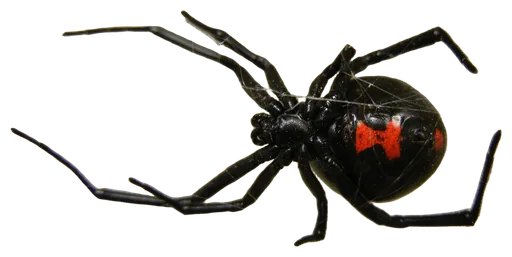
vs Africanized Honey BeeWins · 83% · Clear edge 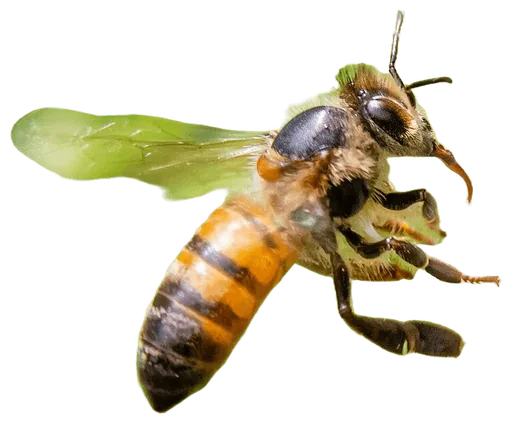 W vs Black WidowWins · 72% · Clear edge
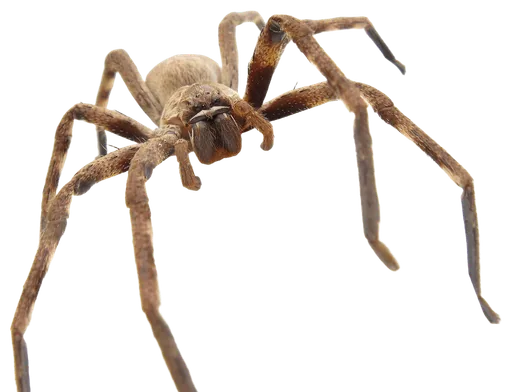
 W vs Huntsman SpiderLoses · 58% · Slight edge
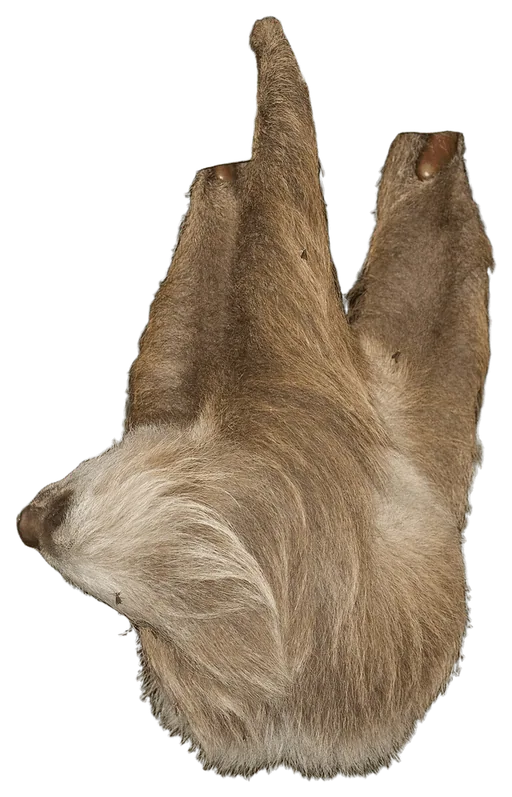
 L vs SlothLoses · 73% · Clear edge
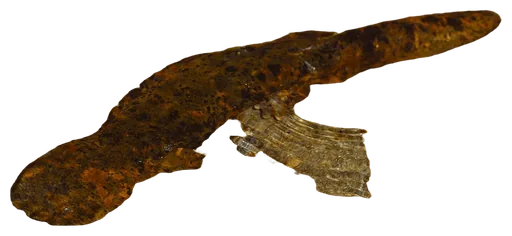
 L vs HellbenderLoses · 66% · Slight edge
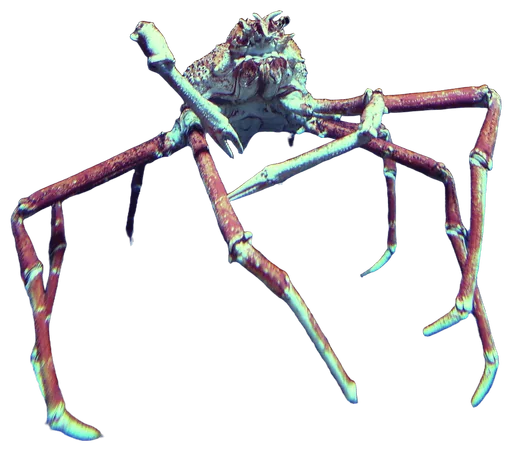
 L vs Japanese Spider CrabLoses · 77% · Clear edge
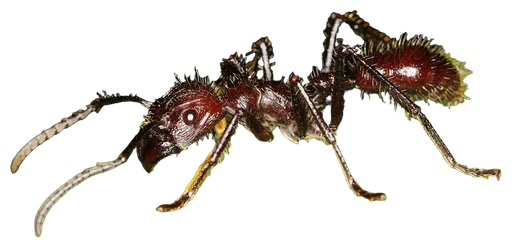
 L vs Bullet AntWins · 66% · Slight edge
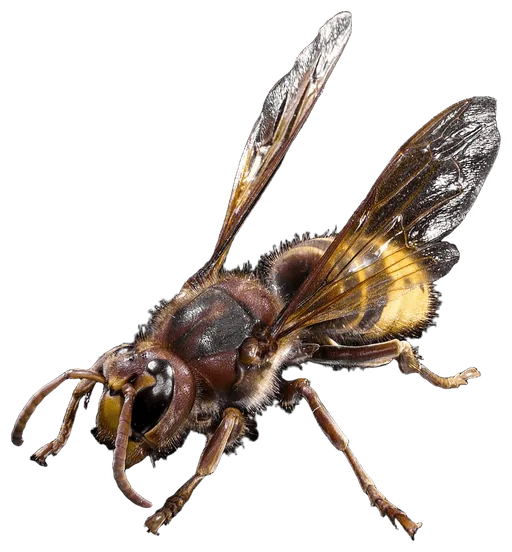
 W vs HornetWins · 70% · Clear edge
 W
Camel Spider battle analysis
A camel spider's battle plan is mechanical and immediate. It races over open ground, samples its surroundings through a dense sensory toolkit, catches small prey with the pedipalps and brings it into a pair of enormous chelicerae. Those jaws do not inject venom. They physically seize and process prey through repeated cutting and maceration. The result is one of the more visually intimidating arachnid predators, but ABS normalization matters: a five-centimeter body and newton-scale genus-level bite cannot be scored as if the animal's famous proportional weaponry were lion-sized. Its elite attribute is maneuverability, while its direct Attack and Defense remain very low on an absolute roster containing large mammals and marine giants.
Habitat & range
Galeodes arabs is a North African and Middle Eastern solifuge. The World Arachnida Catalog records the G. arabs arabs taxon from countries including Algeria, Egypt, Iran, Iraq, Israel, Libya, Morocco, Oman, Saudi Arabia, Sudan, Syria, Tunisia, Turkey and Yemen. Solifuges generally favor xeric terrain such as deserts, semi-deserts, steppe and dry scrub.
Diet & hunting
Camel spiders are opportunistic terrestrial predators. Peer-reviewed alimentary work describes solifuges taking mostly small arthropods and sometimes small vertebrates, then processing prey through continuous cheliceral chewing. Popular claims that G. arabs routinely kills rodents or birds should be treated cautiously unless a primary observation identifies the species and prey.
Social life
They are principally solitary predators. Females are larger-bodied; males are typically smaller/slender with longer legs and cheliceral flagella associated with reproduction. National Geographic gives a wild lifespan up to roughly one year. Detailed G. arabs demographic data remain sparse.
Conservation
No defensible species-level IUCN category was found in this run. Do not copy web pages claiming an Endangered status without an actual IUCN assessment.
Quick answers
How strong is a Camel Spider?
On the Animal Battle Stats scale, the Camel Spider has an attack rating of 13 and a power index of 30.8 out of 100, which ranks it #324 of 344 animals and puts it in F tier (Snack). Its strongest stat is agility (85).
How much does a Camel Spider weigh?
A typical adult Camel Spider weighs about 60 g (2.1 oz). Rated specimen: Healthy mature adult female, approximately 5.1 cm body length.
How fast is a Camel Spider?
There is no reliable measured top speed for the Camel Spider, so we do not publish one. Its agility rating, which covers acceleration, reflexes and evasion, is 85 out of 100.
What does a Camel Spider eat?
Camel spiders are opportunistic terrestrial predators. Peer-reviewed alimentary work describes solifuges taking mostly small arthropods and sometimes small vertebrates, then processing prey through continuous cheliceral chewing. Popular claims that G. arabs routinely kills rodents or birds should be treated cautiously unless a primary observation identifies the species and prey.
Is the Camel Spider endangered?
The Camel Spider's conservation status is Endangered. No defensible species-level IUCN category was found in this run. Do not copy web pages claiming an Endangered status without an actual IUCN assessment.
What animals can beat a Camel Spider?
Among its closest rivals, the Huntsman Spider (58%), the Sloth (73%), the Hellbender (66%), the Japanese Spider Crab (77%) would be favored against the Camel Spider. It would be favored against the Africanized Honey Bee, the Black Widow, the Bullet Ant, the Hornet.
Researched 2026-09-27. Ratings are editorial judgments built from these sources; measurements describe a healthy adult female.
- World Arachnida CatalogTaxonomy/range
- GBIF / Catalogue of LifeTaxonomy
- Grzimek's Student Animal Life ResourceDimensions/dimorphism
- van der Meijden et al., J Exp Biol 2012Cheliceral mechanics
- Klann & Alberti, Journal of MorphologyFeeding mechanics
- Sombke et al., Zoological Letters 2019Malleolar senses
- Solifugae.org specialist resourceLocomotion, pedipalps, prey capture
- National GeographicCommon-name species, lifespan, misconceptions
- Wikimedia Commons / Karim HaddadImage provenance
- Wikimedia Commons / Sultanjenin2018Alternate image candidate
Photo: “Solifugae Solpugidae - Jerrymunglum female Dorsal aspect.JPG” by JonRichfield, CC BY-SA 3.0, background removed and cropped. Original
Suggest a correction