
Camel
Camelus dromedariusA tier · Elite27th of 163 mammals
Size & speed

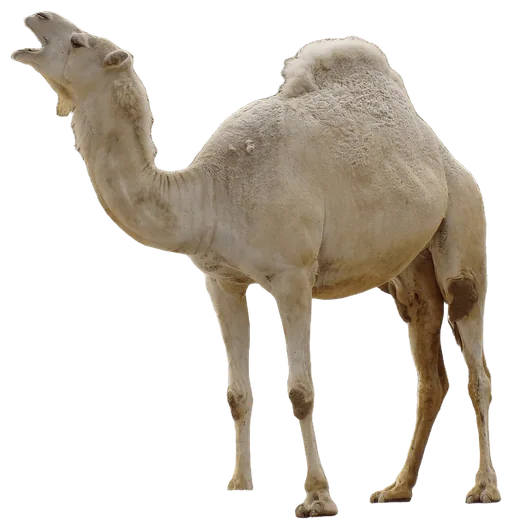
- Weight
- 550 kg1,213 lb
- Length
- 3 m9.8 ft
As heavy as 7.9 people
Heavier than 91% of animals1.7× a person's height
Bigger than 85% of animalsThe dromedary camel is a 500-plus-kilogram desert endurance specialist whose combat value comes from size, a dangerous canine-equipped bite, long-legged kicking reach and extraordinary heat/dehydration physiology. A mature male is especially formidable during rut, when rival guarding and serious fighting increase. It lacks armor and specialized horns or claws, but few large mammals match its ability to remain functional through punishing arid conditions.
Detailed ratings
Research-backed ratings on one 0–100 scale for all 344 animals (updated 2026-09-27). How ratings work


Card No. 47 of 344. Every animal on Animal Battle Stats has one: its power, tier and archetype on the front; its six battle stats, abilities and signature move on the back.
Special abilities
Under heat and dehydration, the dromedary permits unusually large controlled daily body-temperature swings, storing heat during the day and dissipating it later. This reduces dependence on evaporative cooling and preserves water in prolonged hot-weather matchups.
Dromedaries tolerate extreme dehydration through low water expenditure, reduced urine production and powerful renal/endocrine conservation responses, then can rapidly drink large volumes when water becomes available. This greatly extends functional survival in arid endurance scenarios.
Unique traits
The dromedary's single hump concentrates fat reserves rather than storing water, providing an energy buffer while keeping much of the body less uniformly insulated than if fat were distributed everywhere.
Protective eyelashes/eyelids, a nictitating membrane and nostril control help preserve vision and respiration in blowing sand, making the camel unusually resistant to desert sensory disruption.
How it fights
Weapons
- The dromedary's most important close weapon is its bite. Mature camels possess prominent incisors and canine teeth, and clinical bite literature documents deep soft-tissue injury, vascular and nerve damage, fractures and dislocations. A camel may retain its grip and shake or throw what it has bitten.
- Its second major weapon is whole-body and limb force. A 550 kg animal can shove with its chest, head and neck, shoulder an opponent, trample at close range and kick with long limbs. Dromedary confrontations documented by ADW include whole-body pushing and lowered head/neck contact. During rut, males can inflict serious injuries on rivals.
- Weight
- 550 kg1,213 lb
- Height
- 2 m6.6 ft
- Length
- 3 m9.8 ft
- Top speed
- No reliable measurement
- Bite force
- No reliable measurement
- Lifespan
- 40 years
- Home biome
- Desert
- Lifestyle
- Social
Rated specimen: Healthy mature adult male in normal condition, approximately 6+ years old, 550 kg, 200 cm at the shoulder, approximately 300 cm head-body length.
Fun facts
- The hump stores fat, not a reservoir of drinking water.
- Classic physiological experiments found a camel could tolerate water loss around 30% of body mass under severe desert heat.
- In the same classic work, one non-working camel on dry food went 17 days without drinking in hot summer conditions.
- A thirsty camel can replace an enormous water deficit rapidly; modern watering experiments recorded lactating camels drinking roughly 72 ± 7 kg of water after an eight-day deprivation treatment.
- Dromedary males display the dulla, an inflatable/extrudable soft palate used prominently during rut.
- The species no longer has a native truly wild population, yet Australia has a major feral population established from introduced domestic animals.
Closest rivals by power. Tap one for the full breakdown, or pick any opponent.
vs Snow LeopardWins · 63% · Slight edge 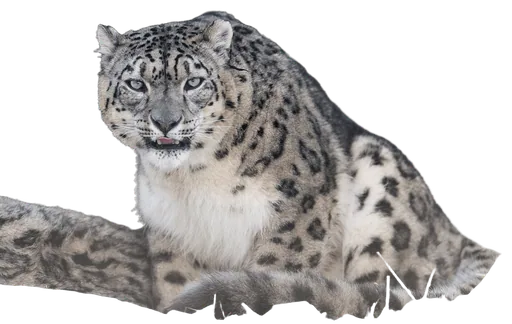 W vs HyenaWins · 61% · Slight edge
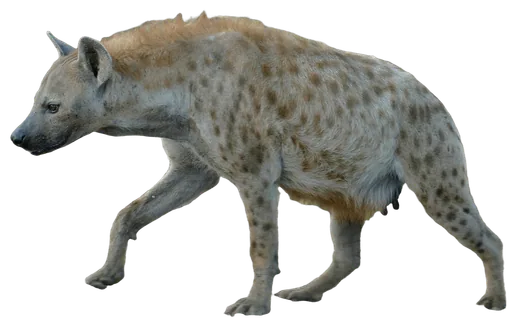 W vs OryxWins · 56% · Toss-up
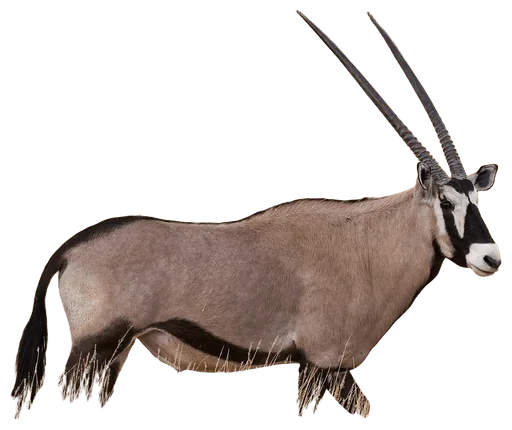 W vs Grizzly BearWins · 54% · Toss-up
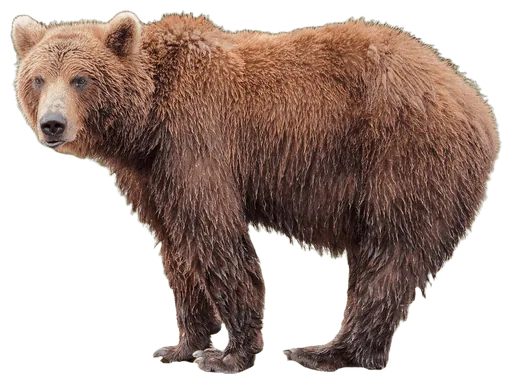 W vs Musk OxWins · 55% · Toss-up
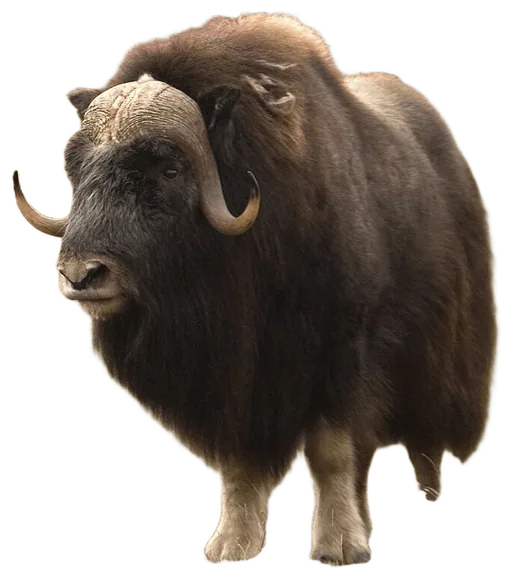 W vs PronghornWins · 65% · Slight edge
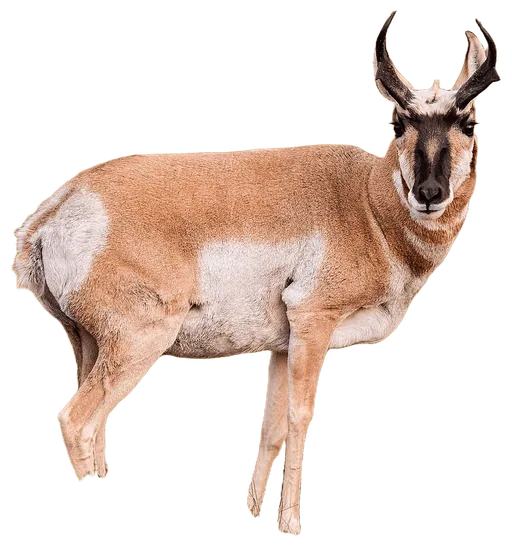 W vs YakWins · 54% · Toss-up
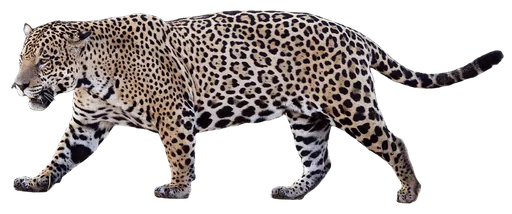
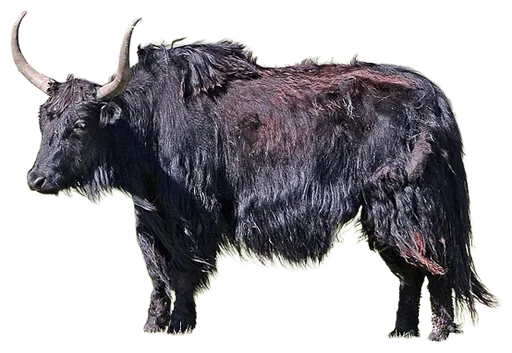 W vs JaguarWins · 57% · Toss-up
 W
Camel battle analysis
A dromedary is easy to underestimate if its hump and desert reputation are treated as curiosities rather than a tightly integrated survival system. A mature male stands around two meters at the shoulder and carries roughly half a tonne of mass on long legs ending in broad feet suited to loose substrate. In direct conflict, that frame gives it reach and leverage. The mouth is not merely a grazing tool: adult dentition includes prominent canines, and documented human injuries show that camel bites can crush, penetrate, hold and become more destructive when the animal shakes or lifts its target. Rut transforms normally restrained social behavior into much more dangerous rival defense.
Its most extraordinary advantages emerge when a matchup lasts. Dromedaries can tolerate dehydration that would cause circulatory collapse in most mammals, reduce urine and evaporative losses, and allow body temperature to fluctuate widely so they do not have to spend as much water on cooling. Those mechanisms do not make camel hide into armor or make a kick stronger, so they are kept primarily in Stamina and Special rather than double-counted across every category.
Against a smaller opponent in open desert, the camel combines a difficult-to-overcome mass gap with endurance and reach. Against a specialized large predator, however, its exposed neck and limbs matter. Against a rhino, elephant or other heavily armed megaherbivore, its offensive equipment is clearly inferior. That mixture makes the dromedary a strong large-animal generalist and an elite environmental endurance specialist rather than an apex direct-damage fighter.
Habitat & range
Dromedaries are associated with hot deserts, semi-deserts and other arid/semi-arid landscapes across North Africa, the Arabian Peninsula, parts of the Middle East and South Asia. They are domestic or semi-domestic across most of this range. Australia supports extensive feral populations established from animals introduced during the nineteenth century; Northern Territory government material reports feral camels across more than 37% of mainland Australia.
Diet & hunting
Dromedaries are browsing/grazing herbivores able to use rough, thorny, salty and bitter vegetation. Australian management guidance notes that they browse as high as about 3.5 m and can consume plants avoided by many livestock species. Their broad diet and mobility let them exploit sparse arid resources, but feral populations can damage vegetation, waterholes, dunes, fences and culturally important food plants.
Social life
Dromedaries form non-territorial social groups. ADW describes family units centered on a male with females, subadults and young, while Australian feral-camel guidance distinguishes bull groups, cow/calf groups and breeding groups with a mature bull. Rutting bulls defend access to females and may aggressively exclude rivals.
Conservation
Because C. dromedarius is a domesticated species without a surviving native wild population, a normal wild-species IUCN category is not the useful conservation frame. Humans have used dromedaries for transport, milk, meat and other products for millennia. In Australia, feral camels are managed as an invasive large herbivore because of ecological and infrastructure impacts.
Quick answers
How strong is a Camel?
On the Animal Battle Stats scale, the Camel has an attack rating of 61 and a power index of 64 out of 100, which ranks it #47 of 344 animals and puts it in A tier (Elite). Its strongest stat is stamina (91).
How much does a Camel weigh?
A typical adult Camel weighs about 550 kg (1,213 lb). Rated specimen: Healthy mature adult male in normal condition, approximately 6+ years old, 550 kg, 200 cm at the shoulder, approximately 300 cm head-body length.
How fast is a Camel?
There is no reliable measured top speed for the Camel, so we do not publish one. Its agility rating, which covers acceleration, reflexes and evasion, is 58 out of 100.
What does a Camel eat?
Dromedaries are browsing/grazing herbivores able to use rough, thorny, salty and bitter vegetation. Australian management guidance notes that they browse as high as about 3.5 m and can consume plants avoided by many livestock species. Their broad diet and mobility let them exploit sparse arid resources, but feral populations can damage vegetation, waterholes, dunes, fences and culturally important food plants.
Is the Camel endangered?
The Camel's conservation status is Domesticated. Because C. dromedarius is a domesticated species without a surviving native wild population, a normal wild-species IUCN category is not the useful conservation frame. Humans have used dromedaries for transport, milk, meat and other products for millennia. In Australia, feral camels are managed as an invasive large herbivore because of ecological and infrastructure impacts.
What animals can beat a Camel?
The Camel is favored against all of its closest rivals, including the Snow Leopard, the Hyena, the Oryx, the Grizzly Bear, the Musk Ox, the Pronghorn, the Yak, the Jaguar.
Researched 2026-09-27. Ratings are editorial judgments built from these sources; measurements describe a healthy adult male.
- Babelhadj et al., Caractérisation biométrique du Chameau de la steppeAdult sex-specific mass and morphology
- Journal of Animal Science, Ethiopian camel morphometricsShoulder height, body proportions, breed variation
- GBIF species descriptionBroad dimensions, mass, life history
- Animal Diversity WebLifespan, social behavior, domestication
- IVIS, Reproductive Physiology in Male and Female CamelsRut aggression, dulla, male behavior
- MDPI Animals, housing management of rutting male dromedariesModern behavioral observations
- Calleo et al., Camel BitesDentition and injury mechanics
- Schmidt-Nielsen et al., Water Balance of the CamelDehydration tolerance and water economy
- Bouâouda et al., Daily regulation of body temperature rhythmFlexible heterothermy
- Hormonal control of water and sodium during dehydrationEndocrine/renal response
- APS, watering intervals in lactating camelsModern dehydration/rehydration performance
- Northern Territory GovernmentAustralian feral range and ecological impacts
- PestSmart national camel control guidanceDiet, browsing height, feral social structure, life history
- Wikimedia Commons, Madrid dromedaryImage provenance
Photo: “Camelus dromedarius.001 - Zoo Aquarium de Madrid.JPG” by Fernando Losada Rodríguez, CC BY-SA 4.0, background removed and cropped. Original
Suggest a correction