

Bushmaster
Lachesis muta
 #194 of 344
  Jungle Ambush Predator Least Concern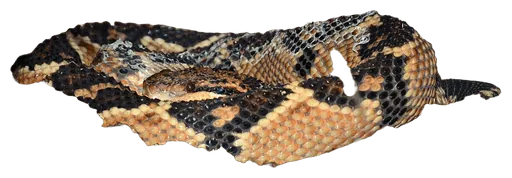
 Fight
FightPhoto: Esquilo · CC BY-SA 3.0
The bushmaster is the world's longest viper, a 2–2.5 m South American pit viper that waits beside rodent trails and aims with heat-sensing pits. Its huge venom doses cause bleeding, tissue death and a heart-slowing vagal reaction. It is shy, slow and rarely bites, and like all snakes on this scale it is light for its length.
 Attack59
  Defense28
  Agility55
  Stamina36
  Intelligence37
  Special92
 Detailed ratings
Research-backed ratings on one 0–100 scale for all 344 animals (updated 2026-09-28). How ratings work
Special abilities
Ability 1Heat-Pit Night StrikePaired facial pit organs sense the body heat of prey, letting the bushmaster aim a long-reach strike at rodents on dark forest trails.
 Ability 2Vagal Shock Venom
Besides bleeding and tissue destruction, its venom often causes a "vagal syndrome" of slow heart rate, low blood pressure, sweating, vomiting and diarrhea, seen in 75% of confirmed human bites, and the yield can reach 411 mg.
Unique traits
 TraitLongest Viper on Earth
Adults average 2–2.5 m and the largest recorded reached about 3.65 m, making it the longest viper and the longest venomous snake in the Western Hemisphere.
TraitEgg-Guarding Pit ViperIt is the only egg-laying pit viper in the Americas; females lay up to about 20 eggs and coil around them until they hatch, eating nothing during incubation.
How it fights
Weapons
- The primary weapon is a long-reach strike through hinged fangs delivering one of the largest venom loads of any viper, 200–411 mg. The venom destroys tissue, stops blood clotting and triggers a vagal reaction that drops heart rate and blood pressure. The secondary tool is its pair of facial heat pits, which let it aim at warm-blooded prey in total darkness.
 Struggles vs
- Slow-moving, with limited escape or pursuit ability.
- No armor; a long body offers many targets to a large attacker.
- Venom acts over minutes to hours and is weaker per milligram than many vipers'.
- Poor tolerance of stress and cool or dry conditions.
- Weight
- 4.5 kg10 lb
- Height
- No reliable measurement
- Length
- 2.25 m7.4 ft
- Top speed
- No reliable measurement
- Bite force
- No reliable measurement
- Lifespan
- 15 years
- Home biome
- Jungle
- Lifestyle
- Mostly solitary, nocturnal
Rated specimen: Healthy adult, 4.5 kg and 225 cm total length, sex unspecified.
Fun facts
- It is the longest viper in the world, with a record of about 3.65 m.
- Its Latin name muta means "mute": it shakes its tail like a rattlesnake but has no rattle.
- It is the only pit viper in the Americas that lays eggs, and the mother guards them.
- A single extraction can yield up to about 411 mg of venom.
- Bites often cause a "vagal syndrome" that slows the heartbeat.
- An eyelid-like skin fold protects its eyes when it grapples with prey.
Closest rivals by power. Tap one for the full breakdown, or pick any opponent.
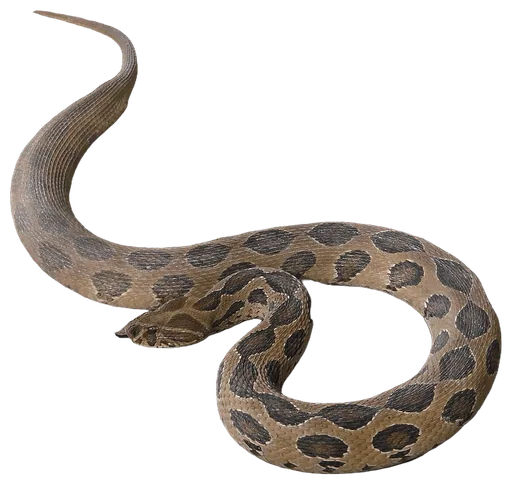
vs Snapping TurtleWins · 50% · Toss-up 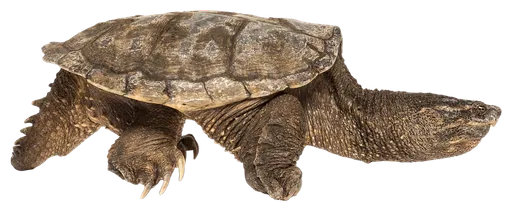 W vs Russell's ViperLoses · 52% · Toss-up
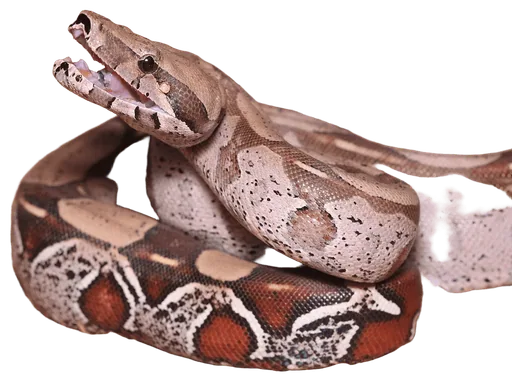
  L vs Boa ConstrictorLoses · 52% · Toss-up
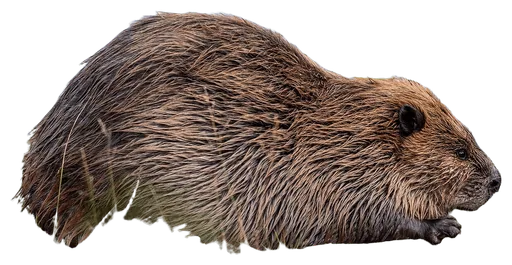
  L vs BeaverLoses · 50% · Toss-up
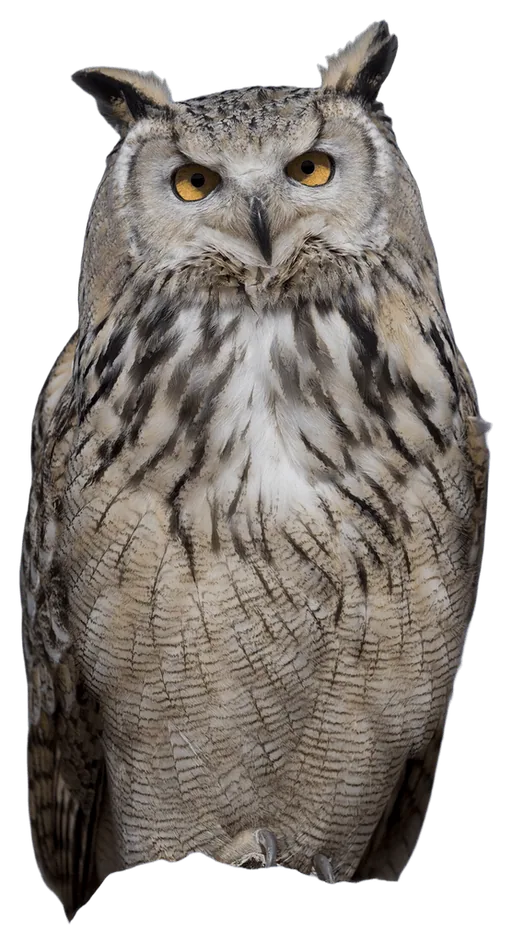
  L vs Great Horned OwlWins · 50% · Toss-up
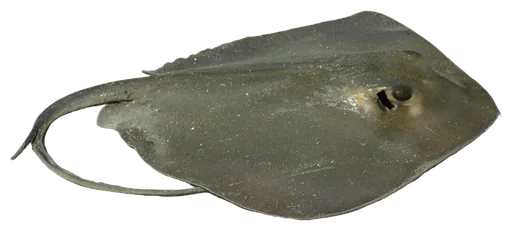
  W vs StingrayWins · 50% · Toss-up
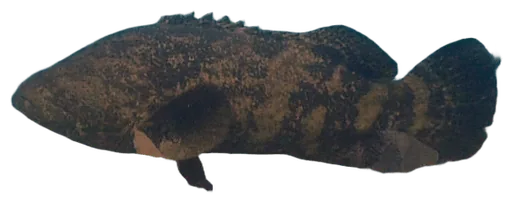
  W vs Goliath GrouperWins · 50% · Toss-up
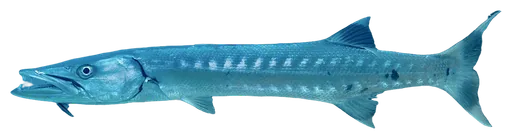
  W vs BarracudaLoses · 50% · Toss-up
  L
L  Pick any opponent
 Bushmaster battle analysis
The bushmaster is the giant among vipers. Adults commonly stretch 2–2.5 m, and the longest reliably recorded reached about 3.65 m. It spends its days hidden in fallen trees or rodent burrows deep in lowland rainforest, and at night coils beside a trail used by spiny rats or agoutis, waiting. Heat-sensing pits between its eyes and nostrils let it aim at a warm body in total darkness.
When it strikes, it delivers one of the largest venom loads of any viper, commonly 200–400 mg. Per milligram the venom is weaker than that of many vipers, but the sheer dose causes bleeding, tissue death, kidney injury and a distinctive vagal syndrome in which the heart slows and blood pressure drops. Confirmed human bites are rare but frequently severe, and about one in eleven reported cases ended in death even with antivenom.
In battle terms the bushmaster's strengths are reach, venom volume and night senses. It is shy, rarely bites unless disturbed, and moves slowly, and its long body is still light by the standards of large animals, around 4.5 kg. A fast or heavy opponent that avoids the first strike has the advantage.
Habitat & range
The bushmaster lives in equatorial forests east of the Andes, in south-eastern Colombia, eastern Ecuador, Peru, northern Bolivia, eastern and southern Venezuela, Trinidad, Guyana, Suriname, French Guiana and much of northern Brazil, with a separate Atlantic Forest population in south-eastern Brazil. It occupies primary and secondary forest and nearby clearings, sheltering in fallen trees, burrows and rodent holes. It needs warm, wet conditions and is found only at low to moderate elevations.
Diet & hunting
Mostly small mammals, especially rodents and marsupials, with occasional birds, reptiles and frogs. It is a sit-and-wait predator that hides beside places where rodents travel. Adults have few predators other than humans.
Social life
Solitary except during courtship and mating. Males follow females' scent trails; after mating, males may stay near females for some time.
Conservation
Listed as Least Concern on the IUCN Red List (2021 assessment, as reported by Wikipedia). Habitat destruction has reduced it in parts of its range, including Colombia and Brazil's Atlantic Forest.
Quick answers
How strong is a Bushmaster?
On the Animal Battle Stats scale, the Bushmaster has an attack rating of 59 and a power index of 49.2 out of 100, which ranks it #194 of 344 animals and puts it in C tier (Capable). Its strongest stat is special (92).
How much does a Bushmaster weigh?
A typical adult Bushmaster weighs about 4.5 kg (10 lb). Rated specimen: healthy adult, 4.5 kg and 225 cm total length, sex unspecified.
How fast is a Bushmaster?
There is no reliable measured top speed for the Bushmaster, so we do not publish one. Its agility rating, which covers acceleration, reflexes and evasion, is 55 out of 100.
What does a Bushmaster eat?
Mostly small mammals, especially rodents and marsupials, with occasional birds, reptiles and frogs. It is a sit-and-wait predator that hides beside places where rodents travel. Adults have few predators other than humans.
Is the Bushmaster endangered?
No. The Bushmaster is listed as Least Concern. Listed as Least Concern on the IUCN Red List (2021 assessment, as reported by Wikipedia). Habitat destruction has reduced it in parts of its range, including Colombia and Brazil's Atlantic Forest.
What animals can beat a Bushmaster?
Among its closest rivals, the Russell's Viper (52%), the Boa Constrictor (52%), the Beaver (50%), the Barracuda (50%) would be favored against the Bushmaster. It would be favored against the Snapping Turtle, the Great Horned Owl, the Stingray, the Goliath Grouper.
Researched 2026-09-28. Ratings are editorial judgments built from these sources; measurements describe a healthy adult.
- Wikipedia, Lachesis mutalength, mass, scales, tail vibration, venom yield and LD50, symptoms, names, range, diet, IUCN status
- Animal Diversity Web, Lachesis mutareproduction, lifespan, behavior, senses, diet
- Reptile Database, Lachesis mutataxonomy, distribution, reproduction
- Diniz-Sousa et al. 2020, Toxicon X (PMC)natural history, venom yield and composition, behavior
- Pardal et al. 2026, Toxicon, review of bushmaster bitesclinical profile
- Cañas et al. 2023, Toxiconvenom effects, captivity, conservation
- Garcês-Filho et al. 2024, Reports (PMC)case report, venom dose, antivenom
- Galizio et al. 2024, Toxiconvenom variation with age
- AnAge, Lachesis mutamass, longevity
Photo: “Lachesis muta.jpg” by Esquilo, CC BY-SA 3.0, background removed and cropped. Original
Suggest a correction