
Bullfrog
Lithobates catesbeianusF tier · Snack4th of 6 amphibians
Size & speed
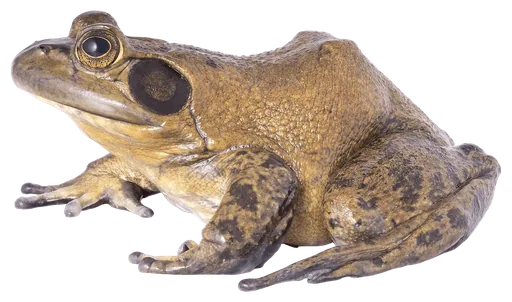
- Weight
- 500 g17.6 oz
- Length
- 15 cm5.9 in
As heavy as 2.5 smartphones
Heavier than 15% of animalsAbout 1.8 credit cards long
Bigger than 8% of animalsThe American bullfrog is North America's largest native frog and a powerful shoreline ambush predator. A mature territorial male combines explosive hindlimb launches, rapid tongue-assisted capture and a broad gape capable of taking surprisingly large prey, including small rodents. Its absolute combat power and durability remain low because it weighs only around half a kilogram and has soft amphibian skin, but its burst agility is excellent.
Detailed ratings
Research-backed ratings on one 0–100 scale for all 344 animals (updated 2026-09-27). How ratings work


Card No. 326 of 344. Every animal on Animal Battle Stats has one: its power, tier and archetype on the front; its six battle stats, abilities and signature move on the back.
Special abilities
Rapid tongue-assisted prey acquisition extends effective capture beyond a simple jaw snap and helps secure small, mobile prey.
Specialized hindlimb musculature and elastic mechanics produce sudden long-distance jumps for attack initiation and escape; field trials documented jumps to 2.2 m.
Unique traits
Adults consume an unusually broad mix of invertebrate and vertebrate prey, including rodents, fish, snakes and other frogs, but practical target size remains constrained by swallowing mechanics.
Mature males combine shoreline ambush ecology with defended breeding territories, making the water's edge both feeding ground and contest arena.
How it fights
Weapons
- The bullfrog is a sit-and-wait generalist predator. It detects a nearby target, closes distance with a sudden lunge or jump, opens a broad gape, uses the tongue and forelimbs to control prey, and swallows prey largely whole. Its practical offensive ceiling is therefore governed by gape and prey restraint rather than high bite pressure.
- USGS diet work in Grand Teton found that bullfrogs with SVL at least 96 mm primarily consumed native rodents, especially meadow voles. A 2024 analysis of 667 gut contents in Southern California likewise found adults more likely than juveniles to consume vertebrate prey. This demonstrates real small-vertebrate predatory capability without implying that a 0.5 kg frog can trade force with medium or large mammals.
Struggles vs
- Extremely low absolute mass versus most roster vertebrates.
- Soft, unarmored body.
- Gape-limited offense.
- Burst locomotion rather than sustained pursuit.
- Ectothermic performance depends strongly on temperature.
- Weight
- 500 g17.6 oz
- Height
- No reliable measurement
- Length
- 15 cm5.9 in
- Top speed
- No reliable measurement
- Bite force
- No reliable measurement
- Lifespan
- 8 years
- Home biome
- Wetlands
- Lifestyle
- Social
Rated specimen: Healthy, fully mature adult male, selected because males are the territorial and directly fighting sex.
Fun facts
- A field study recorded 3,124 jumps, with a maximum of 2.2 m, dramatically exceeding the earlier laboratory literature maximum.
- In Grand Teton National Park, bullfrogs at least 96 mm SVL primarily ate native rodents, especially meadow voles.
- Bullfrogs can function simultaneously as predator, competitor and prey within invaded food webs.
- Their familiar deep male call is commonly rendered as “jug-o-rum.”
- The species has become a model for studying muscle mechanics, jumping and skeletal loading.
Closest rivals by power. Tap one for the full breakdown, or pick any opponent.
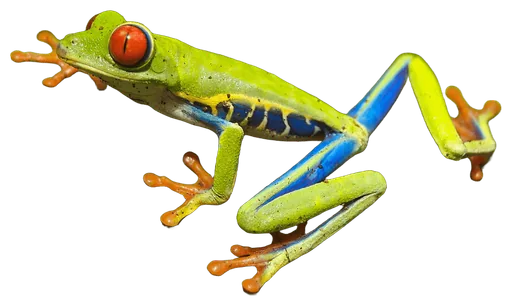
vs HellbenderLoses · 55% · Toss-up 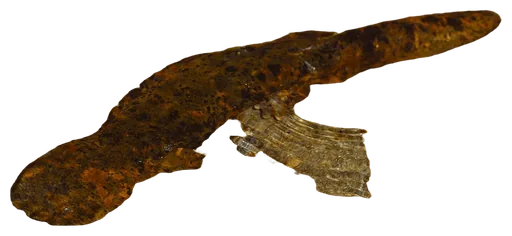 L vs Red-Eyed Tree FrogWins · 68% · Slight edge
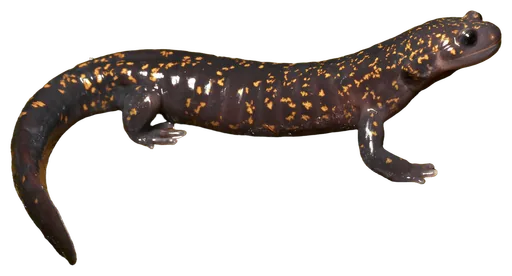
 W vs SalamanderWins · 60% · Slight edge
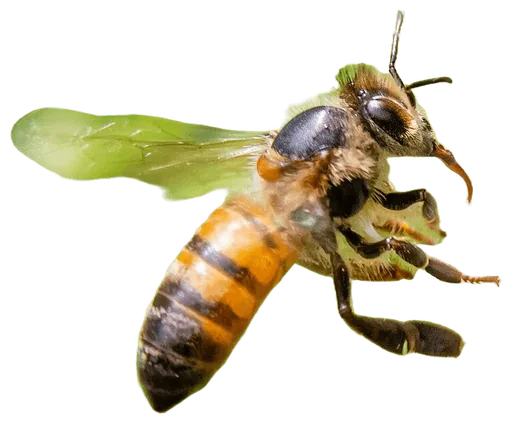
 W vs Africanized Honey BeeWins · 88% · Decisive
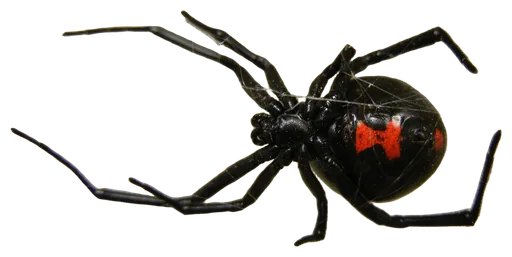
 W vs Black WidowWins · 80% · Clear edge
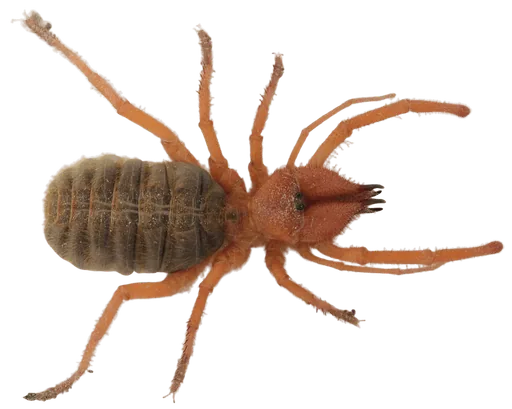
 W vs Camel SpiderWins · 61% · Slight edge
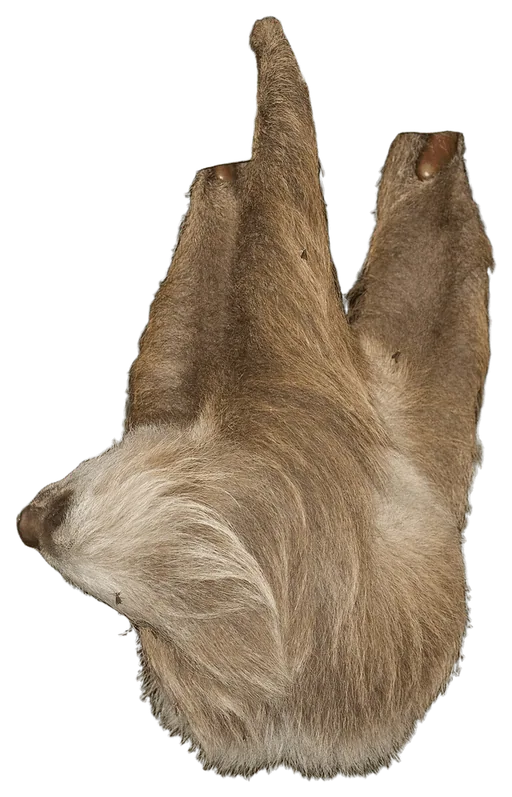
 W vs SlothLoses · 63% · Slight edge
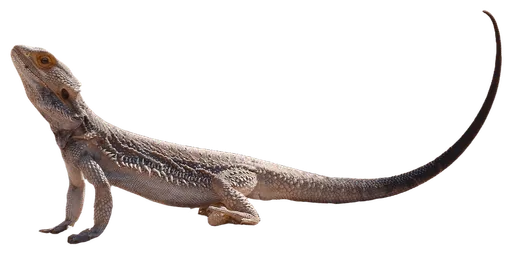
 L vs Bearded DragonWins · 52% · Toss-up
 W
Bullfrog battle analysis
A bullfrog wins by controlling the first instant of contact. It waits low at the water's edge, detects movement, then converts a compact crouch into an explosive launch. At prey scale, the combination of acceleration, mouth opening and tongue-assisted capture can end an encounter before the target establishes distance. The same hindlimb system gives the frog an immediate escape route back to water.
That impressive mechanics must remain correctly scaled. The bullfrog is not a miniature heavyweight. Its body is soft, its jaws are designed primarily for seizing and swallowing rather than crushing, and its roughly half-kilogram mass leaves it badly outmatched by most mammalian and large-reptile opponents. Its strongest ABS identity is therefore not Attack or Defense but Agility: a small ambush predator with exceptional burst repositioning and a remarkably broad prey spectrum.
Habitat & range
Native to eastern and central North America, American bullfrogs occupy permanent or semi-permanent freshwater habitats including ponds, lakes, marshes, reservoirs, slow channels and vegetated shorelines. Human introductions have established invasive populations across western North America and many regions outside the native range.
Diet & hunting
They are opportunistic carnivores. Documented prey includes insects and other invertebrates, crayfish, fish, amphibians, reptiles, small mammals and occasional birds. Prey composition changes with frog size, habitat and available prey. USGS work demonstrates that large adults can shift strongly toward vertebrate prey.
Social life
Adults are not cooperative social hunters. Breeding aggregations form around water, where males advertise acoustically and defend territories. TWRA reports females laying roughly 1,000-5,000 eggs in a surface film and tadpole metamorphosis taking 1-2 years in Tennessee, followed by another 2-3 years to maturity. Reproductive timing varies geographically.
Conservation
The species is globally widespread and not conservation-limited in the way many amphibians are. In introduced ranges it is a major management concern. USGS research links invasive bullfrogs with predation, competition, altered amphibian occurrence and pathogen dynamics. A 2023 landscape-scale study found bullfrog presence associated with reduced occurrence of native amphibians and increased occurrence of amphibian pathogens in the southwestern United States and Sonora.
Quick answers
How strong is a Bullfrog?
On the Animal Battle Stats scale, the Bullfrog has an attack rating of 14 and a power index of 30.3 out of 100, which ranks it #326 of 344 animals and puts it in F tier (Snack). Its strongest stat is agility (73).
How much does a Bullfrog weigh?
A typical adult Bullfrog weighs about 500 g (17.6 oz). Rated specimen: healthy, fully mature adult male, selected because males are the territorial and directly fighting sex.
How fast is a Bullfrog?
There is no reliable measured top speed for the Bullfrog, so we do not publish one. Its agility rating, which covers acceleration, reflexes and evasion, is 73 out of 100.
What does a Bullfrog eat?
They are opportunistic carnivores. Documented prey includes insects and other invertebrates, crayfish, fish, amphibians, reptiles, small mammals and occasional birds. Prey composition changes with frog size, habitat and available prey. USGS work demonstrates that large adults can shift strongly toward vertebrate prey.
What animals can beat a Bullfrog?
Among its closest rivals, the Hellbender (55%), the Sloth (63%) would be favored against the Bullfrog. It would be favored against the Red-Eyed Tree Frog, the Salamander, the Africanized Honey Bee, the Black Widow, the Camel Spider, the Bearded Dragon.
Researched 2026-09-27. Ratings are editorial judgments built from these sources; measurements describe a healthy adult male.
- Tennessee Wildlife Resources Agency, American Bullfrogadult length, sex cues, diet, habitat, reproduction, lifespan
- National Geographic, American Bullfrogmass, adult female length, lifespan context
- Astley et al. 2013, J Exp Biol / PubMedmaximum jump performance
- Olson & Marsh 1998, J Exp Biol / PubMedhindlimb muscle activation
- Wilson et al. 2009 / PubMedskeletal locomotor mechanics
- Flynn et al. 2017, USGSdiet and prey-size capability
- Smith et al. 2024, USGSsex/size caveat and adult diet
- Hossack et al. 2023, USGSinvasion/pathogen ecology
- USGS bullfrog invasion programrange/invasion impacts
- Wikimedia Commons / USFWS, Sam Stukelimage taxon, sex, provenance, dimensions, license
Photo: “American bullfrog (51239614029).jpg” by USFWS Mountain Prairie, Public domain, background removed and cropped. Original
Suggest a correction