

Bowhead Whale
Balaena mysticetus
 #14 of 344
  Arctic Tank Least Concern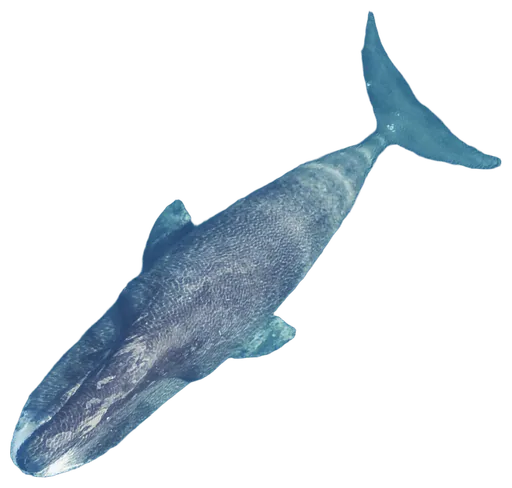
 Fight
FightPhoto: Vicki Beaver, Alaska Fisheries Science Center, NOAA FIsheries, Marine Mammal Permit#14245 · Public domain
The bowhead whale is a 75-tonne Arctic giant that smashes through sea ice with its massive skull, wears the thickest blubber of any whale and can live over 200 years. It is slow and toothless, so it wins by being almost impossible to hurt and by retreating under the ice, not by chasing or striking.
 Attack71
  Defense90.5
  Agility34
  Stamina85
  Intelligence72
  Special82
 Detailed ratings
Research-backed ratings on one 0–100 scale for all 344 animals (updated 2026-09-28). How ratings work
Special abilities
Ability 1Icebreaker SkullA bow-shaped skull about a third of the body length lets the bowhead smash up through sea ice 20 cm thick, with reports of 60 cm. In a battle it can retreat under the ice where most attackers cannot follow and still breathe.
 Ability 2Arctic Blubber Armor
A blubber layer 43–48 cm thick, the thickest of any whale, insulates the body and gives a great depth of tissue before any attacker reaches vital organs.
Unique traits
 TraitTwo-Century Whale
Bowheads can live over 200 years; old harpoon points found in harvested whales and eye-lens aging both support lifespans beyond a century, and their cells repair DNA damage unusually well.
TraitLargest Mouth on EarthThe bowhead has the largest mouth of any animal and the longest baleen plates of any whale, up to about 4.5 m, filtering around 2,000 tonnes of water in a single dive.
How it fights
Weapons
- The bowhead has no teeth. Its tools are sheer mass, broad flukes and a massive, arched skull that takes up a third of its body and can smash through sea ice 20 cm thick or more (NOAA). Ford & Reeves (2008) list the bowhead among five "fight" species that defend themselves physically against killer whales rather than fleeing. A 75-tonne whale that can ram through ice has real blunt-impact potential, but it delivers it slowly: this is one of the slowest large whales.
 Struggles vs
- Very slow; cannot flee from fast predators in open water.
- No teeth or cutting weapon.
- Small flippers and a heavy body make tight turns difficult.
- Calves and young whales are more exposed to killer whales.
- Loss of sea ice removes its main refuge (NOAA notes rising orca scarring as open-water seasons lengthen).
- Weight
- 75 t82.7 US tons
- Height
- No reliable measurement
- Length
- 16 m52.5 ft
- Top speed
- 10 km/h6 mph
- Bite force
- No reliable measurement
- Lifespan
- 100 years
- Home biome
- Arctic
- Lifestyle
- Mostly solitary
Rated specimen: Healthy mature adult female, 16.0 m long and 75,000 kg.
Fun facts
- Bowheads may live more than 200 years, longer than any other mammal known.
- A bowhead can break through sea ice about 20 cm thick with its head.
- Its blubber can be about 48 cm thick, the thickest of any whale.
- Spitsbergen bowheads sang 184 different song types in just three years.
- A feeding bowhead can filter roughly 2,000 tonnes of water in a single dive.
- Unlike most whales, bowheads have no dorsal fin.
Closest rivals by power. Tap one for the full breakdown, or pick any opponent.
vs Fin WhaleWins · 50% · Toss-up 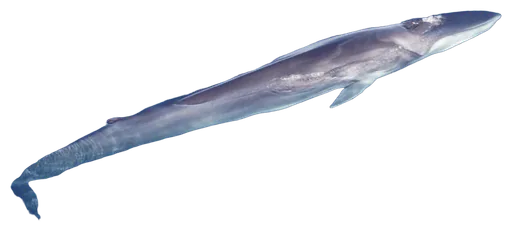 W vs RhinocerosWins · 51% · Toss-up
 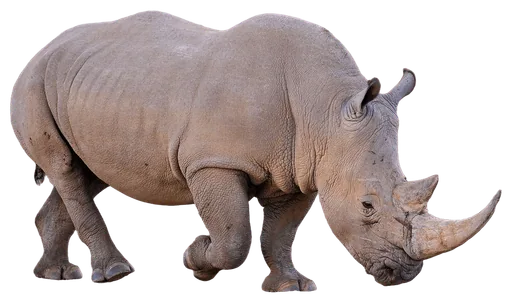 W vs False Killer WhaleLoses · 52% · Toss-up
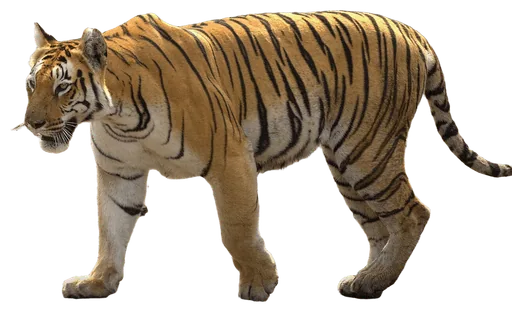
 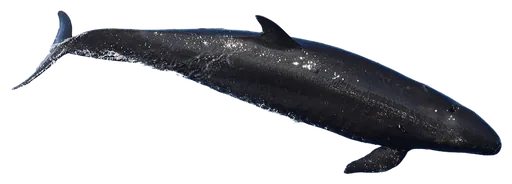 L vs Bengal TigerWins · 52% · Toss-up
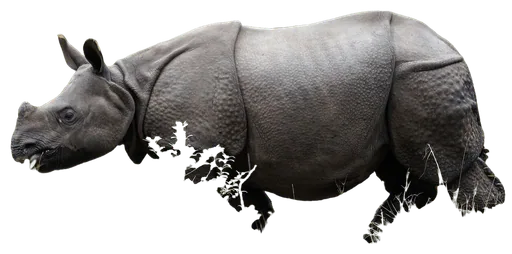
  W vs Indian RhinocerosWins · 52% · Toss-up
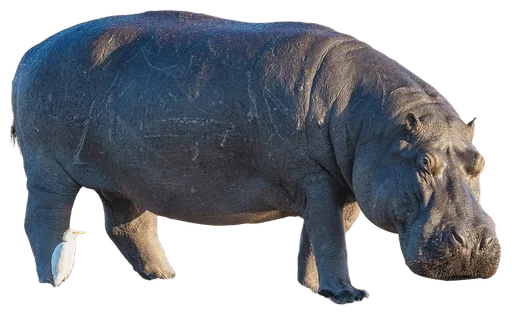
  W vs HippopotamusLoses · 52% · Toss-up
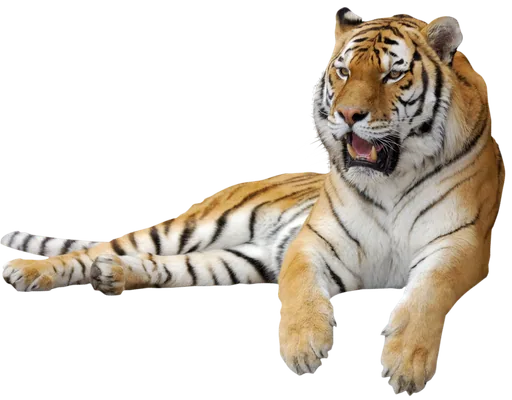
  L vs Siberian TigerWins · 52% · Toss-up
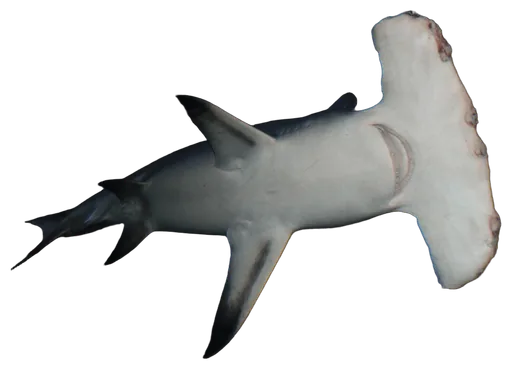
  W vs Hammerhead SharkWins · 50% · Toss-up
  W
W  Pick any opponent
 Bowhead Whale battle analysis
The bowhead is built like an icebreaker. A third of its 16-metre body is head, arched into the bow shape that names it, and it uses that skull to punch up through sea ice to breathe. Wrapped around the body is a layer of blubber around 45 cm thick, the thickest of any whale, which keeps it warm in near-freezing water and puts a huge depth of fat between any attacker and its vital organs.
Bowheads are slow, cruising at walking pace and managing only about 10 km/h when fleeing, so they cannot outrun killer whales. Instead they belong to the "fight" group of baleen whales and, above all, they use the ice. A bowhead can slip beneath a floe where orcas are reluctant to follow and break through to breathe. Only a small share of Western Arctic bowheads carry killer whale scars, fewer than in other whales studied, though that share is rising as the open-water season lengthens.
Their long life is remarkable. Eye-lens aging put several males past 100 years, traditional harpoon heads have been recovered from recently harvested whales, and bowhead cells repair DNA damage unusually well. Males sing an ever-changing library of songs, with 184 types recorded in one population over three years. In battle terms the bowhead is a near-ceiling defender with very low agility and an attack limited by slowness and the lack of any real weapon beyond its colossal mass and skull.
Habitat & range
Bowheads live almost exclusively in Arctic and subarctic waters with seasonal sea ice, mainly between 60° and 75° north (NOAA). They follow the ice edge as it advances and retreats (ADW), and are the only baleen whale that spends its whole life in these waters.
Diet & hunting
Bowheads filter small crustaceans such as copepods and krill, plus other invertebrates and small fish, straining huge volumes of water through the longest baleen of any whale; each needs about 100 metric tons of prey a year (NOAA). Tagged whales off West Greenland swam slowly at depth with the mouth open, filtering continuously (Simon et al. 2009).
Social life
Bowheads usually travel alone or in small groups of up to six (Wikipedia) and sometimes feed side by side in echelons (ADW). Males sing long, complex and changing songs during the breeding season (Stafford et al. 2018).
Conservation
Globally the bowhead is listed as Least Concern on the IUCN Red List (2018 assessment, as summarized by Wikipedia), though some stocks are listed as endangered. All bowheads are listed as endangered under the US Endangered Species Act (NOAA). Commercial whaling reduced the world population to under 3,000 by 1921; the Western Arctic stock has recovered to about 15,229 (NOAA). Threats now include loss of sea ice, rising killer whale predation, vessel strikes, entanglement, noise and oil and gas development (NOAA).
Quick answers
How strong is a Bowhead Whale?
On the Animal Battle Stats scale, the Bowhead Whale has an attack rating of 71 and a power index of 73.1 out of 100, which ranks it #14 of 344 animals and puts it in S tier (Apex). Its strongest stat is defense (90.5).
How much does a Bowhead Whale weigh?
A typical adult Bowhead Whale weighs about 75 t (82.7 US tons). Rated specimen: healthy mature adult female, 16.0 m long and 75,000 kg.
How fast is a Bowhead Whale?
The Bowhead Whale's top speed is about 10 km/h (6 mph). Its agility rating is 34 out of 100.
What does a Bowhead Whale eat?
Bowheads filter small crustaceans such as copepods and krill, plus other invertebrates and small fish, straining huge volumes of water through the longest baleen of any whale; each needs about 100 metric tons of prey a year (NOAA). Tagged whales off West Greenland swam slowly at depth with the mouth open, filtering continuously (Simon et al. 2009).
Is the Bowhead Whale endangered?
No. The Bowhead Whale is listed as Least Concern. Globally the bowhead is listed as Least Concern on the IUCN Red List (2018 assessment, as summarized by Wikipedia), though some stocks are listed as endangered. All bowheads are listed as endangered under the US Endangered Species Act (NOAA). Commercial whaling reduced the world population to under 3,000 by 1921; the Western Arctic stock has recovered to about 15,229 (NOAA). Threats now include lo
What animals can beat a Bowhead Whale?
Among its closest rivals, the False Killer Whale (52%), the Hippopotamus (52%) would be favored against the Bowhead Whale. It would be favored against the Fin Whale, the Rhinoceros, the Bengal Tiger, the Indian Rhinoceros, the Siberian Tiger, the Hammerhead Shark.
Researched 2026-09-28. Ratings are editorial judgments built from these sources; measurements describe a healthy adult female.
- NOAA Fisheries, Bowhead Whale species pagelength, lifespan, skull, ice-breaking, blubber, baleen, diet, senses, predation, status
- Animal Diversity Web, Balaena mysticetusmass, length by sex, mouth, baleen, ice refuge
- Wikipedia, Bowhead whalespeed, dives, group size, IUCN status
- George et al. 1999, Canadian Journal of Zoologyage, growth, maturity
- George et al. 1994, Arctickiller whale predation, scarring
- Simon et al. 2009, Proceedings Bfeeding speed, filtration, dives
- Stafford et al. 2018, Biology Letterssong repertoire
- Firsanov et al. 2025, Naturelongevity, mass, DNA repair
- Ford & Reeves 2008, Mammal Review (Crossref record)fight strategy
- Wikimedia Commons, Bowhead Whale NOAAimage candidate
Photo: “Bowhead Whale NOAA (cropped).jpg” by Vicki Beaver, Alaska Fisheries Science Center, NOAA FIsheries, Marine Mammal Permit#14245, Public domain, background removed and cropped. Original
Suggest a correction