
Bottlenose Dolphin
Tursiops truncatusA tier · Elite9th of 51 sea creatures
Size & speed

- Weight
- 260 kg573 lb
- Length
- 2.75 m9 ft
- Top speed
- 29 km/h18 mph
As heavy as 3.7 people
Heavier than 84% of animals1.6× a person's height
Bigger than 83% of animalsFaster than most people can sprint
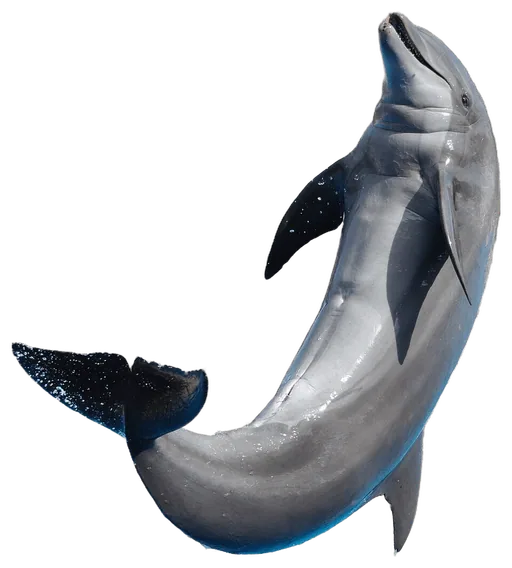
Faster than 31% of animalsThe common bottlenose dolphin is a 200-plus-kilogram aquatic tactician built around mobility, echolocation and behavioral flexibility. A mature male combines robust conical teeth, mass-backed ramming and elite three-dimensional maneuverability with one of the roster's strongest sensory and cognitive packages. It is not a shark-like cutting weapon or a whale-sized tank: its battle advantage comes from finding, reading and repeatedly out-positioning opponents rather than overpowering giant animals head-on.
Detailed ratings
Research-backed ratings on one 0–100 scale for all 344 animals (updated 2026-09-27). How ratings work


Card No. 28 of 344. Every animal on Animal Battle Stats has one: its power, tier and archetype on the front; its six battle stats, abilities and signature move on the back.
Special abilities
Broadband echolocation actively interrogates underwater targets. Experimental work demonstrates fine angular and spatial discrimination, allowing the dolphin to track and classify objects even when vision is degraded.
Bottlenose dolphins learn and deploy locally specialized foraging techniques, including fishwhacking and, in Shark Bay populations, sponge-assisted foraging. The matchup value is behavioral flexibility rather than an unrealistic damage bonus.
Unique traits
Male bottlenose dolphins can maintain multilevel cooperative relationships among unrelated individuals, evidence of unusually sophisticated social cognition. Solo ABS scoring credits the cognitive flexibility, not extra allied bodies.
The fusiform body, powerful flukes and steering flippers enable rapid turns, rolls, depth changes and repeated repositioning in a fully three-dimensional arena.
How it fights
Weapons
- The primary direct weapon is the robust toothed rostrum/jaw system, with roughly 18-26 pairs of conical teeth per jaw. Teeth are optimized for gripping fish rather than slicing flesh like a shark's serrated teeth. Secondary offensive tools include high-speed body checks, ramming with the rostrum/head region, tail-fluke strikes and coordinated harassment. Sarasota researchers document fishwhacking, in which dolphins strike fleeing fish with the flukes hard enough to launch prey from the water.
Struggles vs
- Conical gripping teeth are less destructive than serrated shark dentition.
- No true armor.
- Must breathe air.
- Much smaller than orcas, sperm whales and giant baleen whales.
- Aquatic specialization makes terrestrial combat effectively impossible.
- Weight
- 260 kg573 lb
- Height
- No reliable measurement
- Length
- 2.75 m9 ft
- Top speed
- 29 km/h18 mph
- Bite force
- No reliable measurement
- Lifespan
- 42.5 years
- Home biome
- Ocean
- Lifestyle
- Social
Rated specimen: Healthy mature coastal adult male, using the exceptionally well-studied Sarasota Bay population as a practical representative rather than an offshore maximum-size individual.
Fun facts
- Sarasota mature males average about 26% heavier than adult females.
- Bottlenose dolphins live in changing fission-fusion societies rather than permanently fixed pods.
- Sarasota researchers documented fishwhacking, where a dolphin can strike a fish with its tail flukes and launch it into the air.
- Experimental biosonar work measured roughly 1.5° horizontal angular resolution.
- Shark Bay dolphins are famous for carrying marine sponges on their rostra during specialized foraging.
- Male Shark Bay dolphins form multilevel alliance networks unusually complex outside humans.
Closest rivals by power. Tap one for the full breakdown, or pick any opponent.
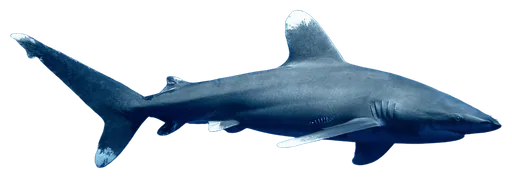
vs WalrusLoses · 57% · Toss-up 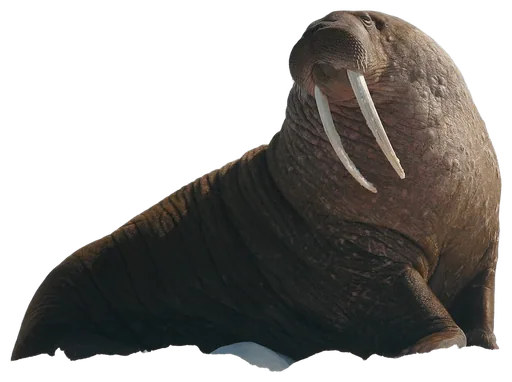 L vs Oceanic Whitetip SharkWins · 55% · Toss-up
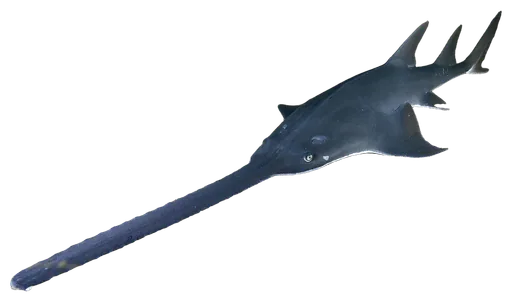
 W vs SawfishWins · 51% · Toss-up
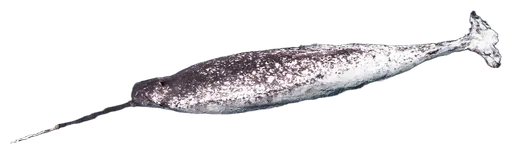
 W vs NarwhalLoses · 57% · Toss-up
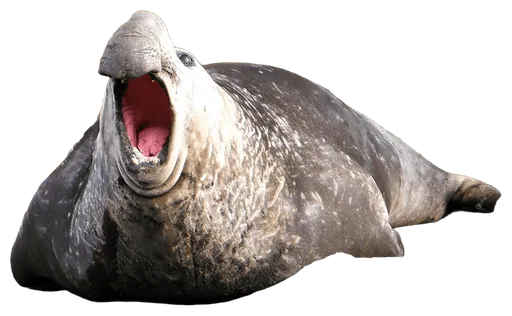
 L vs Elephant SealLoses · 64% · Slight edge
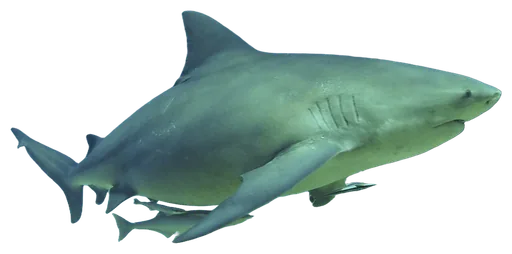
 L vs Bull SharkWins · 58% · Slight edge
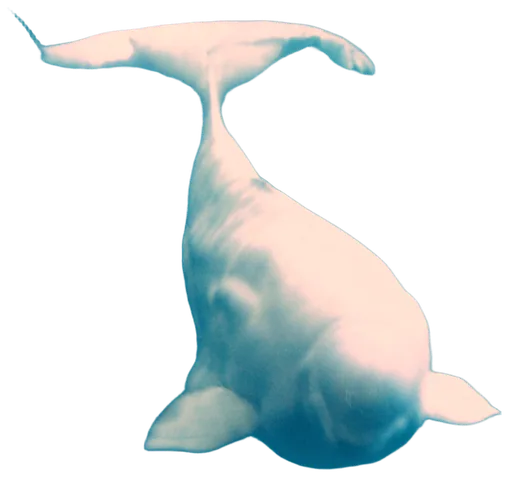
 W vs Beluga WhaleLoses · 63% · Slight edge
 L vs Black CaimanLoses · 51% · Toss-up
 L
Bottlenose Dolphin battle analysis
A bottlenose dolphin's familiar silhouette hides a highly specialized combat geometry. The body is a muscular hydrodynamic projectile: flukes generate thrust, flippers steer, the dorsal fin stabilizes, and the animal can redirect through a three-dimensional water column in ways terrestrial fighters cannot reproduce. At roughly 260 kg for the canonical Sarasota male, there is enough mass behind a body check or rostral strike to matter, while dozens of conical teeth can grip flesh or prey. Yet the dolphin is not a miniature orca. Its teeth are not shark-like saws, its body lacks armor, and its raw damage output should remain below the roster's major marine macropredators.
Its strongest advantage is information. Echolocation allows active interrogation of the underwater environment, and controlled experiments show fine spatial resolution. That sensory stream feeds an unusually flexible brain. Different bottlenose populations develop different foraging traditions, some use tools, and males in Shark Bay maintain layered alliances. In an ABS matchup this should not be translated into fictional foresight or free teammates. It does justify unusually strong perception, tactical adjustment and rapid behavioral switching.
This creates a clear profile: moderate direct Attack and Defense, elite aquatic Agility, strong Stamina, and top-tier Intelligence/Special. The dolphin is most dangerous when it has water, space and time to sense and reposition. Its advantages collapse on land and diminish against opponents so large, armored or lethally armed that superior positioning cannot create a viable damage path.
Habitat & range
NOAA describes T. truncatus as globally distributed through temperate and tropical coastal and offshore waters. Coastal animals use bays, estuaries, sounds and continental-shelf habitats; offshore ecotypes occupy deeper oceanic waters.
Diet & hunting
Primarily fishes, squid and crustaceans. Teeth seize prey, which is commonly swallowed rather than chewed. Diet and technique vary strongly by region.
Social life
The species uses fission-fusion social organization rather than a permanently fixed pod. Group composition changes frequently. Male alliance networks can persist across multiple social levels.
Conservation
The common bottlenose dolphin is globally treated as Least Concern by IUCN, but NOAA lists several U.S. stocks as depleted under the Marine Mammal Protection Act. Global species status therefore must not erase severe local-stock pressures.
Quick answers
How strong is a Bottlenose Dolphin?
On the Animal Battle Stats scale, the Bottlenose Dolphin has an attack rating of 55 and a power index of 68.4 out of 100, which ranks it #28 of 344 animals and puts it in A tier (Elite). Its strongest stat is intelligence (94).
How much does a Bottlenose Dolphin weigh?
A typical adult Bottlenose Dolphin weighs about 260 kg (573 lb). Rated specimen: Healthy mature coastal adult male, using the exceptionally well-studied Sarasota Bay population as a practical representative rather than an offshore maximum-size individual.
How fast is a Bottlenose Dolphin?
The Bottlenose Dolphin's top speed is about 29 km/h (18 mph). Its agility rating is 88 out of 100.
What does a Bottlenose Dolphin eat?
Primarily fishes, squid and crustaceans. Teeth seize prey, which is commonly swallowed rather than chewed. Diet and technique vary strongly by region.
Is the Bottlenose Dolphin endangered?
No. The Bottlenose Dolphin is listed as Least Concern. The common bottlenose dolphin is globally treated as Least Concern by IUCN, but NOAA lists several U.S. stocks as depleted under the Marine Mammal Protection Act. Global species status therefore must not erase severe local-stock pressures.
What animals can beat a Bottlenose Dolphin?
Among its closest rivals, the Walrus (57%), the Narwhal (57%), the Elephant Seal (64%), the Beluga Whale (63%), the Black Caiman (51%) would be favored against the Bottlenose Dolphin. It would be favored against the Oceanic Whitetip Shark, the Sawfish, the Bull Shark.
Researched 2026-09-27. Ratings are editorial judgments built from these sources; measurements describe a healthy adult male.
- NOAA Fisheries, Common Bottlenose DolphinTaxonomy, distribution, size, lifespan, reproduction, threats/status
- Sarasota Dolphin Research Program, BiologyCanonical male size
- Sarasota Dolphin Research Program, Fun FactsSexual size difference, fishwhacking, social terminology
- U.S. National Park Service, Bottlenose DolphinDentition, size variation, distribution
- Branstetter et al. 2022, JASAEcholocation spatial acuity
- Branstetter et al. 2003, BioacousticsEcholocation discrimination
- Smolker et al. 1997, EthologySponge tool-associated foraging
- Gerber et al. 2022, PNASMultilevel male alliances/social cognition
- Acevedo-Gutiérrez 1999, Journal of MammalogyFeeding/aerial behavior
- Chesapeake Bay ProgramNatural-history speed/respiration
- NOAA-hosted UNCW fact sheetCruise speed, dimensions
Photo: “Dolphin salto qtl1.jpg” by Quartl, CC BY-SA 3.0, background removed and cropped. Original
Suggest a correction