

Bonobo
Pan paniscus
 #110 of 273
  Jungle Skirmisher Endangered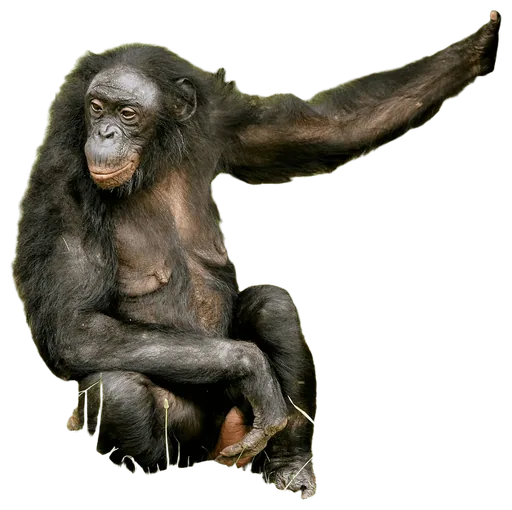
 Fight
FightPhoto: Hans Hillewaert · CC BY-SA 4.0
The bonobo is a slim, long-legged great ape of the Congo rainforest, nearly as clever as the chimpanzee but built lighter and armed with smaller canines. It relies on climbing skill, grasping hands and powerful female coalitions rather than brute force, and its fights are frequent but seldom deadly.
 Attack41
  Defense29
  Agility82
  Stamina56
  Intelligence94
  Special70
 Detailed ratings
Research-backed ratings on one 0–100 scale for all 273 animals (updated 2026-09-28). How ratings work
Special abilities
Ability 1Sisterhood CoalitionFemales team up against males in the large majority of their coalitions, allowing them to outrank most males in some communities; in a fight this means an attacker can face several allies at once.
 Ability 2Stone-Flake Craft
Captive bonobos Kanzi and Panbanisha struck flint cores to make sharp flakes and used them for specific tasks such as cutting and digging, showing a capacity for making and using tools.
Unique traits
 TraitPeacemaking Ape
Conflict is common but usually low in severity, and tension is often defused through social and sexual contact; across decades of study only a single suspected killing was recorded.
TraitUpright Long-Legged BuildA slim upper body, narrow shoulders and long legs make the bonobo more at ease walking upright than the chimpanzee.
How it fights
Weapons
- A bonobo fights with its hands, arms and teeth: it grabs, pulls, hits and bites. Its canines are smaller than a chimpanzee's and it is more lightly built, so its damage output is lower. Male bonobos are nonetheless physically aggressive: a 2024 study found male bonobos engaged in about 2.8 times as many aggressive encounters and about three times as many physical attacks as male chimpanzees, although these fights were rarely severe. Bonobos also hunt: at LuiKotale and other sites they catch forest antelope (duikers) and occasionally monkeys.
 Struggles vs
- Light build and small canines for an ape.
- No armor and low body fat.
- Tends to de-escalate rather than press a lethal fight.
- Much less powerful than gorillas or large predators.
- Weight
- 42 kg93 lb
- Height
- 1.15 m3.8 ft
- Length
- 80 cm31.5 in
- Top speed
- No reliable measurement
- Bite force
- No reliable measurement
- Lifespan
- 40 years
- Home biome
- Jungle
- Lifestyle
- Social
Rated specimen: Healthy mature wild adult male of about 42.0 kg, head-body about 80 cm, able to stand about 115 cm tall.
Fun facts
- Bonobos live only south of the Congo River; the river keeps them apart from chimpanzees.
- In a comparison of killings across the genus Pan, chimpanzees accounted for 152 while bonobos had just one suspected case.
- Male bonobos were found to be about three times more physically aggressive than male chimpanzees, though fights were rarely serious.
- Female bonobos outranked about 70% of males in their communities in one study.
- Kanzi the bonobo learned hundreds of lexigram symbols and made stone tools.
- Bonobos have been seen sharing meat with members of a different community.
Closest rivals by power. Tap one for the full breakdown, or pick any opponent.
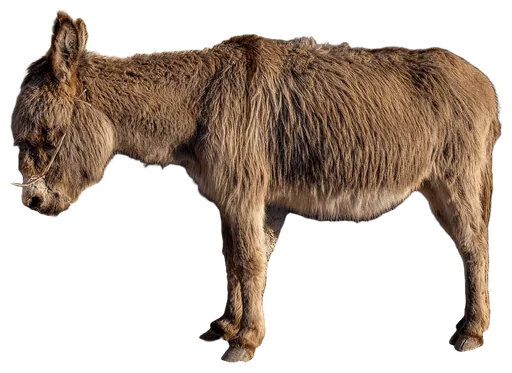
vs African Wild DogLoses · 50% · Toss-up 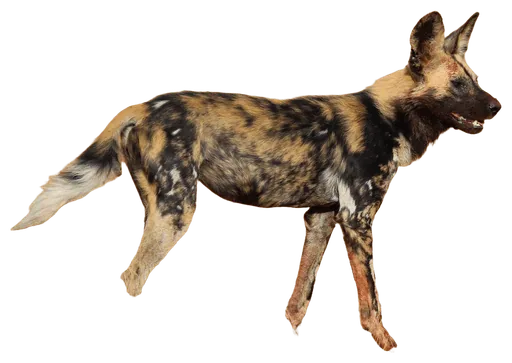 L vs DonkeyWins · 50% · Toss-up
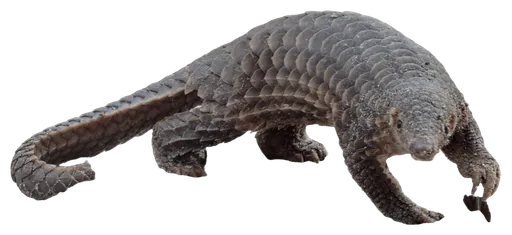
  W vs PangolinLoses · 50% · Toss-up
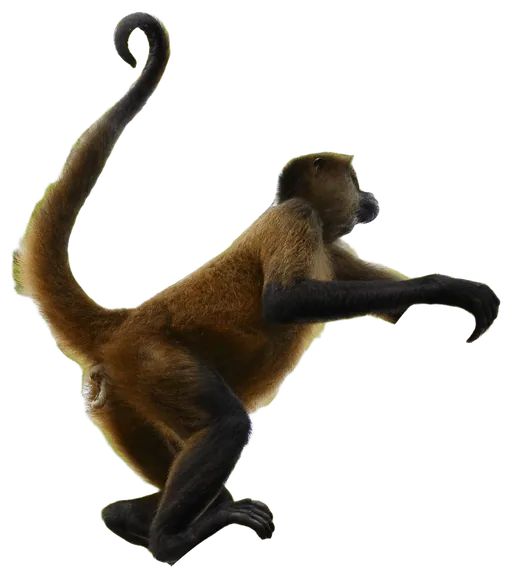
  L vs Spider MonkeyWins · 50% · Toss-up
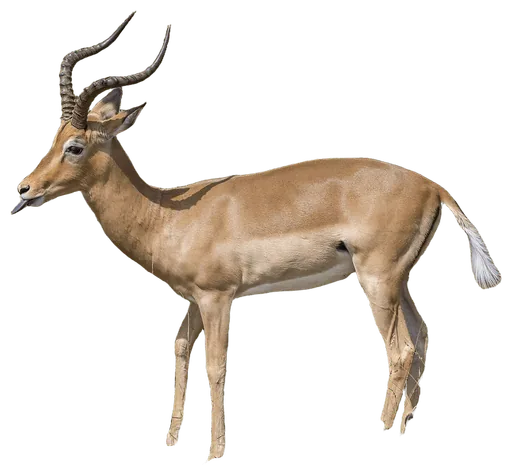
  W vs ImpalaWins · 51% · Toss-up
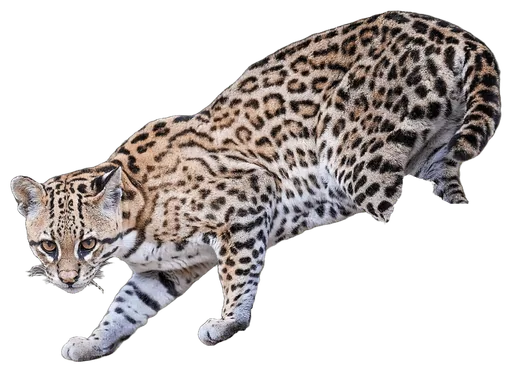
  W vs OcelotWins · 51% · Toss-up
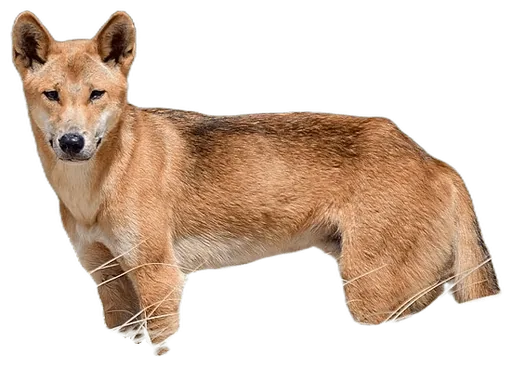
  W vs DingoWins · 51% · Toss-up
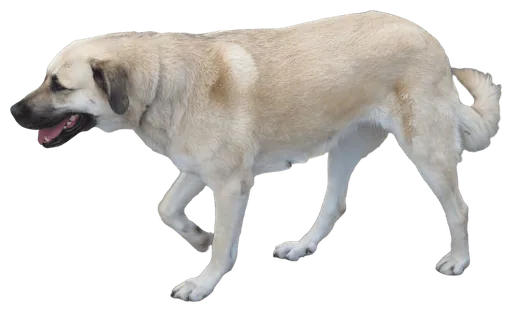
  W vs KangalLoses · 51% · Toss-up
  L
L  Pick any opponent
 Bonobo battle analysis
Bonobos look like slender chimpanzees with long legs, a small head and a dark face framed by hair parted down the middle. They live only south of the Congo River, in swampy and lowland rainforest, and spend their days feeding on fruit in trees and moving between patches on the ground, often walking upright to carry food.
Their social life is what makes them famous. Females band together and use coalitions to keep males in check, so in many communities females hold the top ranks. Tension is often defused with social and sexual contact, and across decades of study only one bonobo killing was even suspected. Recent work has added nuance: male bonobos squabble more often than male chimpanzees, and in 2026 researchers documented an infant dying after an intergroup attack. The bonobo is peaceful by chimpanzee standards, not harmless.
In ABS terms the bonobo sits just below the chimpanzee on physical ratings, because it is lighter, more gracile and has smaller canines, and just below it on Intelligence and Special because wild bonobos use fewer tools. Its cognitive capacity is still elite: Kanzi's symbol use and stone-flake making show what a bonobo mind can do. In a matchup, its best assets are climbing, dexterity and allies, not raw damage.
Habitat & range
Lowland rainforest and swamp forest south of the Congo River in the Democratic Republic of the Congo, with some forest-savanna mosaic at the range edge. The river separates bonobos from chimpanzees.
Diet & hunting
Mainly ripe fruit, plus leaves, stems, seeds, flowers, mushrooms, invertebrates and occasional meat. Hunting of duikers and small primates is more frequent at some newer study sites than once believed, and meat is often shared.
Social life
Fission-fusion communities of several dozen animals that split into smaller parties during the day. Females move to a new community at maturity and build alliances there. Female coalitions give females high social rank relative to males.
Conservation
Endangered on the IUCN Red List. Population estimates range roughly from 5,000 to 17,000 animals but are very uncertain because conflict has limited survey work. Main threats are hunting for bushmeat, habitat loss and civil unrest.
Quick answers
How strong is a Bonobo?
On the Animal Battle Stats scale, the Bonobo has an attack rating of 41 and a power index of 53.3 out of 100, which ranks it #110 of 273 animals and puts it in B tier (Strong). Its strongest stat is intelligence (94).
How much does a Bonobo weigh?
A typical adult Bonobo weighs about 42 kg (93 lb). Rated specimen: healthy mature wild adult male of about 42.0 kg, head-body about 80 cm, able to stand about 115 cm tall.
How fast is a Bonobo?
There is no reliable measured top speed for the Bonobo, so we do not publish one. Its agility rating, which covers acceleration, reflexes and evasion, is 82 out of 100.
What does a Bonobo eat?
Mainly ripe fruit, plus leaves, stems, seeds, flowers, mushrooms, invertebrates and occasional meat. Hunting of duikers and small primates is more frequent at some newer study sites than once believed, and meat is often shared.
Is the Bonobo endangered?
The Bonobo's conservation status is Endangered. Endangered on the IUCN Red List. Population estimates range roughly from 5,000 to 17,000 animals but are very uncertain because conflict has limited survey work. Main threats are hunting for bushmeat, habitat loss and civil unrest.
What animals can beat a Bonobo?
Among its closest rivals, the African Wild Dog (50%), the Pangolin (50%), the Kangal (51%) would be favored against the Bonobo. It would be favored against the Donkey, the Spider Monkey, the Impala, the Ocelot, the Dingo.
Researched 2026-09-28. Ratings are editorial judgments built from these sources; measurements describe a healthy adult male.
- Animal Diversity Web, Pan paniscusmass, length, height, build, status
- UN-GRASP, Bonobospopulation, threats
- Wilson et al. 2014, Naturelethal aggression
- Mouginot et al. 2024, Current Biologymale aggression
- García et al. 2026, Scientific Reportsintergroup violence
- Surbeck et al. 2025, Communications Biologyfemale coalitions
- Max Planck Society press releasefemale dominance
- National Geographic, female bonobosfemale rank
- Hohmann and Fruth 2008, Current Biologyhunting
- Wamba hunting chapter, Springerhunting frequency
- Roffman et al. 2012, PNASstone tools
- Scientific American, Kanzi obituarycognition, longevity
- Facial width and canine size in Pandentition
- ZME Science, bonobo anatomybody composition
- Commons, male bonobo Jasongoimage candidate
Photo: “Pan paniscus (female).jpg” by Hans Hillewaert, CC BY-SA 4.0, background removed and cropped. Original
Suggest a correction