
Bongo
Tragelaphus eurycerusB tier · Strong69th of 163 mammals
Size & speed

- Weight
- 300 kg661 lb
- Length
- 2.4 m7.9 ft
As heavy as 4.3 people
Heavier than 85% of animalsAbout as long as a person is tall
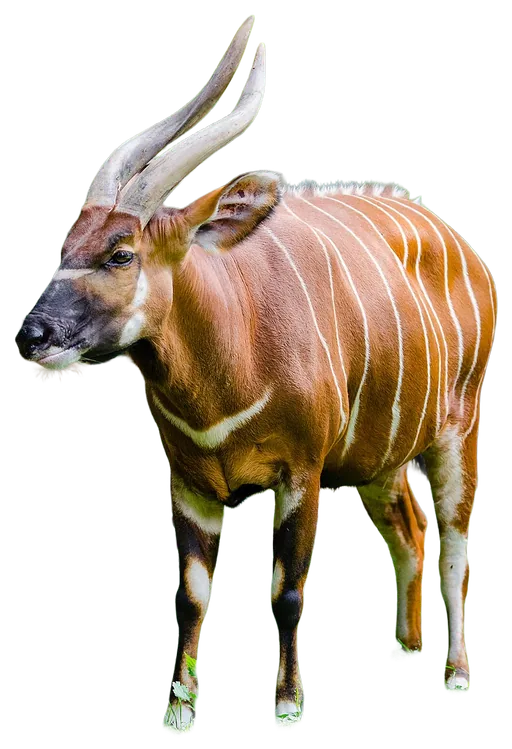
Bigger than 78% of animalsThe bongo is Africa's largest forest antelope, a heavy, secretive browser armed with long spiraled horns and specialized for moving through dense vegetation. A mature bull combines roughly 300 kg of mass with nearly meter-long horns, sharp hearing and disruptive striping. It is dangerous when cornered or fighting rivals, but normally relies on detection, camouflage and rapid escape rather than prolonged aggression.
Detailed ratings
Research-backed ratings on one 0–100 scale for all 344 animals (updated 2026-09-27). How ratings work


Card No. 109 of 344. Every animal on Animal Battle Stats has one: its power, tier and archetype on the front; its six battle stats, abilities and signature move on the back.
Special abilities
Long 75-99 cm spiraled horns give a mature bull substantial frontal reach for thrusting, hooking and shoving during defense or male conflict.
When fleeing through thick vegetation, a bongo raises its head so the backward-sweeping horns lie along the back, helping it move rapidly through undergrowth rather than snagging the weapon system on branches.
Unique traits
Roughly 10-15 pale vertical stripes break up the large body's outline among forest stems and shifting light, improving concealment in its native habitat.
Exceptionally broad ears support sharp hearing in dense forest where visual detection distances are limited.
How it fights
Weapons
- The bongo's main weapons are its long, thick, spiraled horns backed by a large bovine body. Adult males spar and can engage in serious fights, though visual displays commonly prevent escalation. A frontal thrust, hook or shove can produce deep penetrating or blunt trauma. The horns approach a meter in length, providing substantially more reach than short-horned bovids.
Struggles vs
- No true armor.
- Shy escape-first behavior limits willingness to press combat.
- Herbivore weapon delivery is frontal and relatively predictable.
- Soft abdomen, throat, legs and hindquarters remain vulnerable.
- Exact maximum speed and wild endurance are poorly quantified.
- Weight
- 300 kg661 lb
- Height
- 1.25 m4.1 ft
- Length
- 2.4 m7.9 ft
- Top speed
- No reliable measurement
- Bite force
- No reliable measurement
- Lifespan
- 20 years
- Home biome
- Jungle
- Lifestyle
- Social
Rated specimen: Healthy mature adult male, approximately 300.0 kg, representing a substantial prime bull without using the 405 kg upper extreme.
Fun facts
- The bongo is the largest African forest antelope.
- Both males and females have horns, unusual among many spiral-horned antelopes.
- Mature bulls darken markedly with age.
- Horns can approach one meter in length.
- A fleeing bongo carries its head high so the horns sweep along its back through vegetation.
- Mineral licks can draw together animals that otherwise spend much of their time in smaller groups.
Closest rivals by power. Tap one for the full breakdown, or pick any opponent.
vs OtterWins · 68% · Slight edge 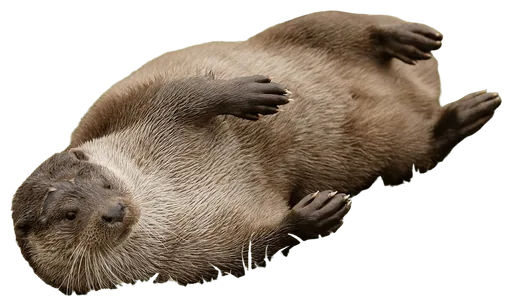 W vs Clouded LeopardWins · 65% · Slight edge
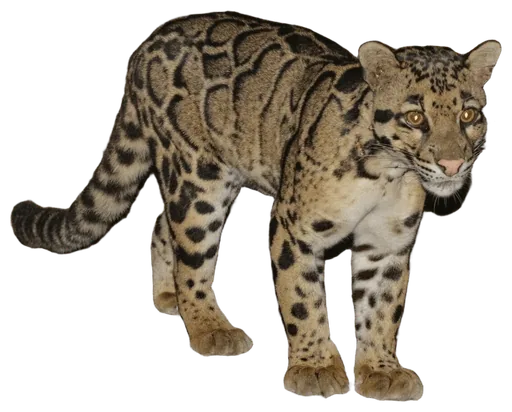 W vs LynxWins · 64% · Slight edge
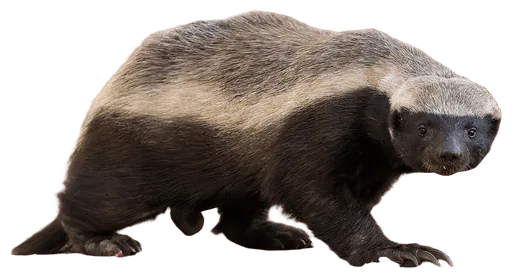
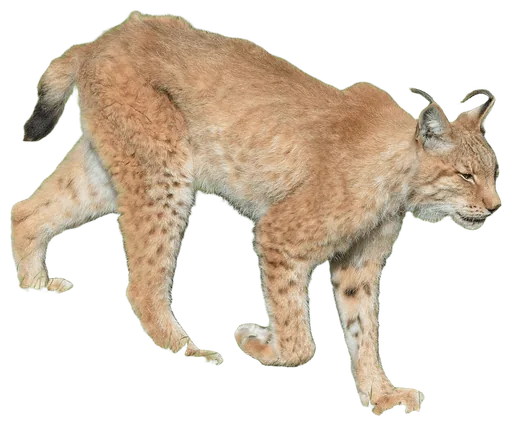 W vs Honey BadgerWins · 68% · Slight edge
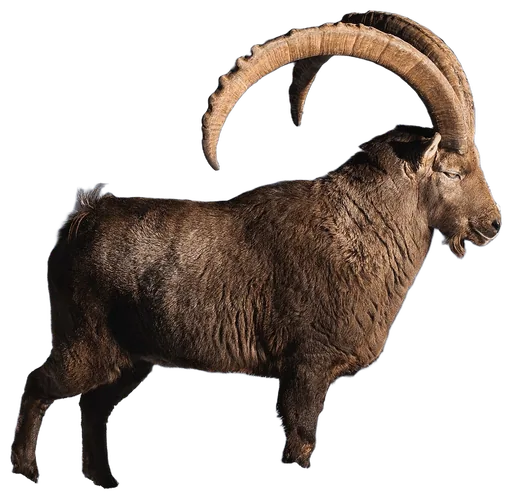
 W vs IbexWins · 57% · Toss-up
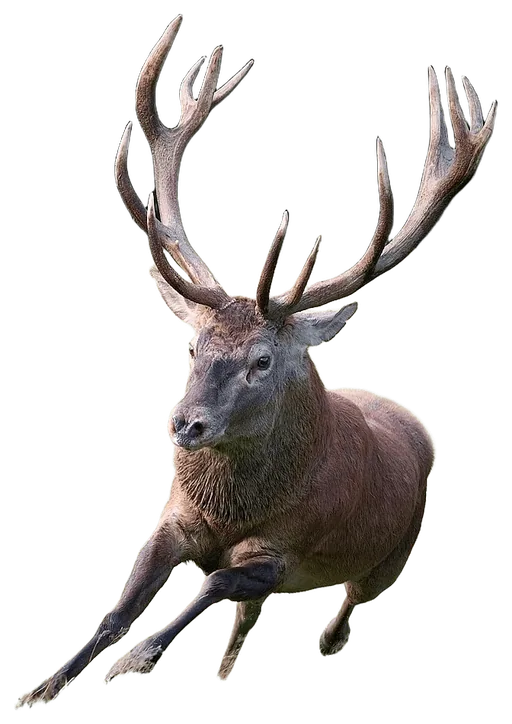
 W vs Red DeerWins · 52% · Toss-up
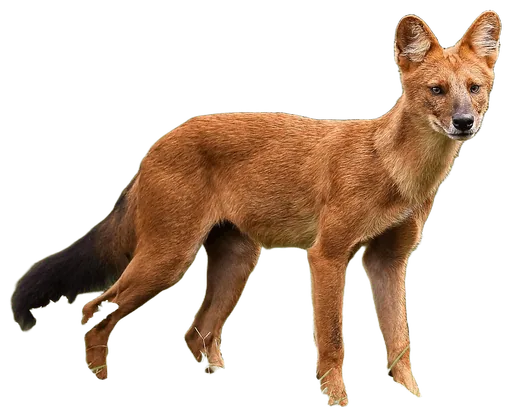
 W vs DholeWins · 65% · Slight edge
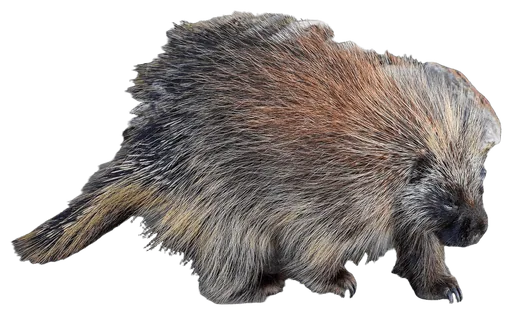
 W vs PorcupineWins · 68% · Slight edge
 W
Bongo battle analysis
A mature male bongo is a large animal hidden inside a forest specialist's body plan. At roughly 300 kg it outweighs many familiar predators, yet its proportions, coloration and behavior are suited to dense vegetation rather than open-country confrontation. Pale vertical stripes fracture the chestnut-to-dark-brown body against stems and shafts of light. Broad ears provide useful warning in habitat where sightlines are short.
The weapon system is unusually impressive. Both sexes grow spiraled horns, while mature males carry the heavier set. Measurements of 75-99 cm mean a bull can threaten an opponent at meaningful distance. Male contests often remain ritualized, with posture and horn presentation reducing the need for injury, but serious fights can occur. This supports a strong but not elite Attack score: the weapon is formidable, yet the bongo lacks the predatory grappling toolkit of a big cat and the mass-backed collision potential of near-tonne bovids.
Its most distinctive locomotor feature is how the horns integrate with forest escape. Rather than lowering the head like a charging open-country bovid, a fleeing bongo raises it so the horns lie along the back, reducing obstruction from branches. This is a real habitat-specific combat-survival advantage. The result is an animal that is more maneuverable in thick cover than its mass suggests, but still not a small-animal agility specialist.
Defense is mostly conventional biology: mass, robust bones and muscle, horns, vigilance and concealment. There is no armor. Large carnivores can kill bongos, and the animal's soft abdomen, throat, legs and hindquarters remain vulnerable. Its shy disposition further means that ABS should not confuse weapon potential with willingness to press a fight.
Habitat & range
Bongos inhabit tropical rainforests, dense forest, forest-savanna mosaics, edges, regrowth and, for mountain bongos, montane forest and bamboo zones. Lowland populations occur across parts of West and Central Africa; the mountain/eastern form survives in highly restricted Kenyan highland forests.
Diet & hunting
They are herbivorous browsers consuming leaves, shoots, vines, bark, grasses, roots, flowers and fruit. Mineral/salt licks are important and may attract multiple individuals. Browsing and fruit consumption contribute to forest vegetation dynamics and seed movement.
Social life
Females and young often associate in small groups, with larger aggregations reported at mineral licks. Mature males are frequently solitary and may avoid similar-sized rivals, joining females around mating opportunities. ADW reports groups from a handful of animals up to roughly 50.
Conservation
At the species level, the bongo has undergone substantial pressure from hunting, snares, logging and habitat fragmentation. The eastern/mountain bongo is far more imperiled than the widespread lowland form. The Mountain Bongo Project states that fewer than 100 mountain bongos remain in the wild. Production data should avoid applying the mountain subspecies' Critically Endangered status to every bongo without qualification.
Quick answers
How strong is a Bongo?
On the Animal Battle Stats scale, the Bongo has an attack rating of 59 and a power index of 55.4 out of 100, which ranks it #109 of 344 animals and puts it in B tier (Strong). Its strongest stat is agility (62).
How much does a Bongo weigh?
A typical adult Bongo weighs about 300 kg (661 lb). Rated specimen: Healthy mature adult male, approximately 300.0 kg, representing a substantial prime bull without using the 405 kg upper extreme.
How fast is a Bongo?
There is no reliable measured top speed for the Bongo, so we do not publish one. Its agility rating, which covers acceleration, reflexes and evasion, is 62 out of 100.
What does a Bongo eat?
They are herbivorous browsers consuming leaves, shoots, vines, bark, grasses, roots, flowers and fruit. Mineral/salt licks are important and may attract multiple individuals. Browsing and fruit consumption contribute to forest vegetation dynamics and seed movement.
Is the Bongo endangered?
The Bongo's conservation status is Critically Endangered. At the species level, the bongo has undergone substantial pressure from hunting, snares, logging and habitat fragmentation. The eastern/mountain bongo is far more imperiled than the widespread lowland form. The Mountain Bongo Project states that fewer than 100 mountain bongos remain in the wild. Production data should avoid applying the mountain subspecies' Critically Endangered status to every bo
What animals can beat a Bongo?
The Bongo is favored against all of its closest rivals, including the Otter, the Clouded Leopard, the Lynx, the Honey Badger, the Ibex, the Red Deer, the Dhole, the Porcupine.
Researched 2026-09-27. Ratings are editorial judgments built from these sources; measurements describe a healthy adult male.
- Animal Diversity Web, University of MichiganMale 240-405 kg; female 210-235 kg; horns 75-99 cm; dimorphism; reproduction; social behavior; captive longevity
- African Wildlife Foundation225-410 kg, ~1.2 m shoulder, diet, habitat, predators, salt licks, male conflict, escape behavior
- Mountain Bongo ProjectLarge male up to 405 kg/1.3 m/2.5 m; mountain-bongo status and ecology
- Marwell ZooMountain-bongo head-body 220-235 cm, shoulder 122-128 cm, sex-specific masses, lifespan
- Denver Zoo Conservation AllianceForest escape mechanics, horn posture, hearing, camouflage, dimensions
- PBS Nature1.7-2.5 m body-length range, 75-99 cm horns, broad mass ranges
- Wikimedia Commons, Joe SchneidExact-species male image, 2848×4288, CC BY-SA 3.0, Quality Image
Photo: “File:Bongo (28857049261).jpg” by Mathias Appel, CC0, background removed. Original
Suggest a correction