

Bombardier Beetle
Brachinus crepitans
 #262 of 273
  Forest Chemical Warfare Not Evaluated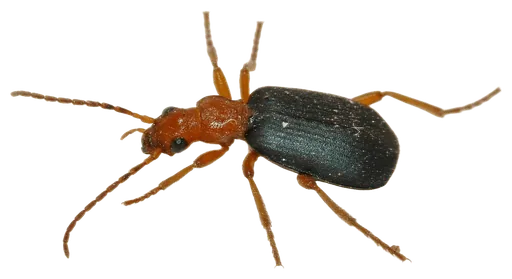
 Fight
FightPhoto: Francisco Welter-Schultes · CC0
The bombardier beetle is an 8 mm ground beetle that defends itself with a chemical explosion. When grabbed, it mixes stored chemicals with enzymes in a reaction chamber and fires a pulsed spray at about 100 °C, aimed precisely at the attacker. It is a superb small-scale defender but has almost no power to hurt large animals.
 Attack5
  Defense16
  Agility48
  Stamina28
  Intelligence14
  Special85
 Detailed ratings
Research-backed ratings on one 0–100 scale for all 273 animals (updated 2026-09-28). How ratings work
Special abilities
Ability 1Boiling Pulse-Jet SprayHydroquinones and hydrogen peroxide are mixed with catalase and peroxidase in a reaction chamber, producing irritating benzoquinones at about 100 °C that are fired in a rapid train of small explosions, hundreds per second.
 Ability 2Swivel-Tip Aiming
The abdomen tip can be turned so the spray hits the exact spot being attacked, in many directions and even forward over the beetle's back.
Unique traits
 TraitStomach Escape Artist
In experiments with a related bombardier beetle, 43% of toads that swallowed one vomited it back up, and every vomited beetle was still alive and active.
TraitParasitoid ChildhoodIts larvae hunt down the pupae of Amara ground beetles in the soil, feed on them and finish growing in about 20 days.
How it fights
Weapons
- The primary weapon is the hot, pulsed benzoquinone spray fired from the tip of the abdomen. In photographic studies of bombardier beetles, Eisner and Aneshansley showed that the abdomen tip can be turned to aim the spray at a stimulus in many directions, including forward over the beetle's own back. The mandibles are a minor secondary tool.
 Struggles vs
- Tiny body with negligible absolute strength.
- Spray is limited in range and supply.
- A large animal can crush it without ever being sprayed effectively.
- No active offensive weapon against anything bigger than small invertebrates.
- Weight
- 0 g0 oz
- Height
- No reliable measurement
- Length
- 0.8 cm0.3 in
- Top speed
- No reliable measurement
- Bite force
- No reliable measurement
- Lifespan
- 1 years
- Home biome
- Forest
- Lifestyle
- Mostly solitary, nocturnal
Rated specimen: Healthy adult, 8 mm long, sex unspecified.
Fun facts
- Its spray reaches about 100 °C, close to the boiling point of water.
- Each discharge is a string of tiny explosions, hundreds per second.
- Scientists watched the explosions happen inside living beetles using synchrotron X-rays filmed at 2,000 frames per second.
- It can aim the spray in many directions, even forward over its own back.
- Toads that swallow bombardier beetles sometimes vomit them back up, alive.
- Its larvae are parasitoids that eat the pupae of other ground beetles.
Closest rivals by power. Tap one for the full breakdown, or pick any opponent.
vs Emperor ScorpionLoses · 50% · Toss-up 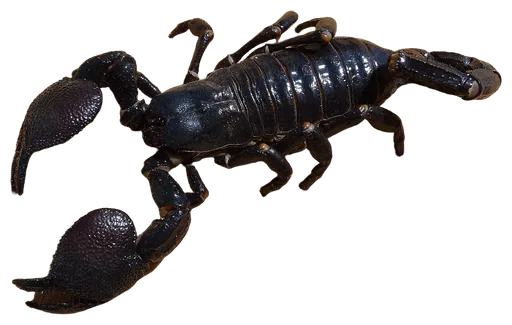 L vs Tasmanian DevilWins · 51% · Toss-up
 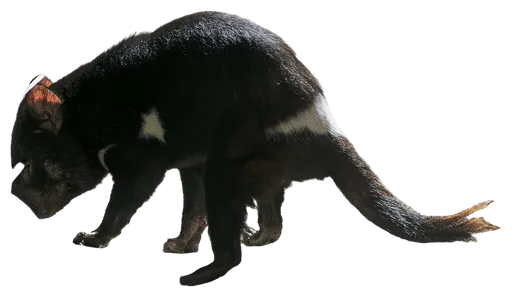 W vs Hercules BeetleWins · 54% · Toss-up
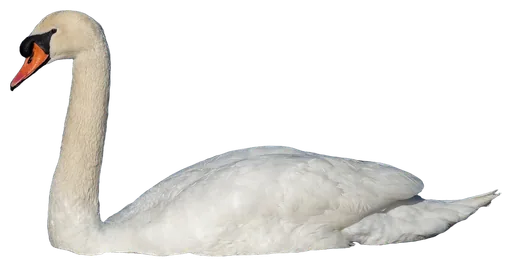
 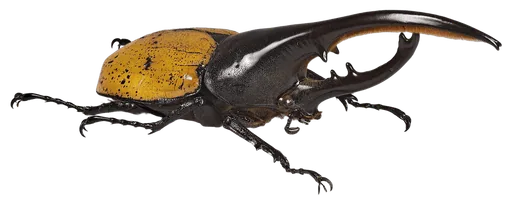 W vs SwanLoses · 53% · Toss-up
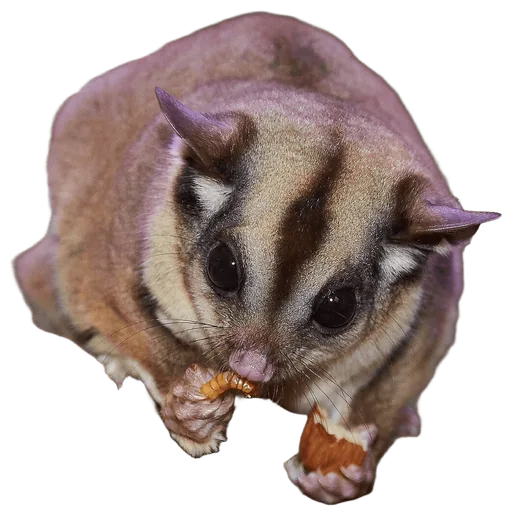
  L vs Sugar GliderWins · 54% · Toss-up
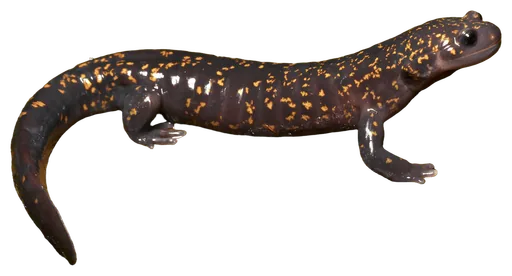
  W vs SalamanderLoses · 54% · Toss-up
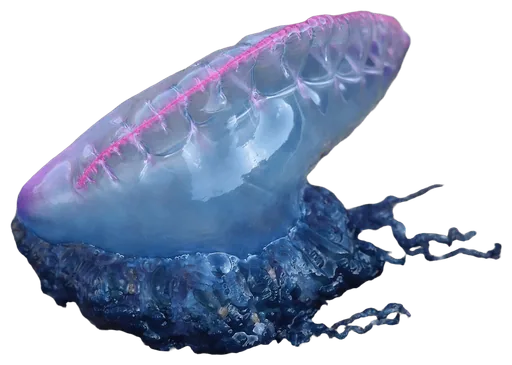
  L vs Portuguese Man o' WarLoses · 55% · Toss-up
  L vs Africanized Honey BeeLoses · 57% · Toss-up
  L
L  Pick any opponent
 Bombardier Beetle battle analysis
The bombardier beetle looks like an ordinary little ground beetle, red at the front and dark behind, hiding under stones on chalk grassland. Its secret is in its abdomen. Two glands store hydroquinones and hydrogen peroxide. When something seizes the beetle, the mix flows into a reaction chamber lined with catalase and peroxidase, and the reaction releases oxygen, irritating benzoquinones and enough heat to bring the spray to about 100 °C.
The spray does not come out as one blast. It is a rapid series of small explosions, hundreds per second, controlled by a flexible membrane and a valve inside the chamber, as X-ray filming of living beetles has shown. The beetle can swivel its abdomen tip to hit the exact spot where it is being attacked, even over its own back. Experiments with a related bombardier beetle showed the weapon working from inside a predator: toads that swallowed the beetles often vomited them up again, and the beetles walked away.
On the absolute battle scale, the bombardier beetle is a tiny specialist. Its spray earns it one of the higher Special scores among insects and a Defense score above armoured beetles of much greater mass, but its Attack and Size sit near the floor. It wins by making itself too unpleasant to eat, not by harming large opponents, and anything big enough to crush it without hesitating wins easily.
Habitat & range
In Britain, Brachinus crepitans lives under stones and leaf rosettes in short, dry grassland, usually on chalk or limestone, including chalk quarries and arable field margins. It is mainly southern, with most modern records from coastal areas of southern England and South Wales, plus inland sites on the Cotswold and Northamptonshire limestones and Huntingdonshire boulder clays. It is also widespread in continental Europe.
Diet & hunting
Larvae are specialised ectoparasitoids of Amara ground-beetle pupae; adult activity peaks in June, matching the activity of their hosts. The adult diet was not resolved in the sources found in this pass. Adults are preyed on by many small predators but are well protected by their spray.
Social life
Solitary during the active season; adults overwinter in groups under stones, often with other ground beetles.
Conservation
Not Evaluated: no IUCN Red List assessment was located in this pass. In Britain the species is listed as Nationally Scarce (B), with a much reduced inland distribution compared with older records.
Quick answers
How strong is a Bombardier Beetle?
On the Animal Battle Stats scale, the Bombardier Beetle has an attack rating of 5 and a power index of 26.5 out of 100, which ranks it #262 of 273 animals and puts it in F tier (Snack). Its strongest stat is special (85).
How much does a Bombardier Beetle weigh?
A typical adult Bombardier Beetle weighs about 0 g (0 oz). Rated specimen: healthy adult, 8 mm long, sex unspecified.
How fast is a Bombardier Beetle?
There is no reliable measured top speed for the Bombardier Beetle, so we do not publish one. Its agility rating, which covers acceleration, reflexes and evasion, is 48 out of 100.
What does a Bombardier Beetle eat?
Larvae are specialised ectoparasitoids of Amara ground-beetle pupae; adult activity peaks in June, matching the activity of their hosts. The adult diet was not resolved in the sources found in this pass. Adults are preyed on by many small predators but are well protected by their spray.
Is the Bombardier Beetle endangered?
The Bombardier Beetle's conservation status is Not Evaluated. Not Evaluated: no IUCN Red List assessment was located in this pass. In Britain the species is listed as Nationally Scarce (B), with a much reduced inland distribution compared with older records.
What animals can beat a Bombardier Beetle?
Among its closest rivals, the Emperor Scorpion (50%), the Swan (53%), the Salamander (54%), the Portuguese Man o' War (55%), the Africanized Honey Bee (57%) would be favored against the Bombardier Beetle. It would be favored against the Tasmanian Devil, the Hercules Beetle, the Sugar Glider.
Researched 2026-09-28. Ratings are editorial judgments built from these sources; measurements describe a healthy adult.
- Wikipedia, Brachinus crepitanslength, appearance, habitat
- BioInfo (UK), Brachinus crepitansUK range and status
- Worcestershire Biological Records Centre, bombardier beetle recordhabitat, spray description
- Arndt et al. 2015, Science: spray pulsation mechanismpulsing, internal mechanism
- MIT News on Arndt et al. 2015spray description
- C&EN, explosive spray mechanism revealedspray figures
- Dean et al. 1990, Science: biological pulse jetpulse rate
- Eisner & Aneshansley 1999, PNAS: spray aimingaiming
- Vogel et al. 2025, Royal Society Open Sciencegland chemistry in B. crepitans
- Same study, PMC full textbenzoquinone-rich hot spray
- Sugiura & Sato 2018, Biology Lettersescape from predators
- Anti-predator defences of a bombardier beetle vs frogs (PMC)predator interactions
- Saska & Honek 2004, J Zool: development of B. explodens and B. crepitanslarval biology, development time
- Synchronization of Brachinus and its host, Annals ESAseasonality, overwintering
- Wikipedia, Bombardier beetlegeneral chemistry
- Wikimedia Commons, Brachinus crepitans photoimage candidate
Photo: “Brachinus-crepitans-11-fws.jpg” by Francisco Welter-Schultes, CC0, background removed and cropped. Original
Suggest a correction