
Bobcat
Lynx rufusC tier · Capable108th of 163 mammals
Size & speed

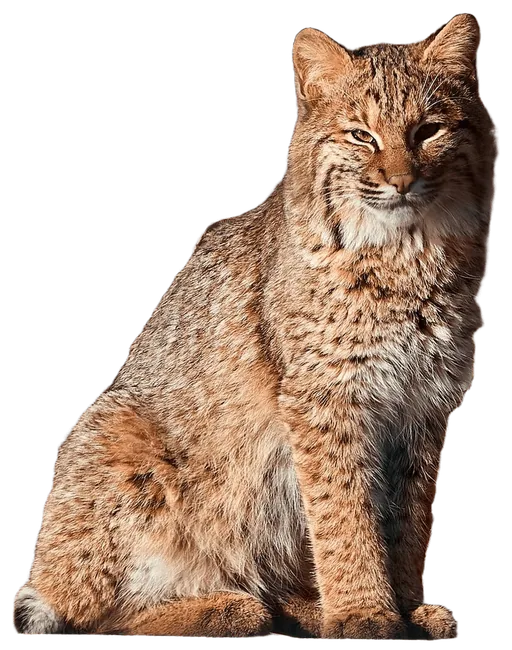
- Weight
- 10 kg22 lb
- Length
- 87 cm34.3 in
As heavy as 2.2 house cats
Heavier than 46% of animalsAbout 2.9 rulers long
Bigger than 39% of animalsThe bobcat is a compact North American ambush cat built around stealth, explosive pouncing and precise close-range control. A representative male weighs only about 10 kg, so its absolute power is modest across the full ABS roster, but its agility, senses and hunting tactics are formidable. Claws secure prey while a felid killing bite finishes the grapple, and broad habitat flexibility lets bobcats thrive from deserts to forests and swamps. Their weakness is scale: without armor or pack support, large opponents can overwhelm them if evasive movement and terrain cannot prevent direct contact.
Detailed ratings
Research-backed ratings on one 0–100 scale for all 344 animals (updated 2026-09-27). How ratings work


Card No. 186 of 344. Every animal on Animal Battle Stats has one: its power, tier and archetype on the front; its six battle stats, abilities and signature move on the back.
Special abilities
Bobcats can place hind feet into the impressions of the forefeet, reducing hunting noise and supporting unusually quiet close approaches before a pounce.
Long muscular legs, retractile claws and felid spinal flexibility convert a concealed stalk into a rapid pounce and grapple, especially in brush or broken terrain.
Unique traits
The short signature tail distinguishes the species and reduces a long trailing appendage while the cat moves through dense cover, though it offers less counterbalance than a long arboreal tail.
Bobcats alter prey use across habitats and seasons, allowing the same predator design to function from deserts and swamps to temperate forests and suburban edges.
How it fights
Weapons
- The primary killing system is the felid combination of canines, jaw closure and forelimb control. Claws hook and stabilize prey while the jaws seek vulnerable head, neck or throat regions. The compact body, long muscular legs and flexible spine let the cat rapidly convert stalking position into a pounce.
Struggles vs
- Only about 10 kg canonically, creating a severe absolute-force disadvantage against large predators and megafauna.
- No armor and limited tolerance for crushing or penetrating trauma.
- Short-burst hunting style rather than elite pursuit endurance.
- Killing bite requires close contact.
- Solitary combat means no routine pack coordination.
- Weight
- 10 kg22 lb
- Height
- 53 cm20.9 in
- Length
- 87 cm34.3 in
- Top speed
- No reliable measurement
- Bite force
- No reliable measurement
- Lifespan
- 10 years
- Home biome
- Forest
- Lifestyle
- Social
Rated specimen: Representative healthy mature adult male in prime condition.
Fun facts
- The species name rufus refers to reddish coloration.
- A Texas male average of about 87 cm total length is substantially longer than many people expect from a cat commonly described as only twice domestic-cat size.
- One directly observed hunt involved more than an hour of stalking before a chase lasting only 12.3 seconds.
- Bobcats can put their hind feet into their front-foot tracks to reduce hunting noise.
- Forensic DNA work identified bobcats as the predator in 25 fisher deaths in a California study.
- GPS cluster research in Michigan documented bobcat kill sites involving white-tailed deer, showing that the species can occasionally kill well above its routine rabbit/rodent prey scale.
Closest rivals by power. Tap one for the full breakdown, or pick any opponent.
vs American Pit Bull TerrierLoses · 55% · Toss-up 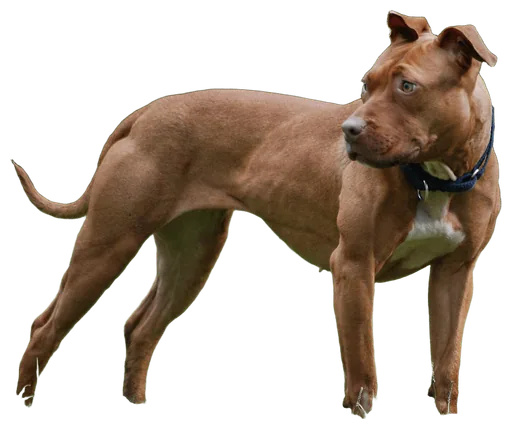 L vs GibbonWins · 52% · Toss-up
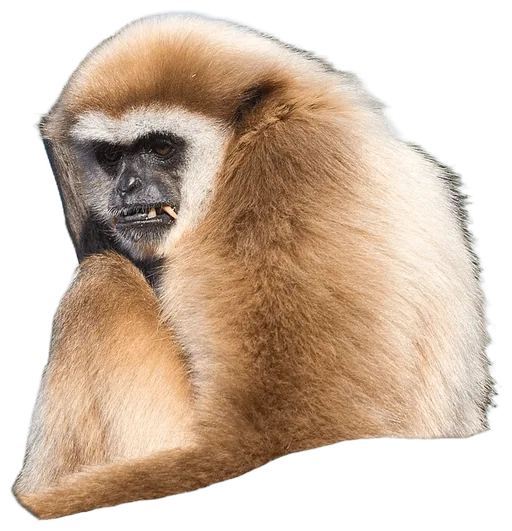 W vs LlamaLoses · 66% · Slight edge
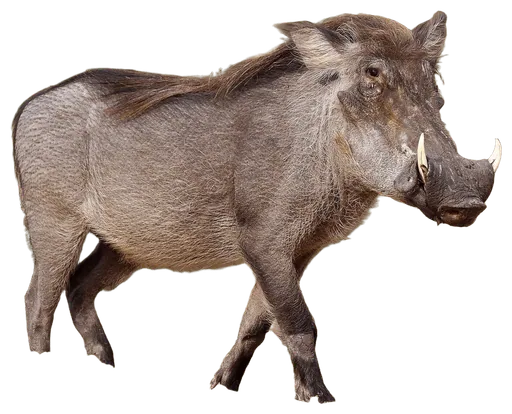
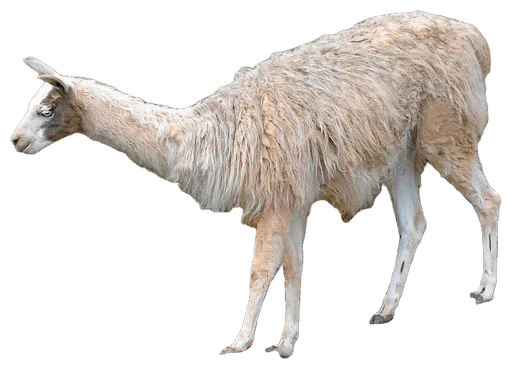 L vs WarthogLoses · 62% · Slight edge
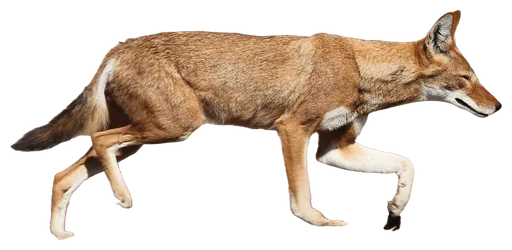
 L vs Ethiopian WolfLoses · 54% · Toss-up
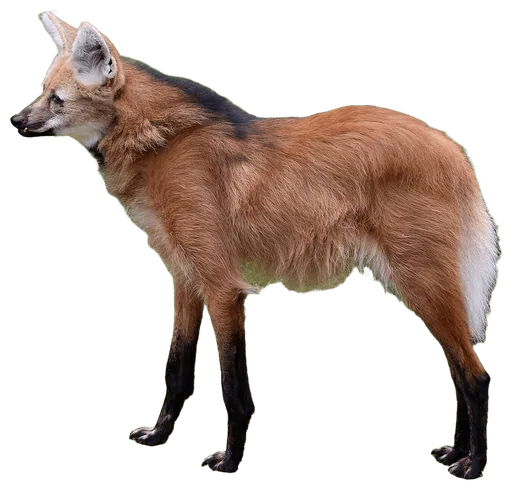
 L vs Maned WolfLoses · 55% · Toss-up
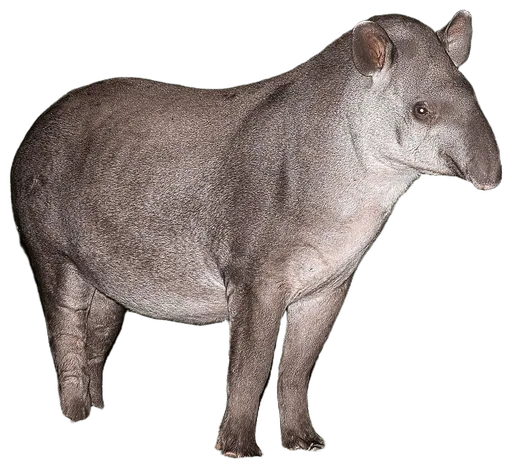
 L vs TapirLoses · 68% · Slight edge
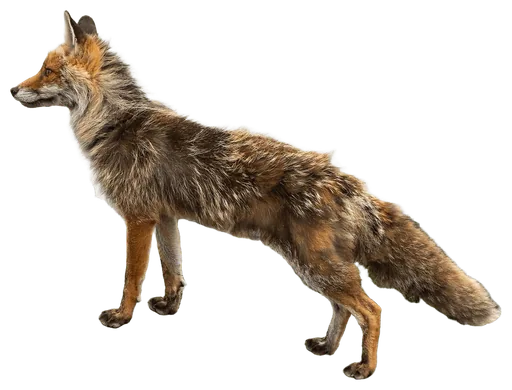
 L vs Red FoxWins · 53% · Toss-up
 W
Bobcat battle analysis
A bobcat wins by choosing the moment rather than by overpowering the landscape. Its body is small enough to disappear into brush but large enough to subdue rabbits, squirrels and other substantial small prey. The legs are long and muscular, the paws are broad, and retractile claws stay sharp until the instant of contact. Its coat breaks up the body outline, while crepuscular vision, hearing, whiskers and smell let it hunt when cover and low light favor surprise.
The best direct observation of a chase captures the species' strategy well. A bobcat spent more than an hour approaching a cottontail before committing to a chase lasting only 12.3 seconds. The cat covered a more direct route than the rabbit and secured the kill. That is not endurance predation. It is information gathering, positioning, explosive acceleration and efficient geometry.
Absolute scaling is crucial. A 10 kg cat can be exceptionally strong relative to its own body yet still possess far less mechanical power than a lion, bear, bison or rhinoceros. ABS therefore gives the bobcat high maneuverability and senses while keeping Raw Power and Defense modest. Its claws and canines are dangerous because they are accurately delivered, not because they produce megafaunal force.
The bobcat's ecological flexibility adds another layer. Diet studies across North America repeatedly show prey switching with local availability. Cottontails are often central, but rodents, birds and other prey can dominate elsewhere. Rarely, bobcats kill animals far larger than their usual prey. Those events demonstrate capability and tactical opportunism, not a justification for treating deer as routine victims.
In a matchup, terrain changes everything. Dense cover lets the bobcat stalk, pounce and disengage. Trees and rocks provide escape routes from larger ground predators. Open terrain strips away concealment, and a sustained frontal fight exposes the cat's greatest weakness: it is still a lightly protected 10 kg mammal. Its combat identity is therefore a high-agility precision predator, not a miniature lion scaled pound-for-pound.
Habitat & range
Bobcats occupy an unusually broad range of North American habitats, including boreal and mixed forest, bottomland hardwoods, coastal swamps, desert scrub, rocky country, farmland and suburban edges. Their geographic range extends from southern Canada across most of the contiguous United States into Mexico.
Diet & hunting
They are obligate carnivores and highly opportunistic. Rabbits are a major prey base across much of the range, supplemented by rodents, squirrels, birds, reptiles and other vertebrates. A 2025 Colorado analysis again found cottontails to be the most important diet item across studied landscapes. Deer can be taken in some regions, but routine prey are usually much smaller than adult deer.
Social life
Adults are mostly solitary and territorial. Scent marking communicates occupancy and reproductive condition. Male ranges can overlap multiple females, while direct adult association is concentrated around mating.
Conservation
The species is assessed as Least Concern and remains widespread. It is also included in CITES Appendix II, meaning international trade is monitored. Local populations can still be affected by habitat fragmentation, vehicle mortality, trapping and toxicant exposure. USGS work in southern California has documented genetic and disease effects associated with urban fragmentation.
Quick answers
How strong is a Bobcat?
On the Animal Battle Stats scale, the Bobcat has an attack rating of 44 and a power index of 50 out of 100, which ranks it #186 of 344 animals and puts it in C tier (Capable). Its strongest stat is agility (82).
How much does a Bobcat weigh?
A typical adult Bobcat weighs about 10 kg (22 lb). Rated specimen: Representative healthy mature adult male in prime condition.
How fast is a Bobcat?
There is no reliable measured top speed for the Bobcat, so we do not publish one. Its agility rating, which covers acceleration, reflexes and evasion, is 82 out of 100.
What does a Bobcat eat?
They are obligate carnivores and highly opportunistic. Rabbits are a major prey base across much of the range, supplemented by rodents, squirrels, birds, reptiles and other vertebrates. A 2025 Colorado analysis again found cottontails to be the most important diet item across studied landscapes. Deer can be taken in some regions, but routine prey are usually much smaller than adult deer.
Is the Bobcat endangered?
No. The Bobcat is listed as Least Concern. The species is assessed as Least Concern and remains widespread. It is also included in CITES Appendix II, meaning international trade is monitored. Local populations can still be affected by habitat fragmentation, vehicle mortality, trapping and toxicant exposure. USGS work in southern California has documented genetic and disease effects associated with urban fragmentation.
What animals can beat a Bobcat?
Among its closest rivals, the American Pit Bull Terrier (55%), the Llama (66%), the Warthog (62%), the Ethiopian Wolf (54%), the Maned Wolf (55%), the Tapir (68%) would be favored against the Bobcat. It would be favored against the Gibbon, the Red Fox.
Researched 2026-09-27. Ratings are editorial judgments built from these sources; measurements describe a healthy adult male.
- Texas Tech NSRL, Bobcat species accountTaxon, male/female dimensions, adult mass, dentition
- Smithsonian National ZooHeight, mass, lifespan, habitat, stalking, social and reproduction
- NPS Jewel CaveSize, range, habitat, diet, ambush behavior, predators
- Biggins & Biggins 2006 / USGSDirect hunt mechanics
- Weiss et al. 2025, Journal of Animal EcologyModern prey selection
- US Forest Service FEISTypical prey scale and broad diet
- Svoboda et al. 2013Large-prey capability
- Wengert et al. 2014, USFSIntraguild killing
- USGS urban fragmentation studyHuman landscape effects
- Wikimedia Commons, Sanibel maleImage candidate
Photo: “This kitty climbed into my swimming pool enclosure on Christmas Eve morning - Flickr - TonySprezzatura.jpg” by Paul Danese, CC BY-SA 2.0, background removed and cropped. Original
Suggest a correction