

Blue-Ringed Octopus
Hapalochlaena lunulata
 #190 of 273
  Ocean Assassin Least Concern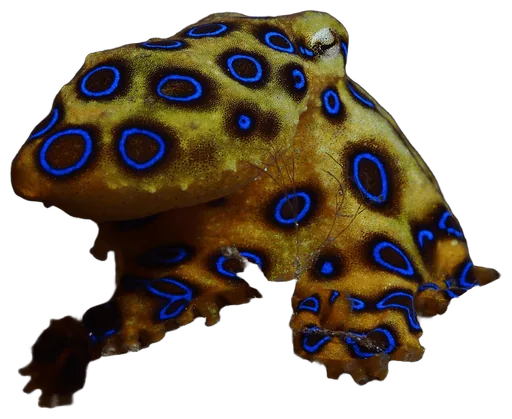
 Fight
FightPhoto: Rickard Zerpe · CC BY-SA 2.0
The greater blue-ringed octopus is a 50 g reef octopus whose bite carries tetrodotoxin, a nerve toxin with no antidote that can paralyze a human's breathing. It flashes glowing blue rings as a warning, but its tiny, soft body means it wins only if it gets a bite in first.
 Attack32
  Defense22
  Agility72
  Stamina36
  Intelligence60
  Special96
 Detailed ratings
Research-backed ratings on one 0–100 scale for all 273 animals (updated 2026-09-28). How ratings work
Special abilities
Ability 1Tetrodotoxin BiteA small beak injects saliva carrying bacterial tetrodotoxin that blocks nerve signals and can paralyze the breathing muscles of a human; there is no antidote.
 Ability 2Blue Ring Flash
Muscles under direct nerve control expose about 60 iridescent blue rings in about a third of a second, a fast warning display unlike other cephalopod color changes.
Unique traits
 TraitToxic From Birth
Tetrodotoxin runs through its arms, organs and eggs, and newly hatched young already carry about 150 nanograms each.
TraitBottle-Hiding Reef DwellerShelters in crevices, empty shells and even discarded bottles and cans on shallow reefs and tide pools.
How it fights
Weapons
- The blue-ringed octopus kills with a venomous bite. It grabs prey with its arms, draws it to its beak and bites, injecting saliva laden with tetrodotoxin. TTX blocks the sodium channels that nerves and muscles need to fire, so the victim is paralyzed. A human bite is often painless and may go unnoticed until numbness and weakness begin; paralysis can start within minutes or take an hour or more, and death, when it happens, comes from paralysis of the breathing muscles. There is no antidote.
 Struggles vs
- Tiny, soft body.
- Must make direct bite contact to use its venom.
- Low stamina and speed.
- Completely tied to water.
- Weight
- 50 g1.8 oz
- Height
- No reliable measurement
- Length
- 12 cm4.7 in
- Top speed
- No reliable measurement
- Bite force
- No reliable measurement
- Lifespan
- 2 years
- Home biome
- Ocean
- Lifestyle
- Mostly solitary
Rated specimen: Healthy adult, sex not specified, 0.05 kg (50 g), about 12.0 cm total length with arms extended and a mantle of about 4–5 cm.
Fun facts
- It can flash its blue rings on and off in about a third of a second.
- Its rings shine from stacked reflector cells, not pigment.
- Its venom is tetrodotoxin, the same toxin found in pufferfish, made with the help of bacteria.
- Its bite can be painless, so victims may not notice it at first.
- Its hatchlings are already toxic, carrying about 150 nanograms of tetrodotoxin each.
- It often hides in empty shells and discarded bottles.
Closest rivals by power. Tap one for the full breakdown, or pick any opponent.
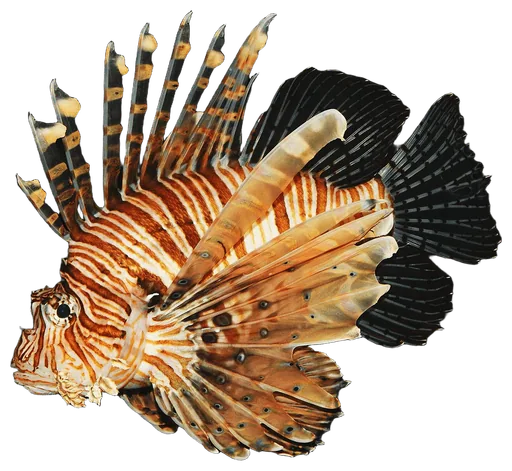
vs Box JellyfishWins · 50% · Toss-up 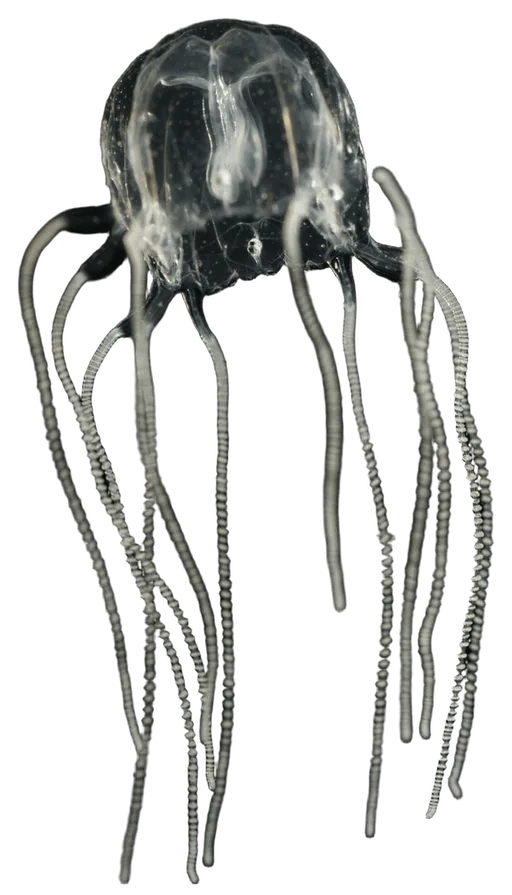 W vs LionfishLoses · 51% · Toss-up
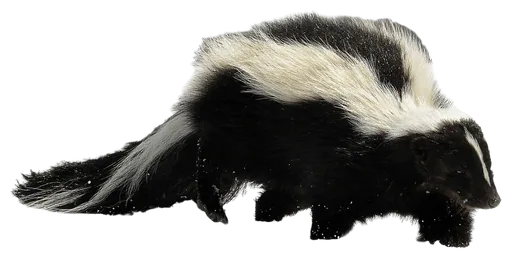
  L vs SkunkWins · 50% · Toss-up
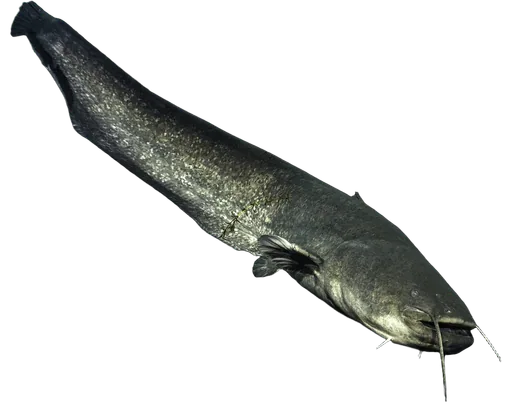
  W vs Wels CatfishLoses · 53% · Toss-up
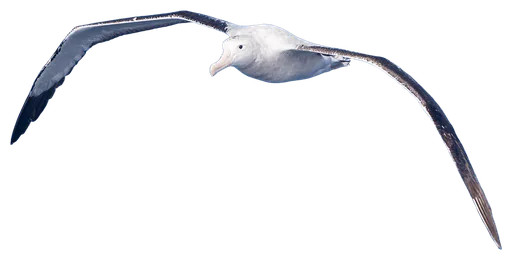
  L vs AlbatrossLoses · 50% · Toss-up
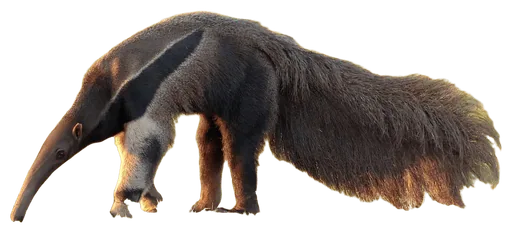
  L vs AnteaterLoses · 50% · Toss-up
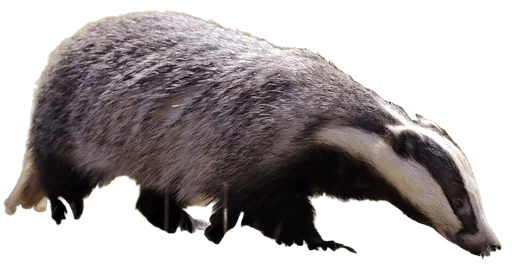
  L vs BadgerLoses · 50% · Toss-up
  L vs CockatooLoses · 51% · Toss-up
  L
L  Pick any opponent
 Blue-Ringed Octopus battle analysis
The greater blue-ringed octopus is small enough to sit in the palm of a hand, weighing about as much as a hen's egg. Most of the time it looks drab, hiding in rock pools, rubble and empty shells on shallow Indo-Pacific reefs. When it is disturbed, it changes: about 60 rings across its body flash electric blue, switched on and off in about a third of a second by muscles that pull the skin away from mirror-like reflector cells.
That warning is honest. Its saliva carries tetrodotoxin, a nerve poison produced with the help of bacteria in its salivary glands. In Japanese specimens, the salivary glands were strongly toxic, and lower levels were found in the arms, organs and even the eggs. The octopus uses its bite to paralyze crabs and shrimp, and a human bite can shut down the breathing muscles. There is no antidote, but people who get rescue breathing quickly usually survive, and recorded deaths are very few.
In a battle, the blue-ringed octopus is a pure specialist. It has almost no strength, no armor and little stamina, and it must touch an opponent to bite. Anything that crushes it first, or never comes close, is safe. But any animal that grabs it risks a paralyzing bite, which is why its Special rating sits near the top of the roster while its physical ratings sit near the bottom.
Habitat & range
Shallow coral reefs, rubble, seagrass and tide pools of the tropical Indo-West Pacific, from northern Australia north to Japan and across Papua New Guinea, the Solomon Islands, the Philippines and Indonesia, west to Sri Lanka, usually at 0–20 m. It is often seen in rock pools after storms, digging for crabs.
Diet & hunting
Carnivorous: small crabs, hermit crabs, shrimp, small mollusks and fish. It hunts mainly by day, pouncing on or luring prey and paralyzing it with a venomous bite.
Social life
Solitary. Individuals come together only to mate.
Conservation
Listed as Least Concern in widely used summaries (IUCN 3.1), and it is not considered threatened. Some sources state that no Hapalochlaena species has been formally assessed on the IUCN Red List, so this status is recorded with low confidence. Its small size and hiding habits make surveys difficult.
Quick answers
How strong is a Blue-Ringed Octopus?
On the Animal Battle Stats scale, the Blue-Ringed Octopus has an attack rating of 32 and a power index of 44.8 out of 100, which ranks it #190 of 273 animals and puts it in C tier (Capable). Its strongest stat is special (96).
How much does a Blue-Ringed Octopus weigh?
A typical adult Blue-Ringed Octopus weighs about 50 g (1.8 oz). Rated specimen: healthy adult, sex not specified, 0.05 kg (50 g), about 12.0 cm total length with arms extended and a mantle of about 4–5 cm.
How fast is a Blue-Ringed Octopus?
There is no reliable measured top speed for the Blue-Ringed Octopus, so we do not publish one. Its agility rating, which covers acceleration, reflexes and evasion, is 72 out of 100.
What does a Blue-Ringed Octopus eat?
Carnivorous: small crabs, hermit crabs, shrimp, small mollusks and fish. It hunts mainly by day, pouncing on or luring prey and paralyzing it with a venomous bite.
Is the Blue-Ringed Octopus endangered?
No. The Blue-Ringed Octopus is listed as Least Concern. Listed as Least Concern in widely used summaries (IUCN 3.1), and it is not considered threatened. Some sources state that no Hapalochlaena species has been formally assessed on the IUCN Red List, so this status is recorded with low confidence. Its small size and hiding habits make surveys difficult.
What animals can beat a Blue-Ringed Octopus?
Among its closest rivals, the Lionfish (51%), the Wels Catfish (53%), the Albatross (50%), the Anteater (50%), the Badger (50%), the Cockatoo (51%) would be favored against the Blue-Ringed Octopus. It would be favored against the Box Jellyfish, the Skunk.
Researched 2026-09-28. Ratings are editorial judgments built from these sources; measurements describe a healthy adult.
- Mäthger et al. (2012), How does the blue-ringed octopus (Hapalochlaena lunulata) flash its blue rings?, Journal of Experimental Biologyring flash
- PubMed record, Mäthger et al. (2012)ring flash
- Journal of Experimental Biology, Inside JEB: Blue-ringed octopus flexes muscles to flash fast warning signalsflash speed
- Scientific American, Octopus Chronicles blogring flash, predators that see it
- Toxicity and toxin composition of the greater blue-ringed octopus from Ishigaki Island, Toxins (PMC)venom potency, body toxicity
- Same study, MDPI Toxinssame
- Williams et al., Ontogeny of tetrodotoxin levels in blue-ringed octopuses: maternal investment and apparent independent production in offspringtoxic eggs and young, brooding
- Intra-organismal distribution of tetrodotoxin in two species of blue-ringed octopusesbody-wide toxin
- Natural History Museum, The blue-ringed octopus: small, vibrant and exceptionally deadlyvenom effects
- Divers Alert Network, Blue-ringed octopusfirst aid, human risk
- NSW Agency for Clinical Innovation, Venomous marine stingsclinical management
- Healthline, Blue-ringed octopus bitehuman deaths, onset
- Animal Diversity Web, Hapalochlaena lunulatarange, habitat, diet, hunting
- Wikipedia, Greater blue-ringed octopussize, average mass, IUCN summary
- Dimensions.com, Greater blue-ringed octopussize, mass, lifespan
- SeaLifeBase, Hapalochlaena lunulatataxonomy, distribution
- Aquarium of the Pacific, Greater blue-ringed octopusgeneral biology
- Reef Life Survey, Hapalochlaena lunulatadistribution
- OctoNation, Greater blue-ringed octopusIUCN caveat
- OceanHero, Blue-ringed octopus venom factstoxin potency claims
Photo: “Greater blue-ringed octopus (Hapalochlaena lunulata) (16219454856).jpg” by Rickard Zerpe, CC BY-SA 2.0, background removed and cropped. Original
Suggest a correction