

Black-necked Spitting Cobra
Naja nigricollis
 #137 of 341
  Savanna Venomous Hunter Least Concern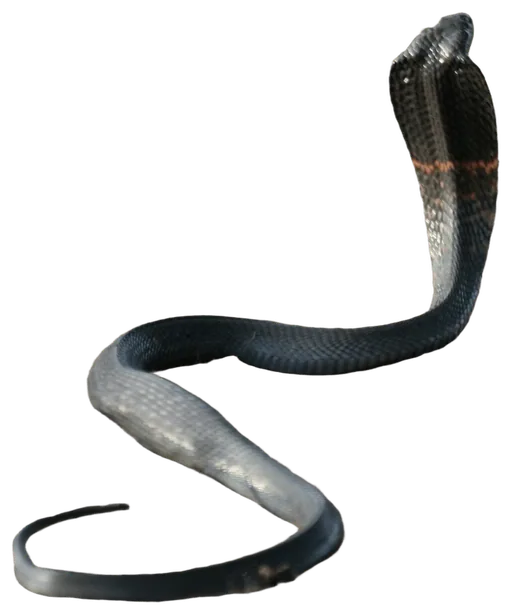
 Fight
FightPhoto: lucykeith-diagne · CC BY 4.0
The black-necked spitting cobra is an African cobra that defends itself by spraying venom at an attacker's eyes, tracking its target and aiming at the face. Its bite delivers a large dose of tissue-destroying venom. At about 1.5 m it is light and unarmored, but its blinding spit makes it one of the hardest snakes to attack.
 Attack56
  Defense26
  Agility72
  Stamina48
  Intelligence47
  Special95
 Detailed ratings
Research-backed ratings on one 0–100 scale for all 341 animals (updated 2026-09-28). How ratings work
Special abilities
Ability 1Aimed Venom SprayIt sprays venom from its fangs toward an attacker's face, releasing the stream in about 50 ms, tracking and anticipating the target's movement, and matching the spray to the target's size. Venom in the eyes causes intense pain and can cause permanent blindness.
 Ability 2Flesh-Melting Bite
Its bite delivers 200–350 mg of venom dominated by cytotoxins that destroy skin and muscle, with phospholipase A2s that boost pain and some neurotoxic effect.
Unique traits
 TraitFace-Finding Aim
Tests with artificial targets show it spits most at oval or round shapes and aims at the center of the nearest body part, usually the face, so at least one eye is usually hit.
TraitDay-or-Night CobraIt shifts between daytime and night-time activity with season, location and temperature, and in Nigeria has spread from rainforest edges into farmland and drier areas.
How it fights
Weapons
- Its first weapon is a ranged one: it can spray venom from its fangs at an attacker's face, causing blinding pain. Its second is the bite, which delivers a large dose of cytotoxic venom that destroys tissue, with some neurotoxic effect.
 Struggles vs
- No armor and a light body.
- Bite lethality is low compared with many cobras; the venom mostly destroys tissue.
- Spitting deters but does not kill; a determined or protected attacker can close in.
- Preyed on by snake eagles and other snakes.
- Weight
- 1.5 kg3 lb
- Height
- No reliable measurement
- Length
- 1.5 m4.9 ft
- Top speed
- No reliable measurement
- Bite force
- No reliable measurement
- Lifespan
- 23.2 years
- Home biome
- Savanna
- Lifestyle
- Mostly solitary
Rated specimen: Healthy adult, 1.5 kg (estimate) and 150 cm total length, sex unspecified.
Fun facts
- It can spray venom at an attacker's eyes from more than a metre away.
- A spit stream is released in about 50 thousandths of a second.
- It tracks where an attacker's face is about to move and aims there.
- It spits most at round or oval shapes, like faces.
- Its venom has extra enzymes that make its cytotoxins more painful.
- Eye-surgery pioneer Harold Ridley wrote about a spitting-cobra eye injury in 1944.
Closest rivals by power. Tap one for the full breakdown, or pick any opponent.
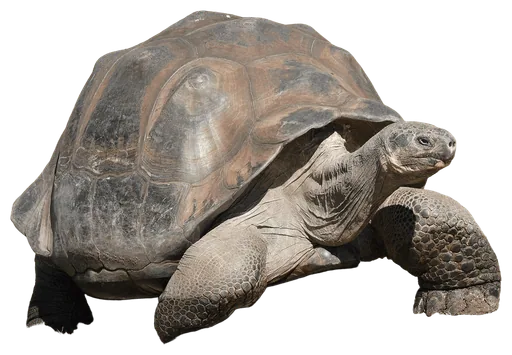
vs Monitor LizardWins · 50% · Toss-up 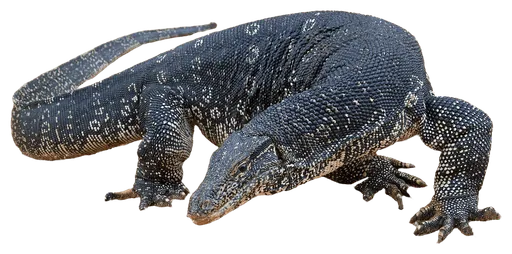 W vs Galapagos TortoiseWins · 51% · Toss-up
  W vs Inland TaipanWins · 51% · Toss-up
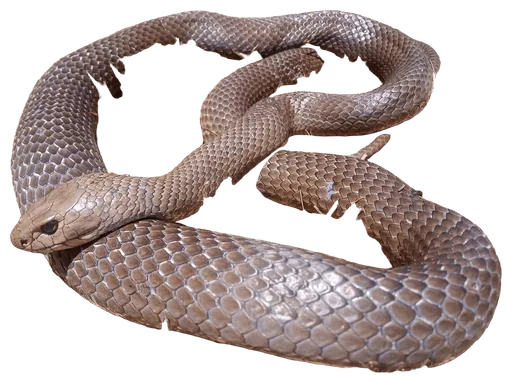
  W vs Eastern Brown SnakeWins · 52% · Toss-up
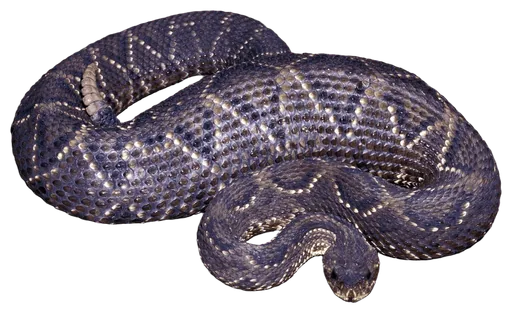
  W vs RattlesnakeLoses · 52% · Toss-up
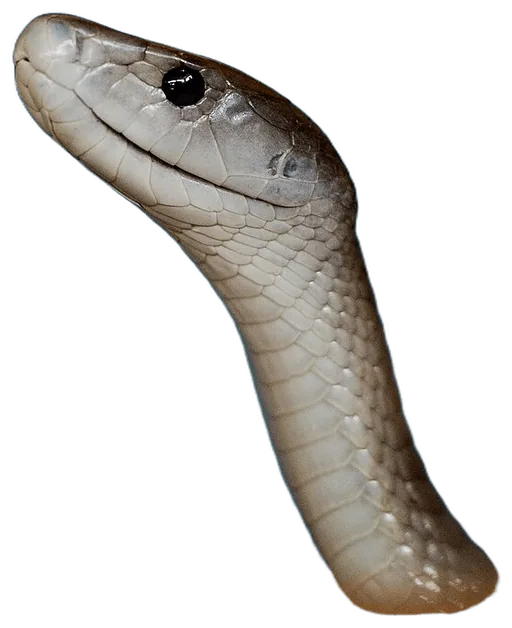
  L vs Black MambaLoses · 53% · Toss-up
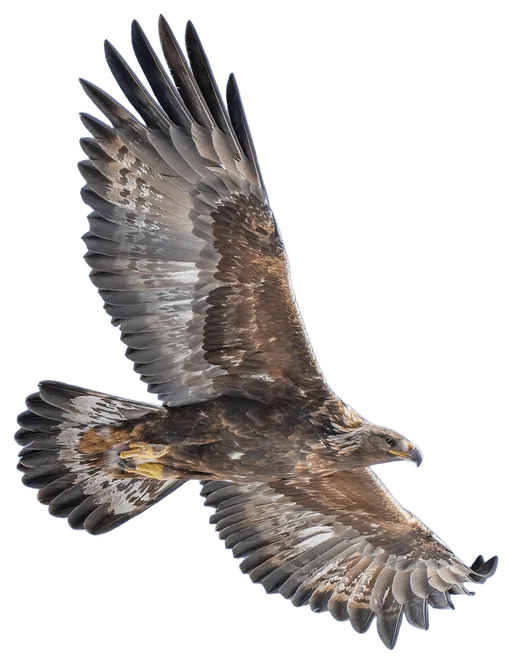
  L vs Golden EagleWins · 50% · Toss-up
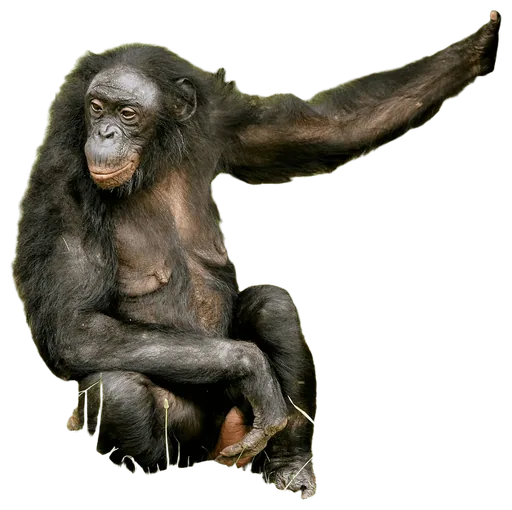
  W vs BonoboLoses · 50% · Toss-up
  L
L  Pick any opponent
 Black-necked Spitting Cobra battle analysis
The black-necked spitting cobra fights at a distance. When threatened it rears up, spreads its hood and sprays venom from its fangs toward the attacker's face. The stream leaves in about 50 milliseconds, and laboratory studies show that spitting cobras follow a moving target and anticipate where it will go, rapidly swinging the head to spread venom over the face. The snake matches its spray to the size of the target and aims at the center of the nearest body part, which is usually the face, so at least one eye is usually hit.
Venom in the eyes causes intense burning pain and can cause permanent blindness if it is not washed out. The bite adds another layer: 200–350 mg of venom dominated by cytotoxins that destroy skin and muscle, with enzymes that make the pain worse. It kills far less often than many cobras, with untreated mortality around 5–10%, but it can leave lasting tissue damage.
For battle ratings, the spit gives this cobra a genuinely unique ranged defense and the roster's first ranged venom attack, earning a very high Special. Its body is still that of a 1.5 kg snake, with no armor and little strength, and a bird of prey striking from above or an opponent with protected eyes can overcome it.
Habitat & range
The black-necked spitting cobra is widespread across sub-Saharan Africa from Senegal and Mauritania east to Ethiopia and Somalia and south to Angola, Zambia and Tanzania, entering southern Africa only in northern Namibia. It is absent from the Congo Basin rainforest. It prefers savanna and semi-desert but also lives in moist savanna, cleared former forest, coastal scrub and dry grassland up to 1,800 m, often near water. It shelters in termite mounds, rodent holes and especially hollow tree trunks.
Diet & hunting
It eats mainly small rodents, plus birds, fish, lizards, eggs and other snakes. Snake eagles, including the short-toed snake eagle, and other snakes prey on it.
Social life
Solitary.
Conservation
Listed as Least Concern on the IUCN Red List (as reported by Wikipedia). It is common and widespread, and in southern Nigeria it has done well where rainforest has been replaced by farmland and plantations.
Quick answers
How strong is a Black-necked Spitting Cobra?
On the Animal Battle Stats scale, the Black-necked Spitting Cobra has an attack rating of 56 and a power index of 53.2 out of 100, which ranks it #137 of 341 animals and puts it in B tier (Strong). Its strongest stat is special (95).
How much does a Black-necked Spitting Cobra weigh?
A typical adult Black-necked Spitting Cobra weighs about 1.5 kg (3 lb). Rated specimen: healthy adult, 1.5 kg (estimate) and 150 cm total length, sex unspecified.
How fast is a Black-necked Spitting Cobra?
There is no reliable measured top speed for the Black-necked Spitting Cobra, so we do not publish one. Its agility rating, which covers acceleration, reflexes and evasion, is 72 out of 100.
What does a Black-necked Spitting Cobra eat?
It eats mainly small rodents, plus birds, fish, lizards, eggs and other snakes. Snake eagles, including the short-toed snake eagle, and other snakes prey on it.
Is the Black-necked Spitting Cobra endangered?
No. The Black-necked Spitting Cobra is listed as Least Concern. Listed as Least Concern on the IUCN Red List (as reported by Wikipedia). It is common and widespread, and in southern Nigeria it has done well where rainforest has been replaced by farmland and plantations.
What animals can beat a Black-necked Spitting Cobra?
Among its closest rivals, the Rattlesnake (52%), the Black Mamba (53%), the Bonobo (50%) would be favored against the Black-necked Spitting Cobra. It would be favored against the Monitor Lizard, the Galapagos Tortoise, the Inland Taipan, the Eastern Brown Snake, the Golden Eagle.
Researched 2026-09-28. Ratings are editorial judgments built from these sources; measurements describe a healthy adult.
- Wikipedia, Black-necked spitting cobralength, coloration, range, habitat, diet, reproduction, venom yield and LD50, mortality, Ridley case, IUCN status
- African Snakebite Institute, Black-necked Spitting Cobrasize, activity, climbing, venom
- Reptile Database, Naja nigricollistaxonomy, distribution, reproduction
- Westhoff et al. 2010, Journal of Experimental Biologyspitting mechanics, tracking
- Berthé et al. 2009, J Comp Physiol Aspray pattern
- Berthé, Westhoff & Bleckmann 2013, J Comp Physiol Aaiming cues
- Kazandjian et al. 2021, Science, "Convergent evolution of pain-inducing defensive venom components in spitting cobras"venom pain mechanism
- Rivel et al. 2016, Toxicondermonecrosis
- Chu et al. 2010, Toxicon, venom ophthalmia revieweye injury
- Nigeria "big three" comparative venomics, Toxicon 2026medical importance
- AnAge, Naja nigricollislongevity; rejected mass
Photo: “Naja nigricollis 108394698.jpg” by lucykeith-diagne, CC BY 4.0, background removed and cropped. Original
Suggest a correction