
Black Mamba
Dendroaspis polylepisB tier · Strong13th of 39 reptiles
Size & speed

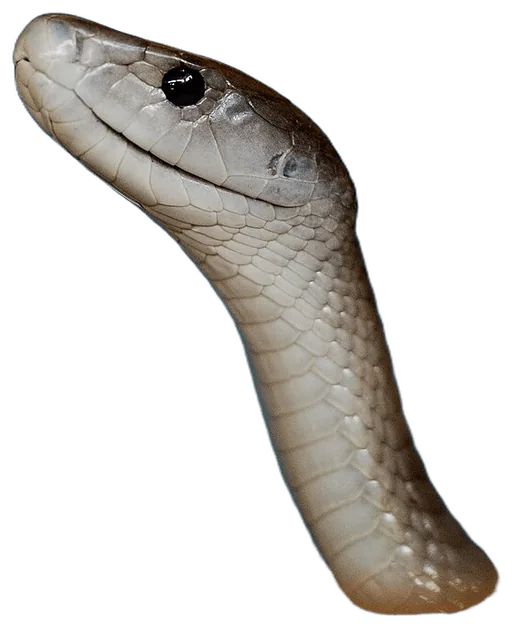
- Weight
- 1.6 kg4 lb
- Length
- 2.5 m8.2 ft
- Top speed
- 19 km/h12 mph
As heavy as 8 smartphones
Heavier than 26% of animals1.4× a person's height
Bigger than 79% of animalsAbout as fast as a person running
Faster than 18% of animalsThe Black Mamba is a long, fast African elapid whose real battle advantage is not physical strength but venom delivery. A representative adult weighs only around 1.6 kg, yet fixed front fangs inject a sophisticated neurotoxic cocktail capable of disabling much larger vertebrates. It combines high maneuverability, climbing skill and repeated defensive strikes with very low structural defense, making it a classic high-threat, low-durability specialist.
Detailed ratings
Research-backed ratings on one 0–100 scale for all 344 animals (updated 2026-09-27). How ratings work


Card No. 115 of 344. Every animal on Animal Battle Stats has one: its power, tier and archetype on the front; its six battle stats, abilities and signature move on the back.
Special abilities
Alpha-neurotoxins, dendrotoxins and other venom components disrupt neuromuscular signaling through complementary mechanisms. A successful envenomating bite can progress toward paralysis and respiratory failure rather than relying on mechanical tissue damage alone.
When cornered, the mamba can elevate the forebody and deliver multiple quick strikes, increasing the chance of venom delivery during close contact. This is a real defensive behavior, not a fictional speed multiplier.
Unique traits
The inky mouth interior is exposed during the threat display, pairing a conspicuous visual warning with elevated posture and hissing before escalation.
Unlike a purely terrestrial snake, the black mamba combines fast ground travel with strong climbing ability and repeated use of tree hollows, termite mounds, rocks and other refuges.
How it fights
Weapons
- The primary weapon is a highly potent neurotoxic venom delivered through fixed front fangs. A 2015 proteomic study found the venom dominated by Kunitz-type proteins including dendrotoxins and by three-finger toxins including alpha-neurotoxins. Experimental and clinical literature identifies alpha-neurotoxins as major postsynaptic blockers of neuromuscular transmission, while dendrotoxins interfere with voltage-dependent potassium channels and alter neurotransmitter release. Fasciculins inhibit acetylcholinesterase. The result is a multi-target neurotoxic system capable of severe paralysis and respiratory failure.
- The secondary weapon is delivery behavior: a cornered animal can elevate the forebody, gape the dark mouth, strike rapidly and strike repeatedly. The jaws themselves are not a high-force crushing system.
Struggles vs
- Very low body mass and little structural protection.
- No crushing bite, constriction or large mechanical weapon.
- Decisive damage requires successful fang contact and venom injection.
- Venom is not instantaneous; a much larger opponent may remain dangerous after being bitten.
- Burst speed is not sustained pursuit endurance.
- Weight
- 1.6 kg4 lb
- Height
- No reliable measurement
- Length
- 2.5 m8.2 ft
- Top speed
- 19 km/h12 mph
- Bite force
- No reliable measurement
- Lifespan
- 11 years
- Home biome
- Savanna
- Lifestyle
- Mostly solitary
Rated specimen: The canonical specimen is therefore a representative 2.
Fun facts
- The animal is not normally black on the outside; the common name refers to the dark interior of the mouth.
- It is among Africa's longest venomous snakes, with representative adults around 2–3 m.
- Males can wrestle with one another while raising the front of the body during reproductive competition.
- A black mamba can travel with a substantial portion of its body raised from the ground.
- It is primarily terrestrial but is also an accomplished climber.
- Proteomic work shows its venom is not one toxin but a complex arsenal dominated by dendrotoxins/Kunitz proteins and three-finger toxins.
Closest rivals by power. Tap one for the full breakdown, or pick any opponent.
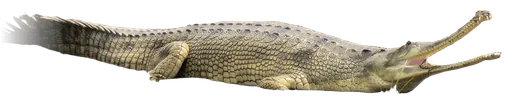
vs RattlesnakeLoses · 52% · Toss-up 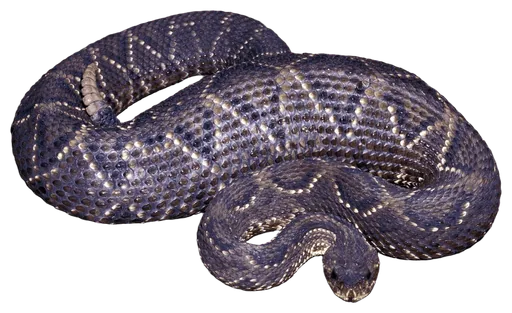 L vs GharialLoses · 76% · Clear edge
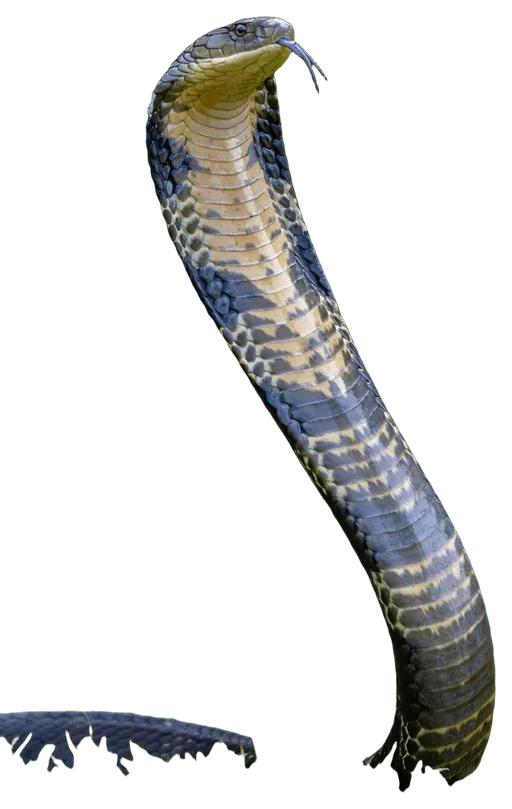
 L vs King CobraLoses · 61% · Slight edge
 L vs Black-necked Spitting CobraWins · 53% · Toss-up
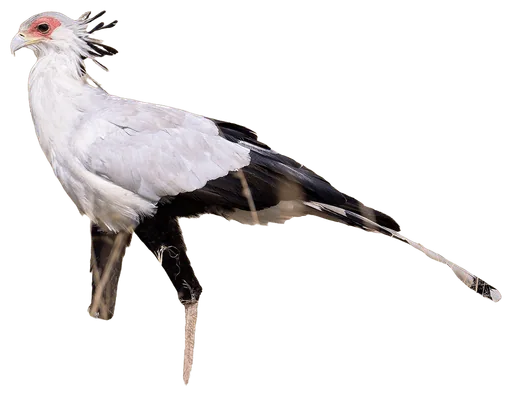
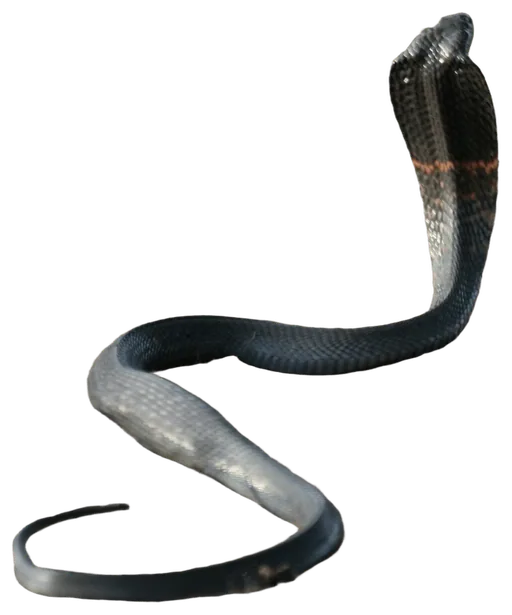 W vs Secretary BirdLoses · 56% · Toss-up
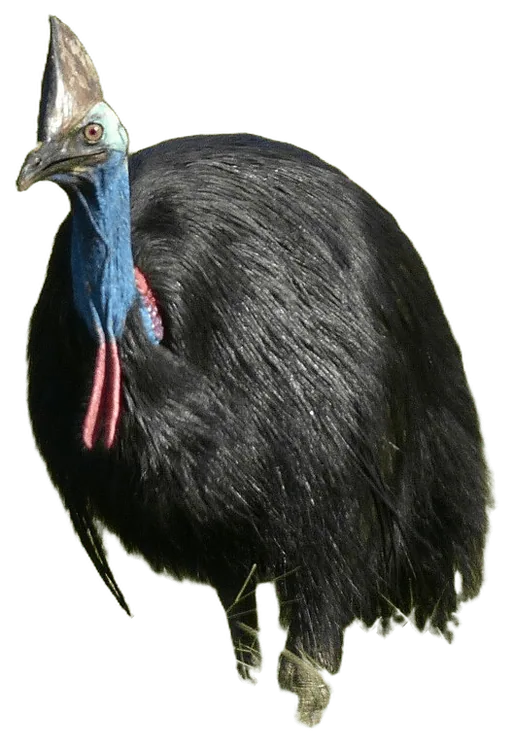
 L vs CassowaryLoses · 71% · Clear edge
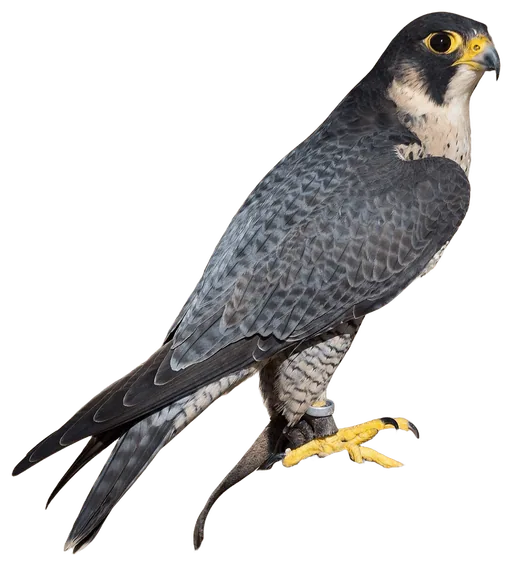
 L vs Peregrine FalconWins · 53% · Toss-up
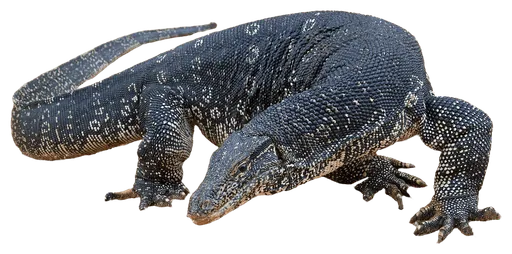
 W vs Monitor LizardLoses · 62% · Slight edge
 L
Black Mamba battle analysis
On an absolute roster scale, the Black Mamba is a useful test of whether ABS can distinguish mechanical power from biological lethality. A 1.6 kg snake cannot be scored like a lion, bison or elephant in Raw Power or Defense. Its body is slender, unarmored and vulnerable to a single severe crushing or tearing event. Yet treating that small mass as low Attack would miss the core of its biology.
The mamba's attack system bypasses the normal relationship between body size and damage. Fixed front fangs create an injection route, while a complex venom mixture attacks neuromuscular signaling. Alpha-neurotoxins interfere with postsynaptic nicotinic receptors; dendrotoxins alter potassium-channel function and neurotransmitter release; fasciculins inhibit acetylcholinesterase. The exact clinical course depends on dose, bite circumstances, victim and treatment, but the mechanism is genuinely matchup-changing.
That specialization has limits. The mamba must still reach the target with its head and penetrate tissue. Venom is not an instantaneous force field, and a much larger opponent can remain dangerous after a bite. Heavy armor can defeat the delivery step. Venom-resistant predators and snake specialists change the matchup. In cold conditions, the mamba's ectothermic locomotion is disadvantaged.
Its movement should also be interpreted carefully. The species is famous for speed, but credible natural-history values are roughly 16–20 km/h, not car-like chase speeds. What makes it especially agile is the combination of a flexible body, rapid strike mechanics, climbing, terrain use and ability to maneuver through refuges. Agility therefore scores much higher than the raw Speed substat.
Behaviorally, it is better described as a dangerous animal that prefers escape than as an indiscriminate aggressor. When escape is blocked, the raised forebody, black mouth, hissing and repeated strikes create an escalating defense. That distinction prevents folklore from inflating Ferocity while still recognizing how dangerous close-range contact can become.
Habitat & range
The species occupies broad areas of eastern and southern sub-Saharan Africa. ADW describes wooded savanna, rocky hills and riverine forest, with rocks, fallen trees, hollow trees and termite mounds providing refuge. It is primarily terrestrial but readily climbs.
Diet & hunting
Black mambas are carnivorous predators of small vertebrates, especially mammals such as rodents, squirrels and hyraxes, with birds also taken. Their predation contributes to control of small-mammal populations. Venom permits prey to be released after a bite rather than continuously restrained.
Social life
Adults are primarily solitary outside reproduction. They maintain home ranges and familiar refuges but are not best characterized as animals constantly defending a rigid territory. Mating brings adults together, and males may wrestle for access to females.
Conservation
ADW reports Least Concern from the IUCN Red List. Habitat loss and expanding human settlement can still increase local conflict even when the species is not globally threatened.
Quick answers
How strong is a Black Mamba?
On the Animal Battle Stats scale, the Black Mamba has an attack rating of 66 and a power index of 54.7 out of 100, which ranks it #115 of 344 animals and puts it in B tier (Strong). Its strongest stat is special (94).
How much does a Black Mamba weigh?
A typical adult Black Mamba weighs about 1.6 kg (4 lb). Rated specimen: The canonical specimen is therefore a representative 2.
How fast is a Black Mamba?
The Black Mamba's top speed is about 19 km/h (12 mph). Its agility rating is 81 out of 100.
What does a Black Mamba eat?
Black mambas are carnivorous predators of small vertebrates, especially mammals such as rodents, squirrels and hyraxes, with birds also taken. Their predation contributes to control of small-mammal populations. Venom permits prey to be released after a bite rather than continuously restrained.
Is the Black Mamba endangered?
No. The Black Mamba is listed as Least Concern. ADW reports Least Concern from the IUCN Red List. Habitat loss and expanding human settlement can still increase local conflict even when the species is not globally threatened.
What animals can beat a Black Mamba?
Among its closest rivals, the Rattlesnake (52%), the Gharial (76%), the King Cobra (61%), the Secretary Bird (56%), the Cassowary (71%), the Monitor Lizard (62%) would be favored against the Black Mamba. It would be favored against the Black-necked Spitting Cobra, the Peregrine Falcon.
Researched 2026-09-27. Ratings are editorial judgments built from these sources; measurements describe a healthy adult.
- Animal Diversity Web, Dendroaspis polylepisTaxonomy, range, habitat, adult length, dimorphism, reproduction, lifespan, behavior, speed, senses, diet, conservation
- Guinness World Records, fastest land snakeSpeed cross-check
- Lauridsen et al. / Journal of Proteomics 2015, PubMedVenom composition and mechanism
- Neurotoxic Sleight of Fang, 2025Modern functional venom evidence
- Black mamba envenomation review/case reportHuman clinical mechanism
- Wikimedia Commons, Bernard DUPONT black mambaImage candidate
Photo: “Black Mamba At Kandt House Museum Rwanda 1.jpg” by Adygrafix250, CC BY-SA 4.0, background removed and cropped. Original
Suggest a correction