

Black-footed Cat
Felis nigripes
 #273 of 341
  Desert Assassin Vulnerable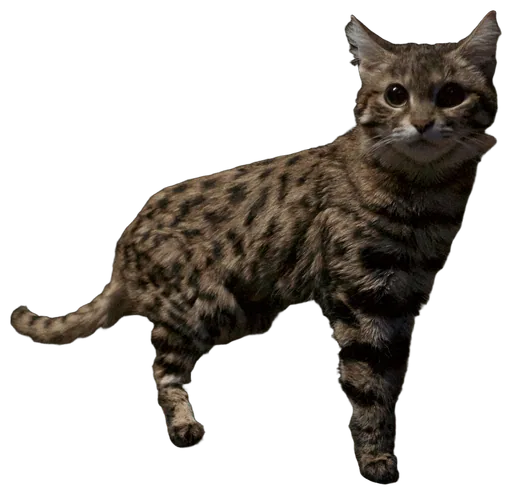
 Fight
FightPhoto: Charles Barilleaux from Cincinnati, Ohio, United States of America · CC BY 2.0
Africa's smallest wild cat, the black-footed cat weighs under 2 kg yet catches prey on roughly six of every ten attempts and hunts all night long. It is a superb killer of mice and small birds, but its tiny body gives it almost no absolute power or protection against larger animals.
 Attack17
  Defense9
  Agility85
  Stamina64
  Intelligence60
  Special64
 Detailed ratings
Research-backed ratings on one 0–100 scale for all 341 animals (updated 2026-09-28). How ratings work
Special abilities
Ability 1Sixty-Percent StrikeField observation shows roughly six successful catches from every ten attempts, a kill about every 50 minutes and up to 14 kills in a night. In a matchup against small prey this reliability is its real weapon; against larger opponents it adds nothing to raw damage.
 Ability 2Termite-Mound Bolt
It rests in hollow termite mounds and old burrows and dives into cover at the slightest disturbance, which makes it very hard for larger predators to corner in its own habitat.
Unique traits
 TraitAfrica's Smallest Wild Cat
Adult males weigh only 1.6–2.45 kg and stand under 25 cm at the shoulder, making it the smallest wild cat on the African continent.
TraitNight-Long HunterIt eats about a sixth of its body weight in prey each night and hunts through the whole night in temperatures from −10 to 35 °C.
How it fights
Weapons
- The black-footed cat is a miniature but extremely efficient killer. It stalks, rushes and pins prey from behind with its forepaws and dewclaws, then kills with a bite to the neck or head. Its prey averages only about 24 g, but it also takes Cape hares heavier than itself and was once seen pouncing on a resting lamb before giving up when the lamb stood. The PNAS genome paper cites a hunting success of about 60%, and a 622-hour field watch recorded a kill roughly every 50 minutes and up to 14 small animals in one night. All of this is lethal to mice, gerbils, shrews and larks; at 1.9 kg it is almost meaningless against a medium-sized opponent in absolute terms.
 Struggles vs
- Tiny absolute mass and power.
- No armor; one bite from a jackal or caracal can be fatal.
- Short stocky legs; not a climber.
- Very high energy demand; it must keep hunting.
- Kittens and subadults are taken by black-backed jackals, caracals and owls.
- Weight
- 1.9 kg4 lb
- Height
- 23 cm9.1 in
- Length
- 45 cm17.7 in
- Top speed
- No reliable measurement
- Bite force
- No reliable measurement
- Lifespan
- 12 years
- Home biome
- Desert
- Lifestyle
- Mostly solitary, nocturnal
Rated specimen: Healthy mature adult male, 1.9 kg, matching the Animal Diversity Web male average of 1.93 kg and sitting inside Wikipedia's 1.6–2.45 kg male range.
Fun facts
- It is Africa's smallest wild cat; a big male weighs under 2.5 kg.
- About 60% of its hunts succeed, one of the highest success rates recorded for any cat.
- It can kill up to 14 small animals in one night.
- It eats roughly a sixth of its own body weight in prey every night.
- It can leap about 1.4 m straight up and snatch birds out of the air.
- A San legend says it can kill a giraffe by biting its jugular; this is folklore, not fact.
Closest rivals by power. Tap one for the full breakdown, or pick any opponent.
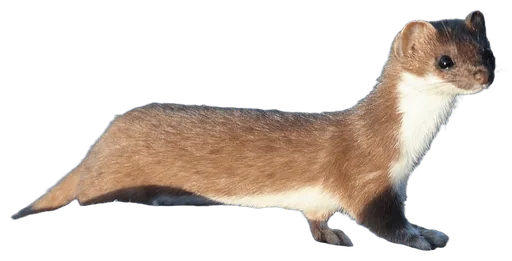
vs Sugar GliderLoses · 50% · Toss-up 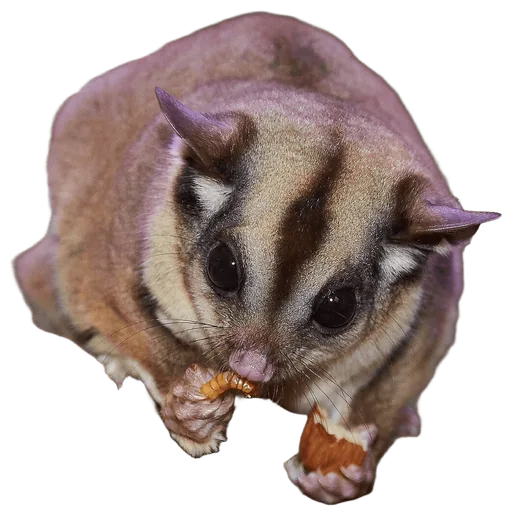 L vs StoatWins · 51% · Toss-up
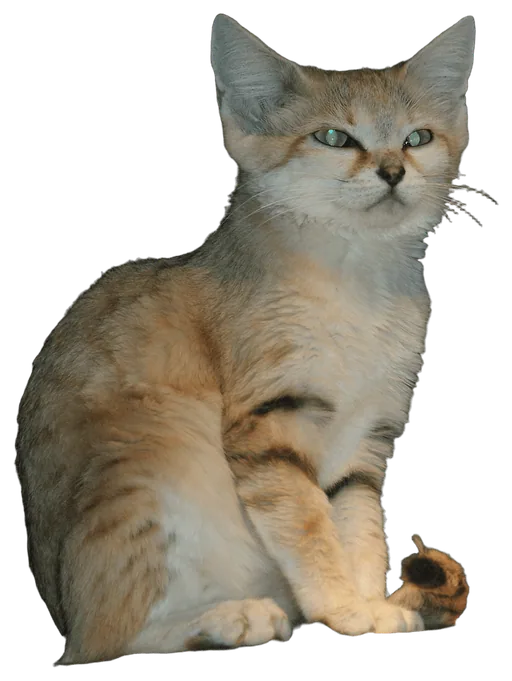
  W vs Sand CatLoses · 52% · Toss-up
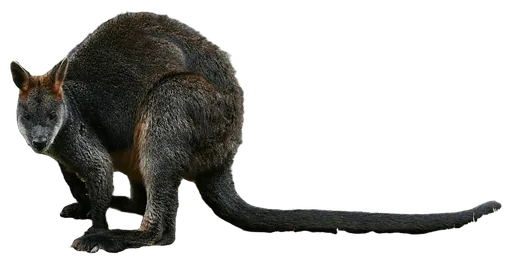
  L vs WallabyLoses · 52% · Toss-up
  L vs Arctic FoxLoses · 52% · Toss-up
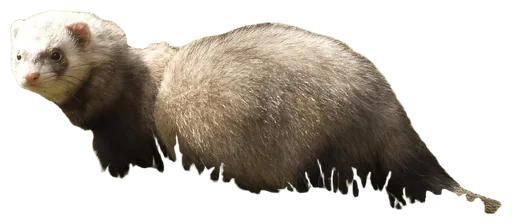
  L vs FerretWins · 52% · Toss-up
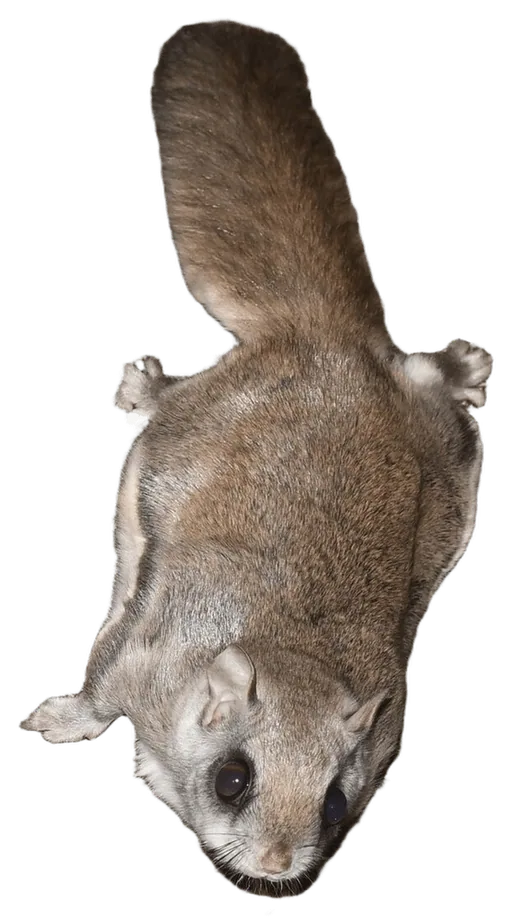
  W vs Flying SquirrelLoses · 53% · Toss-up
  L vs BinturongLoses · 53% · Toss-up
  L
L  Pick any opponent
 Black-footed Cat battle analysis
The black-footed cat is a study in efficiency. A male weighing about 1.9 kg leaves its termite-mound den at dusk and spends the whole night on the move, trotting through Karoo grassland, pausing to watch rodent burrows and switching between fast searching, slow stalking and motionless waiting. Field studies in South Africa recorded a kill about every 50 minutes and up to 14 kills in a night, and its hunting success of around 60% is often cited as the best of any cat.
That reputation for deadliness has to be read on the absolute scale. The prey it kills so reliably averages about 24 grams. Its weapons are the same as a house cat's (claws, dewclaws and a neck bite), carried on a body less than half the size. Against a jackal, a caracal or an eagle-owl it is prey, and its survival depends on staying close to burrows and termite mounds where it can vanish instantly.
In a matchup the black-footed cat is therefore dangerous only to animals far smaller than itself. Its strengths are stamina, reflexes and a hunting routine that rarely wastes effort; its weaknesses are size, power and protection. It belongs well below the serval and caracal in every physical category, a little below the house cat in Attack, and above the house cat in sustained Stamina.
Habitat & range
Endemic to southern Africa: arid and semi-arid short grassland, Karoo scrub and savanna with sparse bush cover, mainly in South Africa, with records in southern Botswana and only a few in Namibia, southern Angola and southern Zimbabwe. Daytime refuges are hollow termite mounds and old burrows of springhares, aardvarks and Cape porcupines, which it digs to enlarge.
Diet & hunting
A specialist hunter of small vertebrates. Wikipedia lists 54 prey species, with small rodents such as the gerbil mouse among the most important, followed by mammals over 100 g and small birds; insects such as harvester termites make up only about 2% of prey mass. Average prey weighs about 24 g. It scavenges occasionally. It can meet its daily water needs from prey but drinks when water is available.
Social life
Solitary. Males range over larger areas that overlap several females. Scent marking is used throughout its range; receptive females were seen spraying urine up to 41 times along 685 m, and it also rubs objects, rakes with its claws and leaves faeces in visible places. Its calls are louder than those of other cats its size, presumably to carry over long distances, and it uses quieter purrs and gurgles at close range and hisses and growls when threatened.
Conservation
Listed as Vulnerable on the IUCN Red List (latest assessment 2026) and on CITES Appendix I. The Black-footed Cat Working Group estimates fewer than 10,000 mature individuals in the wild. Threats include bait poisoning and steel-jaw traps set for other predators, overgrazing, declining springhare numbers, predation by jackals and caracals, disease and road traffic. The PNAS genome study found high inbreeding that may raise the risk of AA amyloidosis, which causes about 70% of deaths in captive animals.
Quick answers
How strong is a Black-footed Cat?
On the Animal Battle Stats scale, the Black-footed Cat has an attack rating of 17 and a power index of 40.2 out of 100, which ranks it #273 of 341 animals and puts it in D tier (Underdog). Its strongest stat is agility (85).
How much does a Black-footed Cat weigh?
A typical adult Black-footed Cat weighs about 1.9 kg (4 lb). Rated specimen: healthy mature adult male, 1.9 kg, matching the Animal Diversity Web male average of 1.93 kg and sitting inside Wikipedia's 1.6–2.45 kg male range.
How fast is a Black-footed Cat?
There is no reliable measured top speed for the Black-footed Cat, so we do not publish one. Its agility rating, which covers acceleration, reflexes and evasion, is 85 out of 100.
What does a Black-footed Cat eat?
A specialist hunter of small vertebrates. Wikipedia lists 54 prey species, with small rodents such as the gerbil mouse among the most important, followed by mammals over 100 g and small birds; insects such as harvester termites make up only about 2% of prey mass. Average prey weighs about 24 g. It scavenges occasionally. It can meet its daily water needs from prey but drinks when water is available.
Is the Black-footed Cat endangered?
The Black-footed Cat's conservation status is Vulnerable. Listed as Vulnerable on the IUCN Red List (latest assessment 2026) and on CITES Appendix I. The Black-footed Cat Working Group estimates fewer than 10,000 mature individuals in the wild. Threats include bait poisoning and steel-jaw traps set for other predators, overgrazing, declining springhare numbers, predation by jackals and caracals, disease and road traffic. The PNAS genome study found high
What animals can beat a Black-footed Cat?
Among its closest rivals, the Sugar Glider (50%), the Sand Cat (52%), the Wallaby (52%), the Arctic Fox (52%), the Flying Squirrel (53%), the Binturong (53%) would be favored against the Black-footed Cat. It would be favored against the Stoat, the Ferret.
Researched 2026-09-28. Ratings are editorial judgments built from these sources; measurements describe a healthy adult male.
- Wikipedia, Black-footed cat (Good Article citing Sliwa's field studies)mass, length, height, hunting modes, nightly distance, kills per night, leap height, diet, predators, lifespan, status
- Animal Diversity Web, Felis nigripesmass, dimorphism, lifespan, kitten training, self-defense
- Yuan et al. 2024, PNAS, "The genome of the black-footed cat"hunting success, metabolism, amyloidosis, inbreeding
- Noninvasive genotyping of black-footed cat, Ecology and Evolution 2024density, elusiveness
- Black-footed Cat Working Grouppopulation size, status, "deadliest cat" reputation
- Sliwa, Wilson and Lawrenz 2010, BFCWG field report (Kölner Zoo)field measurements, predators
- Cincinnati Zoo, black-footed catbehavior
- Genetic diversity and population structure of the black-footed cat, bioRxiv preprint 2026status, genetics
Photo: “Standing BFC (8359398129).jpg” by Charles Barilleaux from Cincinnati, Ohio, United States of America, CC BY 2.0, background removed and cropped. Original
Suggest a correction