

Black Caiman
Melanosuchus niger
 #22 of 273
  Jungle Ambush Predator Least Concern
 Fight
FightPhoto: (c) Diogo Luiz, some rights reserved (CC BY) · CC BY 4.0
The black caiman is the Amazon's largest predator and the biggest member of the alligator family. A 300 kg adult male combines an elite crocodilian bite, dense bony armor and a dark body built for night ambush at the water's edge, where it drags capybara-sized prey under to drown. It is formidable at the shoreline but tires quickly and is far less dangerous on open land.
 Attack87
  Defense79
  Agility50
  Stamina41
  Intelligence52
  Special73
 Detailed ratings
Research-backed ratings on one 0–100 scale for all 273 animals (updated 2026-09-28). How ratings work
Special abilities
Ability 1Blackwater Night AmbushHunts mainly after dark, lying low in dark Amazon water with its black body almost invisible, then lunges at fish, birds and mammals at the bank. In a battle this gives it first-strike advantage at night and at the water's edge.
 Ability 2Capybara Takedown
Seizes large mammals such as capybara, drags them into deep water and holds or rolls until they drown. This turns any shoreline into a trap for land animals of up to several times human size.
Unique traits
 TraitAmazon's Largest Predator
The biggest predator in the Amazon basin and the largest member of the alligator family, with adults commonly 4–5 m long and males over 300 kg.
TraitNight-Black ArmorDark scales and osteoderms described as denser than those of the spectacled caiman give it both concealment in dark water and strong dorsal protection.
How it fights
Weapons
- The jaws are the main weapon. A black caiman hunts mainly at night, lying low in the water near the bank, then lunges with a tail-driven burst, seizes with conical teeth and pulls the victim into deeper water. Fish make up much of the diet, but adults take water birds and mammals at the water's edge, including capybara. Secondary accounts report that adults over about 2 m attack capybara-sized mammals when the chance arises. The measured 4,310 N bite of a mid-sized 103 kg animal, scaled up in a 300 kg male, places this species in the elite crocodilian bite class.
 Struggles vs
- Softer belly, eyes, throat and limb joints.
- Short limbs and poor dry-land pursuit.
- Offense depends on landing the first bite.
- Limited sustained high-output effort.
- Jaguars are documented predators of caimans in the Amazon floodplain, showing that a powerful cat can overcome caimans, at least smaller ones, at the water's edge.
- Weight
- 300 kg661 lb
- Height
- No reliable measurement
- Length
- 4.2 m13.8 ft
- Top speed
- No reliable measurement
- Bite force
- No reliable measurement
- Lifespan
- 40 years
- Home biome
- Jungle
- Lifestyle
- Mostly solitary, nocturnal
Rated specimen: Healthy mature adult male, 300.0 kg and 420.0 cm total length, representing a large fighting-age male rather than a record giant.
Fun facts
- It is the largest member of the alligator family, larger than the American alligator.
- A 3 m, 103 kg black caiman bit with a measured 4,310 N in crocodilian bite tests.
- Hunters at Mamirauá were estimated to take about 5,230 black caiman a year, mostly subadult and small adult males.
- Hatchlings from different nests can join into one pod guarded by an adult female.
- Jaguars both hunt caimans and raid black caiman nests on the Amazon floodplain.
- Its nest is a mound of leaves and twigs, often around half a metre to 80 cm tall.
Closest rivals by power. Tap one for the full breakdown, or pick any opponent.
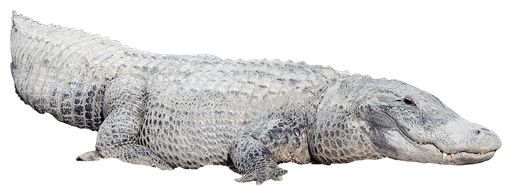
vs Elephant SealWins · 50% · Toss-up 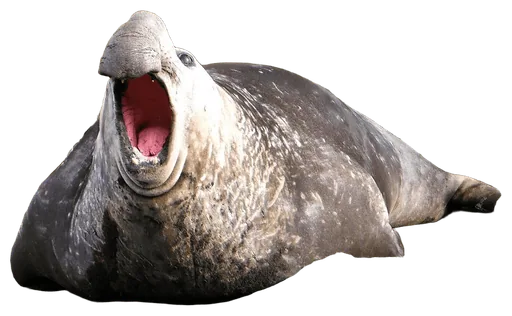 W vs AlligatorWins · 53% · Toss-up
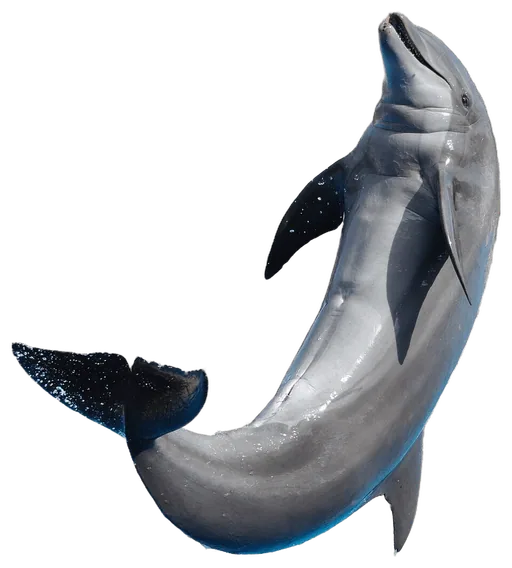
  W vs Bottlenose DolphinWins · 51% · Toss-up
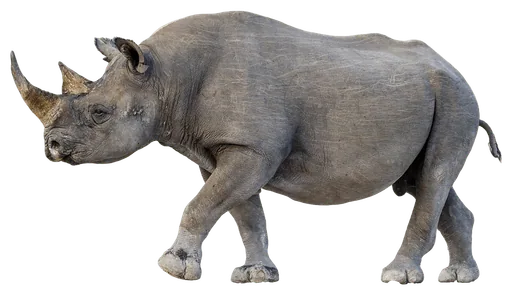
  W vs Black RhinocerosLoses · 51% · Toss-up
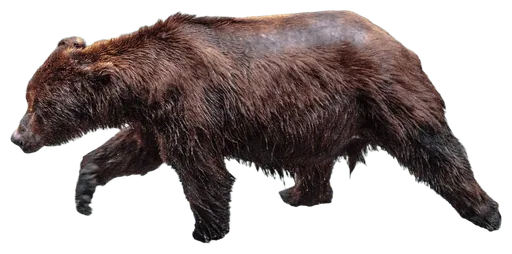
  L vs Kodiak BearLoses · 51% · Toss-up
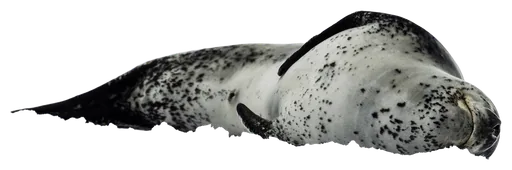
  L vs Leopard SealWins · 52% · Toss-up
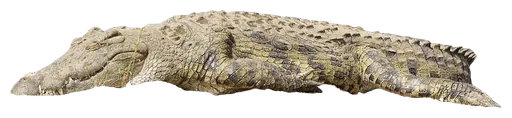
  W vs Nile CrocodileLoses · 55% · Toss-up
  L vs Beluga WhaleLoses · 52% · Toss-up
  L
L  Pick any opponent
 Black Caiman battle analysis
After dark, a big black caiman is close to invisible. Its black scales merge with the tea-coloured water of Amazon lakes and flooded forest, and only the eyes and nostrils break the surface. Pressure-sensitive organs in its skin pick up ripples as fish move or a capybara wades in to drink. When the moment comes, the tail drives a short, violent lunge, the conical teeth close, and the fight moves into deep water where the caiman holds and rolls until the prey drowns.
This is a heavyweight crocodilian built on the same plan as the Nile crocodile and the American alligator. A mid-sized 103 kg animal was measured biting at 4,310 N, and a full-grown male is about three times heavier. Dense osteoderms cover its back, and its skull is massive. Yet the species also shows the limits of that plan. Like all crocodilians it is a burst animal, strong for seconds rather than minutes, and it has soft spots on the belly, eyes and joints. Jaguars on the Amazon floodplain kill caimans and dig up their eggs, a reminder that a powerful, agile cat can win at the water's edge.
In ABS terms the black caiman sits between the alligator and the Nile crocodile. It earns elite Attack and very strong Defense from its bite, mass and armor, while Agility and Stamina stay moderate. Its Intelligence is competent but narrow, and its Special reflects the night ambush and pressure-sensing skin shared with other crocodilians rather than a unique weapon. Near water at night it is one of the most dangerous animals in South America; on open ground it is far easier to avoid.
Habitat & range
Black caimans live in slow-moving rivers, lakes, flooded forest (várzea) and seasonally flooded savannas across the Amazon basin and neighbouring South American freshwater systems, with records from Brazil, Ecuador, Bolivia and Suriname among other countries. During the dry season they gather in lakes and deeper channels as floodplain water drains away.
Diet & hunting
Hatchlings and juveniles eat insects, crustaceans and other invertebrates, which are largely replaced by vertebrate prey as they grow. Adults eat mainly fish, plus water birds and mammals that come near the water, such as capybara. Carrion is taken. Species summaries repeat reports of black caimans eating anacondas and even jaguars, but these are anecdotal. The relationship with jaguars runs both ways: jaguars prey on caimans in the Mamirauá reserve and are among the main predators of black caiman eggs.
Social life
Adults are mostly solitary hunters but tolerate one another where food and water concentrate in the dry season. Males defend space during breeding. Females guard nests, and hatchlings stay together in pods that may mix young from several nests, often with an adult female nearby.
Conservation
Current species summaries list the black caiman as Least Concern (IUCN 3.1). Older assessments placed it in higher-risk categories, including Endangered, after commercial hide hunting caused steep declines. The IUCN Crocodile Specialist Group now describes the species as widespread and locally abundant, with substantial recovery in several parts of its range. Caiman meat is still harvested in parts of the Amazon, and egg collection by people can affect nest success.
Quick answers
How strong is a Black Caiman?
On the Animal Battle Stats scale, the Black Caiman has an attack rating of 87 and a power index of 68.8 out of 100, which ranks it #22 of 273 animals and puts it in A tier (Elite). Its strongest stat is attack (87).
How much does a Black Caiman weigh?
A typical adult Black Caiman weighs about 300 kg (661 lb). Rated specimen: healthy mature adult male, 300.0 kg and 420.0 cm total length, representing a large fighting-age male rather than a record giant.
How fast is a Black Caiman?
There is no reliable measured top speed for the Black Caiman, so we do not publish one. Its agility rating, which covers acceleration, reflexes and evasion, is 50 out of 100.
What does a Black Caiman eat?
Hatchlings and juveniles eat insects, crustaceans and other invertebrates, which are largely replaced by vertebrate prey as they grow. Adults eat mainly fish, plus water birds and mammals that come near the water, such as capybara. Carrion is taken. Species summaries repeat reports of black caimans eating anacondas and even jaguars, but these are anecdotal. The relationship with jaguars runs both ways: jaguars prey on caimans in the Mamirauá reserve and are among the main predators of black caiman eggs.
Is the Black Caiman endangered?
No. The Black Caiman is listed as Least Concern. Current species summaries list the black caiman as Least Concern (IUCN 3.1). Older assessments placed it in higher-risk categories, including Endangered, after commercial hide hunting caused steep declines. The IUCN Crocodile Specialist Group now describes the species as widespread and locally abundant, with substantial recovery in several parts of its range. Caiman meat is still harvested in part
What animals can beat a Black Caiman?
Among its closest rivals, the Black Rhinoceros (51%), the Kodiak Bear (51%), the Nile Crocodile (55%), the Beluga Whale (52%) would be favored against the Black Caiman. It would be favored against the Elephant Seal, the Alligator, the Bottlenose Dolphin, the Leopard Seal.
Researched 2026-09-28. Ratings are editorial judgments built from these sources; measurements describe a healthy adult male.
- Animal Diversity Web, Melanosuchus nigersize, diet, reproduction
- IUCN Crocodile Specialist Group, Black Caiman account (Thorbjarnarson)size, status, recovery
- Britannica, black caimanmass and length
- Wikipedia, Black caimanmale size, bite force, status
- Erickson et al., PLOS ONE (2012)bite-force context
- Erickson et al. (2003), ontogeny of bite force in American alligatorsbite scaling
- AnAge, black caiman longevitylifespan
- Foth et al., Acta Zoologica (2015), skull variationdimorphism, skull
- Da Silveira and Thorbjarnarson, Biological Conservation (1999), commercial hunting at Mamirauáharvest, male-biased take
- Tropical Conservation Science (2013), local community involvement in crocodilian management in Central Amazoniaregulated harvest
- Temporal variation in black-caiman-nest predation in várzea (PMC)nest predators
- Depredation by jaguars on caimans (ResearchGate)jaguar predation
- IFLScience, black caiman featurediet breadth, human attack
- Human-wildlife conflicts with crocodilians, cetaceans and otters in the tropics (PMC)human conflict context
- Leitch and Catania, Journal of Experimental Biology (2012)senses
- Reptiles of Ecuador, Melanosuchus nigernest structure
- U.S. Fish & Wildlife Service species pagelegal status context
Photo: “Black Caiman, Rio Guaporé - São Francisco do Guaporé - RO imported from iNaturalist photo 599533741.jpg” by (c) Diogo Luiz, some rights reserved (CC BY), CC BY 4.0, background removed and cropped. Original
Suggest a correction