
Black Bear
Ursus americanusB tier · Strong50th of 163 mammals
Size & speed

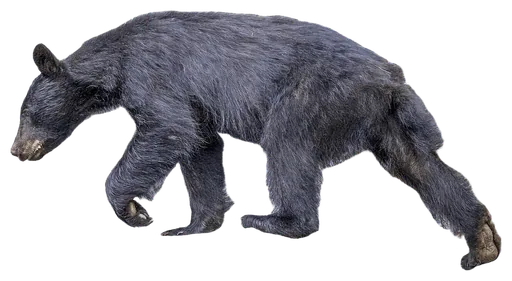
- Weight
- 120 kg265 lb
- Length
- 1.75 m5.7 ft
- Top speed
- 48 km/h30 mph
As heavy as 1.7 people
Heavier than 74% of animalsAbout as long as a person is tall
Bigger than 68% of animalsFaster than Usain Bolt (44.7 km/h)
Faster than 56% of animalsThe American black bear is a versatile forest grappler, combining a 120 kg male's jaws and claws with fast sprinting, excellent climbing, powerful smell and unusually flexible behavior. It is dangerous at close range but remains far below giant bears and megafauna in absolute force and defense. Its strangest advantage is physiological: months-long hibernation with extreme metabolic suppression.
Detailed ratings
Research-backed ratings on one 0–100 scale for all 344 animals (updated 2026-09-27). How ratings work


Card No. 80 of 344. Every animal on Animal Battle Stats has one: its power, tier and archetype on the front; its six battle stats, abilities and signature move on the back.
Special abilities
Short curved claws and powerful limbs let black bears climb trees with exceptional competence, changing terrain access and escape options against many terrestrial opponents.
Hibernation suppresses metabolism dramatically while preserving a relatively high body temperature, allowing months without food or water. This is an endurance/survival specialization, not in-fight regeneration.
Unique traits
A compact plantigrade body combines forelimb strength, claws and jaws for close wrestling in cluttered terrain.
Highly flexible foraging and learned responses let black bears rapidly exploit changing resources and human-altered environments.
How it fights
Weapons
- The jaws are the primary finishing weapon, combining large canines with a broad omnivore skull and powerful jaw musculature. Forelimbs and curved claws provide secondary slashing, grappling and control. A black bear can also use body mass, shoulder strength and wrestling leverage at close range.
Struggles vs
- No armor.
- Far smaller than grizzly/polar bears and terrestrial megafauna.
- Short claws prioritize climbing over the longer digging/combat claws of grizzlies.
- Mostly close-range weapon delivery.
- Generally conflict-averse behavior.
- Weight
- 120 kg265 lb
- Height
- 90 cm35.4 in
- Length
- 1.75 m5.7 ft
- Top speed
- 48 km/h30 mph
- Bite force
- No reliable measurement
- Lifespan
- 20 years
- Home biome
- Forest
- Lifestyle
- Social
Rated specimen: Males are materially larger, so ABS should use a mature male.
Fun facts
- “Black” bears can be black, brown, cinnamon, blonde, blue-gray and rarely white.
- They can sprint roughly 25–35 mph according to different NPS accounts.
- Their curved claws are only about 3.8 cm long yet make them excellent climbers.
- Hibernating black bears can suppress metabolism to roughly one-quarter of basal rate while keeping body temperature around 30–36°C.
- During hibernation they can go months without eating, drinking, urinating or defecating.
- Wild individuals can exceed 30 years of age.
Closest rivals by power. Tap one for the full breakdown, or pick any opponent.
vs WildebeestLoses · 54% · Toss-up 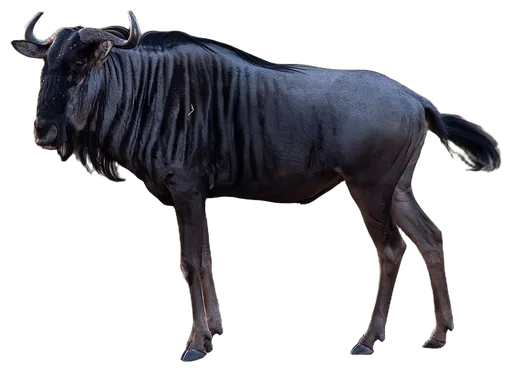 L vs KangarooWins · 52% · Toss-up
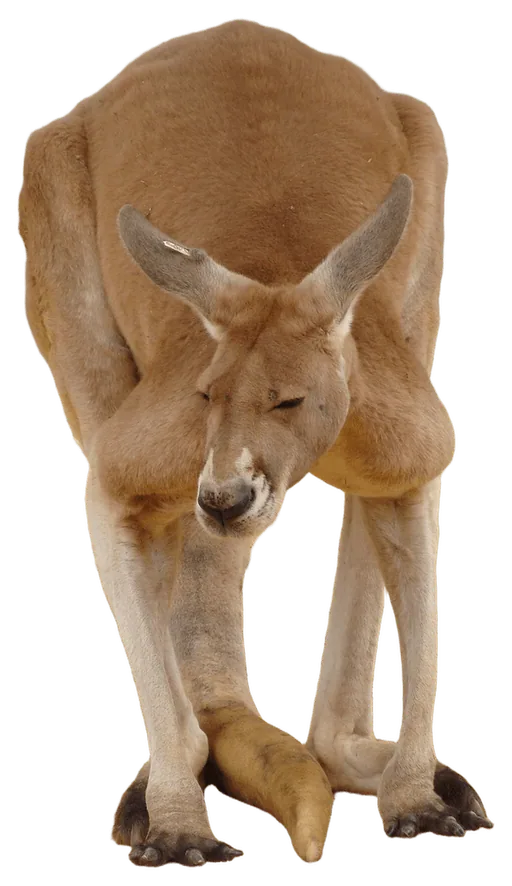 W vs Bighorn SheepDraw · 50-50 · Dead even
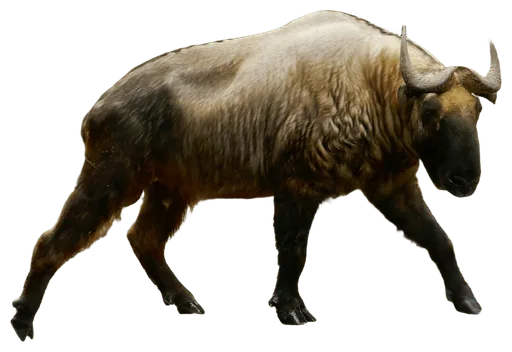
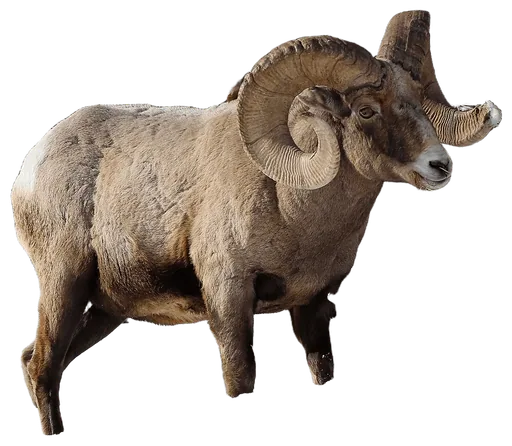 D vs TakinLoses · 56% · Toss-up
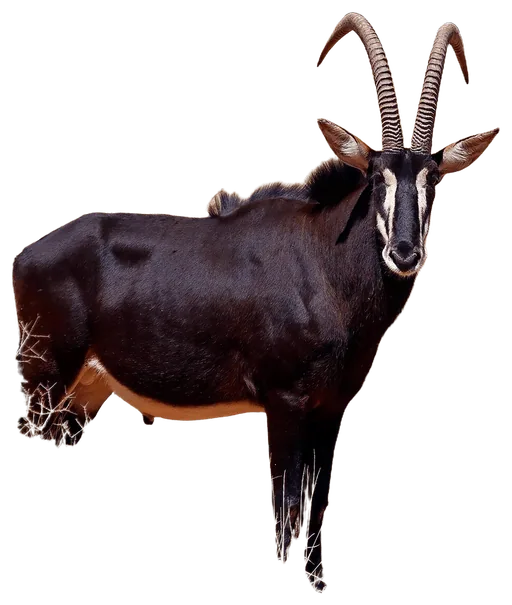
 L vs Sable AntelopeLoses · 54% · Toss-up
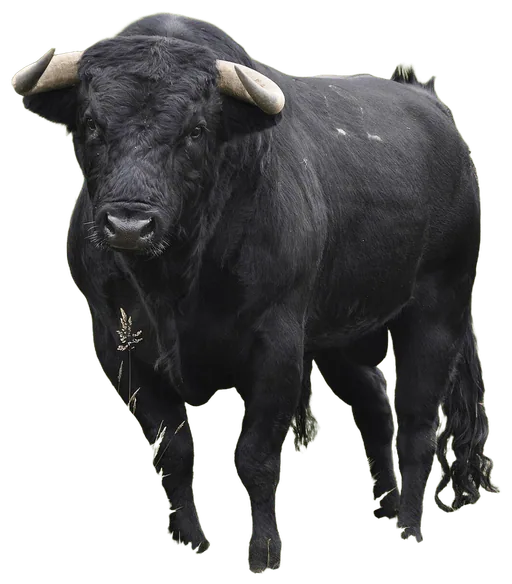
 L vs Fighting BullLoses · 59% · Slight edge
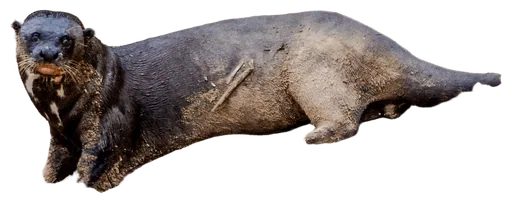
 L vs Giant OtterWins · 59% · Slight edge
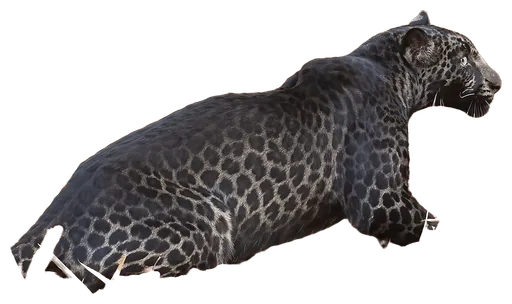
 W vs Black PantherWins · 53% · Toss-up
 W
Black Bear battle analysis
The black bear's battle identity is versatility rather than a single overwhelming weapon. A prime boar can sprint, climb, swim, wrestle and bite, and its forelimbs are powerful enough to control much smaller animals. Yet absolute scaling matters: a 120 kg bear should not approach a 900 kg bison or 5,500 kg elephant in raw force merely because ursids are impressive for their size. The species' strongest comparative advantages appear in cluttered forest terrain, where climbing and maneuverability broaden its options, and in cognition/senses, where exceptional smell and behavioral flexibility support rapid adjustment. Hibernation is biologically spectacular but should not be double-counted as immediate combat toughness. It primarily supports Special and survival physiology, while ordinary active-season endurance remains strong rather than elite.
Habitat & range
Forests, forest edges, mountains, swamps, riparian corridors and some coastal/alpine habitats. Trees are particularly important because black bears are excellent climbers.
Broadly distributed across Canada, the United States and northern Mexico. It is the most widespread bear in North America.
Diet & hunting
Omnivorous and strongly seasonal. Grasses/forbs dominate parts of spring; berries, soft mast and insects become important in summer; nuts/hard mast can dominate fall. Carrion, fish, small mammals and young ungulates supplement plant foods.
Social life
Usually solitary except females with young, breeding pairs and temporary aggregations at concentrated food. Home ranges overlap and social relationships are more complex than a purely territorial-solitary label suggests.
Conservation
Least Concern globally according to IUCN/Bear Specialist Group summaries, with a large overall population. Some subspecies/populations have additional legal protection, including the Louisiana black bear's distinct conservation history.
Quick answers
How strong is a Black Bear?
On the Animal Battle Stats scale, the Black Bear has an attack rating of 56 and a power index of 59.2 out of 100, which ranks it #80 of 344 animals and puts it in B tier (Strong). Its strongest stat is agility (70).
How much does a Black Bear weigh?
A typical adult Black Bear weighs about 120 kg (265 lb). Rated specimen: Males are materially larger, so ABS should use a mature male.
How fast is a Black Bear?
The Black Bear's top speed is about 48 km/h (30 mph). Its agility rating is 70 out of 100.
What does a Black Bear eat?
Omnivorous and strongly seasonal. Grasses/forbs dominate parts of spring; berries, soft mast and insects become important in summer; nuts/hard mast can dominate fall. Carrion, fish, small mammals and young ungulates supplement plant foods.
Is the Black Bear endangered?
No. The Black Bear is listed as Least Concern. Least Concern globally according to IUCN/Bear Specialist Group summaries, with a large overall population. Some subspecies/populations have additional legal protection, including the Louisiana black bear's distinct conservation history.
What animals can beat a Black Bear?
Among its closest rivals, the Wildebeest (54%), the Takin (56%), the Sable Antelope (54%), the Fighting Bull (59%) would be favored against the Black Bear. It would be favored against the Kangaroo, the Giant Otter, the Black Panther. It is dead even with the Bighorn Sheep: a draw.
Researched 2026-09-27. Ratings are editorial judgments built from these sources; measurements describe a healthy adult male.
- International Association for Bear Research and ManagementTaxonomy; 75–200 cm length; 50–100 cm shoulder height; adult male 60–140 kg average; >30-year wild longevity; behavior/intelligence
- NPS North CascadesMale 180–250 lb typical locally, 35 mph, 18-year average, ~1.5-in curved claws, hibernation
- NPS Kenai Fjords~5 ft length, 35–40 in height, 125–500 lb broad range, >25 mph, 25-year potential
- NPS Yellowstone black bearMale 210–315 lb local, ~3 ft shoulder, 15–30 years, climbing, diet, exceptional smell
- US Forest Service FEISSeasonal diet, habitat and ecology
- Tøien et al., Science 20115–7 month hibernation, no eating/drinking/excretion, metabolism ~25% basal, 30–36°C, HR 55 to as few as 9 bpm
- Fedorov et al., BMC Genomics 2011Hibernation physiology, mass loss, metabolic and heart-rate changes
- Vonk et al., Zoo Biology 2021Learned touchscreen conditional discrimination in an American black bear
- Wikimedia Commons, MONGOExact-species real photograph; 1944×1855; public domain
Photo: “Olympic black bear (Ursus americanus altifrontalis) male Whistler.jpg” by Charles J. Sharp, CC BY-SA 4.0, background removed and cropped. Original
Suggest a correction