
Bighorn Sheep
Ovis canadensisB tier · Strong47th of 163 mammals
Size & speed

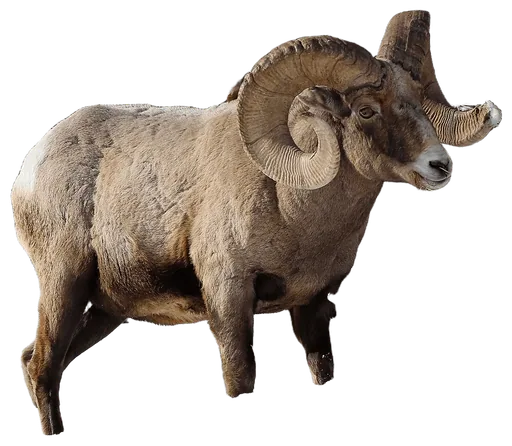
- Weight
- 110 kg243 lb
- Length
- 1.7 m5.6 ft
- Top speed
- 32 km/h20 mph
As heavy as 1.6 people
Heavier than 73% of animalsAbout as long as a person is tall
Bigger than 68% of animalsFaster than most people can sprint
Faster than 37% of animalsThe Bighorn Sheep is a mountain-built impact fighter. A mature ram combines a roughly 110 kg body with massive permanent horns, a reinforced energy-absorbing horncore, and a practiced high-speed ramming attack. Its specialized hooves give it exceptional control on cliffs and broken rock, making terrain part of its defense. The ram is dangerous head-on, but its protection is concentrated around the skull and horns, leaving the neck and body vulnerable to agile large predators.
Detailed ratings
Research-backed ratings on one 0–100 scale for all 344 animals (updated 2026-09-27). How ratings work


Card No. 77 of 344. Every animal on Animal Battle Stats has one: its power, tier and archetype on the front; its six battle stats, abilities and signature move on the back.
Special abilities
A mature ram converts a roughly 9 m/s charge, body mass, and massive curled horns into a specialized frontal collision. Peer-reviewed biomechanics place impact force up to about 3,400 N, making a clean head-on hit a serious blunt-trauma weapon.
Hard-edged hooves with compliant, grippy pads provide exceptional purchase and control on steep rock, letting the sheep reposition through terrain that can sharply reduce a pursuer's effectiveness.
Unique traits
Keratin horn, tapered spiral geometry, cortical shell, and foam-like trabecular horncore dissipate impact energy and reduce acceleration transmitted toward the brain during repeated ramming.
Unlike antlers, the ram's horns are permanent and continue developing with age; mature horn mass can represent a remarkable fraction of total body mass and doubles as weapon and impact-management structure.
How it fights
Weapons
- The ram is a specialized blunt-impact fighter. Its defining weapon is the horned head, delivered after a running charge. The large spiral horns add weapon mass, distribute and absorb impact, and allow forceful contact without the self-damage that would incapacitate an ordinary mammal after repeated collisions. At very close range, rams can also push, hook, and wrestle with the horns. Hooves and body mass are secondary tools rather than the core offensive system.
Struggles vs
- Vulnerable neck, flanks, abdomen, and hindquarters outside the reinforced head-horn system.
- Charge is directional and easier to evade than a close-range grappling predator's offense.
- No cutting, piercing carnivore dentition or claws.
- Specialized cliff agility does not equal universally elite agility on every substrate.
- Mountain lion predation demonstrates that a sufficiently capable ambush predator can bypass the frontal weapon system.
- Weight
- 110 kg243 lb
- Height
- 1 m3.3 ft
- Length
- 1.7 m5.6 ft
- Top speed
- 32 km/h20 mph
- Bite force
- No reliable measurement
- Lifespan
- 10.5 years
- Home biome
- Mountains
- Lifestyle
- Social
Rated specimen: Healthy fully mature adult male (ram), approximately 110.0 kg, 100.0 cm at the shoulder, and 170.0 cm head-to-tail/body-length convention.
Fun facts
- A mature ram's horns can account for roughly 8-12% of total body weight in Yellowstone data.
- Peer-reviewed studies estimate ramming forces up to about 3,400 N.
- The bony horncore contains foam-like trabecular bone that helps absorb collision energy.
- Rams can repeat high-energy head clashes over hours during mating-season contests.
- Their hooves combine a hard outer edge with a grippy inner pad, functioning like built-in mountain footwear.
- Both sexes have horns, but mature males develop the iconic massive curl.
Closest rivals by power. Tap one for the full breakdown, or pick any opponent.
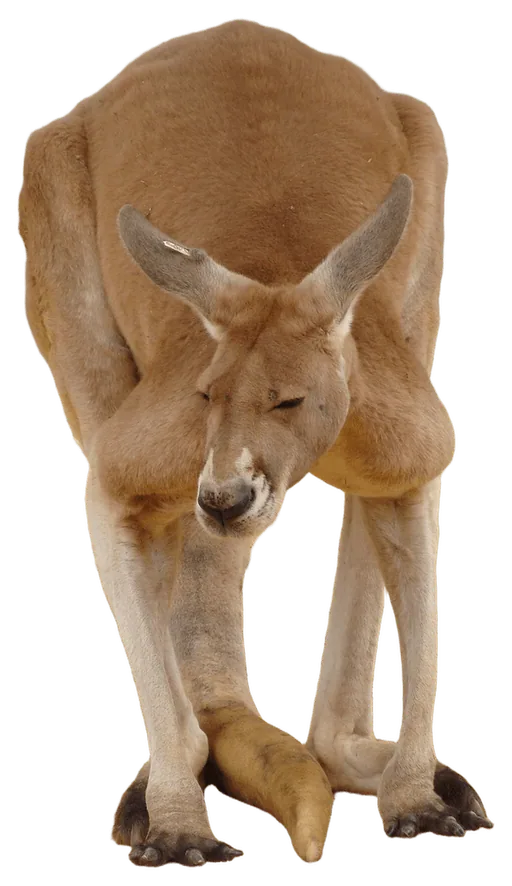
vs TakinLoses · 56% · Toss-up 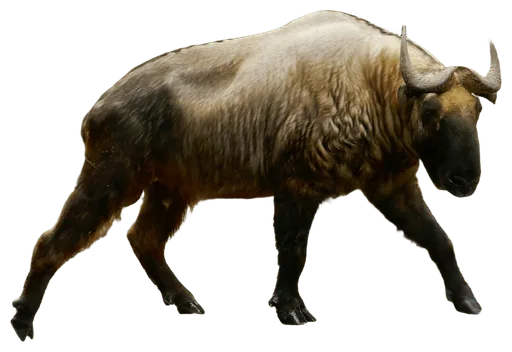 L vs KangarooWins · 52% · Toss-up
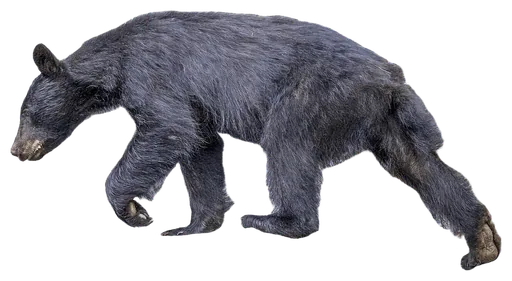
 W vs Black BearDraw · 50-50 · Dead even
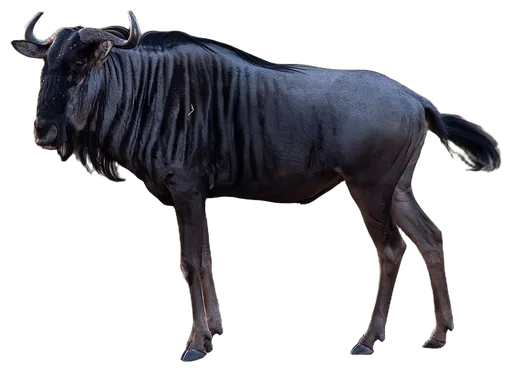
 D vs WildebeestLoses · 54% · Toss-up
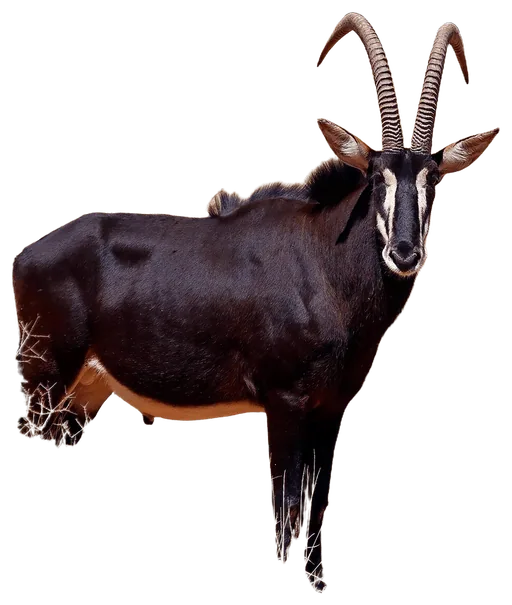
 L vs Sable AntelopeLoses · 55% · Toss-up
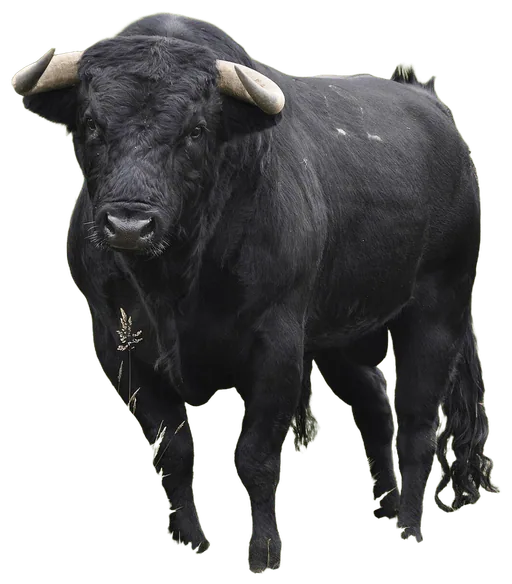
 L vs Fighting BullLoses · 60% · Slight edge
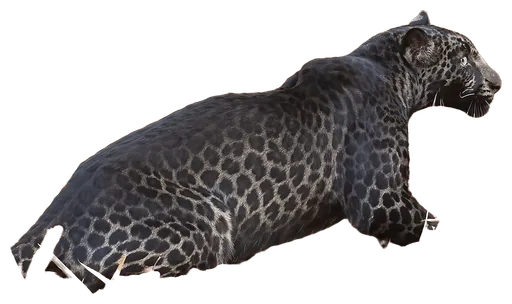
 L vs Black PantherWins · 52% · Toss-up
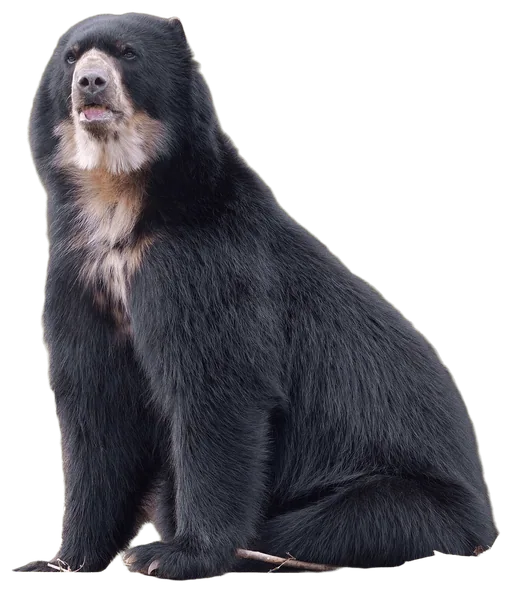
 W vs Spectacled BearLoses · 52% · Toss-up
 L
Bighorn Sheep battle analysis
A mature bighorn ram is not simply a sheep with oversized horns. Its entire combat system is organized around repeated frontal impact. During the rut, rival males create distance, accelerate toward one another, rear, and collide through the horns. Biomechanical literature cites approach velocities around 9 m/s and estimated impact forces up to 3,400 N. Those collisions are possible because the horn is a layered keratin structure built for energy absorption, while the bony horncore includes cortical and trabecular architecture that helps dissipate load and reduce acceleration reaching the brain cavity.
The result is an animal whose Attack is disproportionately effective for a 110 kg herbivore without requiring fictionalized power. A clean frontal collision can deliver serious blunt trauma, and mature horns also provide leverage in close contests. Yet the specialization has clear limits. The ram's abdomen, neck, flanks, and hindquarters are not armored, and mountain lions demonstrate that an attacker capable of bypassing the frontal weapon can kill even adult bighorns.
Its second major advantage is terrain control. Bighorn hooves combine rigid edges with compliant gripping pads, allowing remarkably precise movement over ledges, cliffs, and steep broken rock. This should raise Agility through balance, turning control, footing, and evasive repositioning rather than through an inflated sprint-speed number. On flat or slippery terrain the advantage narrows considerably.
Bighorns also have meaningful endurance. Rutting rams can engage in repeated clashes over prolonged periods, and normal life demands movement through energetically expensive mountain terrain. Their social cognition supports rival assessment and dominance relationships, but there is no evidence for top-tier flexible problem solving. Overall, the bighorn ram should rank as a strong mid-sized ungulate combatant with unusually good blunt weaponry and terrain agility, while remaining clearly below large bovids, camels, bears, and megafauna in absolute power and durability.
Habitat & range
Bighorn sheep occupy steep mountainous and canyon habitats, alpine meadows, foothills, desert mountain ranges, cliffs, ledges, and adjacent grass/shrub feeding areas. Escape terrain with good visibility is especially important.
Native to western North America, from parts of Canada through the western United States into Mexico. Population/subspecies geography matters: Rocky Mountain sheep occupy colder northern and high-elevation systems, while desert bighorns occupy arid southwestern mountains and canyonlands.
Diet & hunting
Herbivorous. Grasses, sedges, forbs, herbs, shrubs, and other vegetation dominate, with diet shifting by habitat and season. They are ruminants and browse more when grasses are scarce.
Social life
Gregarious. Outside the rut, rams commonly live in male groups separate from ewe/lamb/yearling groups. Ram social rank is established through displays and combat. NPS reports bands ranging from small groups to much larger aggregations depending on population and season.
Conservation
At the species scale Ovis canadensis remains widespread, but conservation status varies sharply by population and subspecies. The Sierra Nevada bighorn (O. c. sierrae) and the Peninsular Ranges population of desert bighorn have received U.S. federal protection. Historical declines were driven by overhunting, habitat change, competition, and especially disease introduced from domestic livestock. The future site should avoid applying a threatened subspecies/population status to every bighorn sheep.
Quick answers
How strong is a Bighorn Sheep?
On the Animal Battle Stats scale, the Bighorn Sheep has an attack rating of 58 and a power index of 59.4 out of 100, which ranks it #77 of 344 animals and puts it in B tier (Strong). Its strongest stat is agility (74).
How much does a Bighorn Sheep weigh?
A typical adult Bighorn Sheep weighs about 110 kg (243 lb). Rated specimen: Healthy fully mature adult male (ram), approximately 110.0 kg, 100.0 cm at the shoulder, and 170.0 cm head-to-tail/body-length convention.
How fast is a Bighorn Sheep?
The Bighorn Sheep's top speed is about 32 km/h (20 mph). Its agility rating is 74 out of 100.
What does a Bighorn Sheep eat?
Herbivorous. Grasses, sedges, forbs, herbs, shrubs, and other vegetation dominate, with diet shifting by habitat and season. They are ruminants and browse more when grasses are scarce.
What animals can beat a Bighorn Sheep?
Among its closest rivals, the Takin (56%), the Wildebeest (54%), the Sable Antelope (55%), the Fighting Bull (60%), the Spectacled Bear (52%) would be favored against the Bighorn Sheep. It would be favored against the Kangaroo, the Black Panther. It is dead even with the Black Bear: a draw.
Researched 2026-09-27. Ratings are editorial judgments built from these sources; measurements describe a healthy adult male.
- Yellowstone National Park, NPSMale/female mass, lifespan, horn mass
- Jewel Cave National Monument, NPSShoulder height, mass, horn length, sex differences, diet, combat
- Animal Diversity Web, University of MichiganSpecies dimensions, sexual dimorphism, habitat
- Aguirre et al., Scientific Reports (2020)Ramming biomechanics, impact force, horncore
- Drake et al., Acta Biomaterialia (2016), PubMedHorn/horncore impact absorption
- Huang et al., Acta Biomaterialia (2017), PubMedCharge velocity and horn material mechanics
- Canyonlands National Park, NPSRut behavior and independent charge-speed context
- Yosemite National Park, NPSHoof/terrain specialization, Sierra population size context
- Curecanti NRA, NPSSenses, hooves, sociality
- USGS Southwest Biological Science CenterPredator vulnerability and disease
- Grand Canyon NPSDesert ecology, social groups, ram combat
- USFWS Peninsular Bighorn SheepDesert morphology, habitat, diet, conservation nuance
- Wikimedia Commons / Dean Biggins USFWSImage identity/provenance
Photo: “Bighorn sheep ram in winter (53481643872).jpg” by YellowstoneNPS, Public domain, background removed and cropped. Original
Suggest a correction