

Betta Fish
Betta splendens
 #334 of 341
  Wetlands Berserker Vulnerable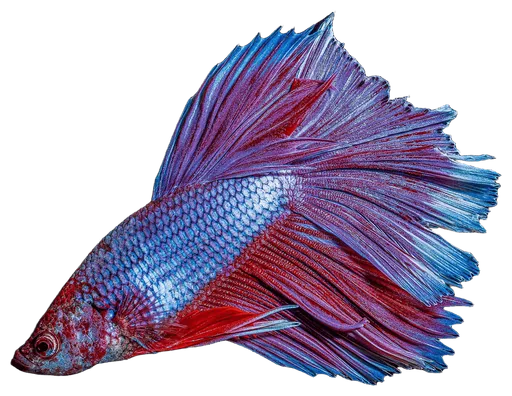
 Fight
FightPhoto: Henryk Niestrój · CC BY 4.0
The betta, or Siamese fighting fish, is a 2-gram paddy fish that breathes air and fights with a ferocity bred into it for centuries. It flares, rams and bites rival males, but on the absolute scale it is among the smallest and weakest fighters on the roster.
 Attack2.5
  Defense3
  Agility66
  Stamina40
  Intelligence34
  Special55
 Detailed ratings
Research-backed ratings on one 0–100 scale for all 341 animals (updated 2026-09-28). How ratings work
Special abilities
Ability 1Labyrinth LungAn accessory labyrinth organ lets the betta gulp air at the surface, so it thrives in hot, shallow, oxygen-starved paddies; during fights it meets its extra oxygen demand by taking more air rather than working its gills harder.
 Ability 2Flare Display
Males flare their gill covers, spread their fins and intensify colour before escalating to ramming and biting, letting rivals size each other up; in a matchup this can deter an evenly matched rival without contact.
Unique traits
 TraitBred to Fight
Domesticated in Thailand at least 1,000 years ago and bred for staged fights for centuries; fighter strains are more aggressive than wild fish in every measured behaviour.
TraitBubble-Nest FatherThe male builds a floating nest of mucus-coated air bubbles, catches sinking eggs in his mouth, places them in the nest and guards the eggs and fry alone.
How it fights
Weapons
- The betta's only weapon is its small mouth. Male fights consist of display, then ramming and biting at the opponent's fins, flanks and scales; confined fish without an escape route can kill each other (Wikipedia). In the wild it feeds on zooplankton, small crustaceans, mosquito and other insect larvae, and insects that fall onto the water surface (FishBase; Wikipedia). Against anything larger than another small fish, the bite is meaningless.
 Struggles vs
- About 2 g; negligible absolute power and durability.
- Needs access to surface air; displaying males must interrupt displays to breathe.
- Long domestic fins reduce agility.
- Aggression drives it into costly fights with its own kind.
- Weight
- 2 g0.1 oz
- Height
- No reliable measurement
- Length
- 6 cm2.4 in
- Top speed
- No reliable measurement
- Bite force
- No reliable measurement
- Lifespan
- 2 years
- Home biome
- Wetlands
- Lifestyle
- Mostly solitary
Rated specimen: Healthy adult wild-type male, 6.0 cm total length and about 2 g (0.002 kg).
Fun facts
- Genetic analysis suggests bettas were domesticated at least 1,000 years ago, among the earliest of any fish.
- The Thai name pla kat means "biting fish".
- Wild bettas rarely fight for more than 15 minutes, but a bred fighting fish was judged poor if it quit within an hour.
- During a fight, the brain gene activity of two rival males synchronizes.
- A betta breathes air: it gulps oxygen at the surface with its labyrinth organ.
- The father builds a bubble nest and catches falling eggs in his mouth.
Closest rivals by power. Tap one for the full breakdown, or pick any opponent.
vs Guinea PigWins · 51% · Toss-up 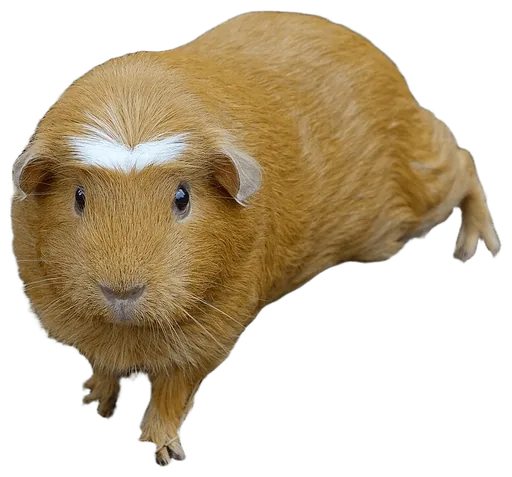 W vs GoldfishLoses · 54% · Toss-up
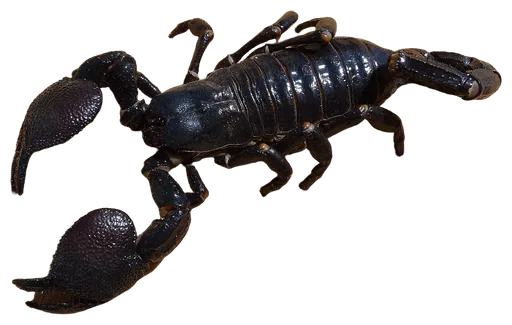
 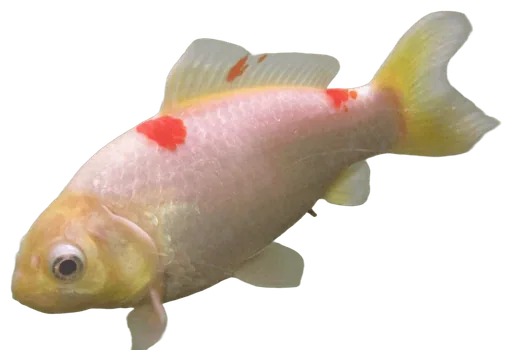 L vs Emperor ScorpionLoses · 52% · Toss-up
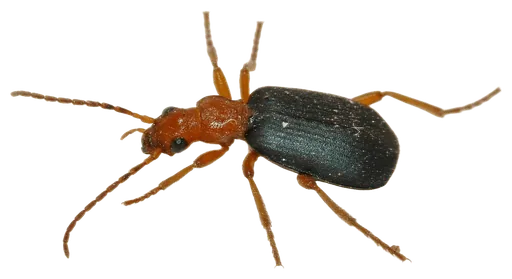
  L vs Bombardier BeetleLoses · 52% · Toss-up
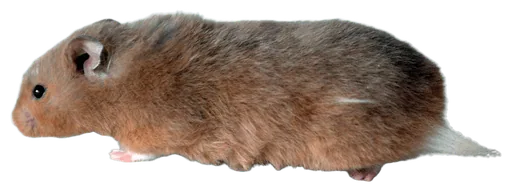
  L vs Syrian HamsterLoses · 53% · Toss-up
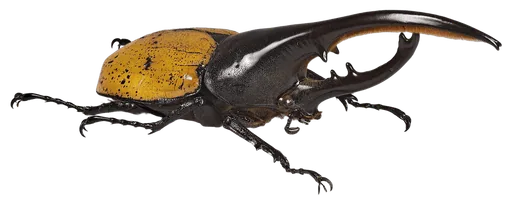
  L vs Hercules BeetleWins · 53% · Toss-up
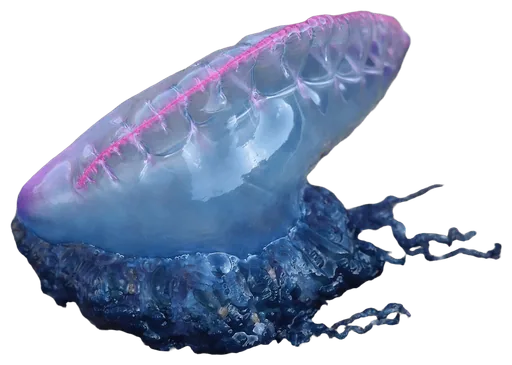
  W vs Portuguese Man o' WarLoses · 56% · Toss-up
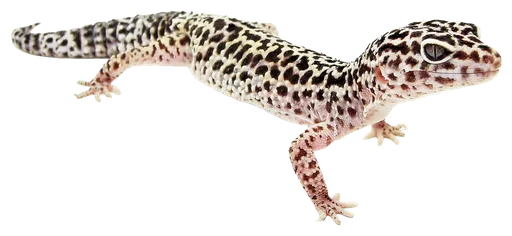
  L vs Leopard GeckoLoses · 54% · Toss-up
  L
L  Pick any opponent
 Betta Fish battle analysis
In the shallow, sun-baked rice paddies and marshes of Thailand, the water can be warm, stagnant and nearly empty of oxygen. The wild betta, a small, dull green-brown fish, thrives there because it can breathe air through its labyrinth organ. Males stake out patches of dense plants, build floating bubble nests, and chase off any rival male that comes near.
Their contests are ritualized. Two males flare their gill covers, spread their fins and flush with colour before escalating into ramming and biting at fins and scales. In the wild, most fights end within minutes when one fish backs away. People in Thailand and Malaysia began collecting these fish centuries ago and breeding the winners of staged fights, producing domestic fighting strains that attack faster and keep going for an hour or more, as well as the flowing, jewel-coloured show bettas sold today.
For all its reputation, the betta is a 2-gram fish with a tiny mouth. Its ferocity is real and scores near the top of the roster, but its Attack and Defense sit near the floor. Its genuine edge is survival: in foul, oxygen-poor water, where rivals suffocate, the betta simply rises to the surface and takes a breath.
Habitat & range
Native to mainland Southeast Asia, centred on the central plain of Thailand from the Mae Khlong to Chao Phraya basins, the eastern Cardamom Mountains of Cambodia and the Isthmus of Kra, with records from Laos, Vietnam, Myanmar and Malaysia (Wikipedia); FishBase lists the Mekong basin. It lives in shallow, heavily vegetated standing waters: marshes, floodplains, canals, rice paddies and slow parts of rivers (FishBase; Wikipedia). Air temperatures there range from about 15 to 40 °C and water pH from 6.9 to 8.2 (Wikipedia).
Diet & hunting
Carnivorous surface and mid-water feeder on zooplankton, small crustaceans, mosquito and other insect larvae, and fallen insects (FishBase; Wikipedia). It helps control mosquito larvae in paddies. Introduced populations can threaten native fish, frogs and other wetland animals (Wikipedia).
Social life
Solitary and territorial. Males space themselves among dense plants; females and fry use vegetation for protection (Wikipedia).
Conservation
Vulnerable on the IUCN Red List (Wikipedia; assessment by Vidthayanon), threatened by agricultural and chemical runoff, pharmaceutical pollution and conversion of wetlands, including to oil-palm plantations. Captive bettas are extremely abundant, and ornamental strains have hybridized with wild populations of related species (Kwon et al. 2022).
Quick answers
How strong is a Betta Fish?
On the Animal Battle Stats scale, the Betta Fish has an attack rating of 2.5 and a power index of 25.5 out of 100, which ranks it #334 of 341 animals and puts it in F tier (Snack). Its strongest stat is agility (66).
How much does a Betta Fish weigh?
A typical adult Betta Fish weighs about 2 g (0.1 oz). Rated specimen: healthy adult wild-type male, 6.0 cm total length and about 2 g (0.002 kg).
How fast is a Betta Fish?
There is no reliable measured top speed for the Betta Fish, so we do not publish one. Its agility rating, which covers acceleration, reflexes and evasion, is 66 out of 100.
What does a Betta Fish eat?
Carnivorous surface and mid-water feeder on zooplankton, small crustaceans, mosquito and other insect larvae, and fallen insects (FishBase; Wikipedia). It helps control mosquito larvae in paddies. Introduced populations can threaten native fish, frogs and other wetland animals (Wikipedia).
Is the Betta Fish endangered?
The Betta Fish's conservation status is Vulnerable. Vulnerable on the IUCN Red List (Wikipedia; assessment by Vidthayanon), threatened by agricultural and chemical runoff, pharmaceutical pollution and conversion of wetlands, including to oil-palm plantations. Captive bettas are extremely abundant, and ornamental strains have hybridized with wild populations of related species (Kwon et al. 2022).
What animals can beat a Betta Fish?
Among its closest rivals, the Goldfish (54%), the Emperor Scorpion (52%), the Bombardier Beetle (52%), the Syrian Hamster (53%), the Portuguese Man o' War (56%), the Leopard Gecko (54%) would be favored against the Betta Fish. It would be favored against the Guinea Pig, the Hercules Beetle.
Researched 2026-09-28. Ratings are editorial judgments built from these sources; measurements describe a healthy adult male.
- FishBase, Betta splendenssize, age, habitat, diet, air breathing
- FishBase species summary (length-weight)mass estimate
- Wikipedia, Siamese fighting fishrange, habitat, density, diet, domestication, status, fighting
- Animal Diversity Web, Betta splendenslifespan, dry-season survival, fight duration, courtship
- Kwon et al. 2022, Science Advancesdomestication, genetics
- Ramos and Gonçalves 2019, Frontiers in Zoologyaggression, size
- Alton, Portugal and White 2013, Comp. Biochem. Physiol. Aair breathing during fights
- Vu et al. 2021, Genecontest assessment
- Haller 1992, Physiology and Behaviorcost of aggression
Photo: “Bojownik syjamski.jpg” by Henryk Niestrój, CC BY 4.0, background removed and cropped. Original
Suggest a correction