

Bengal Tiger
Panthera tigris tigris
 #16 of 273
  Jungle Ambush Predator Endangered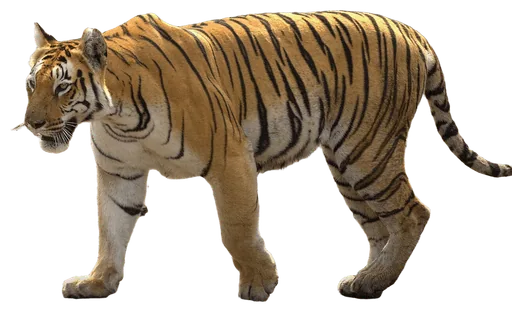
 Fight
FightPhoto: Bobwca2017 · CC BY-SA 4.0
The Bengal tiger is the big cat of South Asia's forests, grasslands and mangroves, a roughly 200 kg ambush hunter that kills sambar, wild pig and even adult gaur alone. It wins with stealth, an explosive grapple, long claws and a crushing throat bite. It lacks armor and tires quickly in a prolonged fight.
 Attack85
  Defense61.5
  Agility84
  Stamina61
  Intelligence66
  Special60
 Detailed ratings
Research-backed ratings on one 0–100 scale for all 273 animals (updated 2026-09-28). How ratings work
Special abilities
Ability 1Tall-Grass AmbushVertical striping that breaks up the outline in grass and dappled forest, padded silent feet and patient stalking let the tiger close to a few metres before a single explosive rush. In cover, the tiger usually lands the first strike.
 Ability 2Mangrove Swimmer
Tigers swim strongly and hunt across rivers and tidal channels; Sundarbans tigers cross open water routinely. Water that stops many land predators is part of the Bengal tiger's hunting ground.
Unique traits
 TraitWild-Cattle Killer
The South Asian tiger is the only land predator in its range that regularly kills adult gaur and sambar alone, taking the largest prey in its predator guild.
TraitSubcontinent StrongholdIndia holds most of the world's wild tigers, with the 2022 national estimate at roughly 3,167–3,682 animals.
How it fights
Weapons
- The Bengal tiger kills with an integrated system: a short explosive rush from cover, forelimb seizure with hooked retractile claws, and a sustained killing bite to the throat or nape. Broad forepaws and a dewclaw let the cat anchor itself to a struggling animal while the jaws find position. Karanth and Sunquist's Nagarahole studies show tigers taking the largest prey in the local guild (sambar, gaur and adult wild pig) while leopards and dholes take smaller prey, which is the clearest field evidence for its absolute killing power.
 Struggles vs
- Burst physiology: poor sustained chase capacity.
- No armor; horns, tusks and quills can cause disabling wounds.
- Solitary: an injured tiger has no support.
- Heavy reliance on a successful first strike.
- Weight
- 200 kg441 lb
- Height
- 1 m3.3 ft
- Length
- 2.85 m9.4 ft
- Top speed
- 60 km/h37 mph
- Bite force
- No reliable measurement
- Lifespan
- 12 years
- Home biome
- Jungle
- Lifestyle
- Mostly solitary, nocturnal
Rated specimen: Healthy prime adult male from a mainland population (central India, Terai), 200.0 kg, about 285.0 cm total nose-to-tail length and 100.0 cm shoulder height.
Fun facts
- Chitwan National Park produced the heaviest free-ranging tigers ever recorded, including two males above 270 kg.
- Sundarbans tigresses can weigh only about 75–80 kg, less than half of a large mainland male.
- A tiger can leap roughly 5.5–6 m horizontally, according to the Smithsonian's National Zoo.
- In Thailand, radio-tracked tigers killed gaur of which about 45% were adults.
- Tigers readily swim and can cross wide rivers and tidal channels.
- India's 2022 tiger estimate put the national population at about 3,167–3,682.
Closest rivals by power. Tap one for the full breakdown, or pick any opponent.
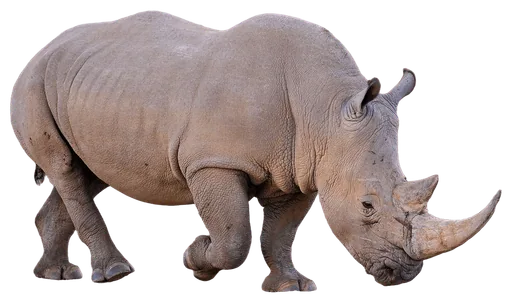
vs Siberian TigerWins · 50% · Toss-up 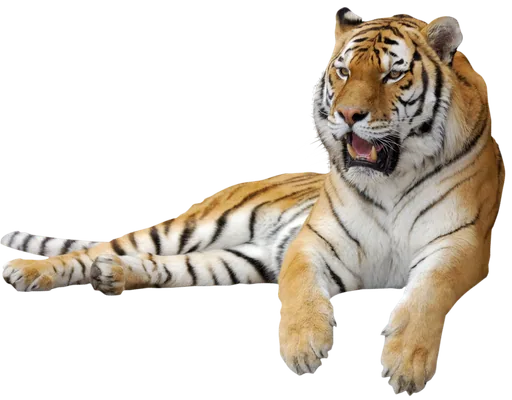 W vs RhinocerosLoses · 51% · Toss-up
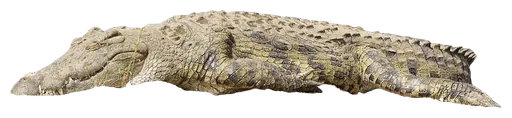
  L vs Nile CrocodileWins · 50% · Toss-up
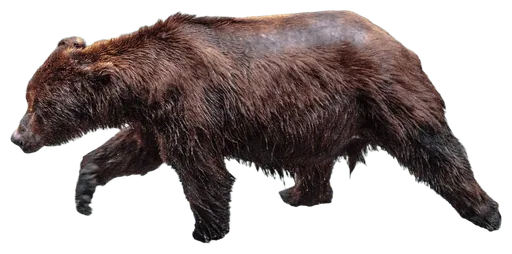
  W vs Kodiak BearWins · 54% · Toss-up
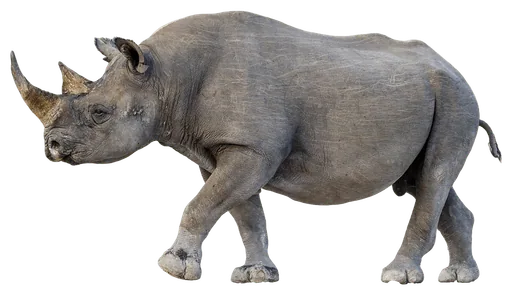
  W vs Black RhinocerosWins · 54% · Toss-up
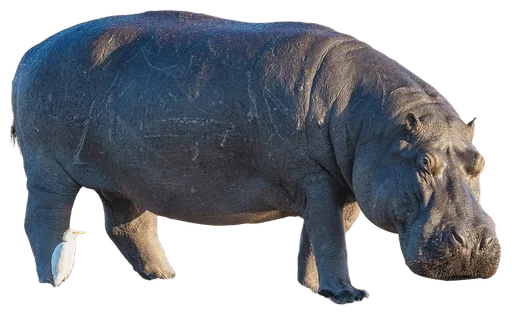
  W vs HippopotamusLoses · 55% · Toss-up
  L vs Hammerhead SharkLoses · 52% · Toss-up
  L vs Mako SharkLoses · 52% · Toss-up
  L
L  Pick any opponent
 Bengal Tiger battle analysis
The Bengal tiger is built for one decisive moment. A prime male of around 200 kg spends most of a hunt unseen, working through tall grass or forest shade until the prey is within a few bounds. Then the charge, the forelimb strike and the bite arrive almost together. Broad paws with hooked retractile claws anchor the cat to an animal that may outweigh it several times, and the long canines hold the throat or nape until the struggle ends. Field studies in southern India show that tigers take the largest prey available, above the leopards and dholes that share their forests.
That power comes with clear limits. The tiger is a sprinter, not a runner, and a failed ambush usually ends within a short distance. There is no armor under the striped coat, and the animals tigers hunt fight back with horns, tusks and weight. Gaur, wild boar and rival males all wound tigers, and a solitary cat carrying a serious injury has no pride or pack to cover for it. Heat on the plains also limits how long a tiger can keep working, which is why so much of its activity is at dawn, dusk and night.
Compared with its northern cousin in the roster, the Amur tiger, the Bengal tiger is at least as heavy in its mainland populations, carries a thinner coat, and is equally comfortable in water. In a matchup it is one of the most dangerous close-range predators on land: it should overwhelm most medium-sized animals and trouble large ones, while armor, overwhelming mass or a long open-ground fight turn the odds against it.
Habitat & range
Bengal tigers live across India, Nepal, Bhutan and Bangladesh in tropical moist and dry deciduous forest, Terai grassland, hill forest and the Sundarbans mangroves. They need dense cover, water and a large base of hoofed prey.
Diet & hunting
Tigers are hypercarnivores. Principal prey are sambar, chital, wild pig and gaur, with smaller mammals, livestock and occasionally other predators taken. In Nagarahole, tigers selected larger prey than co-occurring leopards and dholes, which lets the three predators share the same forest.
Social life
Solitary and territorial. A male's territory overlaps several females, and residents defend them against transient males. Adults meet mainly to mate or at shared kills.
Conservation
The tiger (Panthera tigris) is assessed as Endangered on the IUCN Red List (2022, criteria A2abcd). The 2021 global estimate was roughly 3,726–5,578 tigers, with about 3,140 mature individuals, and most live in India. Main threats are poaching, prey depletion, habitat loss and fragmentation, and conflict with people.
Quick answers
How strong is a Bengal Tiger?
On the Animal Battle Stats scale, the Bengal Tiger has an attack rating of 85 and a power index of 71.8 out of 100, which ranks it #16 of 273 animals and puts it in A tier (Elite). Its strongest stat is attack (85).
How much does a Bengal Tiger weigh?
A typical adult Bengal Tiger weighs about 200 kg (441 lb). Rated specimen: healthy prime adult male from a mainland population (central India, Terai), 200.0 kg, about 285.0 cm total nose-to-tail length and 100.0 cm shoulder height.
How fast is a Bengal Tiger?
The Bengal Tiger's top speed is about 60 km/h (37 mph). Its agility rating is 84 out of 100.
What does a Bengal Tiger eat?
Tigers are hypercarnivores. Principal prey are sambar, chital, wild pig and gaur, with smaller mammals, livestock and occasionally other predators taken. In Nagarahole, tigers selected larger prey than co-occurring leopards and dholes, which lets the three predators share the same forest.
Is the Bengal Tiger endangered?
The Bengal Tiger's conservation status is Endangered. The tiger (Panthera tigris) is assessed as Endangered on the IUCN Red List (2022, criteria A2abcd). The 2021 global estimate was roughly 3,726–5,578 tigers, with about 3,140 mature individuals, and most live in India. Main threats are poaching, prey depletion, habitat loss and fragmentation, and conflict with people.
What animals can beat a Bengal Tiger?
Among its closest rivals, the Rhinoceros (51%), the Hippopotamus (55%), the Hammerhead Shark (52%), the Mako Shark (52%) would be favored against the Bengal Tiger. It would be favored against the Siberian Tiger, the Nile Crocodile, the Kodiak Bear, the Black Rhinoceros.
Researched 2026-09-28. Ratings are editorial judgments built from these sources; measurements describe a healthy adult male.
- Animal Diversity Web, Panthera tigrisclaws, general biology
- San Diego Zoo Wildlife Alliance Library, Tiger fact sheetmass ranges, shoulder height, canine and claw lengths
- SDZWA Library, Tiger behavior and ecologysocial structure, territory
- Smithsonian's National Zoo, Tigerhunting mode, social behavior
- Smithsonian's National Zoo, tiger facts articleleaping, size context
- IUCN Red List assessment, Goodrich et al. 2022conservation status, population
- IUCN SSC Cat Specialist Group, Tigertaxonomy
- Karanth & Sunquist 1995, Journal of Animal Ecology (IAS repository)prey selection, guild position
- Karanth & Sunquist 2000, Journal of Zoologypredation behavior
- Weights of gaur and banteng killed by tigers in Thailand (PMC)large-prey killing
- Hartstone-Rose et al. 2012, The Anatomical Recordbite force method
- Ranging, activity and habitat use of Sundarban tigers (PMC)mangrove habitat use
- Barlow 2009 PhD thesis, Sundarbans tigerSundarbans body size
- Wikipedia, Bengal tigercompiled weights and lengths, India 2022 estimate
- Commons, Bamera Tiger Bandhavgarhimage candidate
Photo: “5W7A3518 (2).jpg” by Bobwca2017, CC BY-SA 4.0, background removed and cropped. Original
Suggest a correction