

Bearded Vulture
Gypaetus barbatus
 #166 of 273
  Mountains Scavenger Near Threatened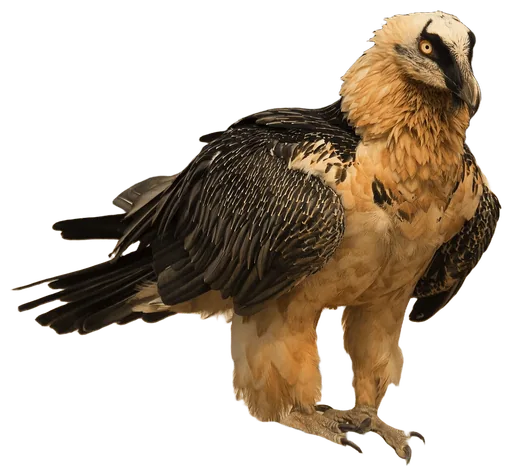
 Fight
FightPhoto: Juan Carlos Noreña · CC BY-SA 4.0
The bearded vulture is a 6 kg mountain vulture with a 2.7 m wingspan that lives mostly on bones, dropping them onto rocks to smash them and dissolving the pieces in stomach acid below pH 1. It is a graceful, far-ranging flier but a poor fighter, with weak talons and little appetite for conflict.
 Attack29
  Defense20
  Agility74
  Stamina80
  Intelligence68
  Special76
 Detailed ratings
Research-backed ratings on one 0–100 scale for all 273 animals (updated 2026-09-28). How ratings work
Special abilities
Ability 1Bone BomberCarries bones and live prey such as tortoises high into the air and drops them onto rocks at chosen sites, repeating until they shatter.
 Ability 2Acid Gut
A stomach with pH below 1 dissolves swallowed bones up to about 30 cm long within about a day, letting it live on food no other animal can use.
Unique traits
 TraitBone Eater
Bones make up about 70–90% of its diet, described as the only animal whose diet is based mainly on bone.
TraitRust-Stained PlumageBathes in iron-rich mud and springs to dye its white underparts rusty orange, a rare cosmetic behavior in birds.
How it fights
Weapons
- The bearded vulture is a bone specialist, not a fighter. Its hooked beak handles and swallows bones and its feet can carry heavy loads, but its talons are weak compared with an eagle's. Its most dangerous tool is height: it carries bones and live prey into the air and drops them onto rocks. Tortoises, often nearly as heavy as the vulture itself, are a favored live prey where common, and rock hyraxes, hares, marmots and, in one case, a 62 cm monitor lizard have been reported seized and dropped. Popular accounts also claim it sometimes knocks large animals off ledges with its wings; this is anecdotal and not scored.
 Struggles vs
- Weak talons and a beak built for bones rather than killing.
- No armor; grounded, it is clumsy.
- Depends on mountain updrafts and on carcasses left by other animals.
- Low willingness to fight.
- Weight
- 6.2 kg14 lb
- Height
- No reliable measurement
- Length
- 1.1 m3.6 ft
- Top speed
- No reliable measurement
- Bite force
- No reliable measurement
- Lifespan
- 30 years
- Home biome
- Mountains
- Lifestyle
- Mostly solitary
Rated specimen: Healthy adult female, 6.2 kg, 110.0 cm total length, wingspan about 2.7 m.
Fun facts
- Bones make up about 70–90% of its diet.
- Its stomach acid is below pH 1 and can dissolve bone within about a day.
- It can swallow bones up to about 30 cm long whole.
- It drops bones onto rocks from height to smash them, often at favorite sites.
- Its orange color is cosmetic: it stains its white feathers by bathing in iron-rich mud.
- One old name, "ossifrage," means "bone breaker."
Closest rivals by power. Tap one for the full breakdown, or pick any opponent.
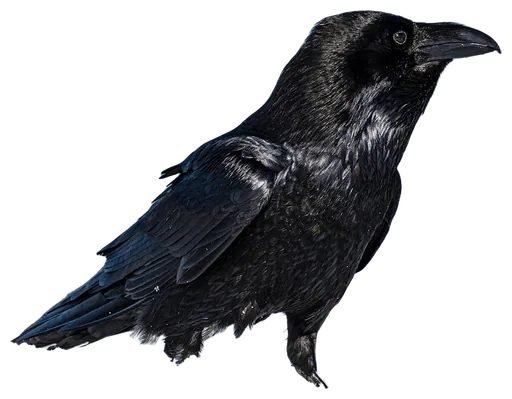
vs PelicanWins · 50% · Toss-up 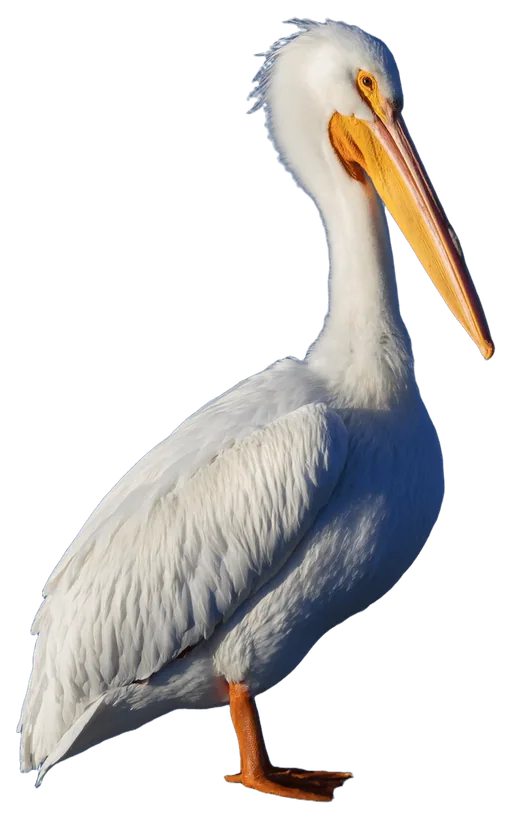 W vs RavenLoses · 51% · Toss-up
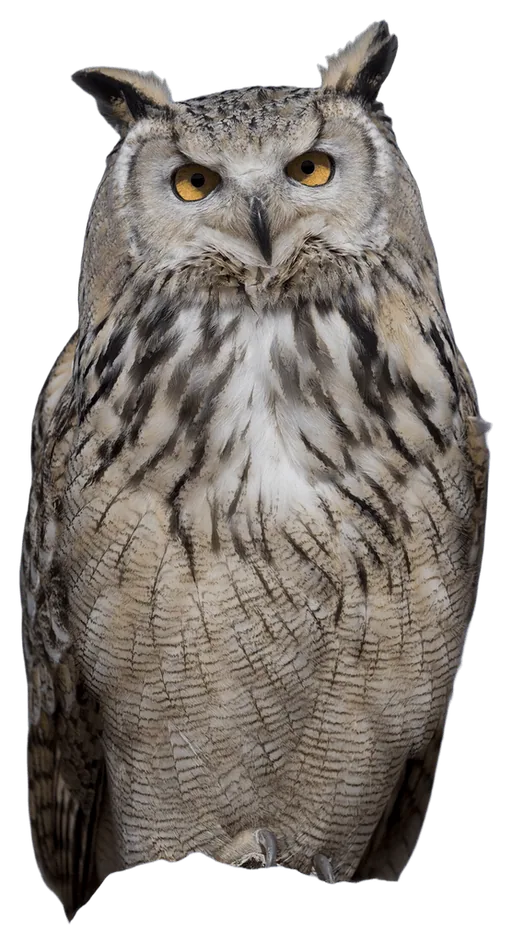
  L vs Great Horned OwlLoses · 51% · Toss-up
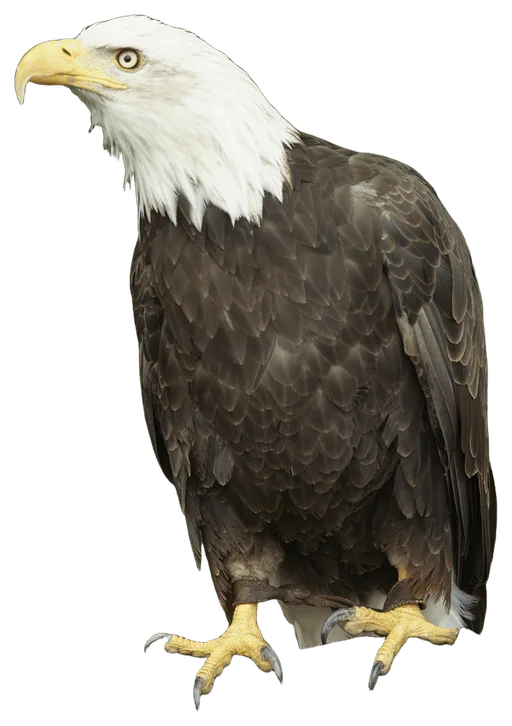
  L vs Bald EagleLoses · 52% · Toss-up
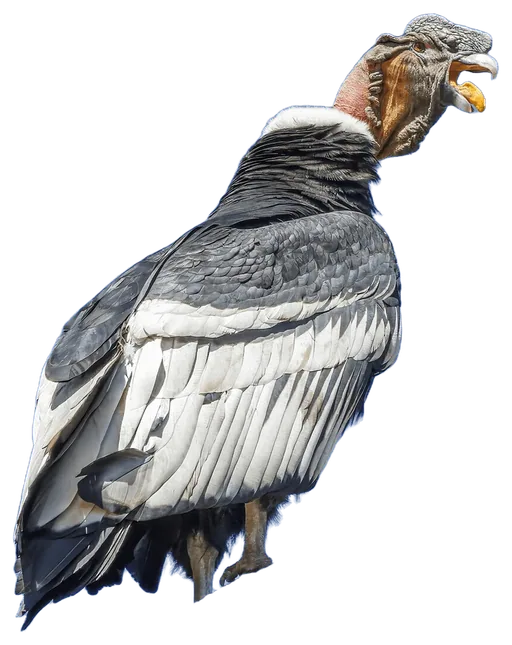
  L vs CondorLoses · 52% · Toss-up
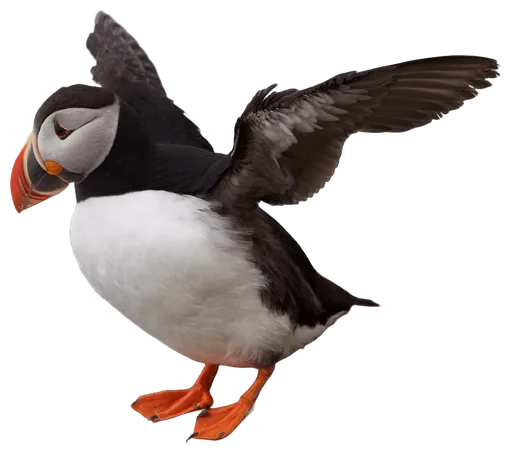
  L vs PuffinWins · 53% · Toss-up
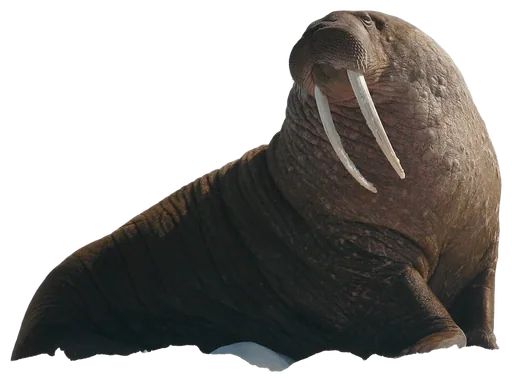
  W vs WalrusWins · 50% · Toss-up
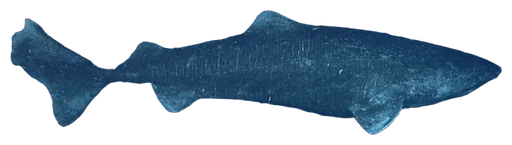
  W vs Greenland SharkWins · 51% · Toss-up
  W
W  Pick any opponent
 Bearded Vulture battle analysis
The bearded vulture is described as the only animal whose diet is based mainly on bone. Where other scavengers leave off, it arrives, swallowing ribs, vertebrae and leg bones whole. Anything too big it carries into the air and drops onto rocks, often at favorite smashing sites, until the bone shatters. Its stomach acid, below pH 1, dissolves bone within about a day, turning an almost useless food into a steady supply of fat-rich marrow and minerals.
It is also one of the most striking birds in the mountains. Adults have long, narrow wings spanning about 2.7 m, a diamond-shaped tail, a black "beard" under the bill and rusty orange underparts. That orange is not natural color: the birds bathe in iron-rich mud and springs to stain their white feathers, a rare cosmetic habit that researchers still debate.
As a fighter, the bearded vulture has little to offer. Its talons are weak, its beak is built for bones, and it avoids conflict. Its combat value lies in agile, low-cost soaring, excellent eyesight, and a clever drop technique that can kill small prey such as tortoises. Persecution once wiped it from most of Europe; today reintroduction and GPS tracking are bringing it back to the Alps and other ranges.
Habitat & range
Lives in high mountains and gorges: the Pyrenees, Alps (through reintroduction), Corsica, Crete, the Atlas, Ethiopian Highlands and eastern and southern Africa's mountains, the Caucasus, Middle East, and across Central Asia to the Himalayas and Tibetan Plateau. It needs cliffs for nesting and open slopes with wild or domestic grazing animals.
Diet & hunting
A bone specialist: about 70–90% of its diet is bone, supplemented by meat, skin and occasional live prey such as tortoises and small mammals. It feeds after other scavengers have stripped a carcass, filling a niche no other bird uses. Bones too large to swallow are dropped from height onto rocky ossuaries to break them.
Social life
Lives in territorial pairs, sometimes with a helper, that defend large mountain territories. Non-breeding young birds wander widely over thousands of square kilometres.
Conservation
Listed as Near Threatened on the IUCN Red List since 2014, with a decreasing global population estimated at roughly 1,675–6,700 birds. It was wiped out from most of Europe by persecution in the 19th and 20th centuries, surviving mainly in the Pyrenees, and has returned to the Alps and other ranges through reintroduction. Threats include poisoning (including veterinary drugs), power-line collisions, disturbance and falling food supply.
Quick answers
How strong is a Bearded Vulture?
On the Animal Battle Stats scale, the Bearded Vulture has an attack rating of 29 and a power index of 48.5 out of 100, which ranks it #166 of 273 animals and puts it in C tier (Capable). Its strongest stat is stamina (80).
How much does a Bearded Vulture weigh?
A typical adult Bearded Vulture weighs about 6.2 kg (14 lb). Rated specimen: healthy adult female, 6.2 kg, 110.0 cm total length, wingspan about 2.7 m.
How fast is a Bearded Vulture?
There is no reliable measured top speed for the Bearded Vulture, so we do not publish one. Its agility rating, which covers acceleration, reflexes and evasion, is 74 out of 100.
What does a Bearded Vulture eat?
A bone specialist: about 70–90% of its diet is bone, supplemented by meat, skin and occasional live prey such as tortoises and small mammals. It feeds after other scavengers have stripped a carcass, filling a niche no other bird uses. Bones too large to swallow are dropped from height onto rocky ossuaries to break them.
Is the Bearded Vulture endangered?
The Bearded Vulture's conservation status is Near Threatened. Listed as Near Threatened on the IUCN Red List since 2014, with a decreasing global population estimated at roughly 1,675–6,700 birds. It was wiped out from most of Europe by persecution in the 19th and 20th centuries, surviving mainly in the Pyrenees, and has returned to the Alps and other ranges through reintroduction. Threats include poisoning (including veterinary drugs), power-line collisions
What animals can beat a Bearded Vulture?
Among its closest rivals, the Raven (51%), the Great Horned Owl (51%), the Bald Eagle (52%), the Condor (52%) would be favored against the Bearded Vulture. It would be favored against the Pelican, the Puffin, the Walrus, the Greenland Shark.
Researched 2026-09-28. Ratings are editorial judgments built from these sources; measurements describe a healthy adult female.
- Animal Diversity Web, Gypaetus barbatusmass, length, wingspan, dimorphism
- Wikipedia, Bearded vulturesubspecies mass, live prey, bone diet
- The importance of the nutritive value of old bones in the diet of bearded vultures (PMC)bone diet
- Bone digestion and intestinal morphology of the bearded vulture, Journal of Raptor Researchdigestion
- The characterization of bearded vulture coprolites in the archaeological record (PMC)bone swallowing
- A-Z Animals, How a bearded vulture's stomach acid dissolves entire bonesstomach pH
- Negro et al., The function of the cosmetic coloration of bearded vultures, Animal Behaviourcosmetic staining
- Cosmetic colouring by bearded vultures: still no evidence for an antibacterial function (PMC)cosmetic function debate
- New insights into the cosmetic behaviour of bearded vultures: ferruginous springs are shared sequentially (PMC)cosmetic behavior
- Vulture Conservation Foundation, Bearded Vultureconservation, reintroduction
- Vulture Conservation Foundation, cosmetic behaviour blogcosmetic behavior
- The Vulture Network, Bearded Vulture Near Threatened statusIUCN status, threats, population
- Spatial and temporal movements in Pyrenean bearded vultures, Scientific Reportshome range
- Drivers of daily movement patterns affecting an endangered vulture flight activity, BMC Ecologydaily movement
- Home range and habitat use of a bearded vulture along the western border of its Pyrenean rangehome range
- AnAge, Bearded vulture longevitylongevity
- Horstmann Trust, Bearded Vulturelifespan, general
Photo: “Quebrantahuesos (Gypaetus barbatus) Bearded Vulture.jpg” by Juan Carlos Noreña, CC BY-SA 4.0, background removed and cropped. Original
Suggest a correction