

Bearded Dragon
Pogona vitticeps
 #327 of 344
  Desert Defender Least Concern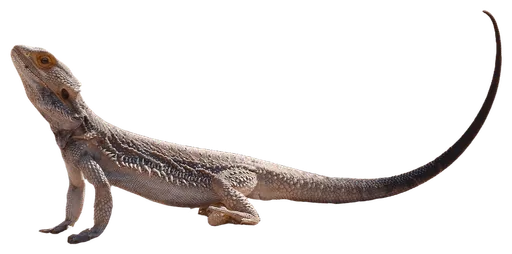
 Fight
FightPhoto: Donald Hobern from Copenhagen, Denmark · CC BY 2.0
The bearded dragon is a sturdy, spiny lizard from the dry woodlands and deserts of inland Australia. A 0.4 kg adult male bites harder than a female and puts on a dramatic threat display, inflating a dark spiny beard and gaping, but its spines are soft and its bite is only dangerous to insects and small animals. It stands out for its brain, not its brawn: it was the first reptile shown to learn by imitation.
 Attack11
  Defense12
  Agility55
  Stamina40
  Intelligence54
  Special55
 Detailed ratings
Research-backed ratings on one 0–100 scale for all 344 animals (updated 2026-09-28). How ratings work
Special abilities
Ability 1Beard Threat DisplayWhen threatened it flattens and widens its body, inflates and darkens its spiny throat pouch, gapes to show the yellow mouth lining, hisses and hops toward the attacker. The display can stop a small predator without contact.
 Ability 2Solar Colour Shift
The skin darkens in sunlight and lightens in darkness on an internal daily rhythm, and it changes colour with mood and during displays. Darker skin absorbs heat faster, helping it warm up for action.
Unique traits
 TraitCopycat Lizard
In a 2015 experiment, dragons that watched another dragon open a trap door opened it the same way, the first evidence of learning by imitation in a reptile.
TraitHeat-Switched SexEggs incubated above about 32 °C turn genetic males into fertile females, and a 2015 study made the first report of reptile sex reversal in the wild in this species.
How it fights
Weapons
- The weapon is a bite from a broad, triangular head, stronger in adult males. The bearded dragon is an opportunistic omnivore: stomach flushing of 14 wild adults found that 61% of dry-matter intake was animal food, dominated by termite alates, with plants making up much of the rest. It will also take small lizards and rodents when it can. Against anything beyond insect and small-vertebrate size, its offense is minimal.
 Struggles vs
- Very small absolute mass and a weak bite on the roster scale.
- Soft spines and no armor.
- Performance falls when cold.
- Preyed on by birds of prey, snakes, foxes and feral cats.
- Weight
- 400 g14.1 oz
- Height
- No reliable measurement
- Length
- 50 cm19.7 in
- Top speed
- No reliable measurement
- Bite force
- No reliable measurement
- Lifespan
- 10 years
- Home biome
- Desert
- Lifestyle
- Mostly solitary
Rated specimen: Healthy mature adult male, 0.40 kg, about 50.0 cm total length with a snout-vent length near 25 cm, representing a well-grown wild adult.
Fun facts
- Bearded dragons were the first reptiles shown to learn by imitation.
- Termite alates made up 95% of the prey items found in wild dragons' stomachs.
- Heat can turn a genetically male embryo into a fertile female, and such females lay more eggs than normal females.
- A dragon waves one arm in a slow circle to tell a dominant dragon it gives up.
- Its skin gets darker in sunlight and lighter at night on a built-in daily rhythm.
- It is the most popular pet reptile in the world by online search interest.
Closest rivals by power. Tap one for the full breakdown, or pick any opponent.
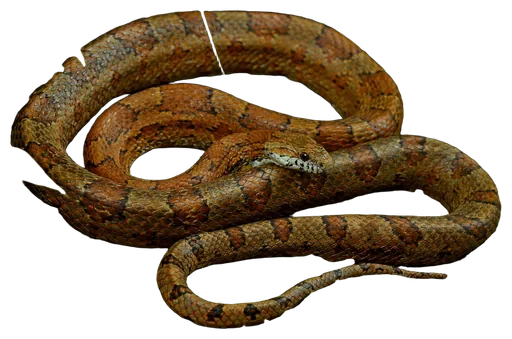
vs Red-eared SliderLoses · 53% · Toss-up 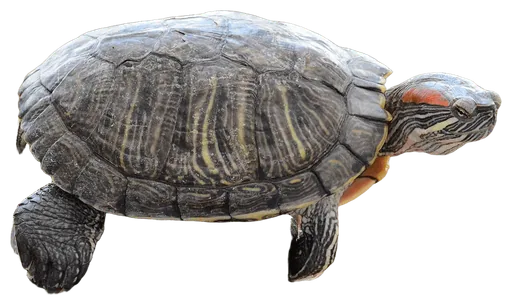 L vs Corn SnakeLoses · 53% · Toss-up
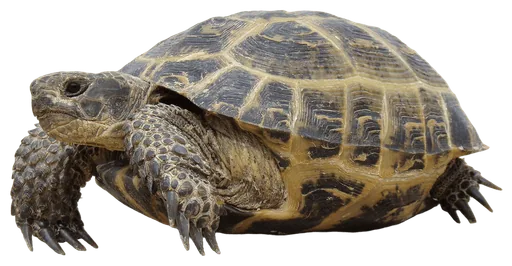
  L vs Russian TortoiseWins · 53% · Toss-up
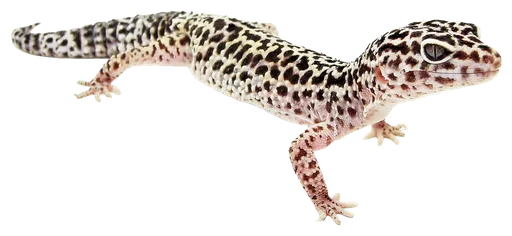
  W vs Leopard GeckoWins · 53% · Toss-up
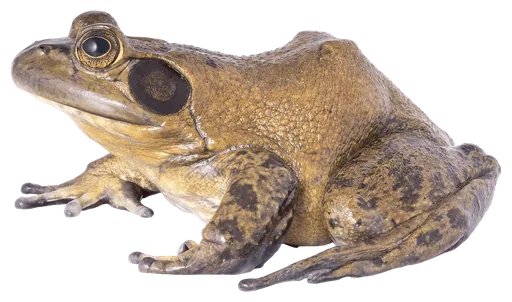
  W vs BullfrogLoses · 51% · Toss-up
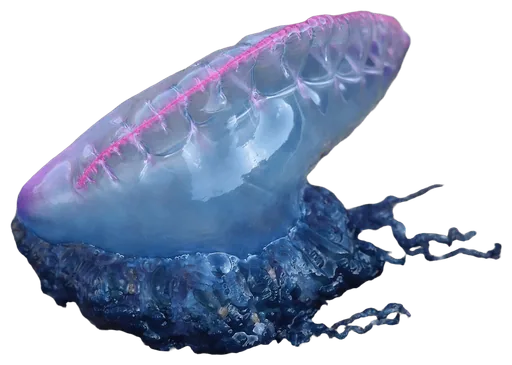
  L vs Portuguese Man o' WarWins · 51% · Toss-up
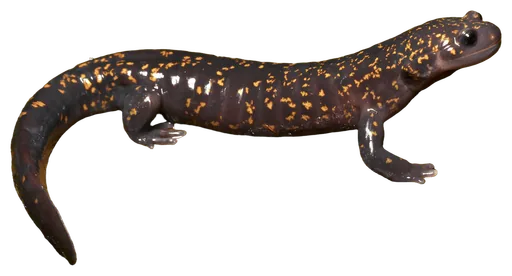
  W vs SalamanderWins · 51% · Toss-up
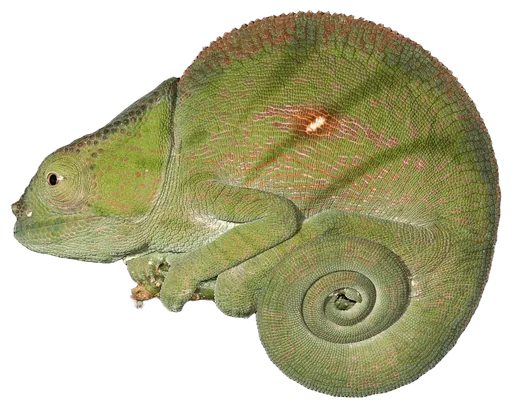
  W vs ChameleonLoses · 54% · Toss-up
  L
L  Pick any opponent
 Bearded Dragon battle analysis
On a fence post in inland Australia, a male bearded dragon sits high in the morning sun, darkening its back to warm up faster. When a rival approaches, it bobs its head rapidly and swells its throat into a black, spiny beard. A lower-ranking dragon answers by slowly waving an arm in a circle, and the standoff ends without a bite. Most of bearded dragon life is decided this way, by signals rather than fights.
The dragon's weapons are modest. Males have broader heads and bite harder than females, and the diet ranges from termites and beetles to flowers and the odd small lizard or rodent. When a predator appears, the dragon flattens itself, inflates its beard, opens its yellow-lined mouth, hisses and hops forward. That bluff can work on a small predator, but the spines are soft and the whole animal weighs about 400 g, so birds of prey, snakes, foxes and cats all take them.
What sets the bearded dragon apart on the roster is its mind. In a trap-door experiment, dragons that watched another dragon open a door copied the same movement, the first clear case of imitation in a reptile, and it outperformed tortoises in a test of self-control. In ABS terms it is a low-Attack, low-Defense lizard with solid Agility, a notably high Intelligence for a reptile, and a moderate Special built on its threat display and colour change.
Habitat & range
The central bearded dragon lives in semi-arid and arid woodland, scrub, grassland and rocky desert across inland eastern Australia, from eastern South Australia and the southeastern Northern Territory through inland Queensland, New South Wales and Victoria. It tolerates cleared farmland and perches on fence posts and even picnic tables. It retreats to shade or burrows in the hottest part of the day.
Diet & hunting
It is an opportunistic omnivore. In a stomach-content study of 14 free-roaming adults, animal food made up 61% of dry matter, termite alates made up 95% of all prey items, and plants made up 16% of dry matter. Wikipedia's summary of the same work states plant matter was 54% of the diet by volume, so the plant share depends on how it is measured. Adults also eat beetles, grasshoppers, caterpillars, flowers and the occasional small lizard or rodent.
Social life
Mostly solitary, but dragons gather at prime basking and feeding spots, where a clear hierarchy appears. Communication is visual: head bobs of different speeds signal dominance, submission and courtship, and arm waving signals submission.
Conservation
The species is listed as Least Concern on the IUCN Red List (2018 assessment). It is common and widespread in its range and tolerates considerable habitat change. Australia has banned the export of native wildlife since the 1960s; most of the world's captive dragons come from stock exported illegally between 1974 and 1990, and a captive-bred pet population was established by the early 1990s.
Quick answers
How strong is a Bearded Dragon?
On the Animal Battle Stats scale, the Bearded Dragon has an attack rating of 11 and a power index of 29.8 out of 100, which ranks it #327 of 344 animals and puts it in F tier (Snack). Its strongest stat is agility (55).
How much does a Bearded Dragon weigh?
A typical adult Bearded Dragon weighs about 400 g (14.1 oz). Rated specimen: healthy mature adult male, 0.40 kg, about 50.0 cm total length with a snout-vent length near 25 cm, representing a well-grown wild adult.
How fast is a Bearded Dragon?
There is no reliable measured top speed for the Bearded Dragon, so we do not publish one. Its agility rating, which covers acceleration, reflexes and evasion, is 55 out of 100.
What does a Bearded Dragon eat?
It is an opportunistic omnivore. In a stomach-content study of 14 free-roaming adults, animal food made up 61% of dry matter, termite alates made up 95% of all prey items, and plants made up 16% of dry matter. Wikipedia's summary of the same work states plant matter was 54% of the diet by volume, so the plant share depends on how it is measured. Adults also eat beetles, grasshoppers, caterpillars, flowers and the occasional small lizard or rodent.
Is the Bearded Dragon endangered?
No. The Bearded Dragon is listed as Least Concern. The species is listed as Least Concern on the IUCN Red List (2018 assessment). It is common and widespread in its range and tolerates considerable habitat change. Australia has banned the export of native wildlife since the 1960s; most of the world's captive dragons come from stock exported illegally between 1974 and 1990, and a captive-bred pet population was established by the early 1990s.
What animals can beat a Bearded Dragon?
Among its closest rivals, the Red-eared Slider (53%), the Corn Snake (53%), the Bullfrog (51%), the Chameleon (54%) would be favored against the Bearded Dragon. It would be favored against the Russian Tortoise, the Leopard Gecko, the Portuguese Man o' War, the Salamander.
Researched 2026-09-28. Ratings are editorial judgments built from these sources; measurements describe a healthy adult male.
- Tasmania DPIPWE, Pest Risk Assessment: Central bearded dragon (2011)mass, length, lifespan, predators, range
- Animal Diversity Web, Pogona vitticepslength, habitat, displays, reproduction
- Wikipedia, Central bearded dragondimorphism, displays, hierarchy, parietal eye, sex reversal, pet history, IUCN
- AnAge, Pogona vitticepsmass, longevity
- Jones et al., Journal of Experimental Zoology A (2020)bite force, dimorphism
- Kis, Huber and Wilkinson, Animal Cognition (2015)cognition
- Oonincx et al., Zoo Biology (2015)wild diet
- Holleley et al., Nature (2015)sex reversal
- Fan, Stuart-Fox and Cadena, PLOS ONE (2014)colour change
- Inhibitory control in lizards and tortoises, Scientific Reports (2025)cognition calibration
- Valdez, Animals (2021)pet popularity
Photo: “Pogona vitticeps (32494027291).jpg” by Donald Hobern from Copenhagen, Denmark, CC BY 2.0, background removed and cropped. Original
Suggest a correction