

Ball Python
Python regius
 #307 of 344
  Savanna Constrictor Near Threatened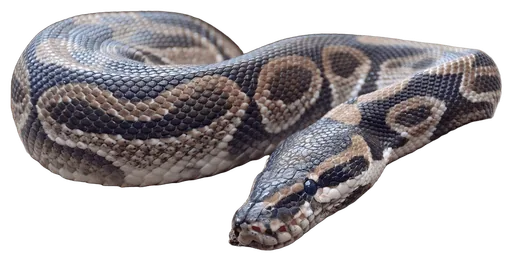
 Fight
FightPhoto: Clément Bardot · CC BY-SA 4.0
The ball python is a small, stocky constrictor from the savannas and farmland of West and Central Africa. A 1.3 kg adult female hunts rats and other small animals at night, finding them with heat-sensing pits and killing them by constriction. When threatened it would rather roll into a ball with its head hidden than bite, which makes it a gentle pet and a weak fighter.
 Attack25
  Defense20
  Agility42
  Stamina44
  Intelligence38
  Special64
 Detailed ratings
Research-backed ratings on one 0–100 scale for all 344 animals (updated 2026-09-28). How ratings work
Special abilities
Ability 1Heat-Pit StrikePits along the lips sense the body heat of prey, guiding a fast strike in darkness that is followed by constriction. Against warm-blooded prey at night it can find and hit targets it cannot see.
 Ability 2Ball Guard
When threatened it coils into a tight ball with the head hidden in the centre, protecting its most vulnerable part instead of biting back.
Unique traits
 TraitBurrow Lodger
It spends much of its time in mammal burrows and other underground refuges, where it also waits out the dry season.
TraitVirgin BirthA wild-caught pet female with no contact with a male laid eggs containing embryos that genetic tests showed came from her alone, demonstrating parthenogenesis in the species.
How it fights
Weapons
- The ball python is an ambush constrictor. It strikes, holds with its recurved teeth and wraps coils around the prey. Its prey is small: rats, mice, shrews, bats, squirrels, bushbabies and birds such as young grey parrots. Juveniles strike as fast as much larger snakes relative to their size, but a three-year study found strike performance fell steeply during the first 18 months of life. At 1.3 kg its constriction is only a threat to small animals.
 Struggles vs
- Small absolute size for a python.
- Slow on the ground.
- Rarely counterattacks; the ball defense can be pried open by large predators.
- No armor.
- Weight
- 1.3 kg3 lb
- Height
- No reliable measurement
- Length
- 1.25 m4.1 ft
- Top speed
- No reliable measurement
- Bite force
- No reliable measurement
- Lifespan
- 20 years
- Home biome
- Savanna
- Lifestyle
- Mostly solitary, nocturnal
Rated specimen: Healthy mature adult female, 1.3 kg and 125.0 cm total length, representing a well-grown wild female rather than a record or captive-fattened animal.
Fun facts
- It gets its name from rolling into a ball with its head tucked in the middle when scared.
- A ball python at the Saint Louis Zoo lived to 62, the oldest known snake in captivity.
- Breeders have produced more than 7,500 different morphs.
- Its lip pits can sense the body heat of prey in darkness.
- A pet female produced embryos without ever meeting a male.
- In Togo, hunters collected 3,000 live ball pythons and 5,000 eggs in a single year.
Closest rivals by power. Tap one for the full breakdown, or pick any opponent.
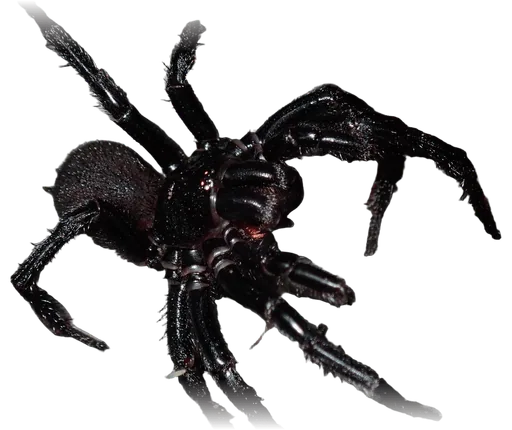
vs Deathstalker ScorpionWins · 50% · Toss-up 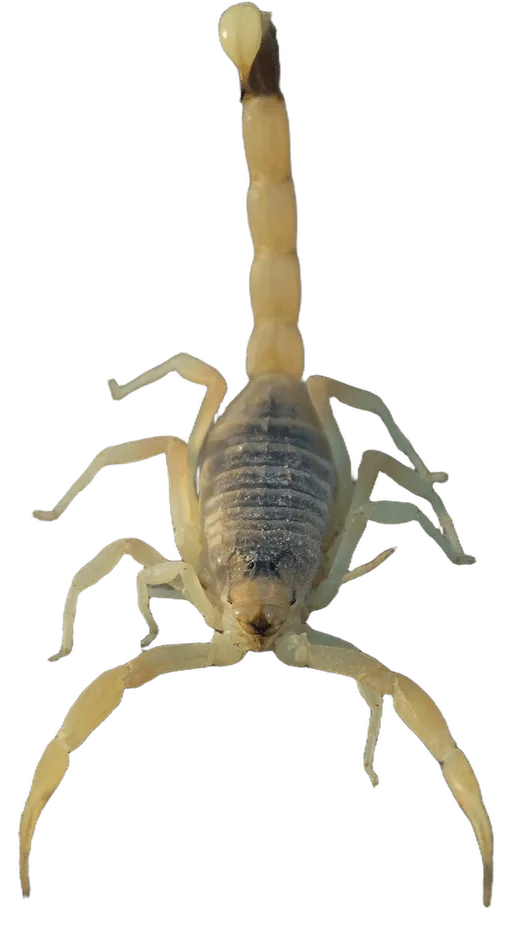 W vs Sydney Funnel-web SpiderWins · 50% · Toss-up
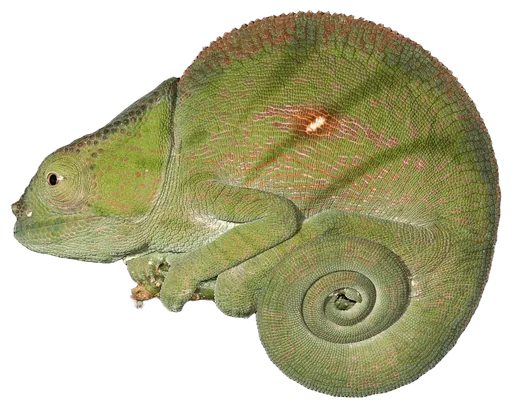
  W vs ChameleonWins · 53% · Toss-up
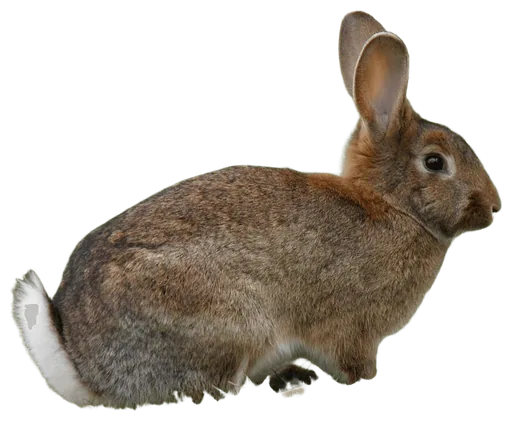
  W vs RabbitWins · 51% · Toss-up
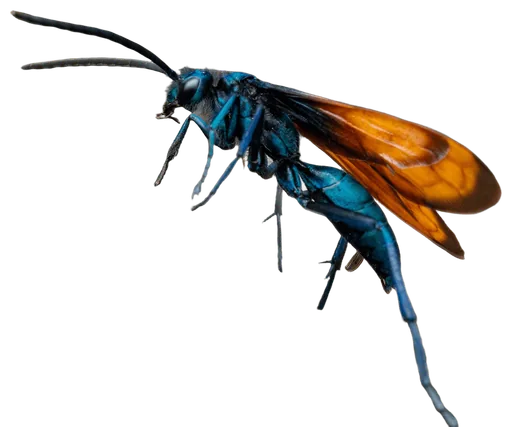
  W vs Tarantula HawkLoses · 51% · Toss-up
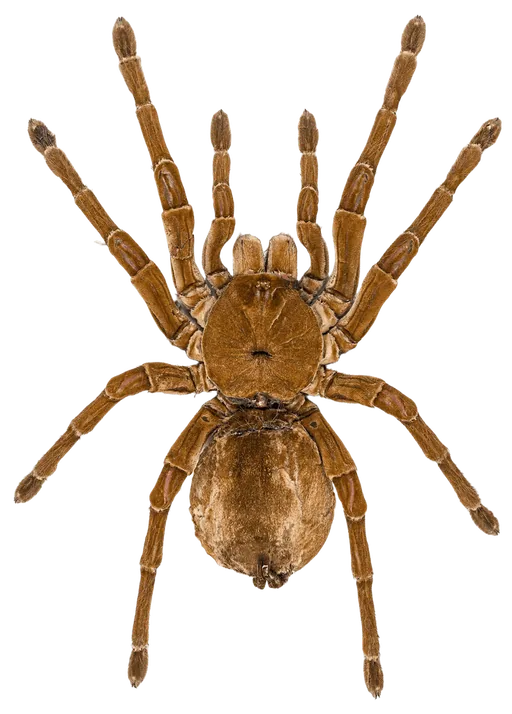
  L vs Goliath BirdeaterWins · 51% · Toss-up
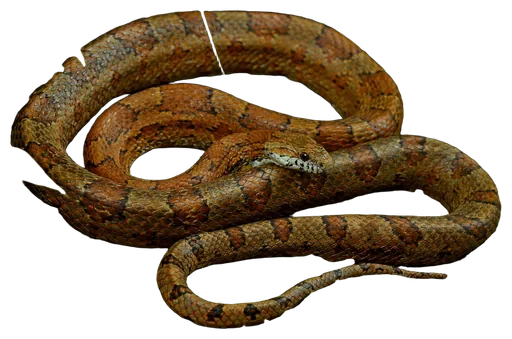
  W vs Corn SnakeWins · 54% · Toss-up
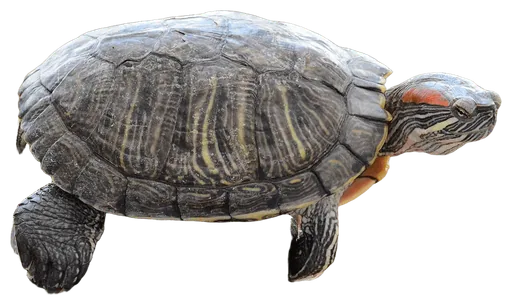
  W vs Red-eared SliderWins · 54% · Toss-up
  W
W  Pick any opponent
 Ball Python battle analysis
In the West African savanna, a ball python spends its day underground, often in a burrow dug by a rodent. At night it waits near a trail or burrow entrance. The pits along its lips pick up the heat of a passing rat, and the snake strikes, grips with rows of curved teeth and throws its coils around the prey. It is an efficient hunter of small mammals and birds, and not much more.
Its defense is what made it famous. When a predator or a person grabs it, the ball python usually does not bite. It rolls into a tight ball with its head buried in the middle, protecting its skull and neck. That makes it easy to handle, and it is now the most popular pet snake in the world, bred into thousands of colour morphs. The same pet trade weighs on the wild population: the species is Near Threatened, and hunters in Togo alone collected thousands of snakes and eggs in a single year.
In ABS terms the ball python is a small constrictor with modest Attack, low Defense and middling Agility and Stamina. Its heat pits and constriction give it a solid Special score, but at about 1.3 kg it is far below the roster's big pythons, and its reluctance to bite means it rarely presses a fight.
Habitat & range
The ball python lives in grassland, savanna, open woodland and farmland across West and Central Africa, from Senegal through Cameroon to Sudan and Uganda. It favours mammal burrows and other underground hiding places, and it tolerates land cleared for farming.
Diet & hunting
It eats mainly small mammals, including Gambian pouched rats, soft-furred and striped grass mice, bats, forest giant squirrels and Demidoff's bushbabies, plus birds such as young grey parrots. Young snakes under 70 cm feed mostly on small birds, and snakes over 100 cm mostly on mammals.
Social life
Solitary. It is nocturnal or crepuscular. Males are more often found climbing and females on the ground.
Conservation
The species is listed as Near Threatened on the IUCN Red List (2022) and is on CITES Appendix II. Wild populations are believed to be declining in most of West Africa, mainly because of collection for the international pet trade, along with hunting for skin, meat and traditional medicine and habitat loss. In southern Togo, 58 interviewed hunters collected 3,000 live ball pythons and 5,000 eggs in 2019 alone for sale to snake ranches.
Quick answers
How strong is a Ball Python?
On the Animal Battle Stats scale, the Ball Python has an attack rating of 25 and a power index of 33.9 out of 100, which ranks it #307 of 344 animals and puts it in D tier (Underdog). Its strongest stat is special (64).
How much does a Ball Python weigh?
A typical adult Ball Python weighs about 1.3 kg (3 lb). Rated specimen: healthy mature adult female, 1.3 kg and 125.0 cm total length, representing a well-grown wild female rather than a record or captive-fattened animal.
How fast is a Ball Python?
There is no reliable measured top speed for the Ball Python, so we do not publish one. Its agility rating, which covers acceleration, reflexes and evasion, is 42 out of 100.
What does a Ball Python eat?
It eats mainly small mammals, including Gambian pouched rats, soft-furred and striped grass mice, bats, forest giant squirrels and Demidoff's bushbabies, plus birds such as young grey parrots. Young snakes under 70 cm feed mostly on small birds, and snakes over 100 cm mostly on mammals.
Is the Ball Python endangered?
The Ball Python's conservation status is Near Threatened. The species is listed as Near Threatened on the IUCN Red List (2022) and is on CITES Appendix II. Wild populations are believed to be declining in most of West Africa, mainly because of collection for the international pet trade, along with hunting for skin, meat and traditional medicine and habitat loss. In southern Togo, 58 interviewed hunters collected 3,000 live ball pythons and 5,000 eggs in
What animals can beat a Ball Python?
Among its closest rivals, the Tarantula Hawk (51%) would be favored against the Ball Python. It would be favored against the Deathstalker Scorpion, the Sydney Funnel-web Spider, the Chameleon, the Rabbit, the Goliath Birdeater, the Corn Snake, the Red-eared Slider.
Researched 2026-09-28. Ratings are editorial judgments built from these sources; measurements describe a healthy adult female.
- Aubret et al., Journal of Herpetology (2005), abstractdimorphism, maturity size
- Wikipedia, Ball pythonsizes, weights, diet, behaviour, IUCN, trade, morphs, culture
- Animal Diversity Web, Python regiuslength, habitat, dimorphism
- AnAge, Python regiuslongevity
- Ryerson and Tan, Journal of Experimental Zoology A (2017)strike performance
- Ryerson, Zoology (2020)strike ontogeny
- Grace et al., Biosensors and Bioelectronics (1999)heat-sensing pits
- Di Ianni et al., Genes (2023)parthenogenesis
- Valdez, Animals (2021)pet popularity
Photo: “Python Royal.JPG” by Clément Bardot, CC BY-SA 4.0, background removed and cropped. Original
Suggest a correction