
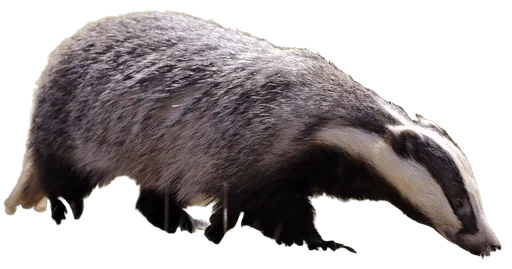
Badger
Meles melesC tier · Capable127th of 163 mammals
Size & speed

- Weight
- 13 kg29 lb
- Length
- 75 cm29.5 in
As heavy as 2.9 house cats
Heavier than 49% of animalsAbout 2.5 rulers long
Bigger than 35% of animalsThe European badger is a compact 13 kg digging specialist built for close-range resistance rather than speed. A mature male combines a heavy skull, strong jaws, prominent canines, powerful forequarters and long excavation claws with a low, difficult-to-topple body. It is an opportunistic omnivore rather than a dedicated big-prey hunter, so its combat strength should not be inflated by badger folklore. Its strongest advantages are toughness, ground-level stability, smell, persistent nightly movement and exceptional burrow engineering.
Detailed ratings
Research-backed ratings on one 0–100 scale for all 344 animals (updated 2026-09-27). How ratings work


Card No. 231 of 344. Every animal on Animal Battle Stats has one: its power, tier and archetype on the front; its six battle stats, abilities and signature move on the back.
Special abilities
Exceptional digging forelimbs and claws let the badger rapidly exploit soft ground and use burrows/earthworks as refuge, positional cover and escape infrastructure.
A massive skull, strong jaw musculature, prominent canines and robust jaw architecture produce a dangerous close-range gripping bite without inventing an unsupported PSI value.
Unique traits
Short robust limbs, a thick neck and compact body keep the center of gravity low and make the badger difficult for similar-sized opponents to topple or control.
Strong olfactory orientation, scent marking and learned feeding routes give the nocturnal badger reliable ground-level environmental awareness even when vision is limited.
How it fights
Weapons
- The primary weapon is the jaw. A broad, heavily muscled skull and prominent canines make close biting the badger's most consequential attack. Strong forelimbs and long digging claws provide secondary raking/grappling utility, while the compact body can drive forward forcefully at ground level.
Struggles vs
- Close-range weapons require entering the opponent's danger zone.
- No true armor despite a robust build.
- Much smaller absolute power than wolves, large cats, great apes or megafauna.
- Limited reach compared with long-legged, horned or long-clawed opponents.
- Omnivorous teeth are powerful but less cutting-specialized than hypercarnivore dentition.
- Weight
- 13 kg29 lb
- Height
- 27.5 cm10.8 in
- Length
- 75 cm29.5 in
- Top speed
- No reliable measurement
- Bite force
- No reliable measurement
- Lifespan
- 6.5 years
- Home biome
- Forest
- Lifestyle
- Social, nocturnal
Rated specimen: Healthy, fully mature adult male (boar), approximately 13.0 kg, outside an exceptional pre-winter obesity peak.
Fun facts
- A single main sett can persist across generations and develop multiple entrances, tunnels and sleeping chambers.
- Badgers can travel several kilometers in a night; one Białowieża study averaged about 7 km daily movement.
- Their social system is flexible: some populations form clans while others are much more solitary.
- They usually forage alone even when they share a communal sett.
- Females use delayed implantation, separating mating from the eventual timing of embryo implantation.
- Their familiar black-and-white face is paired with a surprisingly heavy, mechanically robust skull.
Closest rivals by power. Tap one for the full breakdown, or pick any opponent.
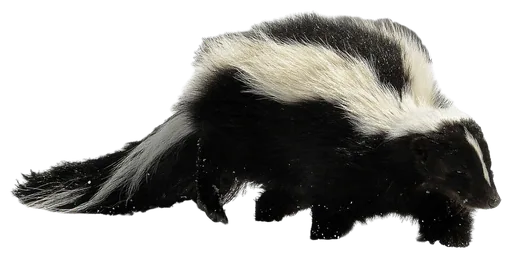
vs AnteaterLoses · 56% · Toss-up 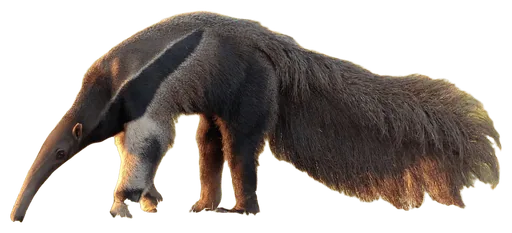 L vs SkunkWins · 57% · Toss-up
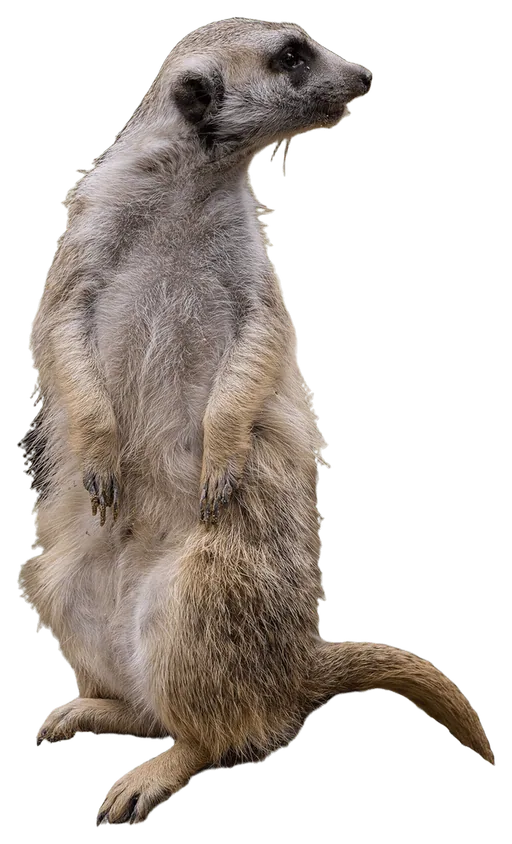
 W vs MeerkatWins · 65% · Slight edge
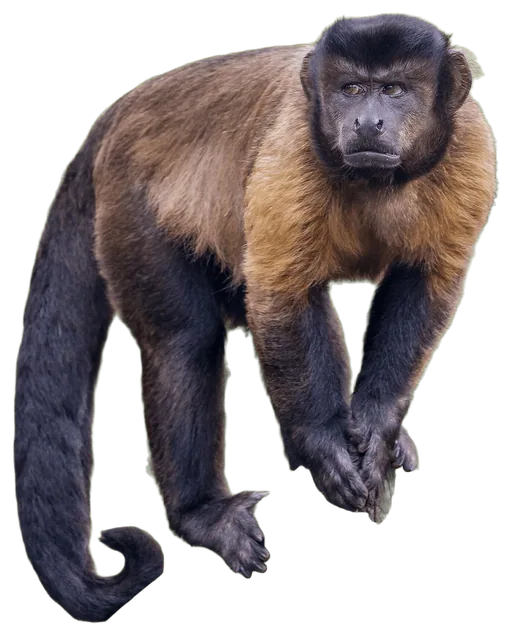
 W vs Capuchin MonkeyWins · 56% · Toss-up
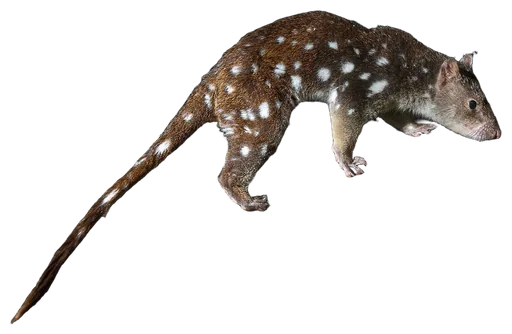
 W vs QuollWins · 57% · Toss-up
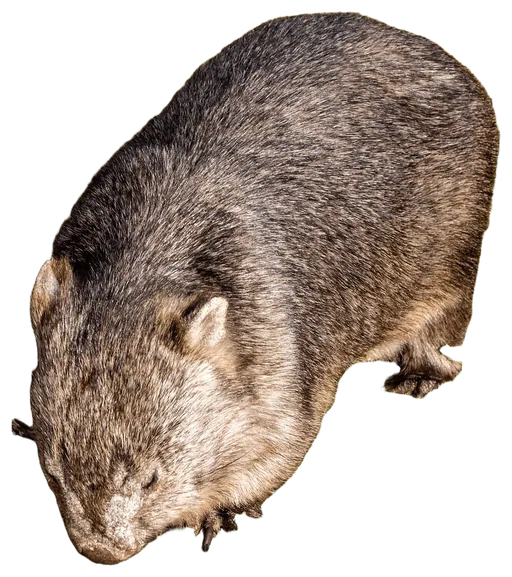
 W vs WombatLoses · 53% · Toss-up
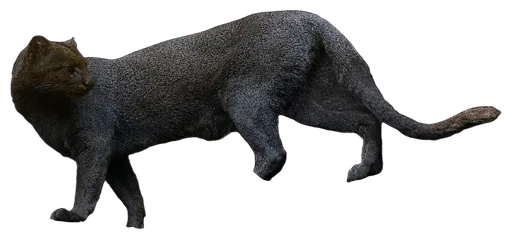
 L vs JaguarundiWins · 52% · Toss-up
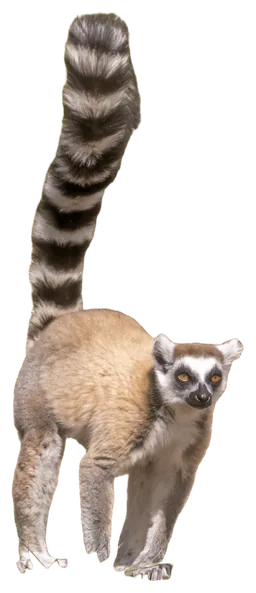
 W vs Ring-tailed LemurWins · 61% · Slight edge
 W
Badger battle analysis
The European badger is a useful example of why Animal Battle Stats must separate proportional impressiveness from absolute combat capability. For a 13 kg mammal it is exceptionally solid: short limbs brace a broad body, the neck is thick, the skull is heavy, the sagittal crest supports powerful jaw musculature, and the forelimbs are engineered to move earth. At grappling distance that package is dangerous. A comparable fragile animal cannot casually absorb a badger bite or control its low center of gravity.
But the badger is not a miniature wolverine with exaggerated durability. It lacks armor, has limited reach, is not a pursuit specialist and normally makes its living on earthworms, invertebrates, fruit and other opportunistic foods rather than killing large vertebrate prey. Wolves, lynxes and bears can prey on badgers where ranges overlap. That reality places its absolute Attack and Defense in the lower-middle of a roster containing large carnivores and megafauna.
Its most distinctive biology lies in fossorial ecology. Badgers excavate elaborate setts, maintain familiar travel networks, use scent-marked territories and can cover several kilometers during nocturnal foraging. The result is an animal whose matchup improves in complex ground terrain where digging, stability and olfaction matter, while open high-speed pursuit and fights against much larger predators expose its limitations.
Habitat & range
European badgers occupy woodland, hedgerows, farmland, grassland, scrub, heath and increasingly some urban/suburban landscapes. Suitable soil for sett excavation and nearby foraging habitat are major requirements.
Meles meles is widespread across much of Europe and parts of western Eurasia. Modern taxonomy separates several badger populations formerly lumped into a broader Meles meles concept, so future range mapping should use current species boundaries rather than legacy genus-wide distributions.
Diet & hunting
Highly opportunistic omnivore. Earthworms dominate in many European populations, but diet also includes beetles and other insects, wasp nests, fruit, grains, tubers, carrion, amphibians, reptiles, mollusks and small mammals. This breadth is an ecological strength, not evidence of specialized predatory attack power.
Social life
Social organization is unusually flexible. In resource-rich, high-density regions they can live in clans occupying communal setts; in lower-density areas they can be substantially more solitary. Even social badgers generally forage alone. Territory boundaries are maintained with scent marking and latrines.
Conservation
The IUCN assessment cited for Meles meles classifies the species as Least Concern. It remains widespread, although legal protection, management and conflict differ by country. In Britain, badgers receive specific legal protection while also being central to long-running bovine tuberculosis management controversies.
Quick answers
How strong is a Badger?
On the Animal Battle Stats scale, the Badger has an attack rating of 38 and a power index of 45.1 out of 100, which ranks it #231 of 344 animals and puts it in C tier (Capable). Its strongest stat is stamina (59).
How much does a Badger weigh?
A typical adult Badger weighs about 13 kg (29 lb). Rated specimen: Healthy, fully mature adult male (boar), approximately 13.0 kg, outside an exceptional pre-winter obesity peak.
How fast is a Badger?
There is no reliable measured top speed for the Badger, so we do not publish one. Its agility rating, which covers acceleration, reflexes and evasion, is 52 out of 100.
What does a Badger eat?
Highly opportunistic omnivore. Earthworms dominate in many European populations, but diet also includes beetles and other insects, wasp nests, fruit, grains, tubers, carrion, amphibians, reptiles, mollusks and small mammals. This breadth is an ecological strength, not evidence of specialized predatory attack power.
Is the Badger endangered?
No. The Badger is listed as Least Concern. The IUCN assessment cited for Meles meles classifies the species as Least Concern. It remains widespread, although legal protection, management and conflict differ by country. In Britain, badgers receive specific legal protection while also being central to long-running bovine tuberculosis management controversies.
What animals can beat a Badger?
Among its closest rivals, the Anteater (56%), the Wombat (53%) would be favored against the Badger. It would be favored against the Skunk, the Meerkat, the Capuchin Monkey, the Quoll, the Jaguarundi, the Ring-tailed Lemur.
Researched 2026-09-27. Ratings are editorial judgments built from these sources; measurements describe a healthy adult male.
- Animal Diversity Web, Meles melesTaxon, sex-specific mass, length, skull/dentition, diet, sociality, predators, conservation
- Kent Mammal Group, BadgerIndependent British morphology and sex-specific size
- MammalWeb, BadgerHeight, general mass/length, claws, senses/ecology, lifespan context
- Wildlife Trusts, European badgerBritish size, lifespan, habitat, diet
- Kowalczyk et al. 2006, Wildlife BiologyDaily movement, field travel speed, territory use
- McClune et al. 2014, Animal BiotelemetryLocomotor behavior methodology
- Yamaguchi, Dugdale & Macdonald 2006, Quarterly Review of BiologyReproduction, embryonic diapause, mating strategy
- Canivenc & Bonnin 1979, NatureDelayed implantation
- Woodroffe 1995, Journal of ZoologyReproductive timing/body condition
- Thornton et al. 2023, Conservation Physiology (PMC)Claw biology caveat
- IUCN assessment citation: Kranz et al. 2016Conservation status
- Wikimedia Commons, Caroline Legg photographImage candidate/provenance
Photo: “Foraging Badger1 (cropped).jpg” by Charlie Marshall, CC BY 2.0, background removed and cropped. Original
Suggest a correction