
Bactrian Camel
Camelus bactrianusB tier · Strong41st of 163 mammals
Size & speed

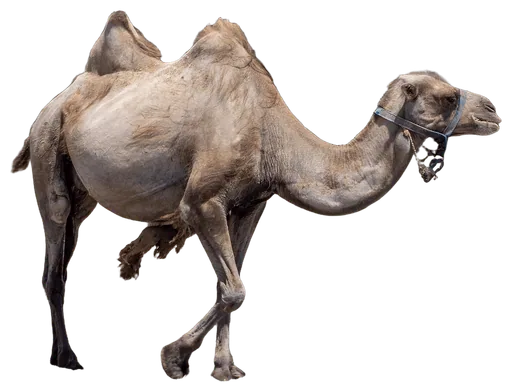
- Weight
- 580 kg1,279 lb
- Length
- 3 m9.8 ft
As heavy as 8.3 people
Heavier than 92% of animals1.7× a person's height
Bigger than 85% of animalsThe Bactrian camel is a massive two-humped cold-desert specialist built less for explosive killing than for surviving and working when other large mammals fail. A mature male brings roughly half a tonne of body mass, a dangerous bite, powerful limbs and serious rutting aggression, while its true superpower is endurance: fat reserves, extreme water conservation, thermal flexibility and high-altitude physiology let it keep functioning across punishing terrain and climate.
Detailed ratings
Research-backed ratings on one 0–100 scale for all 344 animals (updated 2026-09-27). How ratings work


Card No. 70 of 344. Every animal on Animal Battle Stats has one: its power, tier and archetype on the front; its six battle stats, abilities and signature move on the back.
Special abilities
Two large fat-storage humps and extreme water-conservation physiology let a healthy Bactrian camel sustain useful activity through prolonged food/water scarcity without pretending the humps contain water.
Seasonal insulation, controlled sweating and broad body-temperature tolerance reduce physiological cost across severe cold-desert temperature swings.
Unique traits
Bactrian camels can carry roughly 200-250 kg loads over rough high-altitude terrain, reflecting exceptional combined strength and endurance.
Oval, highly expandable erythrocytes and specialized renal/osmoregulatory physiology help tolerate severe dehydration and rapid rehydration.
How it fights
Weapons
- A mature male combines enormous mass with a long, mobile neck and dangerous dentition. Rutting males use intimidation first, but escalated contests include biting and physical fighting. At close range, a camel can use the mouth to seize and injure while leveraging its neck and body. Limbs provide secondary danger through kicks, stamps and sheer collision force. This is not a specialized predator's killing system, but the absolute mass behind contact makes it consequential.
Struggles vs
- No penetrating weapon comparable to horns, tusks or carnivore claws.
- Vulnerable soft tissue despite thick coat and large size.
- Relatively slow turning and repositioning against smaller agile attackers.
- Bite requires close engagement.
- Environmental endurance can be overvalued if incorrectly converted into immediate combat durability.
- Weight
- 580 kg1,279 lb
- Height
- 1.8 m5.9 ft
- Length
- 3 m9.8 ft
- Top speed
- No reliable measurement
- Bite force
- No reliable measurement
- Lifespan
- 17.8 years
- Home biome
- Desert
- Lifestyle
- Social
Rated specimen: Healthy fully mature adult male, approximately 580.0 kg, in good body condition.
Fun facts
- The two humps store fat, not water.
- FAO material describes each well-conditioned hump as holding roughly 25-35 kg of fat.
- Camels can tolerate body-water losses that would be fatal to most mammals.
- Their red blood cells are oval and unusually expandable during rehydration.
- Their natural gait is a pace, moving both legs on one side together.
- A Bactrian's winter coat is dramatically shed as warm weather arrives.
Closest rivals by power. Tap one for the full breakdown, or pick any opponent.
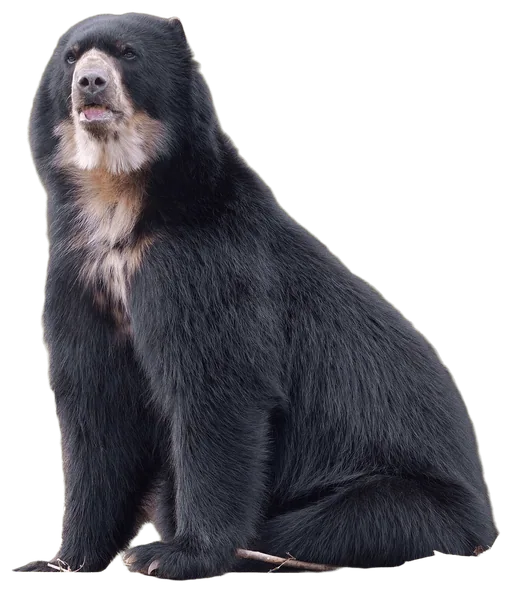
vs African LionWins · 57% · Toss-up 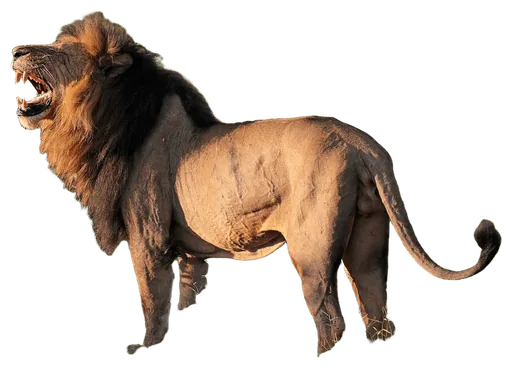 W vs Spectacled BearWins · 60% · Slight edge
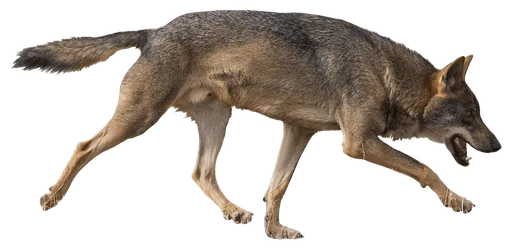
 W vs Gray WolfWins · 63% · Slight edge
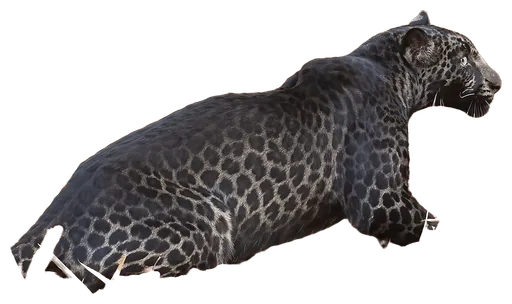
 W vs Black PantherWins · 63% · Slight edge
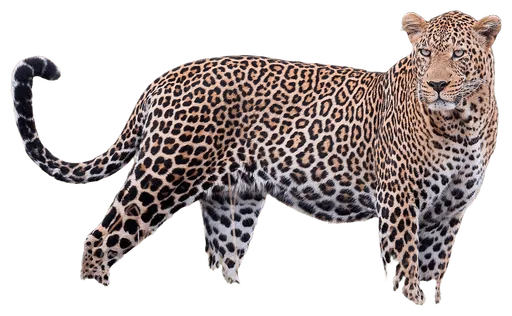
 W vs LeopardWins · 62% · Slight edge
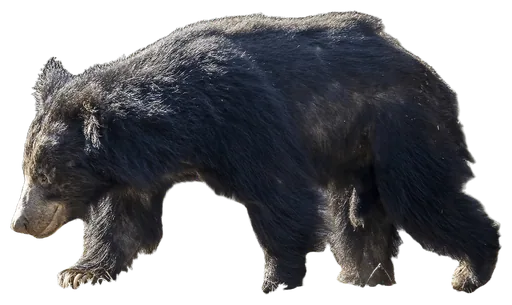
 W vs Sloth BearWins · 58% · Slight edge
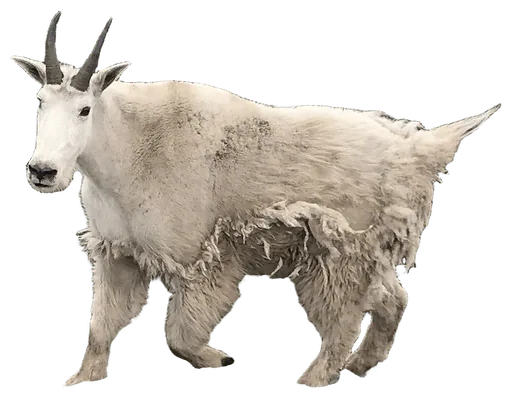
 W vs Mountain GoatWins · 59% · Slight edge
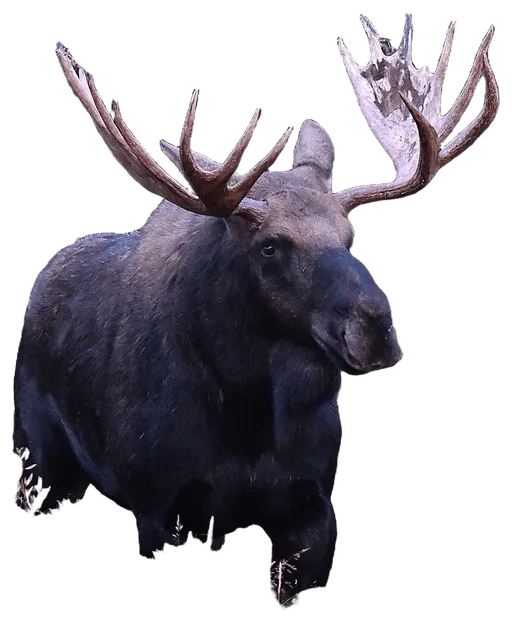
 W vs MooseDraw · 50-50 · Dead even
 D
Bactrian Camel battle analysis
A Bactrian camel looks awkward until the environment becomes hostile. Then its design makes sense. The broad feet spread hundreds of kilograms across loose ground, the winter coat insulates against severe cold, lashes and closable nostrils protect the face from blowing grit, and two humps localize large energy reserves. Internally, water-saving kidneys, unusual blood-cell geometry and flexible thermoregulation allow dehydration and rehydration stresses that would incapacitate many mammals.
In combat, however, those survival features must not be mistaken for armor. The camel remains a large soft-bodied ungulate. Its threat comes from scale and reach: a mature male can bite, shove, kick and trample, and rutting males are willing to fight rivals. Yet a horned bovid or tusked megaherbivore has more specialized offensive hardware, and a big cat has a more refined killing system. The Bactrian's ABS identity is therefore a powerful endurance bruiser rather than an apex damage dealer.
That distinction also makes its matchup profile unusual. A small opponent faces an enormous height and mass problem. A similarly sized opponent with dedicated horns or claws can exploit the camel's lack of armor. In a short neutral-arena fight its specializations are useful but not overwhelming. In cold, dry, high-altitude or prolonged conditions, its physiological advantages become increasingly important.
Habitat & range
Domestic Bactrian camels are associated with the cold deserts, steppes, rocky plains and high-altitude landscapes of Central and East Asia, including Mongolia, China and parts of Central/South Asia. Domestic populations should not be conflated with the geographically restricted wild camel Camelus ferus.
Diet & hunting
Primarily herbivorous browsers/grazers capable of using dry, thorny, salty and bitter vegetation that many livestock avoid. Domestic animals function as major pastoral resources rather than occupying a pristine wild trophic niche. They provide transport, milk, meat, fiber and other products.
Social life
Camel social groups can include an adult male with females and young, with bachelor males outside breeding groups. Dominant males defend reproductive access during rut. Domestication and husbandry can strongly alter natural grouping patterns.
Conservation
The domestic Camelus bactrianus is not the Critically Endangered wild camel. Conservation sources that label a two-humped camel as Critically Endangered are generally discussing Camelus ferus. This distinction is essential for the future site. The wild camel is a separate species and should not supply the domestic Bactrian's conservation status.
Quick answers
How strong is a Bactrian Camel?
On the Animal Battle Stats scale, the Bactrian Camel has an attack rating of 59 and a power index of 60.3 out of 100, which ranks it #70 of 344 animals and puts it in B tier (Strong). Its strongest stat is stamina (90).
How much does a Bactrian Camel weigh?
A typical adult Bactrian Camel weighs about 580 kg (1,279 lb). Rated specimen: Healthy fully mature adult male, approximately 580.0 kg, in good body condition.
How fast is a Bactrian Camel?
There is no reliable measured top speed for the Bactrian Camel, so we do not publish one. Its agility rating, which covers acceleration, reflexes and evasion, is 39 out of 100.
What does a Bactrian Camel eat?
Primarily herbivorous browsers/grazers capable of using dry, thorny, salty and bitter vegetation that many livestock avoid. Domestic animals function as major pastoral resources rather than occupying a pristine wild trophic niche. They provide transport, milk, meat, fiber and other products.
Is the Bactrian Camel endangered?
The Bactrian Camel's conservation status is Critically Endangered. The domestic Camelus bactrianus is not the Critically Endangered wild camel. Conservation sources that label a two-humped camel as Critically Endangered are generally discussing Camelus ferus. This distinction is essential for the future site. The wild camel is a separate species and should not supply the domestic Bactrian's conservation status.
What animals can beat a Bactrian Camel?
The Bactrian Camel is favored against its other closest rivals, including the African Lion, the Spectacled Bear, the Gray Wolf, the Black Panther, the Leopard, the Sloth Bear, the Mountain Goat. It is dead even with the Moose: a draw.
Researched 2026-09-27. Ratings are editorial judgments built from these sources; measurements describe a healthy adult male.
- Animal Diversity Web, Camelus bactrianus300-690 kg adult range; 2.25-3.45 m body length; 1.80-2.30 m shoulder height; male larger; social/rutting behavior
- San Diego Zoo, Camel450-500 kg, 3.2-3.5 m length, 1.6-1.8 m shoulder height, median life expectancy 17.8 y, reproduction
- IVIS, The Genus CamelusBreed-specific male/female mass and height: Mongolian, Sunite, Xinjiang
- Lamo et al. 2020, BMC Veterinary ResearchHigh-altitude morphometry, blood physiology, erythrocytes, endurance/load carriage 200-250 kg, hypoxia tolerance
- 2026 sexual-dimorphism studyAdult males had significantly higher body length/circumference; male work-performance context
- FAO, Biological Characteristics1-2% body-mass water loss/day under deprivation; exceptional 2-3 week survival context; >100 L rehydration; 34-40 C daily temperature fluctuation; hump dimensions/fat
- Wu et al. 2014, Nature CommunicationsGenomic/transcriptomic desert tolerance, water/fat metabolism, renal osmoregulation, >25% water-loss tolerance
- Journal of Morphology camelid dentition paperBactrian cranial caniniform teeth and accommodation of long caniniform teeth
- Zoo New England, Bactrian Camel10-20 mph institutional running range; group behavior; pack-animal context
- 2024 Kazakhstan biology study repositoryKazakh males up to 750 kg; sexual dimorphism; breed size variation
- Wikimedia Commons, Bernard GagnonImage identity, 3256×2128 original, quality assessment, creator, CC BY-SA 3.0
Photo: “Конырат, верблюд (3).jpg” by Nikolai Bulykin, CC BY-SA 4.0, background removed and cropped. Original
Suggest a correction