
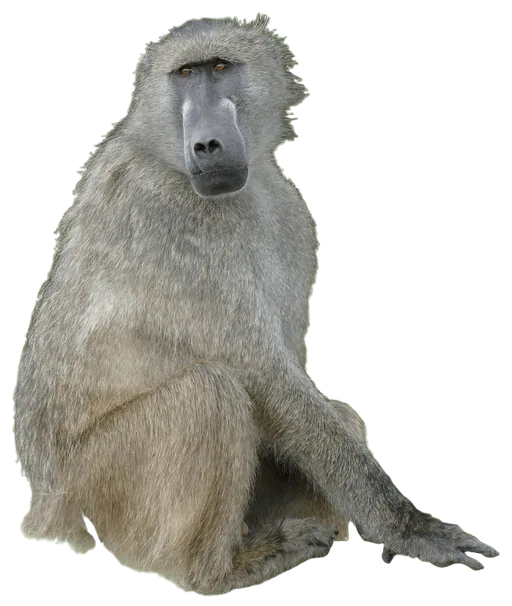
Baboon
Papio anubisC tier · Capable91st of 163 mammals
Size & speed

- Weight
- 24 kg53 lb
- Length
- 1.32 m4.3 ft
As heavy as 5.3 house cats
Heavier than 56% of animalsAbout 4.4 rulers long
Bigger than 58% of animalsThe olive baboon is a 24 kg, highly social African primate whose mature males combine enlarged honed canines, grasping hands, strong terrain versatility and sophisticated opponent assessment. It lacks armor and cannot match large specialist predators in absolute power, but its agility, social intelligence and dangerous close-range bite make it a formidable mid-sized combatant.
Detailed ratings
Research-backed ratings on one 0–100 scale for all 344 animals (updated 2026-09-27). How ratings work


Card No. 155 of 344. Every animal on Animal Battle Stats has one: its power, tier and archetype on the front; its six battle stats, abilities and signature move on the back.
Special abilities
A mature male combines grasping, close positional control and enlarged self-honing canines, making a successful clinch substantially more dangerous than a similarly sized animal's ordinary bite.
Strong climbing ability and grasping hands let the baboon rapidly exploit trees, rocks and uneven structures for evasion or repositioning when the environment permits it.
Unique traits
Olive baboons track dominance relationships and can form tactical social alliances, evidence of sophisticated opponent assessment. In solo ABS combat this informs Intelligence but does not grant imaginary allies.
Broad omnivory, low-quality-food tolerance and flexible terrestrial/arboreal behavior allow useful performance across unusually varied habitats.
How it fights
Weapons
- The primary weapon is the mouth, especially the long male canines. The skull has robust ridges and the dentition includes a honing complex that maintains the upper canine edge. A committed bite can puncture and tear soft tissue. Unlike a canid, however, a baboon also has grasping hands and can combine biting with close-range pulling, shoving and positional control.
Beats
- Smaller unarmored vertebrates
- Similar-sized animals with weak close-range weaponry
- Opponents vulnerable to canine puncture and grappling disruption
- Less maneuverable opponents in terrain where climbing/repositioning matters
Struggles vs
- Similar-sized specialist carnivores with stronger killing bites/claws
- Armored animals that deny canine penetration
- Large horned/hoofed herbivores
- Big cats, large canids, crocodilians and megafauna
- Venomous or otherwise contact-punishing specialists where grappling creates extra risk
- Weight
- 24 kg53 lb
- Height
- 70 cm27.6 in
- Length
- 1.32 m4.3 ft
- Top speed
- No reliable measurement
- Bite force
- No reliable measurement
- Lifespan
- 25.2 years
- Home biome
- Savanna
- Lifestyle
- Social
Rated specimen: Healthy, fully mature, naturally foraging adult male, approximately 24.0 kg.
Fun facts
- Adult males are roughly twice the mass of females, one of the most combat-relevant examples of sexual dimorphism in the current early roster.
- The lower first premolar acts as a honing surface for the enlarged upper canine.
- Troops can average dozens of individuals, yet males may still form smaller tactical coalitions within the larger social network.
- Olive baboons can mob leopards, and adult males are reported leading these attacks.
- Naturally foraging and crop-raiding populations can differ noticeably in adult body mass because access to calorie-rich human foods changes growth.
- Their hands change contact posture as locomotor speed rises, distributing increasing forces across more of the palm.
Closest rivals by power. Tap one for the full breakdown, or pick any opponent.
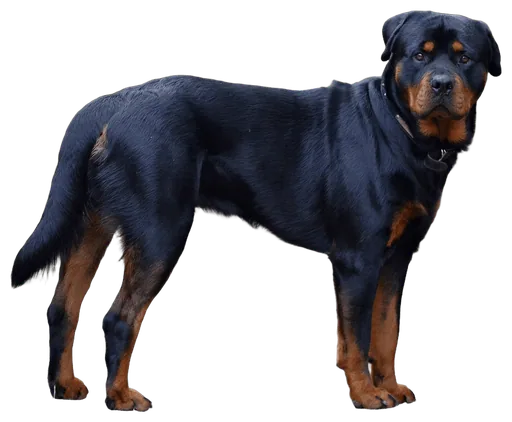
vs CoyoteWins · 53% · Toss-up 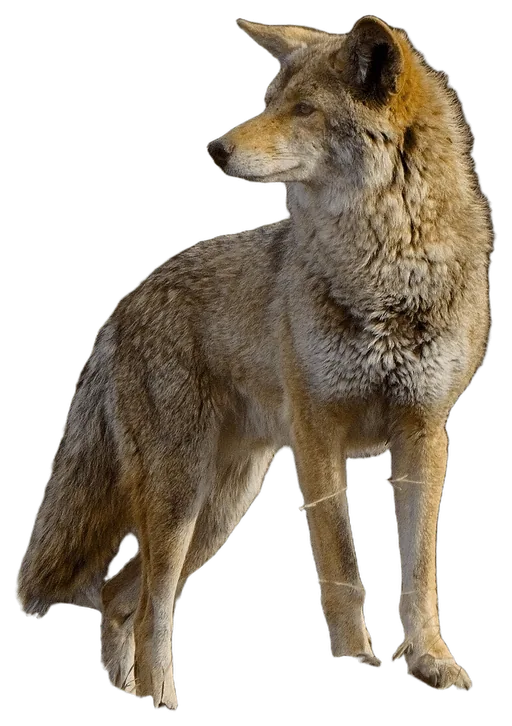 W vs RottweilerLoses · 54% · Toss-up
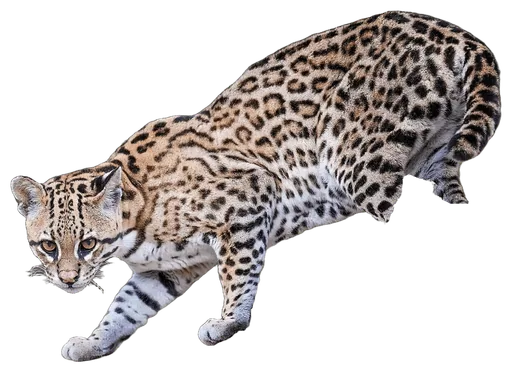
 L vs OcelotWins · 52% · Toss-up
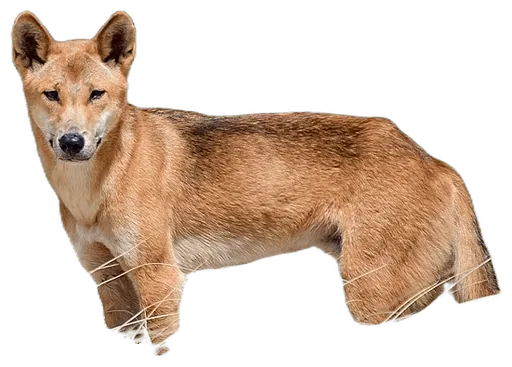
 W vs DingoDraw · 50-50 · Dead even
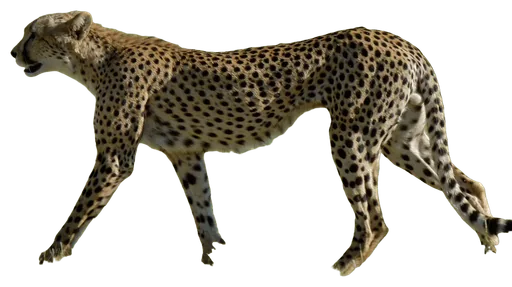
 D vs CheetahLoses · 52% · Toss-up
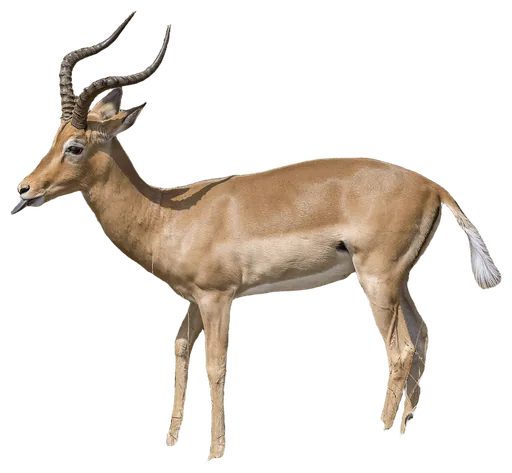
 L vs ImpalaLoses · 57% · Toss-up
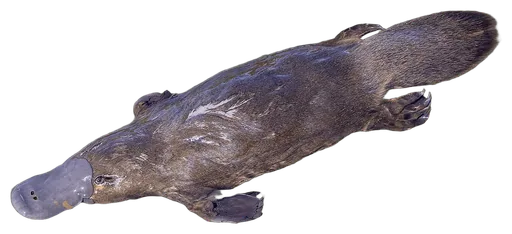
 L vs PlatypusWins · 66% · Slight edge
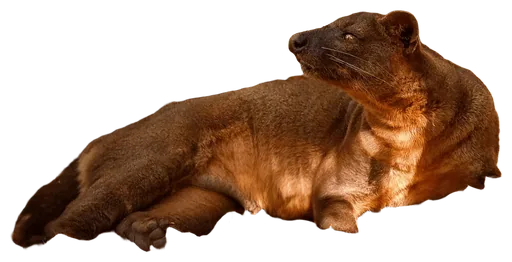
 W vs FossaWins · 58% · Slight edge
 W
Baboon battle analysis
A mature male olive baboon is built around versatility rather than one overwhelming physical statistic. At roughly 24 kg, it is far smaller than a lion, alligator or large wolf and should never receive inflated strength merely because primates are impressive relative to body mass. What makes it dangerous is the interaction of several systems: a robust terrestrial frame, long male canines maintained by a honing premolar, grasping extremities, strong climbing competence, acute visual awareness and a brain continuously trained on social threats and opportunities.
In a fight, the baboon's best route is not trading raw force with a larger opponent. It benefits from mobility, intimidation, positional disruption and a rapid close-range canine attack. Grasping hands can help control position, but they should not be exaggerated into human-style punching power or felid-like claw damage. Against a smaller or poorly armed opponent, the canine system is a major threat. Against a large carnivore or armored animal, the baboon's modest mass and lack of protection become decisive weaknesses.
Its intelligence deserves separation from troop power. Olive baboons track rank, relationships and social context, form coalitions and change aggressive behavior according to circumstances. Those facts support strong tactical cognition in a solo animal, but they do not justify adding the strength of 50 troopmates to its stats. Likewise, documented leopard mobbing demonstrates risk tolerance and coordinated defense rather than proving that one male routinely beats leopards.
Ecologically, the species is unusually flexible. It can forage across savanna, steppe, woodland and forest margins, eat an exceptionally broad diet, walk kilometers per day and still climb effectively. That flexibility is why Agility, Stamina and Intelligence can all be strong even while Defense remains modest. In full-roster ABS scaling, the olive baboon should feel dangerous because of versatility and tactical close-range weapon use, not because its physical force has been exaggerated to great-ape or big-cat levels.
Habitat & range
Savannas, grasslands, steppe, scrub, woodland and some rainforest/forest environments. Olive baboons also use agricultural and human-modified landscapes.
The olive baboon is the most broadly distributed baboon species, occurring across a large belt of central sub-Saharan Africa with isolated populations extending into Saharan mountain regions. Contact zones with other Papio taxa can include hybridization.
Diet & hunting
Highly omnivorous. Documented foods include fruit, gums, grasses, seeds, flowers, roots, rhizomes, corms, tubers, insects, other arthropods, eggs, small vertebrates and carrion. This breadth is central to the species' ecological flexibility.
Social life
The usual unit is a multi-male, multi-female troop. Animal Diversity Web reports average troops around 39–97 individuals. Dominance, kinship, friendships, consortships and coalitions shape access to resources and mates. Social cognition is therefore a daily survival system, not an occasional novelty.
Conservation
The species is currently treated as Least Concern by IUCN and is widespread. It is listed under CITES Appendix II with other baboons. Local conflict can still be intense because crop raiding and habituation lead to persecution even when the species is not globally threatened.
Quick answers
How strong is a Baboon?
On the Animal Battle Stats scale, the Baboon has an attack rating of 45 and a power index of 51.9 out of 100, which ranks it #155 of 344 animals and puts it in C tier (Capable). Its strongest stat is intelligence (78).
How much does a Baboon weigh?
A typical adult Baboon weighs about 24 kg (53 lb). Rated specimen: Healthy, fully mature, naturally foraging adult male, approximately 24.0 kg.
How fast is a Baboon?
There is no reliable measured top speed for the Baboon, so we do not publish one. Its agility rating, which covers acceleration, reflexes and evasion, is 72 out of 100.
What does a Baboon eat?
Highly omnivorous. Documented foods include fruit, gums, grasses, seeds, flowers, roots, rhizomes, corms, tubers, insects, other arthropods, eggs, small vertebrates and carrion. This breadth is central to the species' ecological flexibility.
Is the Baboon endangered?
No. The Baboon is listed as Least Concern. The species is currently treated as Least Concern by IUCN and is widespread. It is listed under CITES Appendix II with other baboons. Local conflict can still be intense because crop raiding and habituation lead to persecution even when the species is not globally threatened.
What animals can beat a Baboon?
Among its closest rivals, the Rottweiler (54%), the Cheetah (52%), the Impala (57%) would be favored against the Baboon. It would be favored against the Coyote, the Ocelot, the Platypus, the Fossa. It is dead even with the Dingo: a draw.
Researched 2026-09-27. Ratings are editorial judgments built from these sources; measurements describe a healthy adult male.
- Wisconsin National Primate Research Center, Olive baboon factsheetMass, height, tail, dimorphism, maturation, morphology
- Animal Diversity Web, Papio anubisIdentity, length, diet, habitat, troop behavior, daily range, predation, reproduction, longevity, conservation
- Patel & Wunderlich 2010, The Anatomical RecordDirect locomotor speed context and hand-pressure mechanics
- Druelle et al. 2021, Journal of Experimental Biology / PubMedGait efficiency and substrate-sensitive locomotion
- Druelle et al. 2017, Journal of AnatomyGrowth and adult morphometrics context
- Sapolsky 1983, American Journal of Primatology / PubMedMale aggression, rank and coalition context
- Castles 1998, EthologyConflict complexity and reconciliation
- Animal Diversity Web, genus PapioGenus-level longevity, daily ranging, social structure
- Wikimedia Commons, male olive baboonImage provenance
Photo: “Chacma Baboon (Papio ursinus) male ... (52793102716).jpg” by Bernard DUPONT from FRANCE, CC BY-SA 2.0, background removed and cropped. Original
Suggest a correction