
Axolotl
Ambystoma mexicanumF tier · Snack6th of 6 amphibians
Size & speed
- Weight
- 200 g7.1 oz
- Length
- 25 cm9.8 in
About as heavy as a smartphone
Heavier than 12% of animalsAbout 2.9 credit cards long
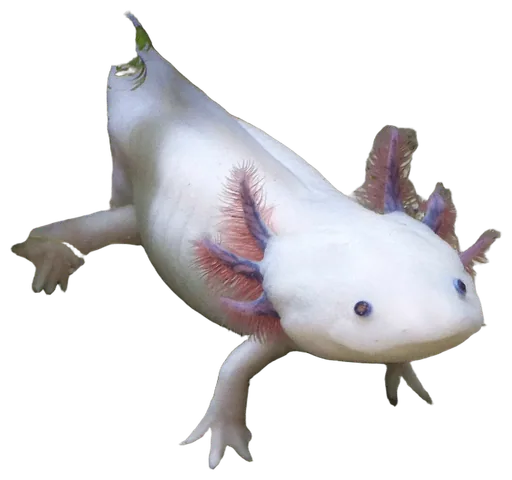
Bigger than 12% of animalsThe axolotl (Ambystoma mexicanum) is a small, fully aquatic Mexican salamander famous for retaining its juvenile gills throughout adulthood and for regenerating limbs and complex tissues. In battle terms it is physically fragile: a roughly 200 g adult relies on suction feeding and small teeth and has almost no armor. Its extraordinary regeneration earns a high Special rating, but because healing takes time it does not erase the axolotl's very low immediate Attack and Defense. Wild axolotls survive only in the Xochimilco system and are Critically Endangered.
Detailed ratings
Research-backed ratings on one 0–100 scale for all 344 animals (updated 2026-09-27). How ratings work


Card No. 341 of 344. Every animal on Animal Battle Stats has one: its power, tier and archetype on the front; its six battle stats, abilities and signature move on the back.
Special abilities
After survivable limb loss, axolotl tissues organize a regeneration blastema capable of rebuilding correctly patterned limbs, including bone, muscle, nerves and skin. This is exceptional long-term recovery, not instantaneous combat healing.
Rapid mouth opening and buccal expansion pull nearby small aquatic prey inward, letting the axolotl capture targets without needing a high-force crushing bite.
Unique traits
Paedomorphosis allows sexual maturity while retaining larval external gills, tail fin and a fully aquatic body plan instead of undergoing ordinary salamander metamorphosis.
Axolotl wound responses can restore complex tissues with dramatically less fibrotic scarring than mammalian repair, underpinning its unusual regenerative performance.
How it fights
Weapons
- The mouth is the only meaningful offensive tool. Axolotls ambush small aquatic prey and use rapid suction to pull worms, insect larvae, crustaceans, mollusks and small fish toward the mouth. Small teeth retain prey. The limbs lack dedicated talons, claws or striking structures, and the tail is primarily locomotor.
Beats
- Tiny soft-bodied aquatic invertebrates
- Very small prey that can be engulfed by suction
- Slow, fragile opponents in water
- Opponents where surviving a nonlethal injury matters over a long recovery horizon
Struggles vs
- Nearly any medium or large vertebrate
- Fast predatory fish capable of repeated bites
- Armored animals too large to engulf
- Opponents with crushing, tearing, venomous or piercing weapons
- Any terrestrial matchup
- Weight
- 200 g7.1 oz
- Height
- No reliable measurement
- Length
- 25 cm9.8 in
- Top speed
- No reliable measurement
- Bite force
- No reliable measurement
- Lifespan
- 12 years
- Home biome
- Wetlands
- Lifestyle
- Mostly solitary, nocturnal
Rated specimen: Representative healthy sexually mature adult male in wild-type pigmentation, approximately 0.20 kg and 25 cm total length.
Fun facts
- An axolotl can reach reproductive adulthood while retaining the external gills and tail fin normally associated with salamander larvae.
- It can regenerate an amputated limb with correctly organized tissues rather than merely closing the wound.
- Experimental research demonstrates regeneration involving spinal cord and other nervous-system tissues.
- Its genome contains roughly 32 billion base pairs, about an order of magnitude larger than the human genome.
- The familiar pink/leucistic aquarium axolotl is not the normal wild phenotype; wild animals are typically dark and mottled.
- A species ubiquitous in laboratories and the pet trade is simultaneously Critically Endangered in its native habitat.
Closest rivals by power. Tap one for the full breakdown, or pick any opponent.
vs MosquitoWins · 93% · Decisive 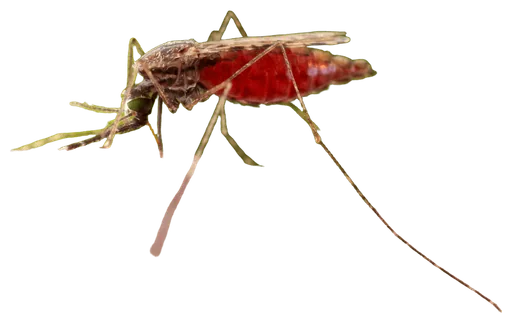 W vs Titan BeetleWins · 60% · Slight edge
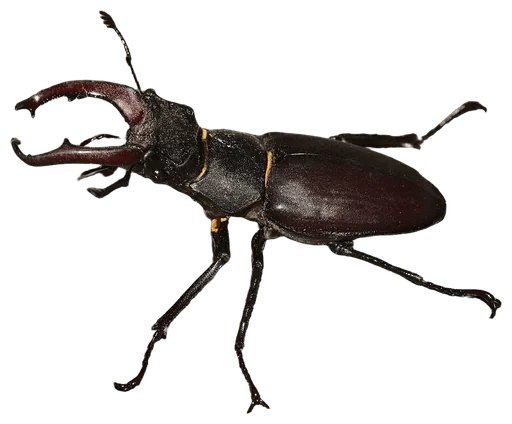
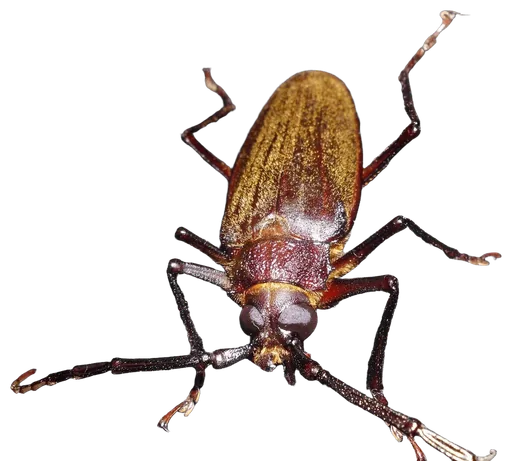 W vs Stag BeetleWins · 74% · Clear edge
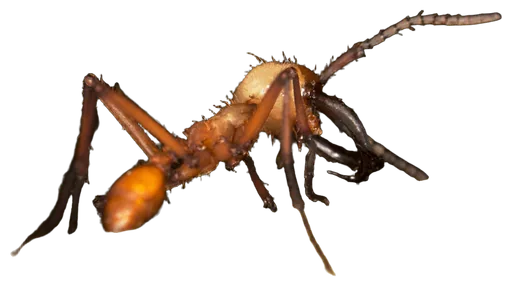
 W vs Army AntWins · 91% · Decisive
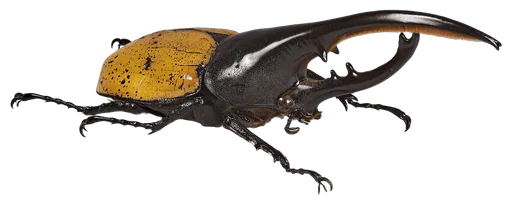
 W vs Hercules BeetleWins · 56% · Toss-up
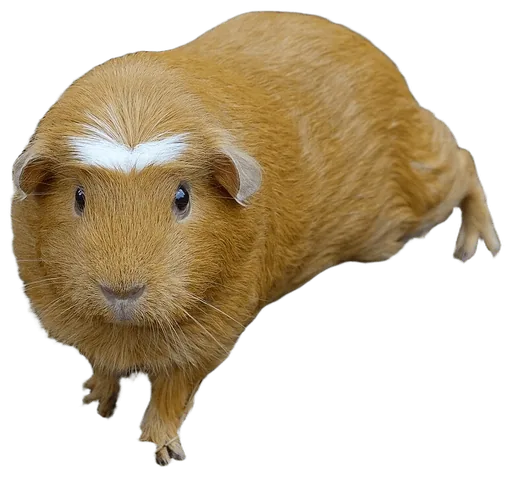
 W vs Guinea PigLoses · 65% · Slight edge
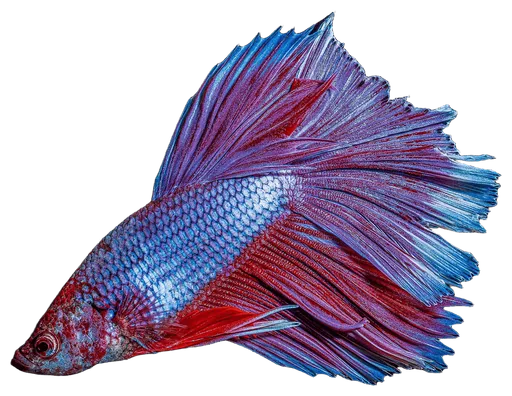
 L vs Betta FishWins · 69% · Slight edge
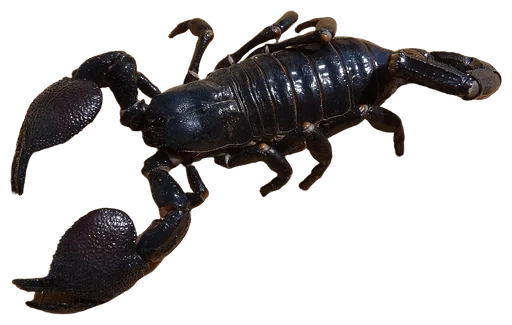
 W vs Emperor ScorpionWins · 53% · Toss-up
 W
Axolotl battle analysis
The axolotl is a striking example of why ABS must separate spectacular biology from raw combat power. A healthy adult is only about a quarter-meter long and roughly two-tenths of a kilogram. It has a soft salamander body, exposed feathery gills and no serious armor. Its normal prey is correspondingly small. Rather than overpowering prey with a crushing bite, it rapidly expands the mouth and throat to generate suction, drawing worms, larvae, crustaceans or small fish inward before retaining and swallowing them.
What makes the species exceptional happens after injury. Axolotls can organize cells at an amputation site into a blastema and reconstruct a patterned limb. Research also documents regenerative responses in spinal cord, tail and other complex tissues. This capacity is among the most impressive vertebrate recovery systems known, but it should not be fictionalized as Wolverine-style instant healing. A limb requires substantial biological time to regrow, and a lethal strike remains lethal. ABS therefore places regeneration chiefly in Recovery and Special rather than inflating Defense.
The axolotl's second defining feature is paedomorphosis. Unlike a typical salamander that transforms into a more terrestrial adult, A. mexicanum normally becomes sexually mature while keeping larval external gills, finned tail and aquatic ecology. That specialization makes it effective in its native cool-water habitat but highly environment-dependent in a cross-roster battle framework.
The conservation story is equally unusual. Axolotls are abundant in captivity and foundational laboratory organisms, yet the wild population has been pushed into the fragmented Xochimilco canal system by drainage, urbanization, pollution and introduced species. The canonical ABS animal should therefore look like a dark wild-type adult, not automatically like the familiar pink captive morph.
Habitat & range
Historically associated with the high-altitude lake system of the Valley of Mexico. The surviving wild population is restricted to the freshwater canal/wetland complex of Xochimilco in Mexico City, where aquatic vegetation, mud and refuges provide habitat.
Endemic to Mexico. Lake Chalco was historically occupied but has been drained; the remaining natural range is centered on Xochimilco. Captive axolotls are globally widespread in laboratories, zoos and the pet trade, but captive abundance does not reduce the extreme risk to the wild population.
Diet & hunting
Carnivorous. Documented/reference diets include worms, insect larvae, small crustaceans, mollusks and small fish. The broad mouth and suction mechanism are suited to swallowing relatively small aquatic prey whole.
Social life
Primarily solitary rather than socially coordinated. Individuals may aggregate where habitat or food concentrates them, and captive animals tolerate conspecifics under suitable conditions, but this is not a pack, colony or cooperative-hunting species.
Conservation
Critically Endangered in the wild. Principal pressures include severe habitat loss and modification in the Valley of Mexico, water pollution, urbanization and introduced fishes. The contrast between a globally common laboratory/pet animal and an extremely threatened wild species is central to its conservation story.
Quick answers
How strong is an Axolotl?
On the Animal Battle Stats scale, the Axolotl has an attack rating of 2.8 and a power index of 21.6 out of 100, which ranks it #341 of 344 animals and puts it in F tier (Snack). Its strongest stat is special (74).
How much does an Axolotl weigh?
A typical adult Axolotl weighs about 200 g (7.1 oz). Rated specimen: Representative healthy sexually mature adult male in wild-type pigmentation, approximately 0.20 kg and 25 cm total length.
How fast is an Axolotl?
There is no reliable measured top speed for the Axolotl, so we do not publish one. Its agility rating, which covers acceleration, reflexes and evasion, is 43 out of 100.
What does an Axolotl eat?
Carnivorous. Documented/reference diets include worms, insect larvae, small crustaceans, mollusks and small fish. The broad mouth and suction mechanism are suited to swallowing relatively small aquatic prey whole.
Is the Axolotl endangered?
The Axolotl's conservation status is Critically Endangered. Critically Endangered in the wild. Principal pressures include severe habitat loss and modification in the Valley of Mexico, water pollution, urbanization and introduced fishes. The contrast between a globally common laboratory/pet animal and an extremely threatened wild species is central to its conservation story.
What animals can beat an Axolotl?
Among its closest rivals, the Guinea Pig (65%) would be favored against the Axolotl. It would be favored against the Mosquito, the Titan Beetle, the Stag Beetle, the Army Ant, the Hercules Beetle, the Betta Fish, the Emperor Scorpion.
Researched 2026-09-27. Ratings are editorial judgments built from these sources; measurements describe a healthy adult male.
- Marine Biological Laboratory, Axolotl research organismIdentity, size, mass, lifespan, diet, range, regeneration, genome
- University of Kentucky Ambystoma Genetic Stock CenterAdult size/mass, paedomorphosis, wild phenotype
- National Geographic species accountLifespan, size, mass, diet, conservation
- Animal Diversity Web, Ambystoma mexicanumHabitat history, range contraction, conservation
- Herrel et al./Journal of Experimental Biology, suction-feeding kinematics (PubMed record)Feeding biomechanics
- Vieira et al. 2019, Developmental BiologyLimb-regeneration mechanism
- Lee & Gardiner 2012, PLOS ONEJoint/limb regeneration
- Sabin et al. 2019 spinal-cord injury modelNervous-system regeneration and limits
- Takeuchi et al. 1994, Physiology & BehaviorSensory discrimination
- American Museum of Natural HistoryAquatic adulthood, regeneration, range, threats
- Wikimedia Commons, Axolotl Wild TypeImage candidate
Photo: “Axolotl2.jpg” by Tinwe from Pixabay, CC0, background removed and cropped. Original
Suggest a correction