
Armadillo
Dasypus mexicanusD tier · Underdog158th of 163 mammals
Size & speed

- Weight
- 5.5 kg12 lb
- Length
- 75 cm29.5 in
About as heavy as a house cat
Heavier than 39% of animalsAbout 2.5 rulers long
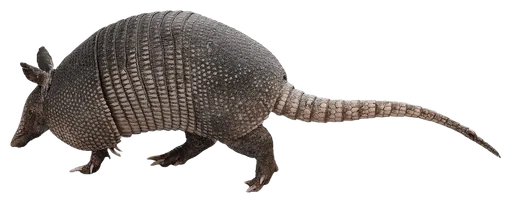
Bigger than 35% of animalsThe armadillo is a small, heavily protected digging mammal whose real advantage is defense, not attack. The U.S. nine-banded form, now recognized as Dasypus mexicanus, weighs only about 5.5 kg but carries a flexible carapace built from mineralized osteoderms. It survives through armor, rapid scrambling, burrowing, strong smell, and unusual escape behaviors rather than a powerful bite or lethal claws.
Detailed ratings
Research-backed ratings on one 0–100 scale for all 344 animals (updated 2026-09-27). How ratings work


Card No. 303 of 344. Every animal on Animal Battle Stats has one: its power, tier and archetype on the front; its six battle stats, abilities and signature move on the back.
Special abilities
Interlocking mineralized dermal plates shield much of the dorsal body while movable bands preserve flexion. It sharply reduces the value of superficial bites and scratches from small attackers but leaves the underside and openings vulnerable.
Powerful digging forelimbs can rapidly exploit suitable soil for refuge, cover, and escape. This is strongly substrate-dependent and should not function as instant invulnerability on hard ground.
Unique traits
When alarmed, the nine-banded armadillo can spring roughly 3–4 ft vertically. This abrupt reflex can disrupt an incoming small predator's timing, though it notoriously increases vehicle-strike risk.
It can hold its breath for about six minutes and cross shallow water by walking along the bottom, while also being capable of swimming. This gives unusual escape-route flexibility for a small armored terrestrial mammal.
How it fights
Weapons
- The armadillo is fundamentally defensive rather than a fighting specialist. Its best active tools are the stout digging forelimbs and claws. It can scratch, brace, shove into cover, and rapidly excavate, but its small teeth are poor offensive weapons. Against another vertebrate, escape and armor are much more important than damage output.
Beats
- Tiny attackers that struggle to penetrate dorsal armor
- Similar-sized opponents reliant on superficial bites/scratches
- Encounters where escape into diggable substrate counts as survival
- Opponents poorly equipped to flip or crush armored prey
Struggles vs
- Large cats, bears, crocodilians, and other predators with major size/force advantage
- Opponents able to attack the underside or limbs
- Heavy constrictors or crushers
- Large hoofed animals capable of trampling
- Any matchup on substrate where burrowing cannot contribute
- Weight
- 5.5 kg12 lb
- Height
- No reliable measurement
- Length
- 75 cm29.5 in
- Top speed
- No reliable measurement
- Bite force
- No reliable measurement
- Lifespan
- 10 years
- Home biome
- Forest
- Lifestyle
- Mostly solitary, nocturnal
Rated specimen: Representative healthy mature adult male, 5.5 kg, using the well-supported 3.6–7.7 kg older species-complex range and recognizing that males average somewhat larger.
Fun facts
- Nine-banded armadillos do not normally roll completely into a ball; that famous behavior belongs especially to three-banded armadillos.
- Their armor contains actual bone embedded in the skin, making armadillos unique among living mammals in the extent of their osteoderms.
- A female typically produces four genetically identical offspring from one fertilized egg.
- They can hold their breath for around six minutes and may walk along the bottom of shallow water.
- A frightened individual can leap about 3–4 ft nearly straight upward.
- Despite the name, the flexible carapace does not always have exactly nine bands; variation occurs.
Closest rivals by power. Tap one for the full breakdown, or pick any opponent.
vs Vampire BatWins · 76% · Clear edge 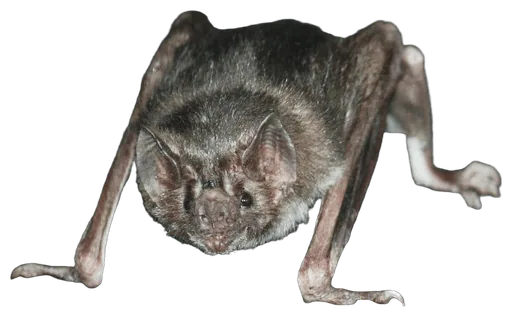 W vs KoalaLoses · 55% · Toss-up
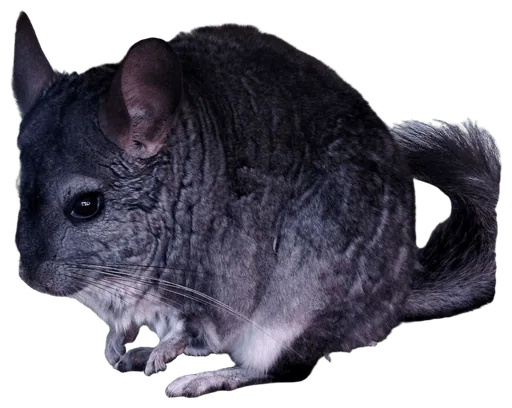
 L vs ChinchillaWins · 64% · Slight edge
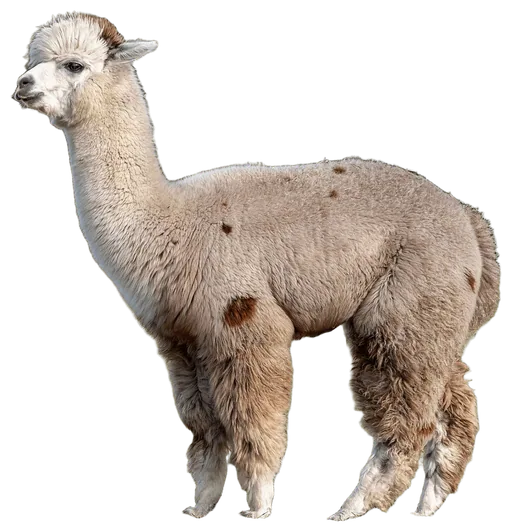
 W vs AlpacaLoses · 65% · Slight edge
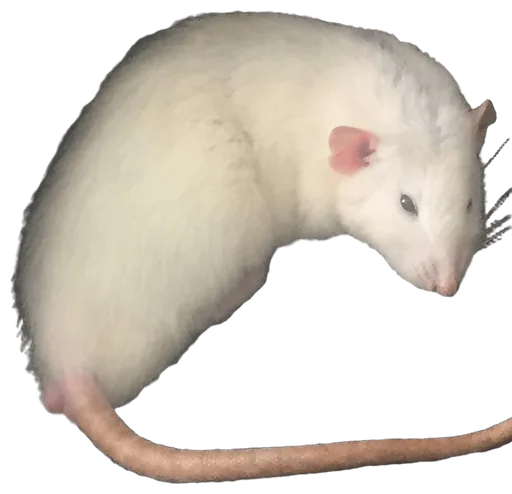
 L vs Fancy RatWins · 62% · Slight edge
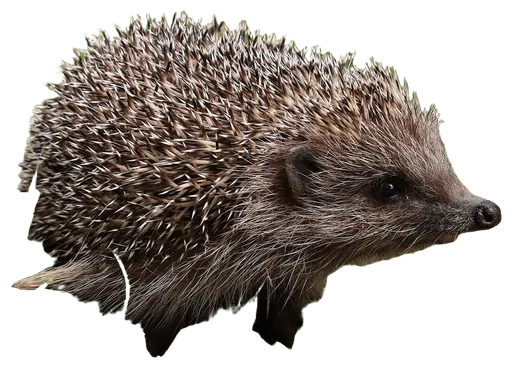
 W vs HedgehogWins · 57% · Toss-up
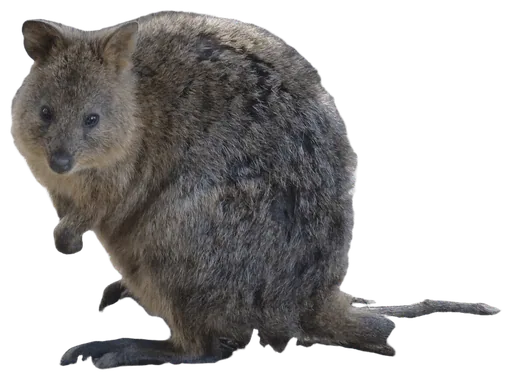
 W vs QuokkaDraw · 50-50 · Dead even
 D vs ToucanWins · 62% · Slight edge
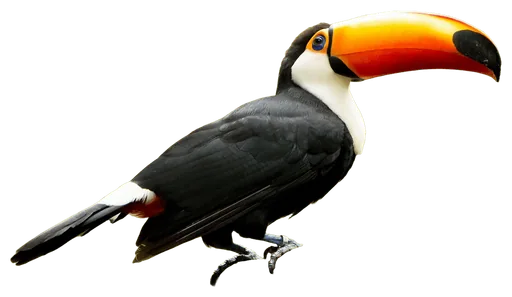 W
Armadillo battle analysis
At first glance the armadillo looks like a tiny mammalian tank, but that description can badly distort its battle profile. The tank part is real: its dorsal skin contains mineralized osteoderms arranged into shields and movable bands, an engineering compromise that protects the body without locking the trunk rigid. For an animal weighing only a few kilograms, that is exceptional passive protection. A fox-sized attacker that expects an ordinary mammalian hide may find its bite or scratch landing on a much harder surface.
The mistake is turning that defense into imaginary offensive power. The nine-banded armadillo is primarily an insectivore and digger. Its forelimbs are mechanically specialized for excavation, its teeth are not a carnivore's killing apparatus, and its normal response to danger is to escape rather than stand and fight. Against a large predator, the armor does not erase the mass difference. Mountain lions, bears, and alligators can still prey on armadillos, and the belly, legs, and armor margins remain exploitable.
Its mobility is also more interesting than the stereotypical shuffle suggests. Kinematic research documents several gait patterns, including cantering and bounding. A startled animal can launch itself vertically, and in suitable soil it can use digging ability as an escape system. Water is not an absolute barrier either: it can swim and can hold its breath long enough to walk along the bottom of shallow water. These traits make it awkward prey, but they do not justify confusing escape versatility with high combat agility.
The modern taxonomic story is itself notable. The animal spreading across the United States was long treated as Dasypus novemcinctus. Genomic and morphological revision of the nine-banded complex now supports four species, with the North American population recognized as D. mexicanus. ABS should use the current name while retaining geographically appropriate older research as legacy evidence. This is a good example of why the overhaul should track evidence provenance rather than simply copy a familiar species label.
Habitat & range
Warm forests, brushlands, grasslands, riparian edges, agricultural mosaics, and suburban landscapes where soils permit digging. Burrows provide shelter and thermal buffering.
Under the revised taxonomy, D. mexicanus extends from the central/eastern United States through Mexico toward Costa Rica. The U.S. population has undergone a striking northward and eastward expansion. A 2025 USGS study documented establishment across Missouri, southern Iowa, Georgia, South Carolina, western North Carolina, and expansion in several additional states. Older sources describing D. novemcinctus from the United States refer to this same population under the former broad taxonomy.
Diet & hunting
Primarily beetles and larvae, ants, termites, and other invertebrates, supplemented opportunistically by small vertebrates and plant material. Its long snout, smell, and claws form an integrated excavation-foraging system.
Social life
Adults are predominantly solitary. Interaction is concentrated around breeding; juvenile littermates can remain together and forage together during their first season.
Conservation
The newly delimited D. mexicanus was assessed as Least Concern in the 2026 IUCN framework, based on wide distribution, large population, habitat tolerance, and no evidence of major decline. Its U.S. range is expanding rather than contracting.
Quick answers
How strong is an Armadillo?
On the Animal Battle Stats scale, the Armadillo has an attack rating of 14 and a power index of 35.7 out of 100, which ranks it #303 of 344 animals and puts it in D tier (Underdog). Its strongest stat is special (54).
How much does an Armadillo weigh?
A typical adult Armadillo weighs about 5.5 kg (12 lb). Rated specimen: Representative healthy mature adult male, 5.5 kg, using the well-supported 3.6–7.7 kg older species-complex range and recognizing that males average somewhat larger.
How fast is an Armadillo?
There is no reliable measured top speed for the Armadillo, so we do not publish one. Its agility rating, which covers acceleration, reflexes and evasion, is 44 out of 100.
What does an Armadillo eat?
Primarily beetles and larvae, ants, termites, and other invertebrates, supplemented opportunistically by small vertebrates and plant material. Its long snout, smell, and claws form an integrated excavation-foraging system.
Is the Armadillo endangered?
No. The Armadillo is listed as Least Concern. The newly delimited D. mexicanus was assessed as Least Concern in the 2026 IUCN framework, based on wide distribution, large population, habitat tolerance, and no evidence of major decline. Its U.S. range is expanding rather than contracting.
What animals can beat an Armadillo?
Among its closest rivals, the Koala (55%), the Alpaca (65%) would be favored against the Armadillo. It would be favored against the Vampire Bat, the Chinchilla, the Fancy Rat, the Hedgehog, the Toucan. It is dead even with the Quokka: a draw.
Researched 2026-09-27. Ratings are editorial judgments built from these sources; measurements describe a healthy adult male.
- Barthe et al., Systematic Biology, 2025Taxonomy
- Bist et al., Journal of Mammalogy, 2026Current U.S. taxon
- University of Michigan / Animal Diversity Web legacy accountMass, length, physiology, ecology
- University of Florida IFAS ExtensionAdult mass
- University of Texas DigiMorphSize and anatomy
- Costa et al., Acta ZoologicaLocomotion
- Vickaryous & Hall, Journal of MorphologyArmor anatomy
- Tapered Tiles Modulate Flexibility, PubMed, 2025Armor mechanics
- IUCN SSC Anteater, Sloth and Armadillo Specialist GroupDiet, sociality, reproduction, conservation
- IUCN 2026 D. mexicanus assessment summaryCurrent conservation/range taxonomy
- DeGregorio & Deshwal / USGS, 2025U.S. range expansion
- University of Michigan BioKIDSBurrows, swimming, breath holding
- Library of Congress Science Reference SectionStartle leap, breath holding, quadruplets
- Systematic review, Diversity 2025Wild lifespan and disease ecology
- Sciandra et al., Journal of Wildlife Diseases, 2026Human interaction / disease taxonomy
- NPS / Wikimedia Commons imageImage provenance
Photo: “Nine-banded armadillo merritt island nwr 1.22.24 DSC 3255-topaz-denoiseraw-sharpen.jpg” by lwolfartist, CC BY 2.0, background removed and cropped. Original
Suggest a correction