
Arctic Wolf
Canis lupus arctosB tier · Strong55th of 163 mammals
Size & speed

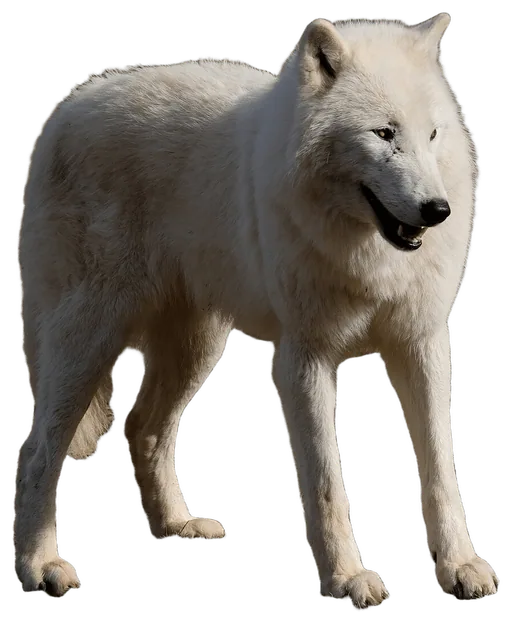
- Weight
- 40 kg88 lb
- Length
- 1.5 m4.9 ft
As heavy as 8.9 house cats
Heavier than 61% of animalsAbout as long as a person is tall
Bigger than 61% of animalsThe Arctic wolf is a 40 kg-class High Arctic gray wolf built around endurance, pack tactics and survival in extreme cold. Its jaws make it a dangerous medium predator, but its greatest advantages are sustained travel, coordinated prey testing and the ability to keep hunting across snow, darkness and enormous territories. White camouflage and dense insulation make it especially formidable in polar conditions, while lack of armor and dependence on close-range biting keep its one-on-one combat power well below the largest predators.
Detailed ratings
Research-backed ratings on one 0–100 scale for all 344 animals (updated 2026-09-27). How ratings work


Card No. 88 of 344. Every animal on Animal Battle Stats has one: its power, tier and archetype on the front; its six battle stats, abilities and signature move on the back.
Special abilities
Coordinated wolves probe, pursue and reposition around dangerous prey, allowing a group to exploit openings that one wolf could not safely force. In a strict one-on-one matchup this ability is largely inactive, which should be represented by battle rules rather than secretly inflating individual Attack.
Dense insulation, large feet and High Arctic physiology let the wolf continue useful travel and hunting in extreme cold while many opponents face rapidly increasing thermal costs.
Unique traits
Predominantly white coloration provides useful crypsis across snow and ice, improving approach and concealment in its native environment.
Ellesmere packs maintain territories spanning thousands of square kilometers, reflecting exceptional sustained search-and-travel capacity in a low-productivity landscape.
How it fights
Weapons
- The jaws are the main weapon. A wolf closes distance, seizes with the teeth, tears tissue, and uses repeated bites plus body leverage. Against large prey, the crucial system is not one exaggerated bite-force number but repeated attack, mobility, selection of vulnerable regions, and, where multiple wolves participate, cooperative pressure.
Beats
- Smaller unarmored mammals
- Similar-sized prey lacking strong counter-weapons
- Opponents vulnerable to repeated mobile biting
- Cold-environment opponents with poorer cold tolerance
Struggles vs
- Heavy armor/shells
- Large horned or hoofed herbivores in a one-on-one fight
- Big cats with superior close-range grappling and claws
- Large crocodilians
- Megafauna whose mass overwhelms canid leverage
- Weight
- 40 kg88 lb
- Height
- 72 cm28.3 in
- Length
- 1.5 m4.9 ft
- Top speed
- No reliable measurement
- Bite force
- No reliable measurement
- Lifespan
- 8 years
- Home biome
- Arctic
- Lifestyle
- Social
Rated specimen: Representative healthy mature adult male, approximately 40.0 kg.
Fun facts
- Field researchers directly followed habituated Arctic wolves and measured routine travel at 8.7 km/h, faster than an ordinary human walking pace for sustained travel.
- Monitored Ellesmere packs have used winter territories exceeding 6,000 km².
- Ellesmere wolves hunt prey ranging from roughly 4 kg Arctic hares to heavily armed muskoxen many times a wolf's mass.
- A long-term pack study found highly variable litter production from year to year, showing how strongly reproduction responds to High Arctic conditions.
- Modern GPS work confirms that some Ellesmere packs remain on territories throughout the year despite months of continuous darkness or continuous daylight.
Closest rivals by power. Tap one for the full breakdown, or pick any opponent.
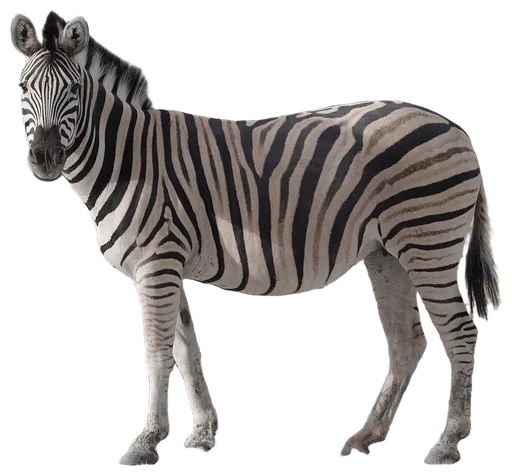
vs ElkLoses · 62% · Slight edge 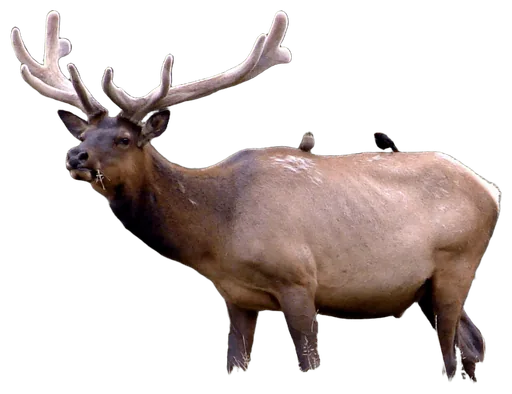 L vs ZebraLoses · 62% · Slight edge
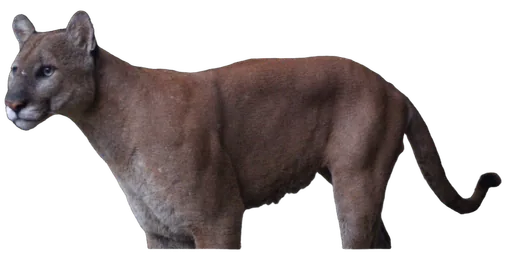
 L vs CougarLoses · 54% · Toss-up
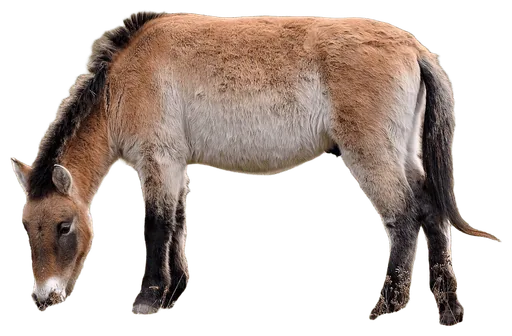
 L vs Wild HorseLoses · 61% · Slight edge
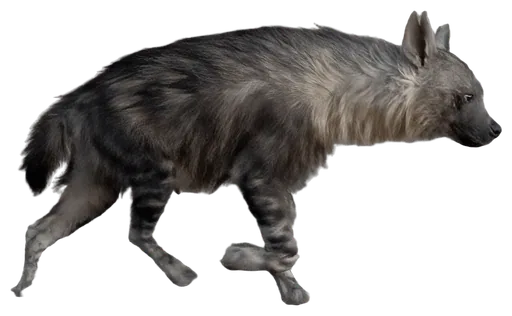
 L vs Brown HyenaWins · 51% · Toss-up
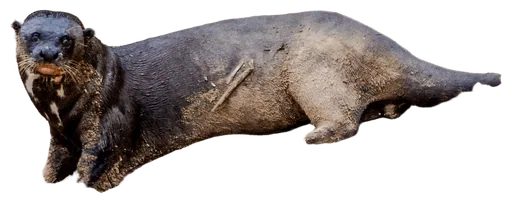
 W vs Giant OtterDraw · 50-50 · Dead even
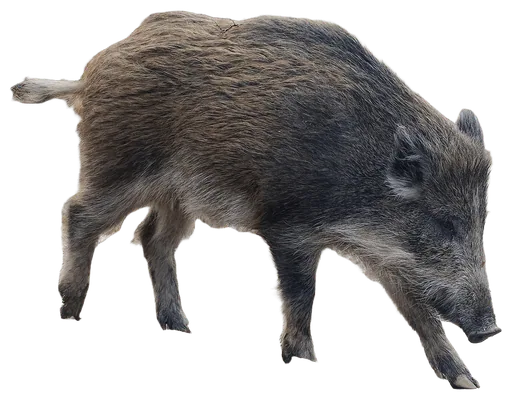
 D vs Wild BoarLoses · 53% · Toss-up
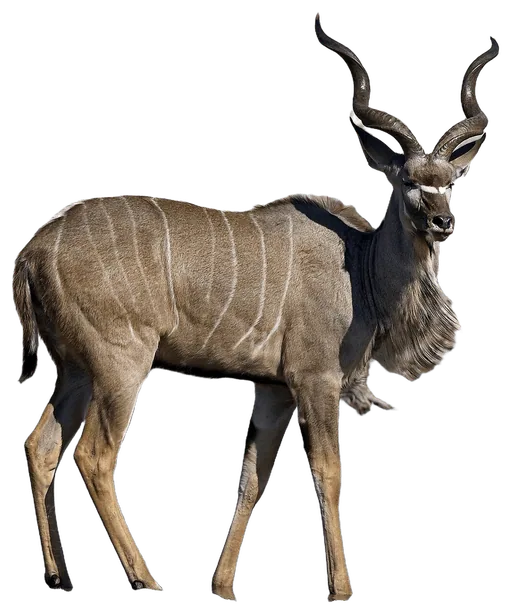
 L vs KuduLoses · 58% · Slight edge
 L
Arctic Wolf battle analysis
An Arctic wolf is not a fantasy super-wolf created by cold weather. Its real strengths are more interesting. On Ellesmere Island, wolves live in an ecosystem where prey is sparse, weather is severe and every failed hunt carries an energetic cost. Their body plan remains recognizably gray-wolf: long cursorial legs, powerful jaws, non-retractile claws, strong senses and a social brain. What changes in the High Arctic is the importance of endurance, insulation and efficient decision-making.
A representative male around 40 kg can kill smaller prey alone and seriously injure similar-sized mammals, but large-prey hunting reveals the limits of individual power. Muskoxen are bulky, horned and dangerous. Wolves test herds, search for weak or poorly positioned animals and often fail. Cooperative hunting converts multiple mobile attackers into a pressure system that can eventually isolate a vulnerable animal. ABS should therefore distinguish the individual wolf's moderate absolute Attack from the much greater ecological effectiveness of a pack.
The strongest evidence for an elite rating is stamina. Researchers have measured Arctic-wolf travel directly and GPS-collared packs across territories of thousands of square kilometers. This is not a sprint statistic masquerading as agility. It is sustained locomotor performance in one of Earth's least forgiving terrestrial environments. Combined with white camouflage and deep insulation, it produces a predator whose specialism is persistence in the polar landscape rather than a fictional increase in bite strength.
Habitat & range
High Arctic tundra and polar desert, especially the Canadian Arctic Archipelago. The landscape includes exposed rock, sparse vegetation, snow, sea ice and extreme seasonal light regimes.
The traditional C. l. arctos concept centers on Canada's Queen Elizabeth Islands from Melville Island through Ellesmere Island. Some popular accounts broaden the label toward Greenland, but subspecies taxonomy and geographic boundaries should be handled cautiously.
Diet & hunting
Muskoxen, Arctic hares and Peary caribou are major documented prey in the Ellesmere system, with seals taken opportunistically when available. The 2025 Ellesmere synthesis emphasizes that wolves exploit whatever prey the extreme environment makes available.
Social life
Family packs are the central social unit. A ten-year Ellesmere study followed packs containing two to eight adults plus pups. Pack size and productivity vary with prey conditions, and wolves may also travel or hunt singly or in pairs.
Conservation
The Arctic wolf is part of the globally widespread gray wolf species, which is generally treated as Least Concern at species level. Subspecies/population assessments are less straightforward. WWF describes Arctic wolves as relatively insulated from historical hunting and habitat destruction because of remoteness, while industrial development and climate-driven prey changes are emerging concerns.
Quick answers
How strong is an Arctic Wolf?
On the Animal Battle Stats scale, the Arctic Wolf has an attack rating of 52 and a power index of 57.5 out of 100, which ranks it #88 of 344 animals and puts it in B tier (Strong). Its strongest stat is stamina (86).
How much does an Arctic Wolf weigh?
A typical adult Arctic Wolf weighs about 40 kg (88 lb). Rated specimen: Representative healthy mature adult male, approximately 40.0 kg.
How fast is an Arctic Wolf?
There is no reliable measured top speed for the Arctic Wolf, so we do not publish one. Its agility rating, which covers acceleration, reflexes and evasion, is 62 out of 100.
What does an Arctic Wolf eat?
Muskoxen, Arctic hares and Peary caribou are major documented prey in the Ellesmere system, with seals taken opportunistically when available. The 2025 Ellesmere synthesis emphasizes that wolves exploit whatever prey the extreme environment makes available.
Is the Arctic Wolf endangered?
No. The Arctic Wolf is listed as Least Concern. The Arctic wolf is part of the globally widespread gray wolf species, which is generally treated as Least Concern at species level. Subspecies/population assessments are less straightforward. WWF describes Arctic wolves as relatively insulated from historical hunting and habitat destruction because of remoteness, while industrial development and climate-driven prey changes are emerging concerns.
What animals can beat an Arctic Wolf?
Among its closest rivals, the Elk (62%), the Zebra (62%), the Cougar (54%), the Wild Horse (61%), the Wild Boar (53%), the Kudu (58%) would be favored against the Arctic Wolf. It would be favored against the Brown Hyena. It is dead even with the Giant Otter: a draw.
Researched 2026-09-27. Ratings are editorial judgments built from these sources; measurements describe a healthy adult male.
- Toronto Zoo, Arctic wolfTaxon, male/female mass, fur, feet, morphology
- WWF, Arctic WolvesBroad size, habitat, range, conservation threats
- USGS / Mech 1994, Regular and homeward travel speedsDirect travel-speed measurement
- USGS, Ellesmere wolf movementsTerritory, year-round ecology, prey, litter
- USGS / Mech 1995, Summer movementsPack movement, hare hunting
- Anderson et al., Journal of Wildlife Management 2025Modern GPS ecology, year-round territories, muskox predation
- Mech et al., The Ellesmere Wolves 2025, Daily HuntHunting tactics and success
- Mech 1995, Ten-year demographyPack size and reproduction
- U.S. Forest Service FEIS, Canis lupusTaxonomic context
- 2024 comparative carnivore craniometryWolf canine/bite biomechanics context
- Wikimedia Commons male Arctic wolfImage identity, sex label, dimensions, creator/license
Photo: “Loup arctique DSCF2720.jpg” by Musicaline, CC BY-SA 4.0, background removed and cropped. Original
Suggest a correction