
Arctic Fox
Vulpes lagopusD tier · Underdog142nd of 163 mammals
Size & speed

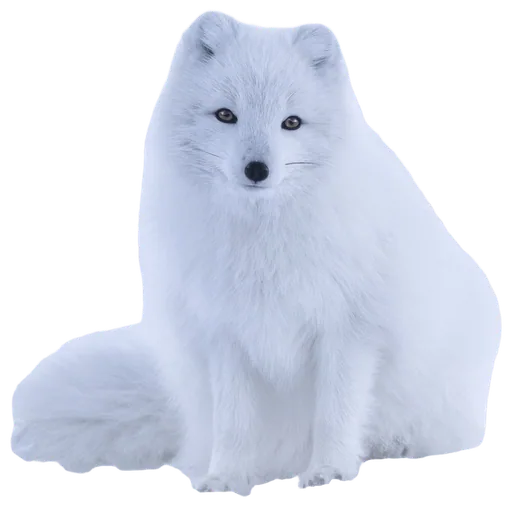
- Weight
- 4 kg9 lb
- Length
- 1 m3.3 ft
About as heavy as a house cat
Heavier than 34% of animalsAbout 3.3 rulers long
Bigger than 44% of animalsThe Arctic fox (Vulpes lagopus) is a small circumpolar canid built less for brute-force combat than for surviving and moving through one of Earth's harshest environments. At roughly 4 kg, its bite is dangerous mainly to prey-sized animals, but extraordinary fur insulation, furred paws, seasonal camouflage, flexible scavenging and thousand-kilometer dispersal give it elite cold-weather endurance and specialization. Its greatest weakness is simple scale: larger canids such as red foxes can dominate and kill it despite its remarkable Arctic specializations.
Detailed ratings
Research-backed ratings on one 0–100 scale for all 344 animals (updated 2026-09-27). How ratings work


Card No. 266 of 344. Every animal on Animal Battle Stats has one: its power, tier and archetype on the front; its six battle stats, abilities and signature move on the back.
Special abilities
Exceptionally insulating fur, compact extremities and specialized foot circulation let the fox remain functional at temperatures that impose severe thermal costs on most mammals. This is an environmental survivability advantage, not physical armor.
Seasonal coat change in the white morph shifts from white winter crypsis to brown/gray summer coloration, reducing visual detection across radically changing Arctic backgrounds.
Unique traits
Dense fur covers the paws and combines with cold-tolerant circulation to protect contact surfaces while maintaining mobility on snow and frozen ground.
Arctic foxes can use sea ice as a dispersal corridor and sustain movements of thousands of kilometers, giving this tiny canid an exceptional geographic mobility profile.
How it fights
Weapons
- The jaws and teeth are the primary weapons. Arctic foxes kill small vertebrate prey, seize birds and rodents, process carrion and can defend themselves with a normal canid bite. At only about 4 kg, however, absolute bite and body force are far below medium and large canids and felids.
Beats
- Tiny mammals, birds and similarly fragile prey-sized opponents
- Slow small animals vulnerable to pouncing and biting
- Cold-environment opponents with poorer thermal protection
- Small opponents that struggle to detect a seasonally camouflaged fox
Struggles vs
- Medium and large canids/felids
- Armored reptiles and arthropods
- Large herbivores
- Opponents with long reach, powerful claws, horns or crushing bites
- Any matchup where absolute force rather than evasion/endurance decides the result
- Weight
- 4 kg9 lb
- Height
- 28 cm11 in
- Length
- 1 m3.3 ft
- Top speed
- No reliable measurement
- Bite force
- No reliable measurement
- Lifespan
- 5 years
- Home biome
- Arctic
- Lifestyle
- Social
Rated specimen: Representative healthy mature adult male, approximately 4.0 kg.
Fun facts
- The name lagopus refers to its densely furred, hare-like feet.
- A physiological review places its lower critical temperature below -40 °C, meaning it can avoid increasing metabolic heat production at extraordinary cold levels under suitable conditions.
- A tracked young female traveled more than 3,500 km from Svalbard toward Canada in less than 80 days using sea ice.
- Arctic foxes cache food to bridge periods when prey becomes scarce.
- The same species can appear snowy white in winter and brown-gray in summer, while blue-morph animals remain much darker.
- Some den systems can be reused across generations for very long periods.
Closest rivals by power. Tap one for the full breakdown, or pick any opponent.
vs Flying SquirrelWins · 68% · Slight edge 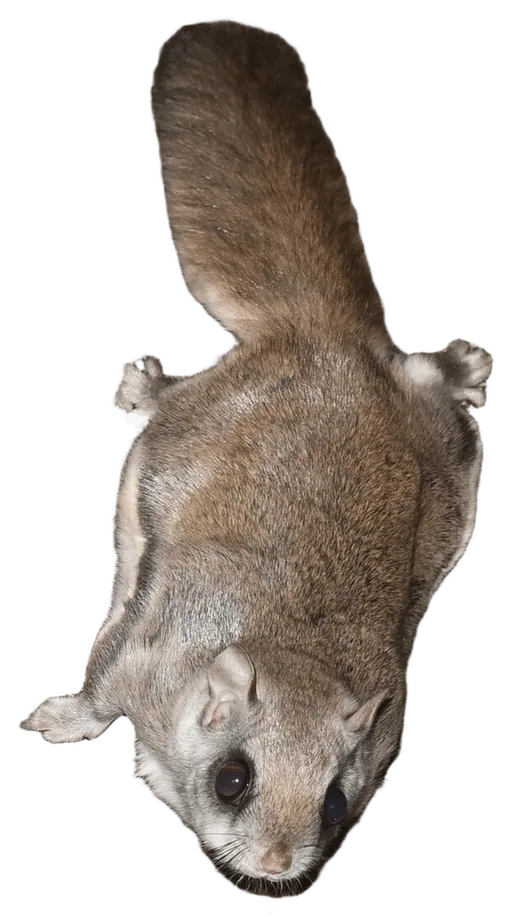 W vs BinturongLoses · 58% · Slight edge
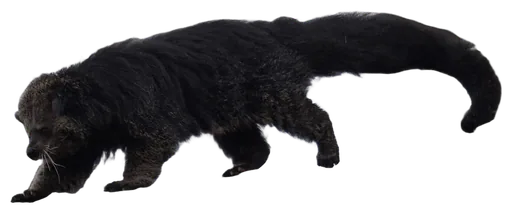 L vs WallabyLoses · 58% · Slight edge
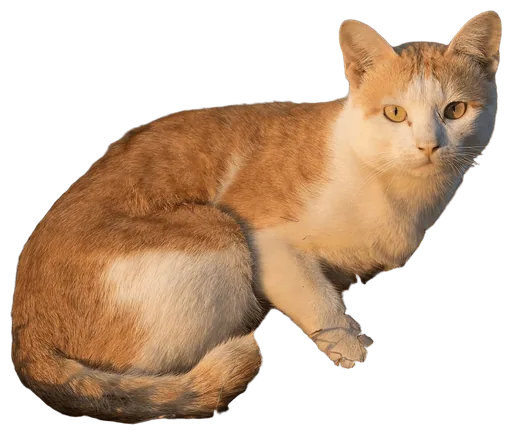
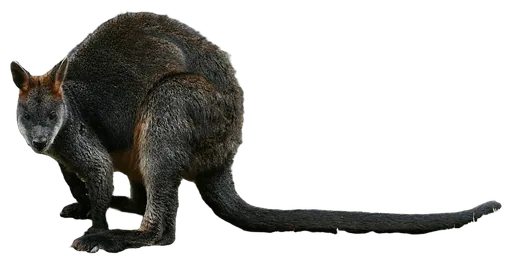 L vs House CatLoses · 52% · Toss-up
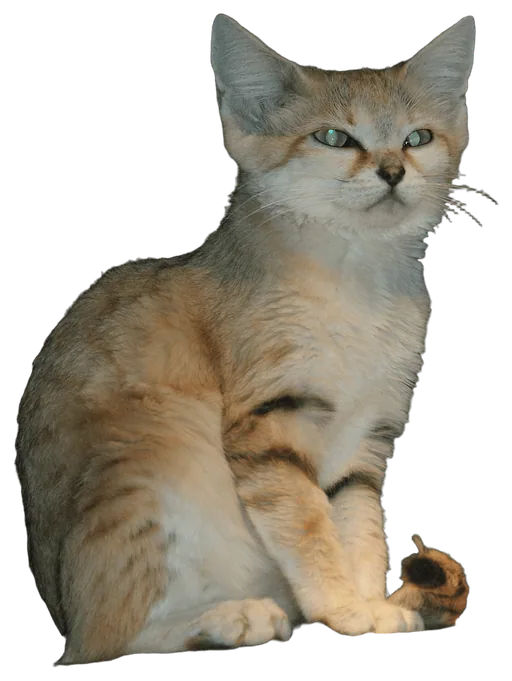
 L vs Sand CatWins · 52% · Toss-up
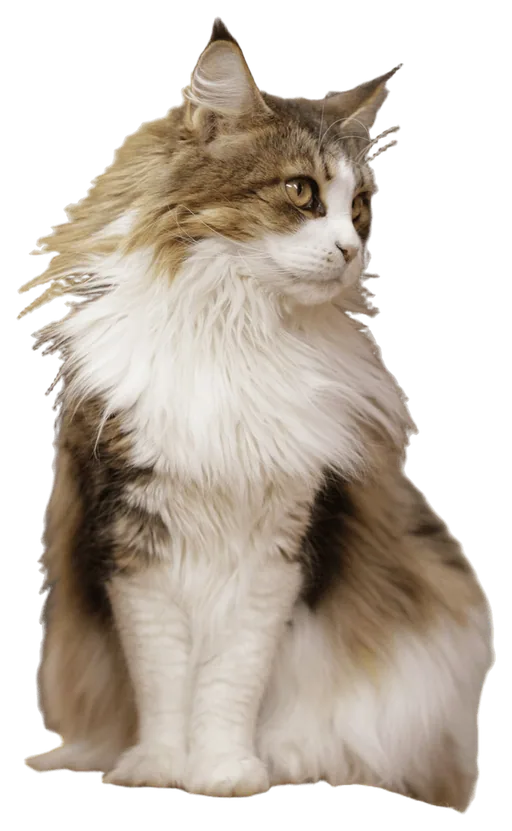
 W vs Maine CoonLoses · 55% · Toss-up
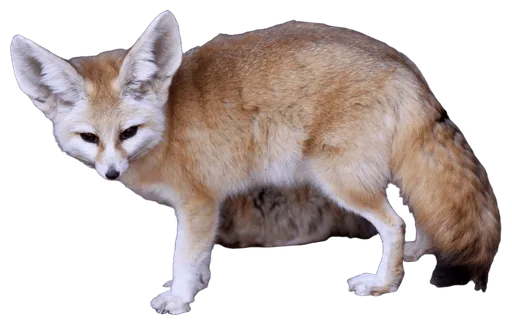
 L vs Fennec FoxWins · 54% · Toss-up
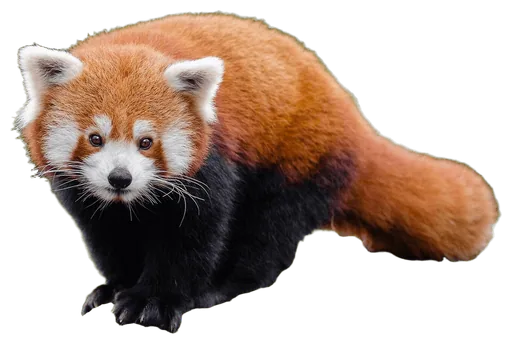
 W vs Red PandaLoses · 53% · Toss-up
 L
Arctic Fox battle analysis
The Arctic fox is a strong example of why Animal Battle Stats must separate absolute fighting power from biological excellence. A healthy adult male weighs only a few kilograms. Against a lion, wolf, alligator or even many medium mammals, there is no plausible amount of cold tolerance that closes the mechanical gap in bite force, reach and body mass. Its Attack and Defense therefore belong low on a roster-wide scale.
Where the Arctic fox becomes exceptional is environmental performance. Its winter coat is among the most effective mammalian insulation systems studied. Its compact anatomy reduces exposed surface area, its feet are densely furred, and specialized blood vessels help maintain function on frozen substrate. It can curl into a heat-conserving posture, use snow or dens as shelter, cache food and alter activity when resources are scarce. These traits let a tiny carnivore remain active through conditions that would rapidly incapacitate many larger animals.
Its movement ecology is equally striking. Satellite tracking and comparative movement research show that Arctic foxes can cover extraordinary distances, including journeys across sea ice between land masses. That supports a high Stamina score even though the fox is not a heavyweight fighter. It is a persistent traveler rather than a sustained grappling machine.
In combat, the fox behaves like what it is: a small canid. Teeth and jaws are the main weapon, with paws and claws helping traction and prey handling. It can pounce and reposition quickly, and seasonal camouflage can aid approach or evasion. But it has no armor and little ability to absorb major trauma. Peer-reviewed research on expanding red foxes demonstrates that a larger fellow canid can exclude Arctic foxes from food and dens and can kill them directly. That real ecological interaction is more useful for calibration than folklore about Arctic toughness.
The result is a deliberately asymmetric profile: low absolute Attack and Defense, strong Agility, very strong Stamina, moderate Intelligence and a high Special rating grounded in genuine cold physiology and seasonal camouflage. This preserves both biological reality and the large power gaps demanded by the 225-animal scale.
Habitat & range
Treeless Arctic and sub-Arctic tundra, coastal terrain, rocky shores, islands, snowfields and seasonal sea ice. Dens are commonly excavated in banks, hillsides or suitable soils and can persist across many generations.
Circumpolar Arctic: Alaska, northern Canada, Greenland, Iceland, Svalbard and other Arctic islands, Scandinavia and Russia. Alaska Department of Fish and Game describes its Alaskan range from the Aleutians north to Utqiagvik and east toward Canada.
Diet & hunting
Opportunistic omnivorous carnivore. Common foods include lemmings, voles, nesting seabirds, eggs, fish, insects, carrion and berries. Coastal foxes can depend heavily on marine-derived resources, while inland populations may track rodent cycles.
Social life
Often organized around breeding pairs and family groups, though movement and mating systems are flexible. Animal Diversity Web describes family groups around dens, while molecular work shows that social monogamy does not exclude substantial extra-pair paternity in resource-rich settings.
Conservation
Globally Least Concern, with broad circumpolar distribution. However, some regional populations, particularly in Fennoscandia, have required intensive conservation. Red-fox competition, changing prey cycles, disease and climate-driven ecosystem shifts can be locally important.
Quick answers
How strong is an Arctic Fox?
On the Animal Battle Stats scale, the Arctic Fox has an attack rating of 17 and a power index of 41.6 out of 100, which ranks it #266 of 344 animals and puts it in D tier (Underdog). Its strongest stat is stamina (79).
How much does an Arctic Fox weigh?
A typical adult Arctic Fox weighs about 4 kg (9 lb). Rated specimen: Representative healthy mature adult male, approximately 4.0 kg.
How fast is an Arctic Fox?
There is no reliable measured top speed for the Arctic Fox, so we do not publish one. Its agility rating, which covers acceleration, reflexes and evasion, is 65 out of 100.
What does an Arctic Fox eat?
Opportunistic omnivorous carnivore. Common foods include lemmings, voles, nesting seabirds, eggs, fish, insects, carrion and berries. Coastal foxes can depend heavily on marine-derived resources, while inland populations may track rodent cycles.
Is the Arctic Fox endangered?
No. The Arctic Fox is listed as Least Concern. Globally Least Concern, with broad circumpolar distribution. However, some regional populations, particularly in Fennoscandia, have required intensive conservation. Red-fox competition, changing prey cycles, disease and climate-driven ecosystem shifts can be locally important.
What animals can beat an Arctic Fox?
Among its closest rivals, the Binturong (58%), the Wallaby (58%), the House Cat (52%), the Maine Coon (55%), the Red Panda (53%) would be favored against the Arctic Fox. It would be favored against the Flying Squirrel, the Sand Cat, the Fennec Fox.
Researched 2026-09-27. Ratings are editorial judgments built from these sources; measurements describe a healthy adult male.
- Alaska Department of Fish and Game, Arctic Fox Species ProfileMass, total length, tail, range, habitat, diet, lifespan, reproduction, color morphs
- Animal Diversity Web, Vulpes lagopusAverage mass, captive longevity, reproduction, den/social behavior
- Prestrud 1991, Adaptation by the Arctic Fox to the Polar WinterFur insulation, lower critical temperature, compact morphology, paw circulation, winter behavior, caching/fat
- Klir & Heath 1992, Physiological ZoologyThermoregulatory surface physiology
- Scientific Reports 2019, Longest terrestrial migrations and movements around the worldEndurance / long-distance movement calibration
- Argos / Norwegian Polar Institute tracking summaryExtreme dispersal example
- Journal of Animal Ecology, Gallant et al. 2020Red-fox competition and Arctic range change
- Journal of Mammalogy 2022, Red foxes at their northern edgeInterspecific competition
- Polar Research / broader competition synthesisDirect red-fox dominance
- Journal of Animal Ecology 2021, fur colorationColor morph/camouflage context
- Wikimedia Commons image pagePrimary image candidate
Photo: “Vulpes lagopus in Iceland (cropped 3).jpg” by Jonatan Pie ( unsplash.com/@r3dmax ), CC0, background removed and cropped. Original
Suggest a correction