

Arapaima
Arapaima gigas
 #131 of 273
  Jungle Tank Data Deficient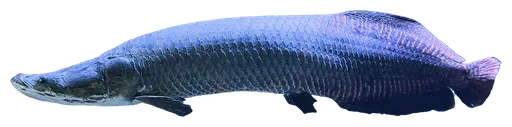
 Fight
FightPhoto: Vyacheslav Bukharov · CC BY-SA 4.0
The arapaima is a giant air-breathing fish of Amazon floodplain lakes, reaching over 2 m and 100 kg. It ambushes fish with a sudden vacuum-like gulp and crushes them on a bony, toothed tongue. Its scales are so tough that piranha teeth fail against them, but it must surface to breathe every 10–20 minutes and has little offensive power against large animals.
 Attack42
  Defense57
  Agility55
  Stamina52
  Intelligence45
  Special66
 Detailed ratings
Research-backed ratings on one 0–100 scale for all 273 animals (updated 2026-09-28). How ratings work
Special abilities
Ability 1Piranha-Proof ScalesEach scale pairs a hard mineralized outer layer with a flexible, plywood-like collagen base. In lab tests, piranha teeth could not puncture the scales. In a battle this blunts attacks from cutting and puncturing teeth.
 Ability 2Gulp-Air Survival
An obligate air breather that rises every 10–20 minutes to gulp air, letting it hunt and live in warm, oxygen-poor lakes that drive other large fish away.
Unique traits
 TraitGiant of the Bonytongues
One of the largest freshwater fishes in the world, with published maximums near 3 m and 200 kg, and a toothed "bony tongue" that crushes prey inside the mouth.
TraitDevoted FatherMales build nests, guard eggs and lead schools of fry for up to about three months, communicating with the young through secretions from glands on the head.
How it fights
Weapons
- The arapaima is a suction-feeding ambush predator. It hovers near the surface or among flooded vegetation, then opens its large mouth suddenly so that prey is sucked in within a fraction of a second. Prey is gripped and crushed against the toothed tongue and palate. Most prey is fish, with crustaceans and sometimes birds, frogs or small mammals taken near the surface. Against large opponents this system offers little damage: it has no large teeth, claws or venom. Its most dangerous physical asset beyond feeding is the thrust of a 100 kg muscular body, which males use to clear nest hollows with their tails.
 Struggles vs
- Must surface to breathe every 10–20 minutes.
- Weak offensive weapons against large or armored opponents.
- Scale armor resists cutting teeth but not crushing crocodilian bites.
- Large, predictable fish that is easy to locate at the surface.
- Poor performance outside slow, warm fresh water.
- Weight
- 100 kg220 lb
- Height
- No reliable measurement
- Length
- 2.1 m6.9 ft
- Top speed
- No reliable measurement
- Bite force
- No reliable measurement
- Lifespan
- No reliable measurement
- Home biome
- Jungle
- Lifestyle
- Mostly solitary
Rated specimen: Healthy mature large adult, 100.0 kg and 210.0 cm total length.
Fun facts
- In lab tests, a piranha tooth broke before it could get through an arapaima scale.
- Arapaima must breathe air and surface about every 10–20 minutes.
- Fishers at Mamirauá count arapaima by watching them rise to breathe, and the managed population grew about nine-fold in eight years.
- Male arapaima guard their young for up to about three months.
- Glands on the parents' heads release a fluid used to communicate with the fry.
- Until 2013 all arapaima were treated as one species; a revision showed there are several.
Closest rivals by power. Tap one for the full breakdown, or pick any opponent.
vs PufferfishWins · 51% · Toss-up  W vs Goliath TigerfishWins · 52% · Toss-up
  W vs ManateeLoses · 52% · Toss-up
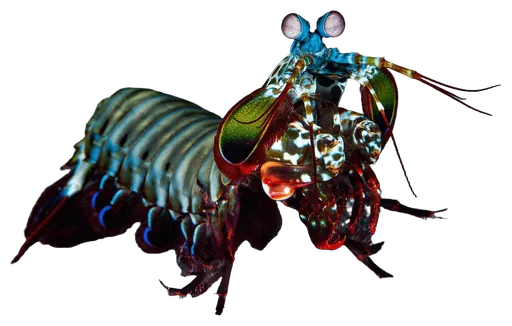
  L vs Mantis ShrimpWins · 52% · Toss-up
  W vs CoyoteWins · 50% · Toss-up
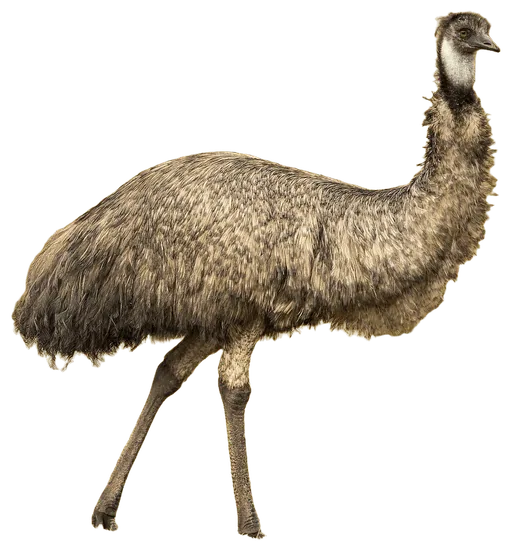
  W vs EmuWins · 50% · Toss-up
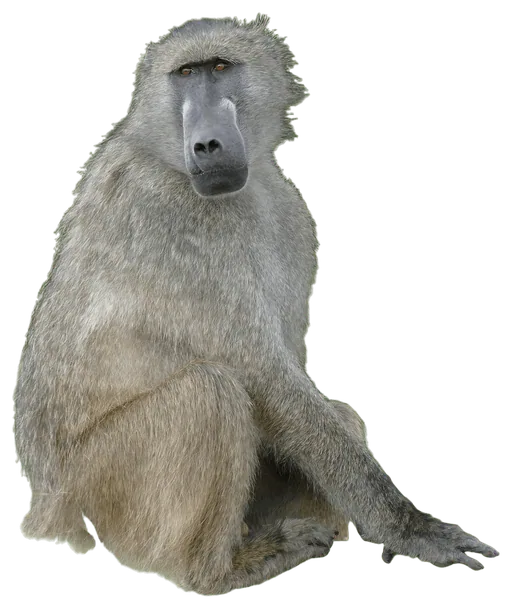
  W vs BaboonLoses · 50% · Toss-up
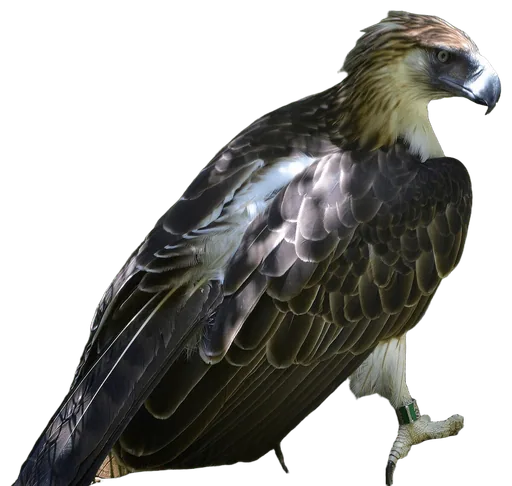
  L vs Philippine EagleWins · 50% · Toss-up
  W
W  Pick any opponent
 Arapaima battle analysis
In a warm, still Amazon lake at low water, the oxygen can run so low that most large fish cannot cope. The arapaima can. Every ten to twenty minutes it rises, gulps air with an audible splash and sinks again. Between breaths it hangs near the surface or among flooded trees, waiting for smaller fish to come close. Then its huge mouth opens so fast that water and prey rush in, and the prey is crushed against the toothed "bony tongue" and palate.
The arapaima's scales are one of the best-studied natural armors. Engineers testing them found a hard mineralized outer layer over a flexible base of collagen fibres stacked like plywood, and a piranha tooth driven into a scale broke before it could get through. Those scales let a large fish share its lakes with shoals of piranhas. They are not proof against everything: caimans share the same lakes, and a crushing crocodilian bite or a fisher's spear is a different problem from a piranha's cutting teeth.
In ABS terms the arapaima is a large, well-armored fish with modest weapons. Its Defense is solid because its armor is scientifically demonstrated, its Attack is low for its size because suction feeding does little to big opponents, and its Special reflects air breathing and remarkable parental care. Its story also includes one of conservation's success stories, as fishing communities that count the fish at their breathing rises have helped several populations recover.
Habitat & range
Arapaima live in the Amazon basin in Brazil, Peru and neighbouring countries, in floodplain lakes, slow rivers, flooded forest and swamps. Populations also occur in Guyana, and introduced populations exist outside South America, including in Indonesia where the species is considered invasive.
Diet & hunting
Adults are mainly piscivorous, taking other fish, and also eat crustaceans and occasionally birds, frogs, small mammals and plant matter. As one of the largest predators in floodplain lakes, the arapaima is itself hunted mainly by people; caimans also live in the same lakes.
Social life
Adults are usually solitary. During breeding a male and female pair, and the male guards the brood. Young fish school tightly around the guarding parent as rising water carries them into flooded forest or savanna.
Conservation
Arapaima gigas is listed as Data Deficient on the IUCN Red List. Overfishing has caused severe local declines in parts of the Brazilian Amazon, and a 2020 review called the species endangered in its native range in Brazil while invasive in Indonesia. Community-based management has produced striking recoveries: at the Mamirauá reserve, fishers counting arapaima at their breathing rises helped the population grow about nine-fold, from roughly 2,200 to 20,650 fish, between 1999 and 2006. Similar recoveries have been reported on the Juruá and Purus rivers.
Quick answers
How strong is an Arapaima?
On the Animal Battle Stats scale, the Arapaima has an attack rating of 42 and a power index of 51.8 out of 100, which ranks it #131 of 273 animals and puts it in C tier (Capable). Its strongest stat is special (66).
How much does an Arapaima weigh?
A typical adult Arapaima weighs about 100 kg (220 lb). Rated specimen: healthy mature large adult, 100.0 kg and 210.0 cm total length.
How fast is an Arapaima?
There is no reliable measured top speed for the Arapaima, so we do not publish one. Its agility rating, which covers acceleration, reflexes and evasion, is 55 out of 100.
What does an Arapaima eat?
Adults are mainly piscivorous, taking other fish, and also eat crustaceans and occasionally birds, frogs, small mammals and plant matter. As one of the largest predators in floodplain lakes, the arapaima is itself hunted mainly by people; caimans also live in the same lakes.
Is the Arapaima endangered?
The Arapaima's conservation status is Data Deficient. Arapaima gigas is listed as Data Deficient on the IUCN Red List. Overfishing has caused severe local declines in parts of the Brazilian Amazon, and a 2020 review called the species endangered in its native range in Brazil while invasive in Indonesia. Community-based management has produced striking recoveries: at the Mamirauá reserve, fishers counting arapaima at their breathing rises helped the p
What animals can beat an Arapaima?
Among its closest rivals, the Manatee (52%), the Baboon (50%) would be favored against the Arapaima. It would be favored against the Pufferfish, the Goliath Tigerfish, the Mantis Shrimp, the Coyote, the Emu, the Philippine Eagle.
Researched 2026-09-28. Ratings are editorial judgments built from these sources; measurements describe a healthy adult.
- FishBase, Arapaima gigas summarylength, weight
- Animal Diversity Web, Arapaima gigasbiology, diet, reproduction
- Britannica, pirarucusize, general biology
- National Geographic, arapaima factssize, air breathing
- Smithsonian National Zoo, ten facts about the arapaima (2024)general biology
- Meyers et al., Advanced Engineering Materials (2012), Arapaima versus Piranhascale armor
- Yang et al., Acta Biomaterialia (2014), protective role of arapaima scalesscale structure
- UC San Diego news, piranha-proof armorscale tests, fun fact
- Sherman et al., JMBBM (2017), comparative study of piscine defensescale armor context
- Seasonality and stress indicators in pirarucu, an Amazonian air-breathing fish (PMC)air breathing
- Cephalic fluid proteome during parental care (PMC)parental care, head secretion
- Castello et al., Environmental Management (2009), Mamirauá fisheries managementconservation, counting
- Campos-Silva and Peres, Scientific Reports (2016)recovery
- Petersen et al., Journal of Fish Biology (2016)recovery on the Purus
- Conservation paradox of giant arapaima, KMAE (2020)status, invasiveness
- ScienceDaily, new species of giant Amazonian fish (2013)taxonomy
- Recovery, conservation status and environmental effects on arapaima in Guyana (ResearchGate)range, status
Photo: “Arapaima gigas in Primorskiy Oceanarium (October 2024).jpg” by Vyacheslav Bukharov, CC BY-SA 4.0, background removed and cropped. Original
Suggest a correction