
Anaconda
Eunectes murinusB tier · Strong10th of 39 reptiles
Size & speed

- Weight
- 50 kg110 lb
- Length
- 4.5 m14.8 ft
About as heavy as a person
Heavier than 63% of animals2.6× a person's height
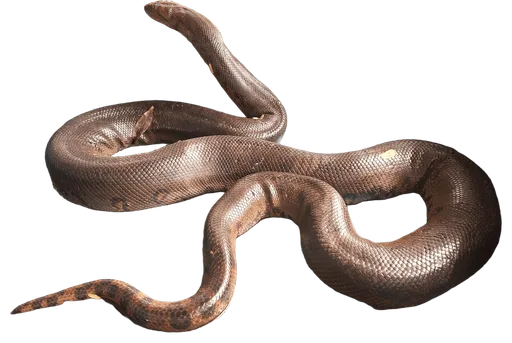
Bigger than 92% of animalsThe green anaconda is a heavyweight semi-aquatic constrictor built to turn one close-range mistake into a crushing grapple. A large adult female combines recurved prey-holding teeth, immense trunk musculature, aquatic camouflage and waterline ambush tactics. It is terrifying once its coils are established, but it lacks rigid armor, has limited open-ground mobility and depends heavily on securing first contact.
Detailed ratings
Research-backed ratings on one 0–100 scale for all 344 animals (updated 2026-09-27). How ratings work


Card No. 95 of 344. Every animal on Animal Battle Stats has one: its power, tier and archetype on the front; its six battle stats, abilities and signature move on the back.
Special abilities
After a secure bite, the anaconda can wrap multiple muscular loops around a target and repeatedly tighten them, converting close contact into circulatory/compressive incapacitation. The ability is powerful but requires successful positional control.
Dorsally placed eyes and nostrils, camouflage and semi-aquatic locomotion allow the snake to remain largely submerged before launching a short-range attack, giving it a major first-contact advantage in wetlands.
Unique traits
Green anacondas are among the heaviest living snakes, with females developing extraordinary girth and muscular mass relative to most serpents.
Extreme female-biased sexual size dimorphism means the adult female, not the male, is the physically dominant form and the correct ABS combat representative.
How it fights
Weapons
- The green anaconda is a nonvenomous ambush constrictor. It seizes with the mouth, rapidly loops the body around prey, and tightens the coils. Modern constrictor physiology shows that constriction is not merely passive “suffocation”; compression can rapidly compromise circulation. For ABS purposes, this is a highly matchup-dependent weapon: once several powerful coils are established around a vulnerable torso, the fight changes dramatically, but the snake first has to obtain and maintain that positional control.
Struggles vs
- No rigid armor
- Head and neck remain critical targets
- Poor ranged threat
- Strong dependence on getting the first secure hold
- Large body can be exposed to claws, tusks, horns, trampling or biting during an unsuccessful coil attempt
- Weight
- 50 kg110 lb
- Height
- No reliable measurement
- Length
- 4.5 m14.8 ft
- Top speed
- No reliable measurement
- Bite force
- No reliable measurement
- Lifespan
- 10 years
- Home biome
- Wetlands
- Lifestyle
- Mostly solitary, nocturnal
Rated specimen: Representative healthy adult female, because green anacondas have extreme female-biased sexual size dimorphism.
Fun facts
- The green anaconda is generally considered the heaviest living snake, even though the reticulated python can exceed it in length.
- Females are dramatically larger than males, one of the most striking examples of female-biased size dimorphism among snakes.
- Its eyes and nostrils sit high on the head, allowing it to monitor the surface while much of the body remains submerged.
- An anaconda’s bite is not the finale of its attack. It is often the anchor that lets the body establish the truly dangerous weapon: the coils.
- Individual spot patterns can help distinguish snakes, functioning as useful natural identification marks for researchers.
- Giant-anaconda folklore is full of poorly verified length claims. ABS should distinguish documented animals from stories.
Closest rivals by power. Tap one for the full breakdown, or pick any opponent.
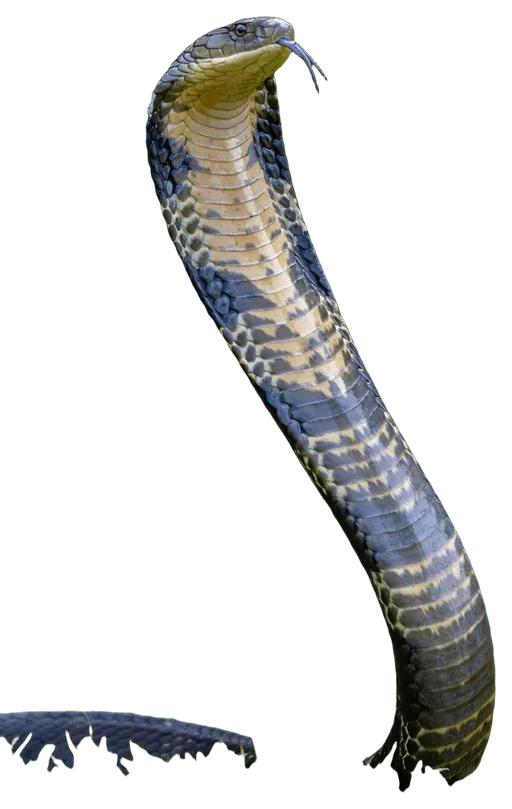
vs Green AnacondaLoses · 51% · Toss-up 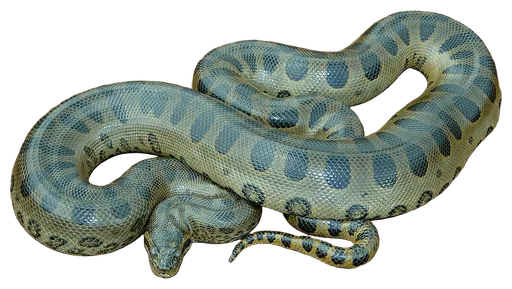 L vs King CobraWins · 62% · Slight edge
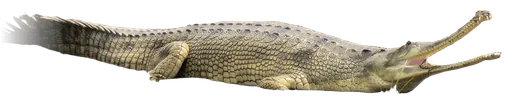
 W vs GharialLoses · 56% · Toss-up
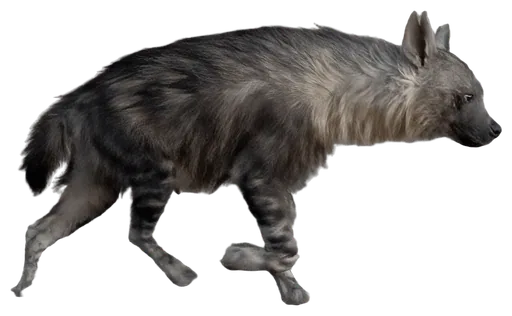
 L vs Brown HyenaWins · 51% · Toss-up
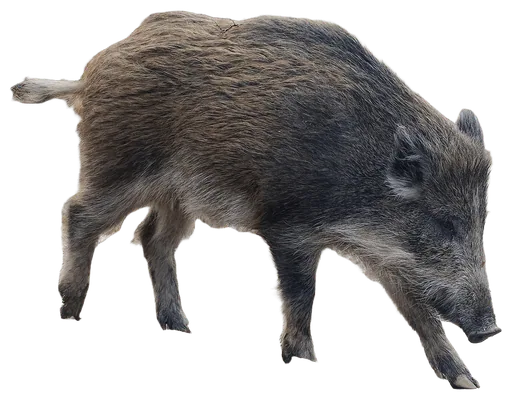
 W vs Wild BoarLoses · 54% · Toss-up
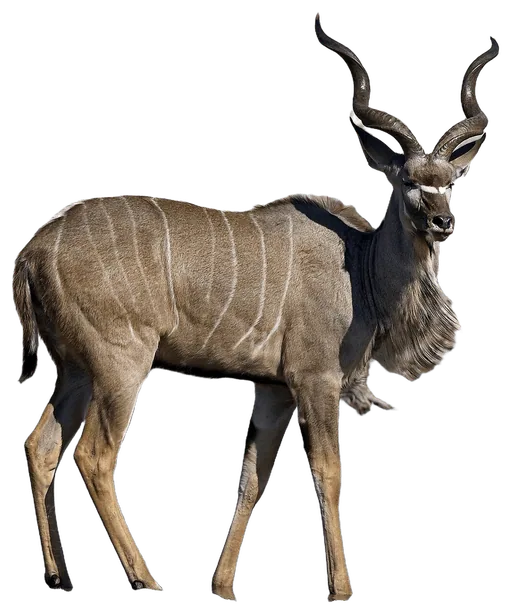
 L vs KuduLoses · 59% · Slight edge
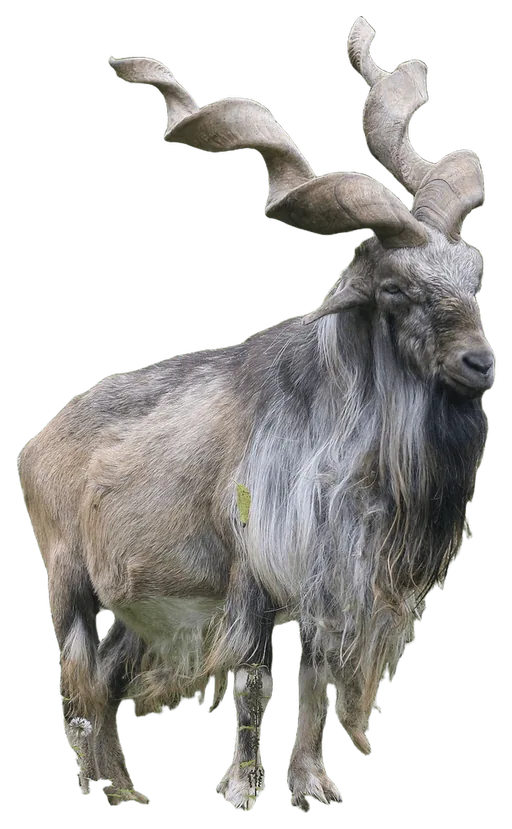
 L vs MarkhorLoses · 54% · Toss-up
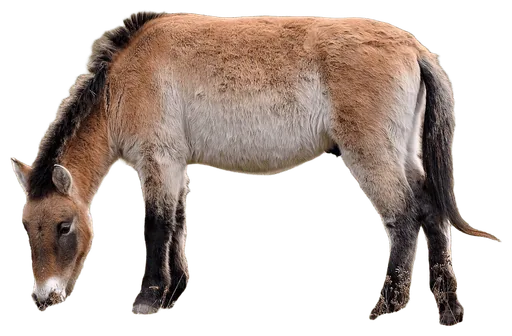
 L vs Wild HorseLoses · 61% · Slight edge
 L
Anaconda battle analysis
Anaconda fights are positional. The snake does not need claws, horns or venom because nearly its entire body is a weapon. From shallow water or dense cover, a green anaconda can expose little more than its eyes and nostrils, wait for an opponent to enter striking range, seize with recurved teeth and immediately begin wrapping. Each additional loop improves control and makes escape more difficult. Against an opponent near or below its own size that cannot effectively attack the head, this can become a losing spiral very quickly.
That strength is also the source of important limitations. A 4.5 m snake is long, but length is not the same as mass or armor. The representative ABS female is around 50 kg, placing her far below elephants, hippos, rhinos and other megafauna in absolute body scale. She also lacks the osteoderms of a crocodilian or the compact mobility of a cat. On dry open ground, an opponent that avoids the first strike can exploit the anaconda’s comparatively awkward repositioning. A failed coil can leave large sections of the body exposed to teeth, claws, horns or trampling.
Water changes the matchup. The anaconda becomes stealthier, better supported and harder for many terrestrial animals to read or maneuver against. Its dorsal eyes and nostrils are classic aquatic-ambush features, and its camouflage makes the first contact difficult to predict. This environment dependence is why ABS should not reduce the animal to a single “strong snake” stereotype. It is a specialized wetland grappler whose power spikes when terrain lets it force close contact.
Habitat & range
Tropical freshwater wetlands, swamps, shallow slow-moving rivers and streams, flooded grasslands and rainforest waterways. Green anacondas spend extensive time in or immediately beside water.
Traditionally described across northern/tropical South America, including major Amazon and Orinoco systems and adjacent wetlands. Exact species-level range boundaries should be revisited if ABS adopts the proposed E. akayima split.
Diet & hunting
Carnivorous. Depending on body size and opportunity, prey includes fish, birds, reptiles and mammals. Large individuals can tackle relatively large vertebrates, but viral stories about routine predation on humans are not representative.
Social life
Mostly solitary outside reproduction. Breeding can involve aggregations of multiple males around a female.
Conservation
Smithsonian currently presents the green anaconda as Least Concern, while older databases may show Not Evaluated. CITES lists anacondas in Appendix II. Taxonomic changes complicate older range-wide status summaries, so a future production pass should confirm the status under whichever species concept ABS adopts.
Quick answers
How strong is an Anaconda?
On the Animal Battle Stats scale, the Anaconda has an attack rating of 70 and a power index of 56.5 out of 100, which ranks it #95 of 344 animals and puts it in B tier (Strong). Its strongest stat is special (73).
How much does an Anaconda weigh?
A typical adult Anaconda weighs about 50 kg (110 lb). Rated specimen: Representative healthy adult female, because green anacondas have extreme female-biased sexual size dimorphism.
How fast is an Anaconda?
There is no reliable measured top speed for the Anaconda, so we do not publish one. Its agility rating, which covers acceleration, reflexes and evasion, is 45 out of 100.
What does an Anaconda eat?
Carnivorous. Depending on body size and opportunity, prey includes fish, birds, reptiles and mammals. Large individuals can tackle relatively large vertebrates, but viral stories about routine predation on humans are not representative.
Is the Anaconda endangered?
No. The Anaconda is listed as Least Concern. Smithsonian currently presents the green anaconda as Least Concern, while older databases may show Not Evaluated. CITES lists anacondas in Appendix II. Taxonomic changes complicate older range-wide status summaries, so a future production pass should confirm the status under whichever species concept ABS adopts.
What animals can beat an Anaconda?
Among its closest rivals, the Green Anaconda (51%), the Gharial (56%), the Wild Boar (54%), the Kudu (59%), the Markhor (54%), the Wild Horse (61%) would be favored against the Anaconda. It would be favored against the King Cobra, the Brown Hyena.
Researched 2026-09-27. Ratings are editorial judgments built from these sources; measurements describe a healthy adult male.
- Smithsonian’s National Zoo, Green anacondaTaxonomy, size maxima, habitat, range, lifespan, behavior, conservation
- Animal Diversity Web, Eunectes murinusDimorphism, anatomy, habitat, predation, defensive behavior
- Muséum national d’Histoire naturelleSex-specific broad length ranges, mass, lifespan, hunting
- Shedd AquariumAquatic ecology, prey, upper size, dragging prey into water
- Rivas et al. 2024, DiversityTaxonomy controversy
- Rivas et al. 2024, Diversity follow-upTaxonomy clarification, dimorphism
- Onary et al. 2025, Journal of Vertebrate PaleontologyCurrent taxonomy caveat
- Haddad & Duarte 2024Human interaction, persistence of constriction
- USGS Green Anaconda imageImage candidate
- Wikimedia Commons Eunectes murinus (1).jpgHigh-resolution image fallback
Photo: “Gioconda, Anaconda verde (Eunectes murinus) en Zoológico de Paraguaná, Punto fijo.jpg” by Faunaram, CC BY-SA 4.0, background removed and cropped. Original
Suggest a correction