
Alpaca
Vicugna pacosD tier · Underdog155th of 163 mammals
Size & speed

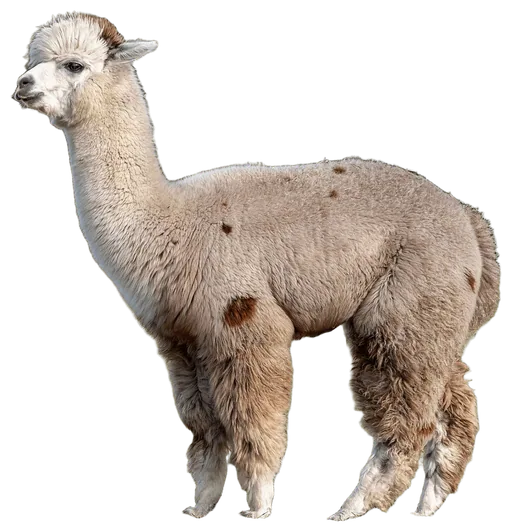
- Weight
- 65 kg143 lb
- Length
- 1.5 m4.9 ft
About as heavy as a person
Heavier than 68% of animalsAbout as long as a person is tall
Bigger than 61% of animalsThe alpaca (Vicugna pacos) is a domesticated South American camelid built for life in the high Andes. A mature male weighs roughly 65 kg and carries specialized fighting teeth over 3 cm long, but its normal survival strategy is vigilance and flight rather than lethal combat. Its standout feature is high-altitude physiology: alpaca blood has high oxygen affinity and supports effective function under chronic hypoxia. On the absolute ABS scale, this gives the alpaca respectable Stamina and a useful altitude-related Special ability while keeping Attack and Defense well below true predators and heavily armed herbivores.
Detailed ratings
Research-backed ratings on one 0–100 scale for all 344 animals (updated 2026-09-27). How ratings work


Card No. 298 of 344. Every animal on Animal Battle Stats has one: its power, tier and archetype on the front; its six battle stats, abilities and signature move on the back.
Special abilities
High-affinity hemoglobin and other oxygen-transport characteristics support effective function under chronic Andean hypoxia. In high-altitude matchups this can preserve performance while an opponent poorly suited to altitude experiences a greater oxygen penalty.
Alpacas can spit/regurgitate stomach contents as a social and defensive deterrent. It can foul the face, distract and discourage an opponent, but is not treated as corrosive damage or a lethal projectile.
Unique traits
Mature males develop elongated incisors/canines exceeding 3 cm, a sex-specific weapon that makes the adult male the correct ABS combat specimen.
Soft padded feet and a light camelid frame provide controlled movement on grazing and uneven highland terrain while reducing ground impact.
How it fights
Weapons
- Male fighting teeth. Mature males can develop elongated incisors/canines over 3 cm. These are used in male-male conflict and can cut/lacerate. Relative to the full ABS roster, however, a 65 kg herbivore with small fangs has limited absolute damage output compared with large carnivores, suids, great apes, crocodilians, or megafauna.
Beats
- Much smaller unarmored animals that cannot overcome its size/reach
- Opponents vulnerable to kicks or lacerations but unable to grapple effectively
- High-altitude matchups where hypoxia penalizes opponents poorly suited to altitude
Struggles vs
- Medium/large carnivores with grappling bites and claws
- Armored reptiles
- Large horned/antlered ungulates
- Heavy suids
- Great apes with large strength advantage
- Weight
- 65 kg143 lb
- Height
- 1 m3.3 ft
- Length
- 1.5 m4.9 ft
- Top speed
- No reliable measurement
- Bite force
- No reliable measurement
- Lifespan
- 20 years
- Home biome
- Mountains
- Lifestyle
- Social
Rated specimen: Healthy mature adult male, approximately 65 kg, fully grown and with developed fighting teeth.
Fun facts
- Alpacas are the smallest domesticated camelids.
- Genetic evidence strongly supports that alpacas were bred primarily from wild vicuñas.
- Adult males can grow fighting teeth more than 3 cm long.
- Their fleece occurs in many natural colors and is the principal reason for their domestication.
- Alpacas use a variety of vocalizations and body postures, including humming and alarm calls.
- Herds often use communal dung piles, concentrating waste away from much of their grazing area.
Closest rivals by power. Tap one for the full breakdown, or pick any opponent.
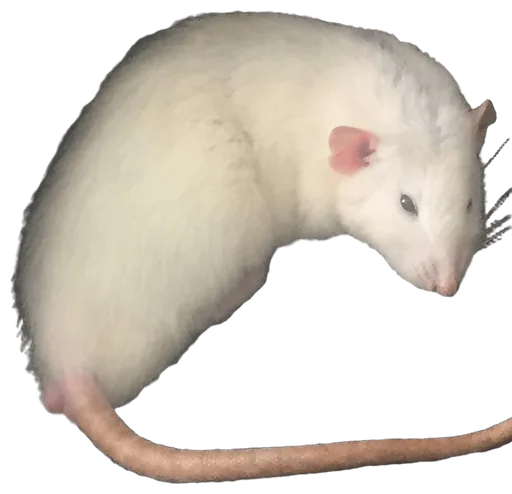
vs KoalaWins · 60% · Slight edge 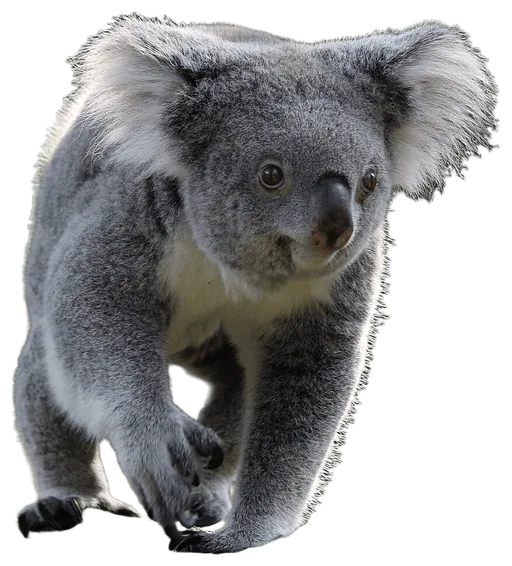 W vs Fancy RatWins · 75% · Clear edge
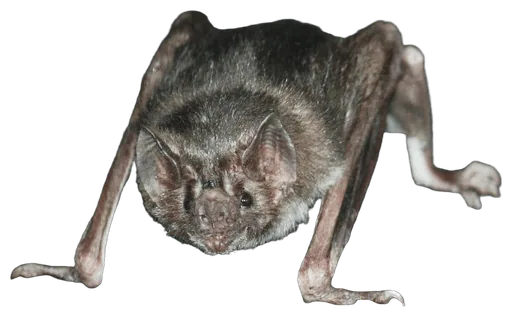
 W vs Vampire BatWins · 86% · Decisive
 W vs HedgehogWins · 71% · Clear edge
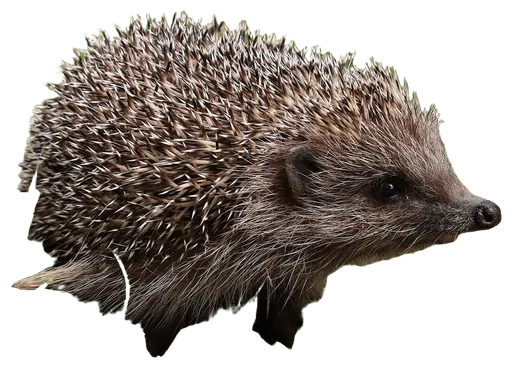 W vs QuokkaWins · 65% · Slight edge
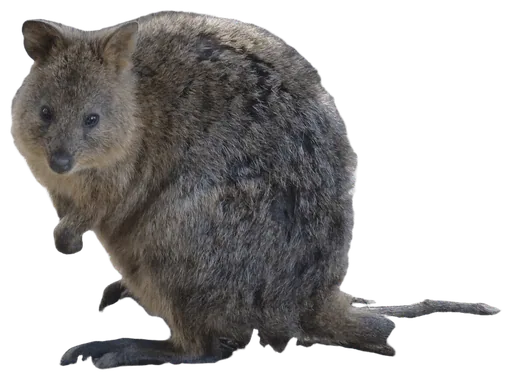 W vs ArmadilloWins · 65% · Slight edge
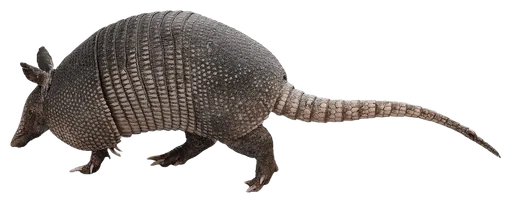 W vs ChinchillaWins · 76% · Clear edge
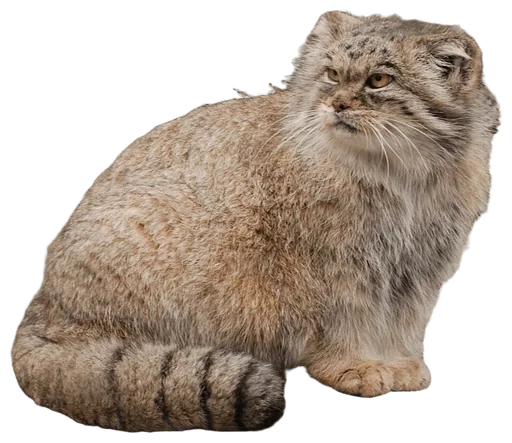
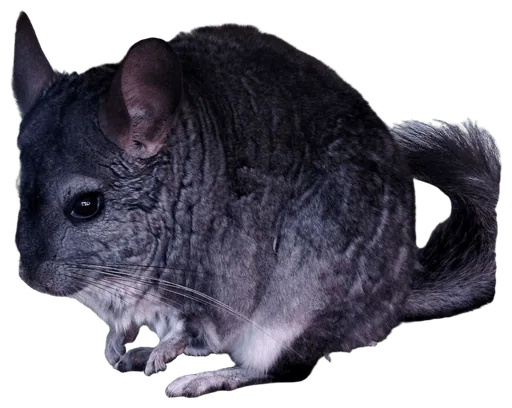 W vs Pallas's CatWins · 63% · Slight edge
 W
Alpaca battle analysis
The alpaca is easy to underestimate because its modern image is dominated by fleece farms and companion-animal settings. Biologically, however, it is a specialized domestic camelid bred through thousands of years of Andean pastoralism and at home in one of the world's most demanding high-altitude environments. Its body is relatively light, long-legged and covered in dense insulating fiber. This combination suits open highland grazing much better than close-quarters combat.
For ABS, the mature male is the most defensible combat specimen. Male alpacas possess a real sex-specific weapon: elongated fighting teeth formed by incisors and canines that can exceed 3 cm. These teeth can cut rivals and demonstrate that male-male conflict is not merely symbolic. Even so, the absolute battle scale matters. A 65 kg alpaca does not possess the jaw mechanics of a big cat, the grappling strength of a great ape, the horns of a large bovid, or the armor of a crocodilian. Fighting teeth improve its Weaponry, but they do not transform it into a high-tier killer.
Its defensive plan is even clearer. Smithsonian describes flight as the alpaca's principal defense. Excellent sight and hearing, herd alarm behavior, long legs and competent footing help it detect danger and leave before contact. Spitting adds a memorable deterrent. Alpaca spit can include regurgitated stomach contents, making it unpleasant and potentially distracting around the eyes and face. ABS should model this as disruption, not as acid damage. The animal still has little dedicated protection once a capable predator establishes a grip.
The most scientifically distinctive part of the profile is altitude physiology. Classic experimental work on alpacas found high hemoglobin oxygen affinity and relatively minor cardiorespiratory changes across altitude. Another study measured oxygen transport at sea level and 3,300 m and reported arterial saturation remaining above 90%, with only minor adjustments consistent with tissue and blood characteristics well suited to chronic hypoxia. This is a legitimate matchup-relevant trait. At high elevation an alpaca may retain useful performance better than an opponent with poor hypoxia tolerance. It does not mean the alpaca can sprint or fight indefinitely, so Stamina is strong rather than elite.
Behaviorally, alpacas are social, vigilant and trainable. They communicate through vocalizations and posture, form strong herd relationships and can learn routine husbandry behaviors. Those qualities justify moderate Senses and Intelligence, but there is no basis for giving them the tactical sophistication of coordinated predators, apes, elephants, cetaceans or corvids. Their social system is mainly defensive and reproductive rather than offensive.
Overall, the alpaca occupies a clear ABS niche: low-to-moderate absolute combat power, useful mobility, strong altitude endurance, good sensory vigilance, and two unusual biological tools in fighting dentition and spit. It should beat many tiny or fragile animals through sheer scale while losing decisively to similarly sized specialist predators and most larger armed mammals. That wide separation is exactly what the absolute 0.1-100.0 research scale is intended to preserve.
Habitat & range
The alpaca is a domestic high-Andean camelid traditionally kept in mountain grasslands, valleys and Altiplano/puna environments. Smithsonian describes traditional/domestic Andean settings, while modern alpacas are raised worldwide.
Historical/domestication center: Andes of Peru, Bolivia, Chile and neighboring Andean regions. Today: globally distributed in managed herds. Because alpacas are domesticated, a modern 'wild range' is misleading.
Diet & hunting
Strict grazer/herbivore in normal husbandry and traditional systems, feeding mainly on grasses and other vegetation. Alpacas are efficient users of sparse highland forage.
Social life
Highly social herd animals. Dominant males may maintain reproductive groups, while other management/social configurations include bachelor groups. Herd living improves vigilance and provides psychological/social stability.
Conservation
Domesticated / not meaningfully assessed like a wild species. Some zoo pages map alpacas into IUCN-style categories inconsistently, but production ABS should avoid presenting a normal wild-species Red List status without qualification. The domestic population is widespread and not threatened in the sense of a wild endangered taxon.
Quick answers
How strong is an Alpaca?
On the Animal Battle Stats scale, the Alpaca has an attack rating of 25 and a power index of 36.5 out of 100, which ranks it #298 of 344 animals and puts it in D tier (Underdog). Its strongest stat is stamina (60).
How much does an Alpaca weigh?
A typical adult Alpaca weighs about 65 kg (143 lb). Rated specimen: Healthy mature adult male, approximately 65 kg, fully grown and with developed fighting teeth.
How fast is an Alpaca?
There is no reliable measured top speed for the Alpaca, so we do not publish one. Its agility rating, which covers acceleration, reflexes and evasion, is 47 out of 100.
What does an Alpaca eat?
Strict grazer/herbivore in normal husbandry and traditional systems, feeding mainly on grasses and other vegetation. Alpacas are efficient users of sparse highland forage.
Is the Alpaca endangered?
The Alpaca's conservation status is Domesticated. Domesticated / not meaningfully assessed like a wild species. Some zoo pages map alpacas into IUCN-style categories inconsistently, but production ABS should avoid presenting a normal wild-species Red List status without qualification. The domestic population is widespread and not threatened in the sense of a wild endangered taxon.
What animals can beat an Alpaca?
The Alpaca is favored against all of its closest rivals, including the Koala, the Fancy Rat, the Vampire Bat, the Hedgehog, the Quokka, the Armadillo, the Chinchilla, the Pallas's Cat.
Researched 2026-09-27. Ratings are editorial judgments built from these sources; measurements describe a healthy adult male.
Photo: “Dülmen, Börnste, Alpakas -- 2020 -- 5462.jpg” by Dietmar Rabich, CC BY-SA 4.0, background removed and cropped. Original
Suggest a correction