

Alligator Snapping Turtle
Macrochelys temminckii
 #135 of 273
  Wetlands Ambush Predator Endangered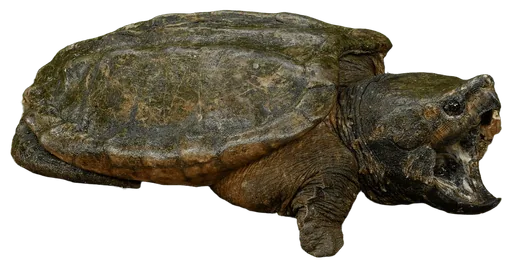
 Fight
FightPhoto: Chad Wallis · CC BY 4.0
The alligator snapping turtle is North America's heaviest freshwater turtle and a patient ambush specialist. A 45 kg adult male lies still on the river bottom, wriggles a worm-shaped lure on its tongue and snaps its huge hooked beak shut on anything that comes close. Its ridged shell is strong armor, but it is very slow and can only hurt what comes within reach of its head.
 Attack55
  Defense64
  Agility28
  Stamina45
  Intelligence38
  Special68
 Detailed ratings
Research-backed ratings on one 0–100 scale for all 273 animals (updated 2026-09-28). How ratings work
Special abilities
Ability 1Tongue-Worm LureA pink, worm-like appendage on the floor of the mouth is wriggled while the turtle lies still with its jaws open. Fish swim into the mouth to investigate and the jaws snap shut. In battle this lets it strike first at anything that approaches its head.
 Ability 2Beak-Trap Bite
A massive head and hooked beak deliver a bite measured stronger than the common snapping turtle's at every body size. It punishes any opponent that puts a limb, head or snout within reach.
Unique traits
 TraitRidged River Fortress
A thick carapace with three rows of raised keels gives it the look of a spiked boulder and strong protection from above.
TraitNorth America's Heaviest Freshwater TurtleAdult males can exceed 90 kg, with record weights above 110 kg, far larger than any other freshwater turtle on the continent.
How it fights
Weapons
- The main weapon is a massive head with a hooked beak and powerful jaw muscles. The turtle lies still on the bottom with its mouth open and wriggles a pink, worm-like appendage on the floor of its mouth. When a fish investigates the lure, the jaws snap shut. The same bite is used on other turtles, molluscs and occasional mammals. Measured bite forces exceed those of the common snapping turtle at every size, and a 45 kg male bites far harder than the 12 kg common snapper on the roster. The weakness is delivery: the bite reaches only what comes within range of the head.
 Struggles vs
- Very slow whole-body movement on land and in water.
- Small plastron and exposed head, limbs and tail.
- Offense depends entirely on the opponent coming within reach.
- Limited sustained high-output effort.
- Almost no tactical options beyond ambush and defensive biting.
- Weight
- 45 kg99 lb
- Height
- No reliable measurement
- Length
- 58 cm22.8 in
- Top speed
- No reliable measurement
- Bite force
- No reliable measurement
- Lifespan
- No reliable measurement
- Home biome
- Wetlands
- Lifestyle
- Mostly solitary
Rated specimen: Healthy mature adult male, 45.0 kg with a 58.0 cm straight carapace length, representing a large prime male rather than a record animal.
Fun facts
- Its tongue lure is the only prey-catching lure inside the mouth of any living reptile.
- Newly hatched turtles already use the lure; experiments described a four-phase hunt of waiting, luring, attack and handling.
- A 2023 study measured the bites of 62 alligator snapping turtles and found they out-bite common snapping turtles at every size.
- Record weights above 110 kg make it one of the heaviest freshwater turtles in the world.
- Nesting females are usually the only adults that ever come onto land.
- Algae growing on its ridged shell helps it look like a mossy rock or log.
Closest rivals by power. Tap one for the full breakdown, or pick any opponent.
vs Indian CobraWins · 50% · Toss-up 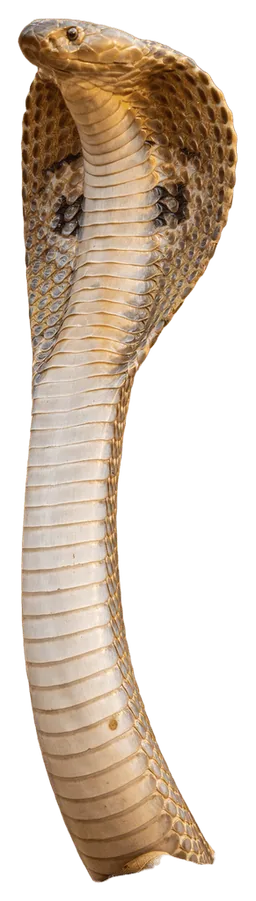 W vs Eastern Brown SnakeLoses · 51% · Toss-up
 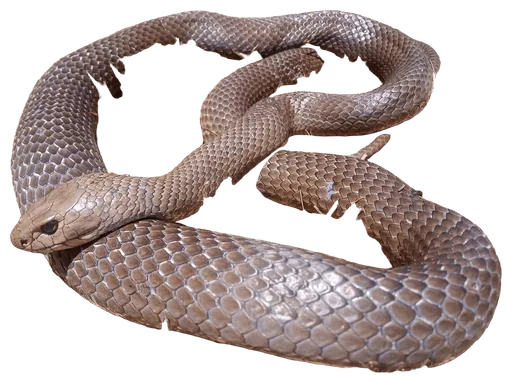 L vs Inland TaipanLoses · 51% · Toss-up
  L vs Galapagos TortoiseLoses · 51% · Toss-up
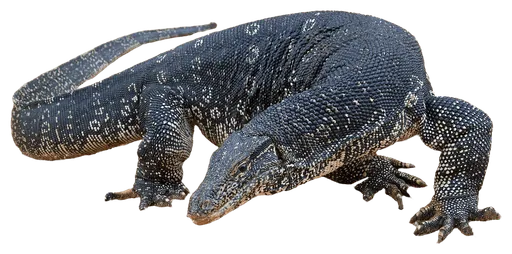
 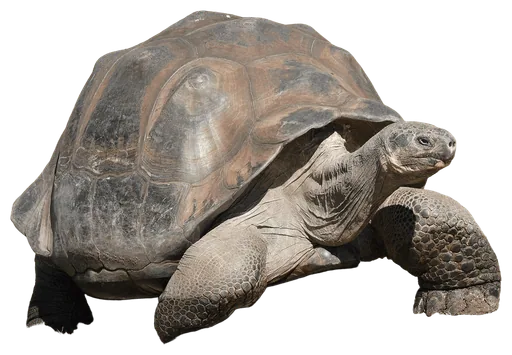 L vs Monitor LizardLoses · 52% · Toss-up
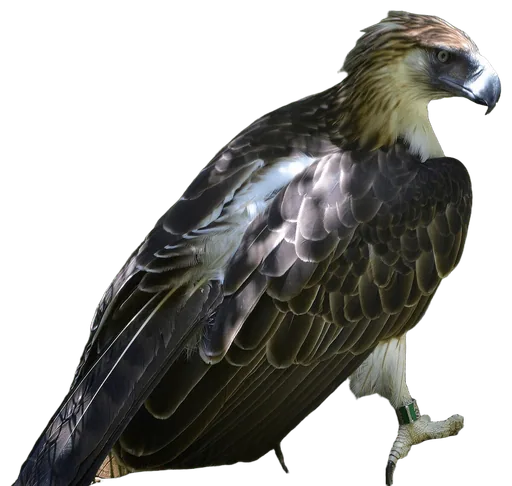
  L vs Philippine EagleWins · 50% · Toss-up
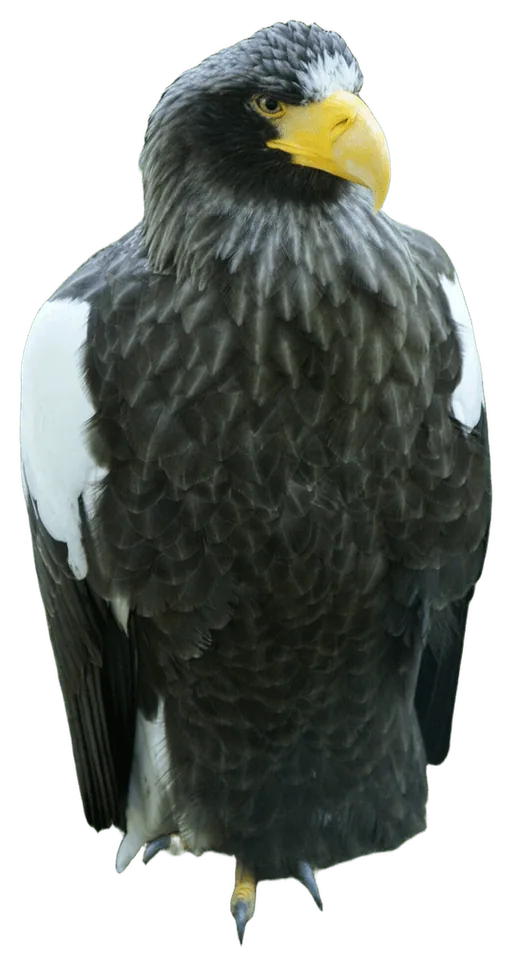
  W vs Steller's Sea EagleWins · 50% · Toss-up
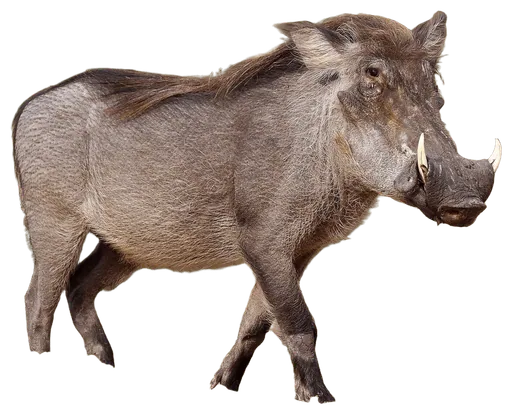
  W vs WarthogWins · 50% · Toss-up
  W
W  Pick any opponent
 Alligator Snapping Turtle battle analysis
On the bottom of a muddy southern river, a large alligator snapping turtle can pass for a log or a rock. Algae coats the three ridged rows of its shell, and it may not move for long stretches. Its mouth hangs open, and on the floor of that mouth a pink, worm-shaped appendage twitches. When a fish comes to inspect the "worm", the jaws close faster than the fish can turn.
That ambush is the whole fighting style. The head is huge, the beak is sharply hooked, and bite tests on 62 animals showed that alligator snapping turtles out-bite common snapping turtles at every size. A big male weighs several times as much as the common snapper on the roster, so the bite is correspondingly more dangerous. The shell adds real protection from above, but the plastron is small, the head cannot be pulled in, and the animal is very slow. An opponent that avoids the front of the head and attacks from the side, or simply walks away, faces little danger.
In ABS terms the alligator snapping turtle is an armored close-range trap. It earns solid Attack and good Defense, a low Agility score and modest Stamina and Intelligence. Its Special is high because the tongue lure is a genuine one-of-a-kind hunting mechanism. The species is now Endangered, and much of its recent history has been shaped by harvest for meat.
Habitat & range
Alligator snapping turtles live in large rivers, oxbow lakes, bayous, swamps and reservoirs in the Mississippi River basin and neighbouring Gulf of Mexico drainages of the south-central and southeastern United States, north to Indiana. Radio-tracked adults preferred areas with submerged cover combined with a high percentage of overhead canopy.
Diet & hunting
The diet is broad. Studies from Arkansas and Louisiana and species accounts list fish, molluscs and other turtles, especially musk turtles, as frequent prey, along with plant food such as acorns. Medium-sized mammals, including opossums, raccoons and armadillos, are taken occasionally.
Social life
Solitary. Adults do not form groups, and contact between individuals is mainly during mating.
Conservation
The species is listed as Endangered on the IUCN Red List (2025 assessment), based on a population reduction of at least 50% over three generations. Threats named in the assessment summary include pollution, residential and commercial development, climate change, and invasive species and diseases; historical harvest for meat also reduced many populations. In the United States, the Fish and Wildlife Service proposed listing it as threatened under the Endangered Species Act in 2021; the Suwannee species was listed as threatened in 2024. The final rule for M. temminckii was still pending in the sources found in this run.
Quick answers
How strong is an Alligator Snapping Turtle?
On the Animal Battle Stats scale, the Alligator Snapping Turtle has an attack rating of 55 and a power index of 51.6 out of 100, which ranks it #135 of 273 animals and puts it in C tier (Capable). Its strongest stat is special (68).
How much does an Alligator Snapping Turtle weigh?
A typical adult Alligator Snapping Turtle weighs about 45 kg (99 lb). Rated specimen: healthy mature adult male, 45.0 kg with a 58.0 cm straight carapace length, representing a large prime male rather than a record animal.
How fast is an Alligator Snapping Turtle?
There is no reliable measured top speed for the Alligator Snapping Turtle, so we do not publish one. Its agility rating, which covers acceleration, reflexes and evasion, is 28 out of 100.
What does an Alligator Snapping Turtle eat?
The diet is broad. Studies from Arkansas and Louisiana and species accounts list fish, molluscs and other turtles, especially musk turtles, as frequent prey, along with plant food such as acorns. Medium-sized mammals, including opossums, raccoons and armadillos, are taken occasionally.
Is the Alligator Snapping Turtle endangered?
The Alligator Snapping Turtle's conservation status is Endangered. The species is listed as Endangered on the IUCN Red List (2025 assessment), based on a population reduction of at least 50% over three generations. Threats named in the assessment summary include pollution, residential and commercial development, climate change, and invasive species and diseases; historical harvest for meat also reduced many populations. In the United States, the Fish and Wildlife
What animals can beat an Alligator Snapping Turtle?
Among its closest rivals, the Eastern Brown Snake (51%), the Inland Taipan (51%), the Galapagos Tortoise (51%), the Monitor Lizard (52%) would be favored against the Alligator Snapping Turtle. It would be favored against the Indian Cobra, the Philippine Eagle, the Steller's Sea Eagle, the Warthog.
Researched 2026-09-28. Ratings are editorial judgments built from these sources; measurements describe a healthy adult male.
- Indiana DNR, Alligator Snapping Turtledimorphism, size
- Animal Diversity Web, Macrochelys temminckiidiet, habitat, home range, nesting
- Johnston et al., Chelonian Conservation and Biology (2015)size reference
- Wikipedia, Alligator snapping turtlerecords, bite figure, population means
- Bite-force scaling in alligator and common snapping turtles, Southeastern Naturalist (2023)bite force
- Luring in the neonate alligator snapping turtle (ResearchGate)lure behavior, senses
- Wikipedia, Lingual luringuniqueness of lure
- Food habits of alligator snapping turtles from Arkansas and Louisiana (ResearchGate)diet
- National Wildlife Federation species guidediet breadth
- IUCN Red List assessment, Macrochelys temminckii (2025), ResearchGate recordconservation
- Federal Register, proposed threatened status (2021)U.S. legal status
- U.S. Fish & Wildlife Service species pagestatus, range
- USFWS, Suwannee alligator snapping turtle listing (2024)taxonomy and status
- Florida Fish and Wildlife Conservation Commissionhabitat, protection
- GPS transmitters to monitor alligator snapping turtles (USFS)movement
Photo: “Alligator Snapping Turtle - Flickr - chadwallis89.jpg” by Chad Wallis, CC BY 4.0, background removed and cropped. Original
Suggest a correction