
Alligator
Alligator mississippiensisA tier · Elite4th of 39 reptiles
Size & speed

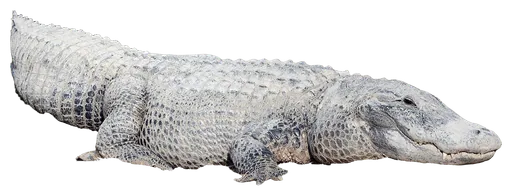
- Weight
- 200 kg441 lb
- Length
- 3.5 m11.5 ft
As heavy as 2.9 people
Heavier than 79% of animals2× a person's height
Bigger than 88% of animalsThe American alligator is a heavily armored freshwater ambush predator built around one of the strongest directly measured bites in the living animal world. A large adult male combines a 3.5 m body, crushing jaws, dozens of replaceable teeth, pressure-sensitive facial organs and a muscular tail that powers both aquatic acceleration and rotational prey handling. Its greatest advantages appear at close range and near water, while ectothermy and relatively limited dry-land endurance prevent it from dominating prolonged pursuits.
Detailed ratings
Research-backed ratings on one 0–100 scale for all 344 animals (updated 2026-09-27). How ratings work


Card No. 35 of 344. Every animal on Animal Battle Stats has one: its power, tier and archetype on the front; its six battle stats, abilities and signature move on the back.
Special abilities
After securing a bite, the alligator can rotate its body to tear, destabilize or dismember a target. The maneuver converts whole-body torque and aquatic leverage into damage beyond the initial bite.
Facial integumentary sensory organs detect minute disturbances at the water surface, allowing accurate prey localization even when visibility is poor and only a small portion of the head is exposed.
Unique traits
Bony plates embedded beneath the dorsal scales reinforce the back and turn the animal's upper surface into meaningful natural armor.
Extremely powerful jaw closure is paired with a tooth arrangement built to seize and retain prey, making successful first contact unusually difficult to escape.
How it fights
Weapons
- The jaws are the dominant weapon. Direct in-vivo experiments place large American alligators among the most powerful measured biters. A successful bite combines puncture, crushing and a secure hold. The conical teeth are well suited to gripping prey, and replacement teeth reduce the lifetime cost of breakage and wear.
Beats
- Similar-sized animals forced to approach the waterline
- Soft-bodied targets vulnerable to a crushing bite
- Opponents that cannot quickly escape a clinch
- Animals with weak aquatic mobility
Struggles vs
- Much larger megafauna that can absorb or punish a failed bite
- Highly mobile terrestrial opponents that can avoid the head and attack vulnerable limbs/flanks
- Endurance specialists in a prolonged dry-land engagement
- Heavily armored opponents that reduce tooth penetration while retaining superior reach or mass
- Weight
- 200 kg441 lb
- Height
- No reliable measurement
- Length
- 3.5 m11.5 ft
- Top speed
- No reliable measurement
- Bite force
- No reliable measurement
- Lifespan
- 50 years
- Home biome
- Wetlands
- Lifestyle
- Mostly solitary, nocturnal
Rated specimen: Healthy, mature adult male, representative rather than record-sized.
Fun facts
- Large alligators have produced some of the strongest directly measured bites among living animals.
- An alligator carries roughly 74-80 teeth at a time but may replace teeth thousands of times over its life.
- The tail makes up about half of total body length.
- Facial sensory organs can detect tiny water-surface disturbances while the animal waits almost completely submerged.
- Adult males are dramatically larger than females, making sex selection important for ABS combat scaling.
- The species went from severe historical decline to a population estimated by USFWS at nearly five million in the U.S. Southeast by 2026.
Closest rivals by power. Tap one for the full breakdown, or pick any opponent.
vs NarwhalLoses · 60% · Slight edge 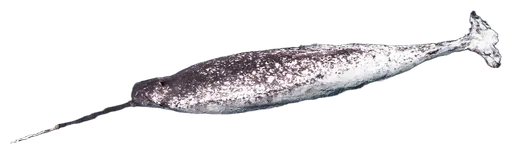 L vs Cape BuffaloLoses · 57% · Toss-up
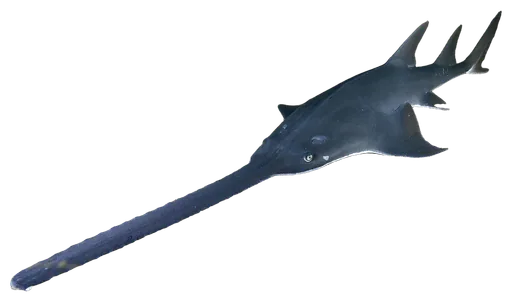
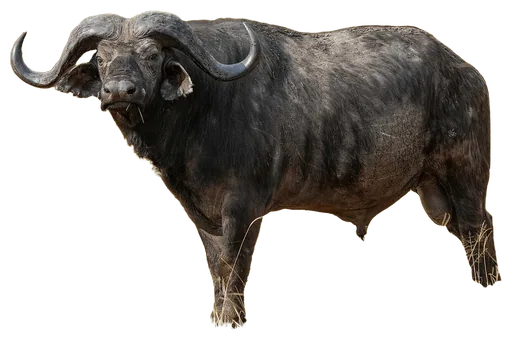 L vs SawfishLoses · 53% · Toss-up
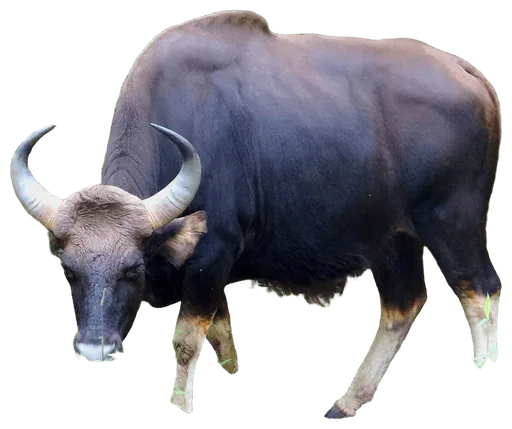
 L vs GaurLoses · 60% · Slight edge
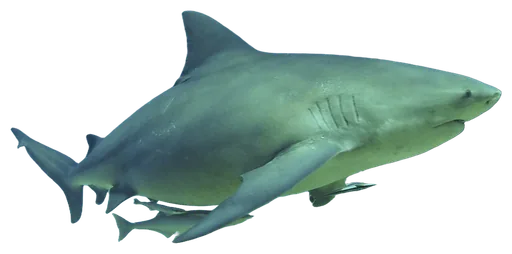
 L vs Bull SharkWins · 54% · Toss-up
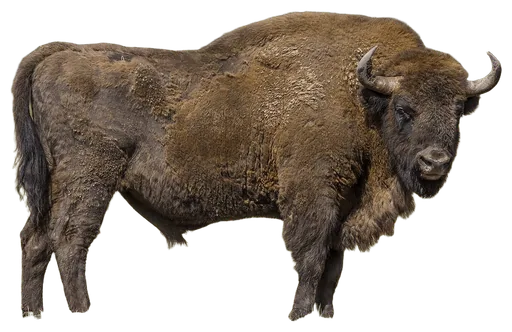
 W vs BisonLoses · 58% · Slight edge
 L vs Black CaimanLoses · 55% · Toss-up
 L vs Oceanic Whitetip SharkWins · 51% · Toss-up
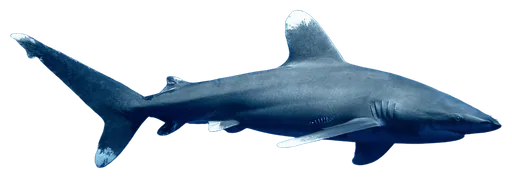 W
Alligator battle analysis
The American alligator is less a pursuit predator than a biological trap. A mature bull can spend long periods nearly invisible at the waterline, exposing little more than its eyes, nostrils and the armored roof of its head. This posture is not passive in the sensory sense. Specialized receptors around the jaws detect minute disturbances in surrounding water, helping the animal locate movement even when darkness, vegetation or muddy water makes vision unreliable. When a target enters range, the alligator's entire combat design shifts from patience to sudden violence.
The jaws are the centerpiece. Unlike many popular animal statistics, alligator bite force has been measured directly across animals of different sizes. Experimental work demonstrates an enormous increase in bite force with growth, reaching many thousands of newtons in large adults. This gives the alligator a crushing clinch capable of breaking hard prey such as turtle shells and securing mammals that would be difficult for a less powerful predator to hold. Once the teeth have purchase, the alligator can use its mass, neck, tail and whole-body rotation to turn a bite into tearing and destabilization.
Its defensive design complements this offense. The back is reinforced by osteoderms beneath thick scales, and the animal's low body profile reduces the number of easy attack angles available to an opponent approaching from above. The tradeoff is specialization. Short limbs and an ectothermic metabolism are excellent for a predator that waits, bursts, grips and conserves energy, but they are inferior to the repeated acceleration and aerobic pursuit capacity of wolves, wild dogs or other cursorial mammals. An alligator dragged into a long dry-land contest loses much of what makes it formidable.
This environmental dependence is essential to fair ABS scaling. In shallow freshwater, a 200 kg adult male can use concealment, buoyancy, tail propulsion and the possibility of dragging an opponent into deeper water. On open dry ground, the same animal retains its dangerous bite and armor but loses much of its mobility advantage. The correct ABS interpretation is therefore neither an invincible armored tank nor a slow animal helpless outside water. It is a powerful specialist whose attack and defense remain high in absolute terms while agility and stamina are much more conditional.
The species is also ecologically more complex than its combat reputation suggests. Alligators shape wetlands by digging and maintaining water-filled depressions, show parental care, communicate with powerful bellows, and alter movement according to season, temperature and breeding condition. Their recovery from severe twentieth-century decline into a widespread managed population is one of the clearest conservation success stories in North American wildlife management.
Habitat & range
Freshwater lakes, marshes, swamps, slow-moving rivers, ponds and canals. They may enter brackish water but tolerate saltwater only briefly because they lack functional salt glands comparable to marine-tolerant crocodiles.
Native to the southeastern United States, from North Carolina through the Gulf and Atlantic coastal plain to Florida and west into Texas, with inland populations in suitable wetland systems.
Diet & hunting
Carnivorous and strongly size-dependent. Young animals focus on insects, crustaceans, amphibians and small fish. Adults take larger fish, turtles, snakes, water birds and mammals. Opportunism is a major ecological strength.
Social life
Mostly solitary outside reproductive and localized aggregations. Adult males can use large home ranges and expand movement during breeding season. Vocal signaling, including deep bellows, plays a major role in reproduction and territorial communication.
Conservation
The American alligator is one of the United States' best-known conservation recoveries. Heavy hunting and habitat loss drove severe declines, but legal protection and state/federal management allowed recovery. U.S. Fish and Wildlife Service states that the species recovered sufficiently by 1987 to no longer require endangered/threatened status for its own population, although it remains regulated under the ESA because of similarity of appearance to other protected crocodilians and is listed in CITES Appendix II. In 2026, USFWS estimated nearly five million American alligators in the southeastern United States.
Quick answers
How strong is an Alligator?
On the Animal Battle Stats scale, the Alligator has an attack rating of 84 and a power index of 67 out of 100, which ranks it #35 of 344 animals and puts it in A tier (Elite). Its strongest stat is attack (84).
How much does an Alligator weigh?
A typical adult Alligator weighs about 200 kg (441 lb). Rated specimen: Healthy, mature adult male, representative rather than record-sized.
How fast is an Alligator?
There is no reliable measured top speed for the Alligator, so we do not publish one. Its agility rating, which covers acceleration, reflexes and evasion, is 49 out of 100.
What does an Alligator eat?
Carnivorous and strongly size-dependent. Young animals focus on insects, crustaceans, amphibians and small fish. Adults take larger fish, turtles, snakes, water birds and mammals. Opportunism is a major ecological strength.
Is the Alligator endangered?
The Alligator's conservation status is Endangered. The American alligator is one of the United States' best-known conservation recoveries. Heavy hunting and habitat loss drove severe declines, but legal protection and state/federal management allowed recovery. U.S. Fish and Wildlife Service states that the species recovered sufficiently by 1987 to no longer require endangered/threatened status for its own population, although it remains regulated
What animals can beat an Alligator?
Among its closest rivals, the Narwhal (60%), the Cape Buffalo (57%), the Sawfish (53%), the Gaur (60%), the Bison (58%), the Black Caiman (55%) would be favored against the Alligator. It would be favored against the Bull Shark, the Oceanic Whitetip Shark.
Researched 2026-09-27. Ratings are editorial judgments built from these sources; measurements describe a healthy adult male.
- Smithsonian National Zoo, American alligatorAdult male length, dimorphism, lifespan, teeth, habitat
- Florida Fish and Wildlife Conservation Commission, Alligator FactsSize records, reproduction, diet
- FWC American Alligator profileArmor, habitat, diet, activity
- Animal Diversity Web, Alligator mississippiensisGrowth, mass, length, dimorphism, tail proportion
- Erickson, Lappin & Vliet, ontogeny of bite forceDirect bite-force measurements
- Erickson et al., captive vs wild bite forceWild/captive bite performance
- Sellers et al., validated alligator bite modelValidation/context for bite biomechanics
- Reilly & Elias 1998, locomotionTerrestrial gait mechanics
- Soares 2002, NatureFacial pressure receptors
- Leitch & Catania / crocodylian sensory-organ workIntegumentary sensory biology
- Uriona & Farmer 2008Aquatic pitch/control mechanics
- U.S. Fish & Wildlife Service 2026Recovery, abundance, CITES/management
- University of Florida IFAS, Living with AlligatorsLarge-male size context and ecology
- Wikimedia Commons / USFWS imageImage candidate
Photo: “Crocodiles in Hamat Gader 02.jpg” by Staselnik, CC BY-SA 3.0, background removed and cropped. Original
Suggest a correction