
African Lion
Panthera leoB tier · Strong42nd of 163 mammals
Size & speed

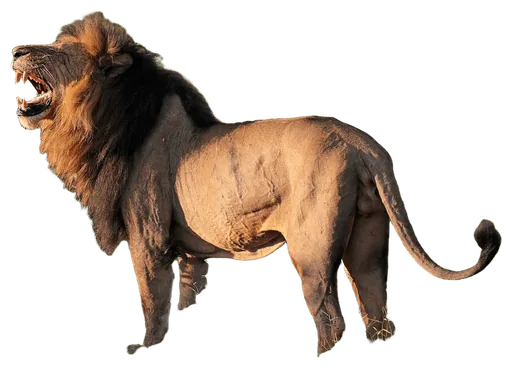
- Weight
- 190 kg419 lb
- Length
- 2.1 m6.9 ft
- Top speed
- 53 km/h33 mph
As heavy as 2.7 people
Heavier than 78% of animalsAbout as long as a person is tall
Bigger than 74% of animalsFaster than Usain Bolt (44.7 km/h)
Faster than 62% of animalsThe African Lion is a powerful social big cat built for explosive close-range combat. A mature male combines roughly 190 kg of muscular mass with large canines, retractile claws, strong forelimbs and extensive experience confronting dangerous rivals. Lions are tactically sophisticated ambush predators and unusually social for cats, but they lack heavy armor and are not endurance specialists. Their mane is best treated as a signal of male quality and intimidation rather than proven protective armor.
Detailed ratings
Research-backed ratings on one 0–100 scale for all 344 animals (updated 2026-09-27). How ratings work


Card No. 71 of 344. Every animal on Animal Battle Stats has one: its power, tier and archetype on the front; its six battle stats, abilities and signature move on the back.
Special abilities
The lion combines a short explosive rush with powerful forelimbs, retractile claws and body-weight control to seize and destabilize an opponent before applying a killing bite. This represents the real integrated mechanics of large-prey capture rather than a fictional damage boost.
Male lions have unusually strong social combat experience for a felid, forming coalitions, assessing rivals and coordinating territorial pressure. In a one-on-one ABS fight this does not summon allies; it represents battle-relevant tactical behavior, communication and rival assessment.
Unique traits
Adult males routinely compete for pride tenure and territory against similarly armed rivals, giving the canonical specimen unusually direct intraspecific combat experience.
The mane visually enlarges the male and communicates condition/intimidation. Darker and more developed manes correlate with aspects of male quality, but the trait must not be treated as proven neck armor.
How it fights
Weapons
- Canine bite and jaw grip. Lions seize large prey with the jaws and use sustained gripping/suffocation mechanics in kills.
- Forelimb power and claws. Powerful shoulders, forelegs and retractile claws can strike, hook, destabilize and hold prey or rivals.
- Body mass and wrestling strength. A 190 kg male can use its whole body in grappling and takedowns.
- Coalition behavior. In natural territorial conflict, male lions often cooperate. ABS individual battles should not grant extra bodies, but coordination experience supports Tactics and Intelligence.
Beats
- Similar or smaller terrestrial mammals lacking heavy armor or dangerous anti-predator weapons
- Medium predators that cannot match its combination of mass, forelimb control and bite
- Prey-sized animals vulnerable to grappling and suffocation mechanics
- Opponents that depend on fleeing rather than standing and counterattacking
Struggles vs
- Multi-tonne megaherbivores such as prime adult elephants, hippos and rhinos
- Heavily armored animals whose vital areas are difficult to access
- Large aquatic predators in deep water
- Opponents with long horns/tusks or crushing weapons that can punish a frontal grapple
- Much larger extinct predators and marine giants
- Weight
- 190 kg419 lb
- Height
- 1.15 m3.8 ft
- Length
- 2.1 m6.9 ft
- Top speed
- 53 km/h33 mph
- Bite force
- No reliable measurement
- Lifespan
- 12 years
- Home biome
- Savanna
- Lifestyle
- Social
Rated specimen: ABS should model a healthy mature adult African male lion.
Fun facts
- Lions are the most social living cats.
- Adult males often form coalitions with brothers or other relatives and cooperate in territorial competition.
- A lion's roar can carry for several miles and functions in long-distance territorial and social communication.
- Male mane darkness is associated with biological condition and intimidation, but research does not support the popular assumption that the mane is primarily protective armor.
- A male lion can consume an enormous meal at once; San Diego Zoo notes roughly a quarter of body weight is possible in a large feeding event.
- Lions spend much of the day resting and rely on short explosive attacks rather than cheetah-like maximum sprint specialization or canid-like endurance pursuit.
Closest rivals by power. Tap one for the full breakdown, or pick any opponent.
vs Bactrian CamelLoses · 57% · Toss-up 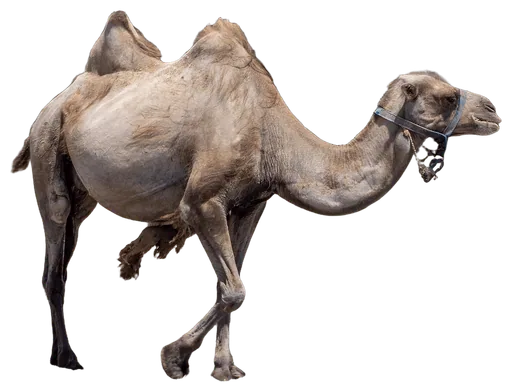 L vs Spectacled BearWins · 53% · Toss-up
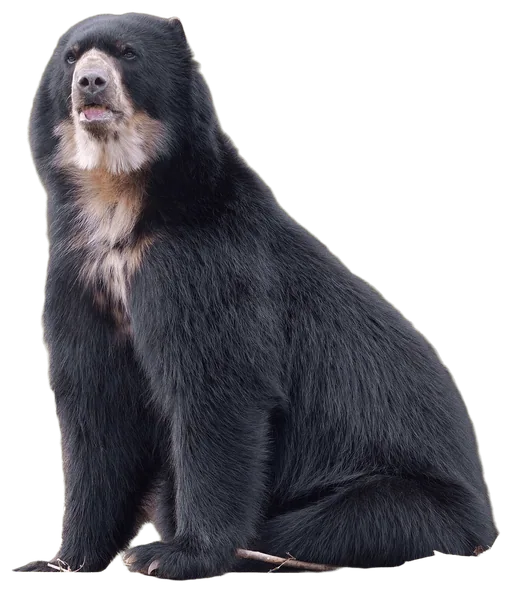 W vs Gray WolfWins · 57% · Toss-up
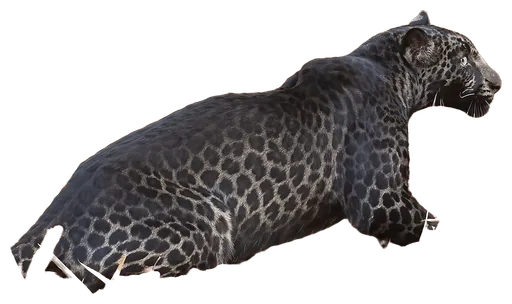
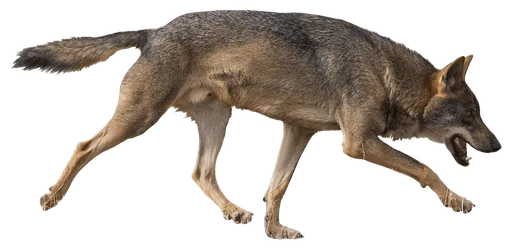 W vs Black PantherWins · 57% · Toss-up
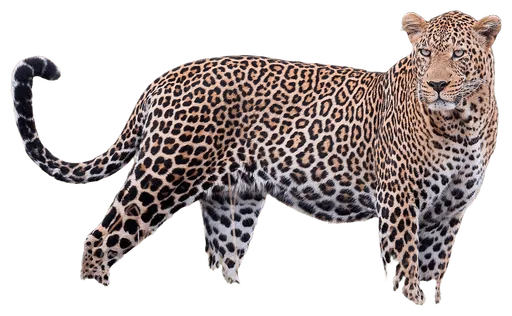
 W vs LeopardWins · 56% · Toss-up
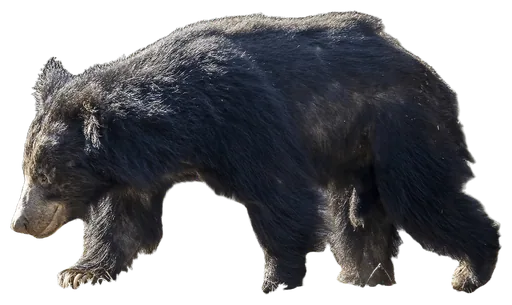
 W vs Sloth BearWins · 52% · Toss-up
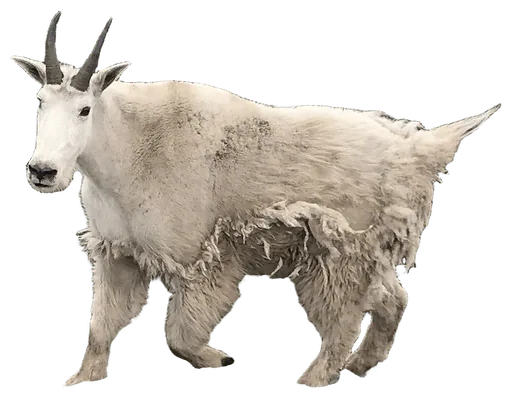
 W vs Mountain GoatWins · 52% · Toss-up
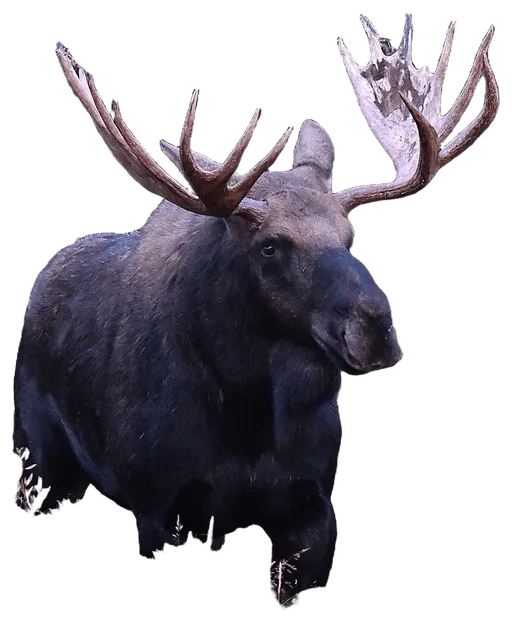
 W vs MooseLoses · 57% · Toss-up
 L
African Lion battle analysis
A prime adult male African lion is not simply a scaled-up house cat and not simply a bundle of famous predator statistics. Its combat anatomy is an integrated system. Powerful forequarters allow the lion to strike, hook and hold. Retractile claws provide purchase. The jaws and canines finish prey once control is established. A muscular 190 kg body adds enough momentum and leverage to wrestle large animals, while feline balance and acceleration let the lion reposition far more quickly than most animals in the same mass neighborhood.
The male's natural history adds another layer. Female lions do most cooperative pride hunting, but males live a life dominated by direct competition with other males. Young males leave their natal pride, often form coalitions and eventually challenge resident males. These contests can be brutal. The lion therefore has unusually relevant fighting experience against an opponent with almost the same weapons, anatomy and tactical options.
That does not make the lion invincible. The absolute ABS scale is especially important here. A 190 kg male is formidable compared with most terrestrial predators but tiny beside a 5.5-tonne African elephant. The lion cannot compensate for a thirty-fold mass deficit merely because it is a better specialized killer. Likewise, large bovids, hippos and rhinoceroses can punish a failed grapple with horns, jaws or enormous body force. A lion's lack of armor means every committed close-range attack carries risk.
The mane is also easy to overrate. It is visually dramatic and clearly matters in lion social biology, but field research has not found compelling evidence that it serves as effective armor against rival attacks. Its stronger role is signaling: mane characteristics advertise information about a male, and other lions respond to those signals. ABS should reward this as a real behavioral trait without turning hair into a shield.
The resulting profile is a strong but bounded predator. Attack and Agility are the lion's headline strengths. Intelligence is above average because social coordination, rival assessment and ambush tactics are genuinely sophisticated. Defense is only moderate-to-strong because muscle and toughness cannot replace armor. Stamina is not elite because lions depend heavily on short bursts. Special remains moderate because, despite the lion's iconic biology, it does not possess venom, electricity, echolocation, chemical weaponry or another rare mechanism that fundamentally changes matchup rules.
Habitat & range
African lions occupy savannas, grasslands, open woodland, scrub and dry thorn forest. They are absent from much closed equatorial rainforest. Habitat quality depends heavily on prey abundance, water, cover and human pressure.
Historically lions occupied much of Africa and extended broadly through parts of Eurasia. Today African populations are fragmented across sub-Saharan Africa, while the remaining Asiatic population persists in and around the Gir landscape of India. IUCN Cat Specialist Group data indicate severe historical range contraction and continued fragmentation.
Diet & hunting
Lions are obligate carnivores specializing in medium and large vertebrate prey. Common targets include zebra, wildebeest and other ungulates. They also scavenge, steal kills and take smaller prey when opportunity demands. Smithsonian describes common prey in roughly the 45–453 kg range.
Social life
The lion is the most social living cat. Prides consist primarily of related females and offspring, while males commonly operate as coalitions. Females may remain in natal prides for life. Males usually disperse and later attempt to gain pride residency by displacing resident males.
Conservation
The lion is currently classified as Vulnerable globally by IUCN, with major regional differences. The IUCN Cat Specialist Group reports extensive range loss, fragmentation, prey depletion, habitat loss, human-lion conflict and illegal killing as major pressures. Some regional populations are stable or recovering, while others remain severely threatened.
Quick answers
How strong is an African Lion?
On the Animal Battle Stats scale, the African Lion has an attack rating of 70 and a power index of 60.3 out of 100, which ranks it #71 of 344 animals and puts it in B tier (Strong). Its strongest stat is agility (72).
How much does an African Lion weigh?
A typical adult African Lion weighs about 190 kg (419 lb). Rated specimen: ABS should model a healthy mature adult African male lion.
How fast is an African Lion?
The African Lion's top speed is about 53 km/h (33 mph). Its agility rating is 72 out of 100.
What does an African Lion eat?
Lions are obligate carnivores specializing in medium and large vertebrate prey. Common targets include zebra, wildebeest and other ungulates. They also scavenge, steal kills and take smaller prey when opportunity demands. Smithsonian describes common prey in roughly the 45–453 kg range.
Is the African Lion endangered?
The African Lion's conservation status is Vulnerable. The lion is currently classified as Vulnerable globally by IUCN, with major regional differences. The IUCN Cat Specialist Group reports extensive range loss, fragmentation, prey depletion, habitat loss, human-lion conflict and illegal killing as major pressures. Some regional populations are stable or recovering, while others remain severely threatened.
What animals can beat an African Lion?
Among its closest rivals, the Bactrian Camel (57%), the Moose (57%) would be favored against the African Lion. It would be favored against the Spectacled Bear, the Gray Wolf, the Black Panther, the Leopard, the Sloth Bear, the Mountain Goat.
Researched 2026-09-27. Ratings are editorial judgments built from these sources; measurements describe a healthy adult male.
- Smithsonian National Zoo, LionMale size, shoulder height, habitat, lifespan, social structure, hunting, male defense role
- San Diego Zoo Wildlife Alliance, LionMale mass/length, lifespan, sprint figure, feeding and fun facts
- IUCN/SSC Cat Specialist Group, LionTaxonomy, mass/length range, ecology, range, conservation
- Wroe et al./Evolution skull datasetComparative lion bite mechanics
- Christiansen & Wroe 2007, EcologyBite-force methodology and feeding ecology
- Craniometric Characteristics of Selected Carnivora Species, Animals 2024Alternative lion bite-force model
- West et al. 2006, Animal Behaviour / University of MinnesotaMane protection and combat wounds
- University of Minnesota Lion Center, Mane researchMane signaling, condition, heat cost
- Wikimedia Commons, Panthera leo maleImage candidate
Photo: “Lion (Panthera leo) old male Chobe.jpg” by Charles J. Sharp, CC BY-SA 4.0, background removed and cropped. Original
Suggest a correction