

African Grey Parrot
Psittacus erithacus
 #242 of 341
  Jungle Mage Endangered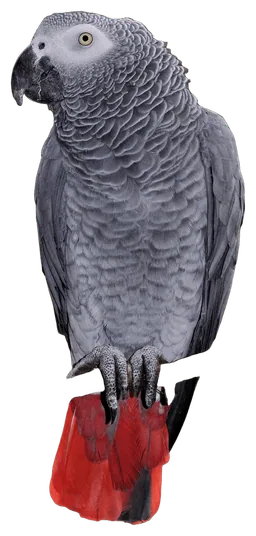
 Fight
FightPhoto: Quartl · CC BY-SA 3.0
The African grey parrot is one of the smartest animals alive, a 400-gram forest parrot that can use words for objects, colours and numbers and track hidden objects better than young children. Its hooked bill bites hard for its size, but on the absolute scale it is a small, unarmoured bird that wins by staying alert and flying away.
 Attack15
  Defense11
  Agility84
  Stamina66
  Intelligence95
  Special70
 Detailed ratings
Research-backed ratings on one 0–100 scale for all 341 animals (updated 2026-09-28). How ratings work
Special abilities
Ability 1Referential SpeechGrey parrots do not just copy sounds: Alex used English labels for objects, colours, shapes and quantities to request, refuse and categorize, and trained greys have tried to direct their trainers as a problem-solving strategy (ADW). In a matchup this is situational awareness and flock communication, not damage.
 Ability 2Nutcracker Bill
A heavy hooked bill with an 84 N calculated bite (61–96 N by finite-element modelling) cracks oil-palm nuts and hard seeds and can deliver a painful defensive bite at close range.
Unique traits
 TraitShell-Game Memory
A grey parrot outperformed 6- to 8-year-old children at tracking hidden objects through a series of swaps, matching adult humans on most test conditions.
TraitRed-Tailed Forest VoiceWild greys roost in large, noisy flocks and have been recorded with repertoires of over 200 call types, including imitations of other forest birds and a bat.
How it fights
Weapons
- The weapon is a heavy, hooked black bill backed by a calculated bite of about 84 N, used to crack oil-palm nuts and other hard seeds. That is roughly half the sulphur-crested cockatoo's calculated 167 N and a fifth of the scarlet macaw's 444 N. Zygodactyl feet grip and manipulate but are not talons. The bill can crush a finger or damage a small animal, but a 400 g bird cannot deliver much absolute force.
 Struggles vs
- Only 400 g; far below any serious predator in absolute power.
- No protection beyond feathers.
- Partly a ground feeder, which exposes it at clearings.
- Wild populations are heavily depleted by trapping.
- Weight
- 400 g14.1 oz
- Height
- No reliable measurement
- Length
- 33 cm13 in
- Top speed
- No reliable measurement
- Bite force
- No reliable measurement
- Lifespan
- 23 years
- Home biome
- Jungle
- Lifestyle
- Social
Rated specimen: Healthy adult male, 400 g (0.4 kg) and 33 cm long, with a 46–52 cm wingspan, matching Wikipedia's typical 400 g and the World Parrot Trust's 400 g and 33 cm; ADW gives up to 407 g.
Fun facts
- Alex the grey parrot could label about 50 objects, 7 colours and 5 shapes, and count up to six.
- A grey parrot named Griffin beat 6- to 8-year-old children at a shell game and matched adults on most rounds.
- Grey parrots will hand a token to a partner so the partner can buy a treat, even with no reward for themselves.
- Two wild greys recorded at a roost in Congo used over 200 different calls, including nine imitations of other birds and one of a bat.
- A grey parrot can live 40–60 years in captivity.
- Flocks drop into forest clearings in waves so that the whole group is never on the ground at once.
Closest rivals by power. Tap one for the full breakdown, or pick any opponent.
vs StorkWins · 50% · Toss-up  W vs ShoebillWins · 50% · Toss-up
  W vs SwanLoses · 50% · Toss-up
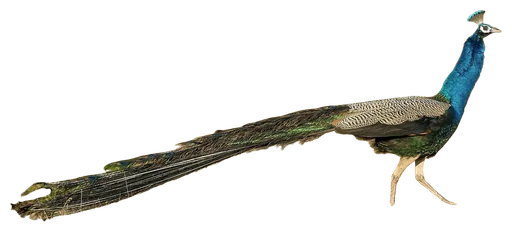
  L vs PeacockWins · 51% · Toss-up
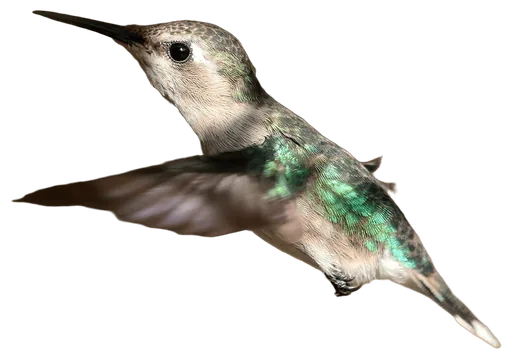
  W vs HummingbirdWins · 51% · Toss-up
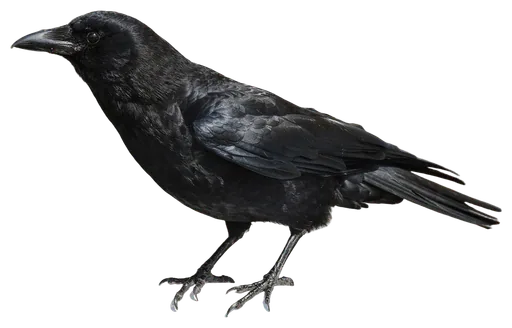
  W vs CrowWins · 52% · Toss-up
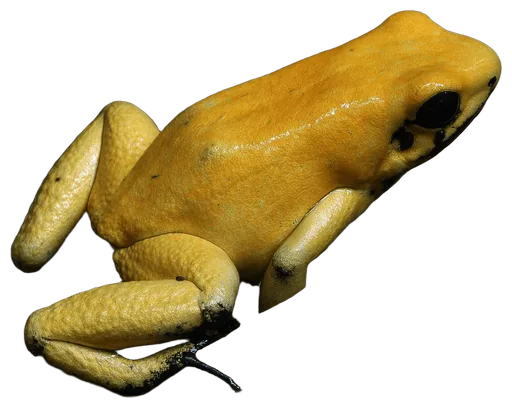
  W vs Poison Dart FrogWins · 50% · Toss-up
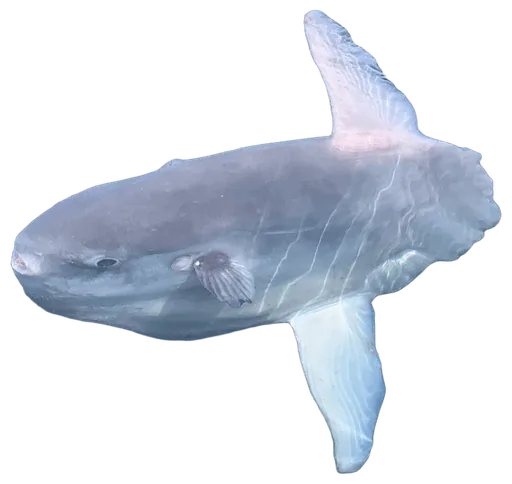
  W vs Ocean SunfishWins · 50% · Toss-up
  W
W  Pick any opponent
 African Grey Parrot battle analysis
The African grey parrot is a medium-sized, red-tailed parrot of the African rainforest, and it has become the model for what a bird's mind can do. Decades of work with Alex showed that a parrot could learn English labels for objects, colours, shapes and quantities and use them to ask for things, refuse them and sort them into categories. Later tests found a grey parrot matching adult humans at a shell game, and captive greys voluntarily helping partners obtain food.
In the wild, those abilities serve a cautious forest life. Greys roost in large, noisy flocks over water, fan out by day to feed on oil-palm nuts and fruit, and drop into forest clearings in careful waves while sentinels watch the edges. Young birds stay with their families for years, learning which foods are safe and how to avoid palm-nut vultures and hawks. That same intelligence made the species a prized pet, and trapping has driven it to Endangered status.
As a fighter, the grey parrot is limited by size. Its bill produces about 84 newtons, enough to crack palm nuts and hurt a hand, but it is a 400-gram bird without armour or talons. It rates at the very top of the roster for Intelligence and well above average for Agility, while its Attack and Defense sit among the small birds.
Habitat & range
The grey parrot lives in the forest belt of central and West Africa, from the eastern border of Côte d'Ivoire through Ghana, Cameroon, Gabon and the Congo Basin to Uganda and Kenya, plus the island of Príncipe (ADW; Wikipedia). It prefers moist lowland forest but also uses forest edges, clearings, gallery forest, mangroves, wooded savanna, farmland and gardens, up to 2,200 m (ADW; World Parrot Trust). Escaped or released birds have been seen in South Florida since at least 1984, without evidence of breeding (Wikipedia).
Diet & hunting
Mainly fruit and nuts, especially oil-palm, supplemented with seeds, leaves, bark, flowers and some insects (ADW). The grey parrot is partly a ground feeder and regularly visits natural forest clearings: at one Congolese clearing an average of 40 birds arrived each day, perched and called in the surrounding trees, then landed to feed, drink and interact, with arrival times shaped by weather and season (Fastré et al. 2024). Natural predators include palm-nut vultures and several raptors (Wikipedia).
Social life
Highly social. Large single-species flocks roost together and break into smaller foraging groups by day. Each breeding pair holds its own tree within a loose colony. Young birds remain in family groups for years, socialize in "nursery trees", and learn food, water, predator and nest skills from adults (ADW).
Conservation
Endangered on the IUCN Red List since 2016 (Wikipedia; World Parrot Trust), with a decreasing and unknown wild population. More than 359,000 grey parrots were traded internationally between 1994 and 2003, and about 21% of the wild population was harvested each year; in 2016 CITES moved the species to Appendix I (Wikipedia). In Ghana, surveys found greys in only 10 of 42 forest areas, and roosts that once held 700–1,200 birds held 18 in total (Wikipedia).
Quick answers
How strong is an African Grey Parrot?
On the Animal Battle Stats scale, the African Grey Parrot has an attack rating of 15 and a power index of 43.3 out of 100, which ranks it #242 of 341 animals and puts it in C tier (Capable). Its strongest stat is intelligence (95).
How much does an African Grey Parrot weigh?
A typical adult African Grey Parrot weighs about 400 g (14.1 oz). Rated specimen: healthy adult male, 400 g (0.4 kg) and 33 cm long, with a 46–52 cm wingspan, matching Wikipedia's typical 400 g and the World Parrot Trust's 400 g and 33 cm; ADW gives up to 407 g.
How fast is an African Grey Parrot?
There is no reliable measured top speed for the African Grey Parrot, so we do not publish one. Its agility rating, which covers acceleration, reflexes and evasion, is 84 out of 100.
What does an African Grey Parrot eat?
Mainly fruit and nuts, especially oil-palm, supplemented with seeds, leaves, bark, flowers and some insects (ADW). The grey parrot is partly a ground feeder and regularly visits natural forest clearings: at one Congolese clearing an average of 40 birds arrived each day, perched and called in the surrounding trees, then landed to feed, drink and interact, with arrival times shaped by weather and season (Fastré et al. 2024). Natural predators include palm-nut vultures and several raptors (Wikipedia).
Is the African Grey Parrot endangered?
The African Grey Parrot's conservation status is Endangered. Endangered on the IUCN Red List since 2016 (Wikipedia; World Parrot Trust), with a decreasing and unknown wild population. More than 359,000 grey parrots were traded internationally between 1994 and 2003, and about 21% of the wild population was harvested each year; in 2016 CITES moved the species to Appendix I (Wikipedia). In Ghana, surveys found greys in only 10 of 42 forest areas, and roosts th
What animals can beat an African Grey Parrot?
Among its closest rivals, the Swan (50%) would be favored against the African Grey Parrot. It would be favored against the Stork, the Shoebill, the Peacock, the Hummingbird, the Crow, the Poison Dart Frog, the Ocean Sunfish.
Researched 2026-09-28. Ratings are editorial judgments built from these sources; measurements describe a healthy adult male.
- Animal Diversity Web, Psittacus erithacusrange, habitat, size, lifespan, behaviour, diet, Alex's abilities
- Wikipedia, Grey parrotsize, lifespan, wild calls, predators, trade, status, cognition
- World Parrot Trust, Grey Parrotsize, weight, elevation, longevity, status
- Harrison et al. 2025, Journal of Anatomybite force
- Pailian et al. 2020, Scientific Reportsworking memory
- Brucks and von Bayern 2020, Current Biologyprosocial helping
- Krasheninnikova et al. 2019, Royal Society Open Scienceprosociality limits
- Benedict et al. 2022, Scientific Reportsmimicry
- Fastré et al. 2024, Ecology and Evolutionwild behaviour
- Dam, Honing and Spierings 2025, Scientific Reportsvocal imitation limits
Photo: “Psittacus erithacus qtl1.jpg” by Quartl, CC BY-SA 3.0, background removed and cropped. Original
Suggest a correction