

Aardwolf
Proteles cristatus
 #284 of 341
  Savanna Scout Least Concern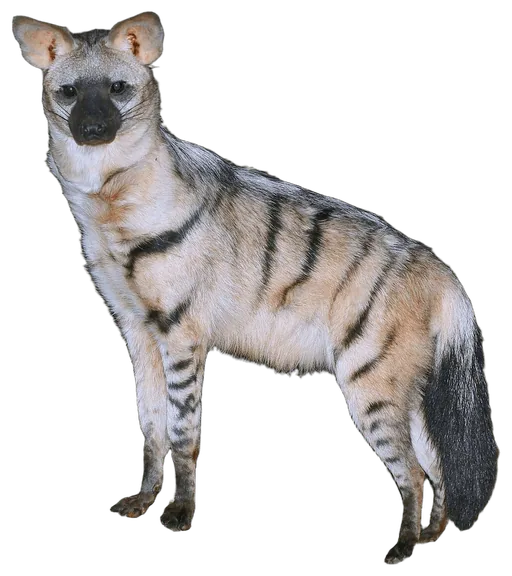
 Fight
FightPhoto: Greg Hume · CC BY-SA 3.0
The aardwolf is a slender, 10 kg member of the hyena family that eats termites instead of meat, licking up hundreds of thousands in a night. It can raise a mane and release a foul scent to bluff predators, but with a weak jaw, peg-like teeth and no speed, it is one of the least dangerous fighters of its size.
 Attack22
  Defense23
  Agility56
  Stamina55
  Intelligence50
  Special60
 Detailed ratings
Research-backed ratings on one 0–100 scale for all 341 animals (updated 2026-09-28). How ratings work
Special abilities
Ability 1Termite Vacuum TongueA long, broad, sticky tongue laps up to about 250,000–300,000 termites in a night, and it is the only African termite-eater known to tolerate the terpene defence secretions of Trinervitermes soldiers.
 Ability 2Mane Bluff
When threatened it raises the long mane along its back to look much larger and can release a foul-smelling liquid from its anal glands, then retreat into a burrow.
Unique traits
 TraitPeg-Toothed Hyena
A member of the hyena family whose cheek teeth are reduced to small pegs; it keeps its canines for fighting and swallows sand with its termites.
TraitDen-Guarding FatherPairs share a territory, and males may guard the den for up to six hours a night against jackals; females with a guarding male raise about three times as many cubs.
How it fights
Weapons
- The aardwolf is a termite specialist, not a predator of vertebrates. Its only real weapons are its canines, which are kept for fights with other aardwolves and for defense, backed by a light jaw with a very low bite-force quotient. It does not dig into termite mounds; it licks harvester termites off the soil surface with a long, broad, sticky tongue.
 Struggles vs
- Only about 10 kg, lightly built.
- Weak jaw and peg-like cheek teeth.
- Slow runner with no armor.
- Seasonal weight loss and dependence on one food type.
- Weight
- 10 kg22 lb
- Height
- 47.5 cm18.7 in
- Length
- 70 cm27.6 in
- Top speed
- No reliable measurement
- Bite force
- No reliable measurement
- Lifespan
- No reliable measurement
- Home biome
- Savanna
- Lifestyle
- Mostly solitary, nocturnal
Rated specimen: Healthy adult of about 10.0 kg, head-body about 70 cm, shoulder height about 47.5 cm.
Fun facts
- One aardwolf can lap up about 250,000–300,000 termites in a single night.
- It is the only African termite-eater known to tolerate the chemical defences of Trinervitermes soldier termites.
- Its cheek teeth are tiny pegs, yet it belongs to the hyena family.
- It has five toes on its front feet, while other hyenas have four.
- A pair may leave about 200 scent marks in one night.
- Fathers can guard the den for up to six hours a night.
Closest rivals by power. Tap one for the full breakdown, or pick any opponent.
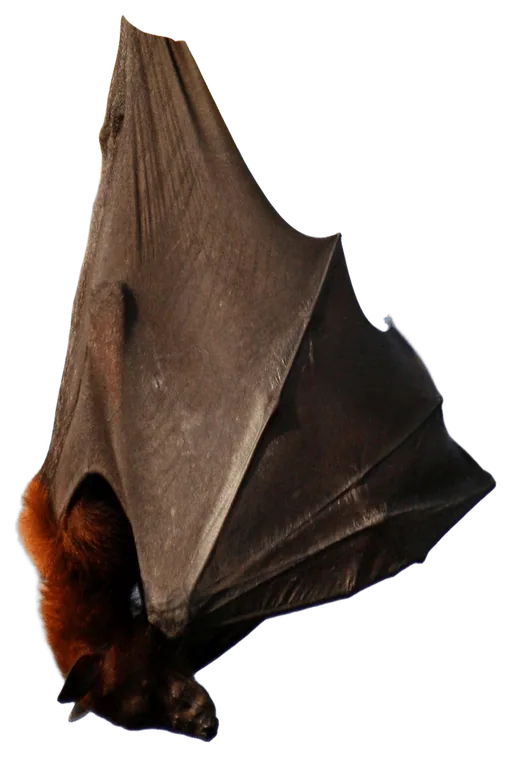
vs Pallas's CatWins · 50% · Toss-up 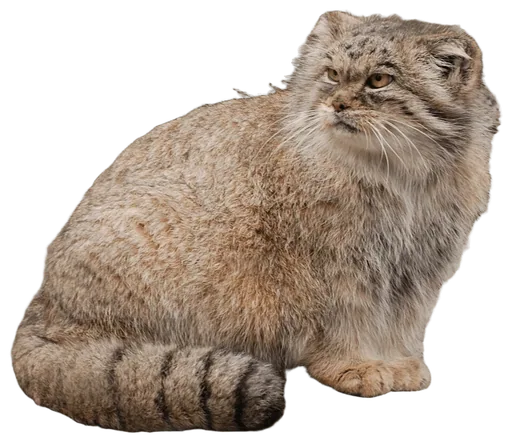 W vs Flying FoxLoses · 51% · Toss-up
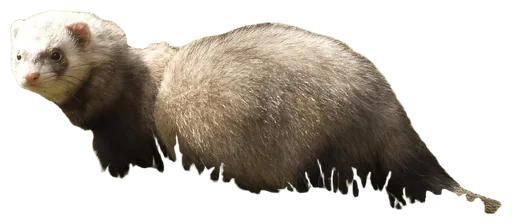
  L vs FerretLoses · 51% · Toss-up
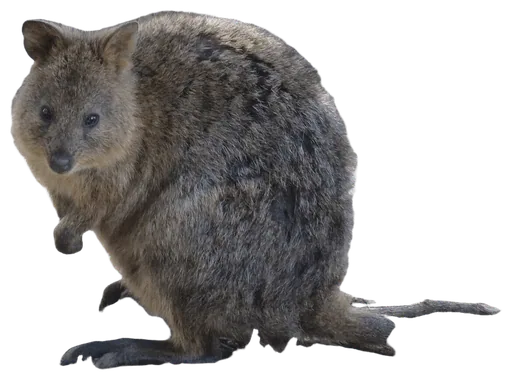
  L vs QuokkaWins · 51% · Toss-up
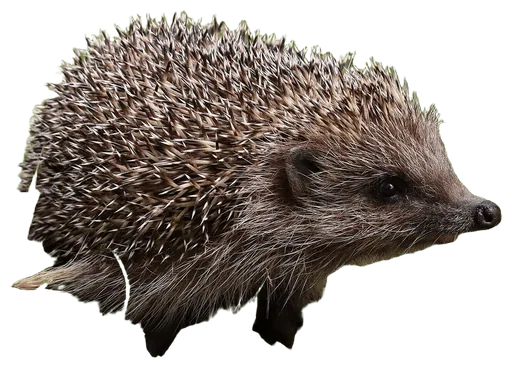
  W vs HedgehogWins · 51% · Toss-up
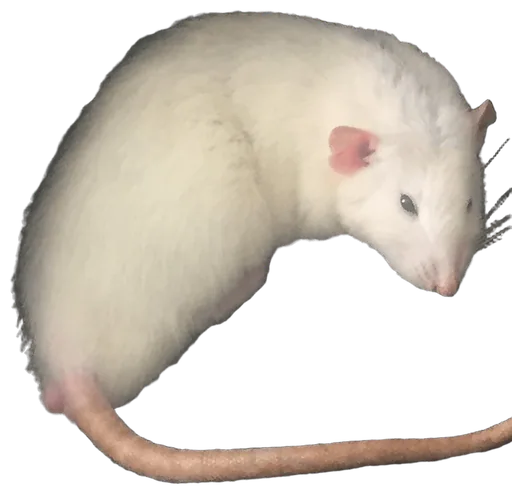
  W vs Fancy RatWins · 52% · Toss-up
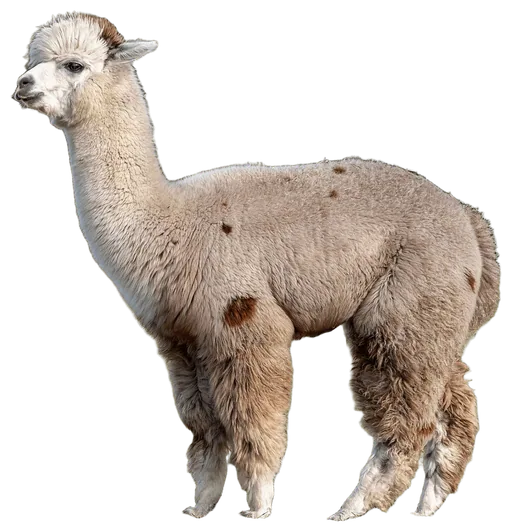
  W vs AlpacaWins · 53% · Toss-up
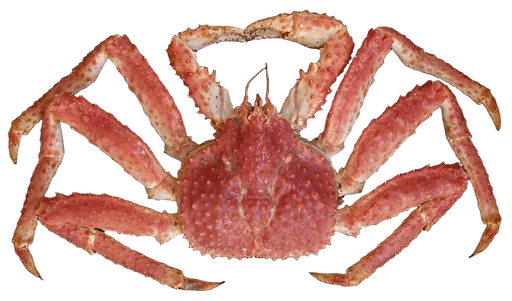
  W vs King CrabLoses · 50% · Toss-up
  L
L  Pick any opponent
 Aardwolf battle analysis
The aardwolf looks like a small, thin striped hyena with a long mane, big ears and slender legs. A typical adult weighs about 10 kg. Despite its name and its family, it is a specialist insect-eater: its cheek teeth are reduced to little pegs, and it feeds by licking harvester termites off the ground with a long, broad, sticky tongue, taking hundreds of thousands in a night.
Its life is tied to those termites. It forages alone through the night at about 1 km per hour, finding termite columns by sound and smell, and in cold southern winters it can lose a fifth of its weight. Pairs share small territories of 1–4 km², mark them with hundreds of scent pastes a night and chase out intruders, and fathers stand guard at the den against jackals.
In a battle context the aardwolf is weak. Its canines are its only real weapons, its bite-force quotient is a fraction of the other hyenas', and it is neither fast nor armored. Its survival relies on bluff: a raised mane that makes it look far larger, a foul anal secretion and a burrow to dive into. It sits near the bottom of the medium-small mammals in Attack and Defense, with its Special score coming from its unusual feeding specialization and defensive display.
Habitat & range
Two separate populations: one in East and Northeast Africa and one in southern Africa, split by wetter woodlands in Zambia and southern Tanzania. It prefers open, grassy plains and savanna with 100–800 mm of rain a year, avoids forest and pure desert, and does not need to drink. It thrives in heavily grazed grassland and farmland where harvester termites are common.
Diet & hunting
Feeds almost entirely on one or a few local species of nasute harvester termites (Trinervitermes), licked from the soil surface as they forage in dense patches. In southern African winters it switches to the pigmented harvester termite Hodotermes, and in the East African rains to other termites. It does not destroy mounds, so colonies keep supplying food. In the Serengeti aardwolves and aardvarks overlap heavily in space and time, and aardwolves appear to benefit from aardvark activity.
Social life
Socially monogamous pairs with their latest offspring share a territory of about 1–4 km², marked with anal-gland paste. Young stay about a year and leave around the time the next litter is born.
Conservation
Least Concern on the IUCN Red List. Most southern African aardwolves live on farmland, where the main threat is indirect poisoning from pesticide spraying against locusts; other threats are persecution by people who mistake it for a livestock predator, dogs trained to hunt jackals, roads and drought. Camera trapping in southern Tanzania estimated 9.2–13.3 aardwolves per 100 km².
Quick answers
How strong is an Aardwolf?
On the Animal Battle Stats scale, the Aardwolf has an attack rating of 22 and a power index of 38.1 out of 100, which ranks it #284 of 341 animals and puts it in D tier (Underdog). Its strongest stat is special (60).
How much does an Aardwolf weigh?
A typical adult Aardwolf weighs about 10 kg (22 lb). Rated specimen: healthy adult of about 10.0 kg, head-body about 70 cm, shoulder height about 47.5 cm.
How fast is an Aardwolf?
There is no reliable measured top speed for the Aardwolf, so we do not publish one. Its agility rating, which covers acceleration, reflexes and evasion, is 56 out of 100.
What does an Aardwolf eat?
Feeds almost entirely on one or a few local species of nasute harvester termites (Trinervitermes), licked from the soil surface as they forage in dense patches. In southern African winters it switches to the pigmented harvester termite Hodotermes, and in the East African rains to other termites. It does not destroy mounds, so colonies keep supplying food. In the Serengeti aardwolves and aardvarks overlap heavily in space and time, and aardwolves appear to benefit from aardvark activity.
Is the Aardwolf endangered?
No. The Aardwolf is listed as Least Concern. Least Concern on the IUCN Red List. Most southern African aardwolves live on farmland, where the main threat is indirect poisoning from pesticide spraying against locusts; other threats are persecution by people who mistake it for a livestock predator, dogs trained to hunt jackals, roads and drought. Camera trapping in southern Tanzania estimated 9.2–13.3 aardwolves per 100 km².
What animals can beat an Aardwolf?
Among its closest rivals, the Flying Fox (51%), the Ferret (51%), the King Crab (50%) would be favored against the Aardwolf. It would be favored against the Pallas's Cat, the Quokka, the Hedgehog, the Fancy Rat, the Alpaca.
Researched 2026-09-28. Ratings are editorial judgments built from these sources; measurements describe a healthy adult.
- IUCN/SSC Hyaena Specialist Group, Mills & Hofer (1998), Hyaenas: Status Survey and Conservation Action Planmass, length, height, diet, termite tolerance, territory, fighting, den guarding, threats
- Animal Diversity Web, Proteles cristatamass, total length, lifespan, defense, senses
- Wikipedia, Aardwolflength, teeth, termite intake, foraging distance, speed
- Wikipedia, Bite force quotientrelative bite strength
- Stegmann et al. (2026), BMC Veterinary Researchskull form
- van den Bosch et al. (2023), Ecology and Evolutionecology, aardvark association
- Hardouin et al. (2021), PLoS Onedensity
- Westbury et al. (2021), Molecular Biology and Evolutionsenses, genetic diversity
- Commons, Aardwolf, Buffalo Springs National Parkimage candidate
Photo: “Aardwolf25.JPG” by Greg Hume, CC BY-SA 3.0, background removed and cropped. Original
Suggest a correction