

Aardvark
Orycteropus afer
 #195 of 273
  Savanna Digger Least Concern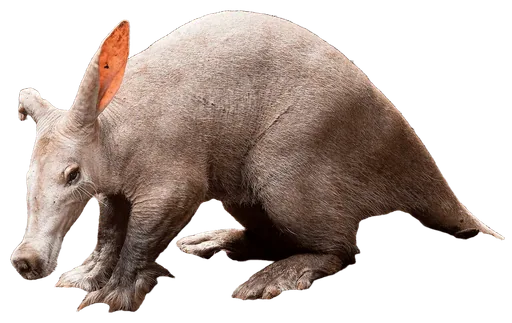
 Fight
FightPhoto: Theo Kruse Burgers' Zoo · CC BY-SA 4.0
The aardvark is a 65 kg African digging specialist that tears open termite mounds with spade-like claws and finds food with one of the most powerful noses among mammals. It fights only when cornered, clawing and kicking hard, but its real defense is digging itself underground faster than most attackers can react.
 Attack41
  Defense40
  Agility40
  Stamina52
  Intelligence42
  Special58
 Detailed ratings
Research-backed ratings on one 0–100 scale for all 273 animals (updated 2026-09-28). How ratings work
Special abilities
Ability 1Emergency BurrowSpade-like foreclaws and powerful limbs let the aardvark dig in at exceptional speed and vanish into its own tunnel network, turning an open-ground fight into a chase it can end underground.
 Ability 2Spade-Claw Kickback
When cornered it slashes with its broad foreclaws and kicks with its heavy hind legs, a defensive combination that can injure predators that try to pin it.
Unique traits
 TraitTube-Toothed Oddity
The only living member of its order; its enamel-free teeth are made of densely packed dentine tubules, and adults have no incisors or canines.
TraitSavanna Burrow EngineerIts large burrows, which can exceed 12 m with several chambers, become shelters for porcupines, warthogs, hyenas, foxes, birds and many other animals.
How it fights
Weapons
- The aardvark has no offensive predatory weapons in the usual sense. Its damage comes from the same tools it uses to dig: four spade-like foreclaws driven by a heavily muscled forelimb, and strong hind legs that can kick. Species accounts and conservation organizations describe cornered aardvarks slashing with their claws and kicking with the back legs to drive off predators. These are blunt, broad digging claws, not the long hooked slashing claws of a giant anteater, so they are better at bruising and tearing than at deep puncture.
 Struggles vs
- No bite weapon; offense depends on close-range claws and kicks.
- Thin energy margin; vulnerable to drought and heat.
- Poor eyesight and a heavy, low-slung body that is not built for pursuit or long chases.
- Rock-hard or rocky ground removes its best escape.
- Weight
- 65 kg143 lb
- Height
- 60 cm23.6 in
- Length
- 1.2 m3.9 ft
- Top speed
- No reliable measurement
- Bite force
- No reliable measurement
- Lifespan
- 18 years
- Home biome
- Savanna
- Lifestyle
- Mostly solitary, nocturnal
Rated specimen: Healthy mature adult male, 65.0 kg, 120.0 cm head-body length, about 60 cm at the shoulder.
Fun facts
- The name aardvark comes from Afrikaans for "earth pig."
- It is the only living species in its entire order, Tubulidentata.
- Its teeth have no enamel and are built from bundles of tiny dentine tubes.
- It can reportedly dig a hole about 0.6 m deep in around 15 seconds.
- Its nose holds more turbinate bones than any other mammal's, often cited as 9–11 versus 4–5 in dogs.
- It can fold its long ears shut while digging.
Closest rivals by power. Tap one for the full breakdown, or pick any opponent.
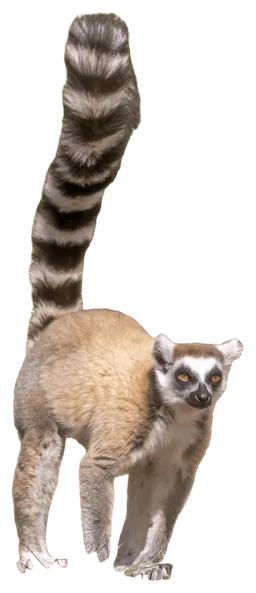
vs WildebeestLoses · 50% · Toss-up 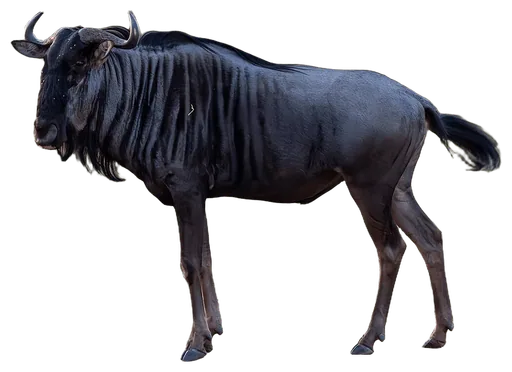 L vs Ring-tailed LemurLoses · 50% · Toss-up
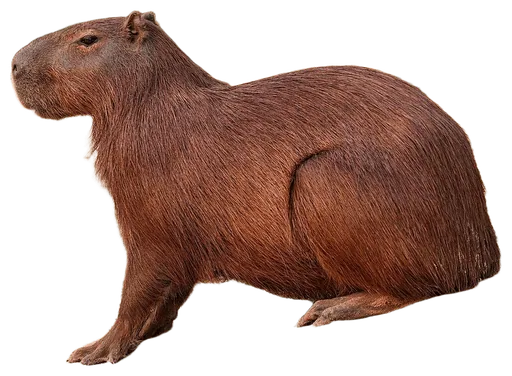
  L vs CapybaraWins · 51% · Toss-up
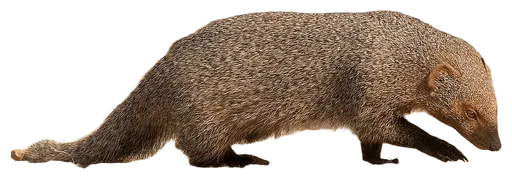
  W vs MongooseWins · 51% · Toss-up
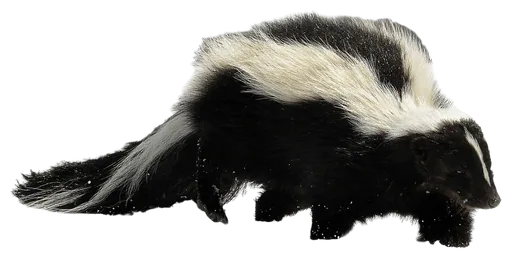
  W vs SkunkLoses · 51% · Toss-up
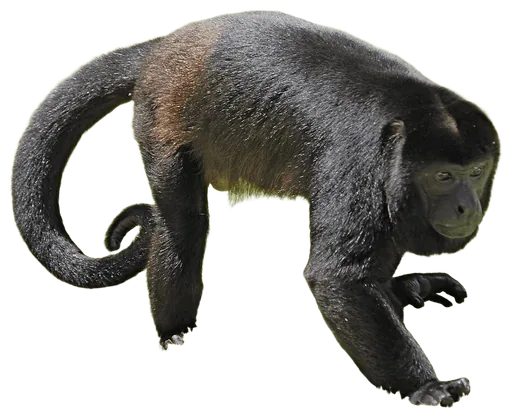
  L vs Howler MonkeyWins · 52% · Toss-up
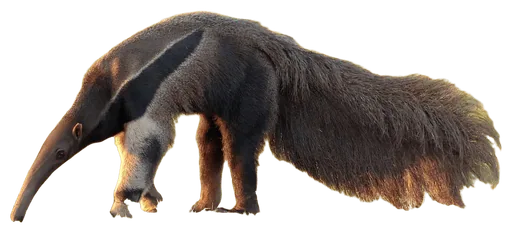
  W vs AnteaterLoses · 52% · Toss-up
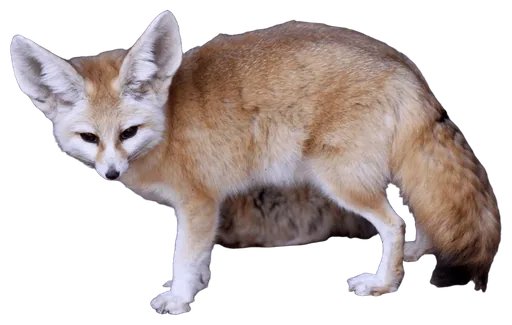
  L vs Fennec FoxWins · 52% · Toss-up
  W
W  Pick any opponent
 Aardvark battle analysis
The aardvark looks like a mix of several animals, with a pig-like snout, rabbit-like ears and a kangaroo-like tail, but it is its own thing: the only living species in its order. A healthy adult weighs around 65 kg and stands about 60 cm at the shoulder, and almost everything about its body is built around finding and digging out ants and termites. Its nose is packed with more turbinate bones than any other mammal's, its ears swivel independently and fold shut while it digs, and its teeth are unique enamel-free tubes of dentine.
In a battle, the aardvark is a reluctant fighter with real tools. Its four spade-like foreclaws can break open termite mounds that feel like concrete, and its heavy hind legs can deliver strong kicks. Predators that try to pin it in the open risk being clawed and kicked. Still, those claws are broad digging spades rather than long slashing hooks, and it has no bite to speak of, so lions, leopards, hyenas and large pythons can and do kill it.
Its best move is to leave. Aardvarks keep burrows and bolt-holes across their home range and can reportedly dig in and cover themselves within minutes. That makes the terrain decisive: on soft savanna soil near a burrow, it is a hard animal to finish; on rock or in the open, it is a slow, heavy target. Its main weakness is energy. A Kalahari study found that a hot, dry summer starved most of the tracked animals, showing how thin its margin is when insects become scarce.
Habitat & range
Found across most of sub-Saharan Africa wherever there is diggable soil and enough ants and termites: savanna, grassland, open woodland, scrub and semi-arid Karoo and Kalahari landscapes. It avoids very rocky ground and dense rainforest.
Diet & hunting
A specialist insectivore feeding mainly on termites and ants, located by smell and extracted with claws and a long, sticky tongue. By digging burrows and breaking open mounds, it turns over soil and creates shelters used by a wide range of other animals, which is why researchers describe it as an ecosystem engineer.
Social life
Solitary and nocturnal. Individuals forage alone over home ranges reported at roughly 2–5 km² and use several burrows within them.
Conservation
Listed as Least Concern on the IUCN Red List because it is widespread and occurs in many protected areas, although numbers have declined in some countries. The South African Red List also treats it as Least Concern. Drought and rising temperatures are an emerging threat: a 2017 Kalahari study documented starvation deaths during a hot, dry summer.
Quick answers
How strong is an Aardvark?
On the Animal Battle Stats scale, the Aardvark has an attack rating of 41 and a power index of 43.9 out of 100, which ranks it #195 of 273 animals and puts it in C tier (Capable). Its strongest stat is special (58).
How much does an Aardvark weigh?
A typical adult Aardvark weighs about 65 kg (143 lb). Rated specimen: healthy mature adult male, 65.0 kg, 120.0 cm head-body length, about 60 cm at the shoulder.
How fast is an Aardvark?
There is no reliable measured top speed for the Aardvark, so we do not publish one. Its agility rating, which covers acceleration, reflexes and evasion, is 40 out of 100.
What does an Aardvark eat?
A specialist insectivore feeding mainly on termites and ants, located by smell and extracted with claws and a long, sticky tongue. By digging burrows and breaking open mounds, it turns over soil and creates shelters used by a wide range of other animals, which is why researchers describe it as an ecosystem engineer.
Is the Aardvark endangered?
No. The Aardvark is listed as Least Concern. Listed as Least Concern on the IUCN Red List because it is widespread and occurs in many protected areas, although numbers have declined in some countries. The South African Red List also treats it as Least Concern. Drought and rising temperatures are an emerging threat: a 2017 Kalahari study documented starvation deaths during a hot, dry summer.
What animals can beat an Aardvark?
Among its closest rivals, the Wildebeest (50%), the Ring-tailed Lemur (50%), the Skunk (51%), the Anteater (52%) would be favored against the Aardvark. It would be favored against the Capybara, the Mongoose, the Howler Monkey, the Fennec Fox.
Researched 2026-09-28. Ratings are editorial judgments built from these sources; measurements describe a healthy adult male.
- Animal Diversity Web, Orycteropus afermass, size, skin, teeth, hearing, smell, digging
- Wikipedia, Aardvarktypical mass, length, shoulder height, turbinates
- SANBI, Animal of the week: Orycteropus afergeneral biology
- African Wildlife Foundation, Aardvarkclaws, predators, defense
- National Geographic Kids, Aardvarkdigging speed
- WorldAtlas, Aardvarkpredators, burrows
- National Geographic, Aardvarkconservation, lifespan
- Better Planet Education, Aardvark overviewlifespan
- SANBI Red List of South African Speciesregional conservation
- Endangered Wildlife Trust, Orycteropus afer Red List accountregional conservation
- Rey et al. (2017), Biology Lettersenergy limits, drought
- PubMed record, Rey et al. (2017)same study
- Frontiers in Physiology (2020), Increased diurnal activity indicates energy deficit in the aardvarkstamina limits
- Wits University news (2017)drought study context
- Taylor & Skinner, Activity patterns, home ranges and burrow use of aardvarks in the Karoohome range, activity
- Range utilization by the aardvark in the Karoo, ScienceDirectranging
- Ecosystem engineering through aardvark burrowing: mechanisms and effectsburrow ecology
- Wits Life Sciences Museum, Aardvark forelimb and scapuladigging anatomy
- ScienceDirect Topics, Aardvarkdigging mechanics
- Hluhluwe Game Reserve, Aardvark factsdimorphism
Photo: “Aardvark (Orycteropus afer).jpg” by Theo Kruse Burgers' Zoo, CC BY-SA 4.0, background removed and cropped. Original
Suggest a correction